From the archive
Page 23 of 38 · 905 stories
From the archive
529–552 of 905 articles
We Cleaned the Air. The Planet Got Hotter. Warming Has Nearly Doubled Its Pace Since 2015.
A statistically confirmed acceleration in global warming, from 0.2°C to 0.35°C per decade, traces to a paradox: reducing air pollution unmasks warming that dirty skies were concealing. The 1.5°C Paris threshold is now on track to fall before 2030.
British Airways Ignored a Customer for Months. A NYT Reporter Got Results in Days. AI Could Do That 10,000 Times a Year.
Companies treat consumer complaints as disposable and press inquiries as emergencies. A Yale study proves AI already boosts complaint resolution rates by 6.9 percentage points. The missing piece is not better complaint letters. It is the authority that comes with a masthead.
The FBI Counted AI Fraud for the First Time. It Found $893 Million. The Real Number Is Closer to $9 Billion.
The FBI's 2025 Internet Crime Report introduced a dedicated AI section logging 22,000 complaints and $893 million in losses. Cross-referencing with FTC reporting rates, Hiya consumer surveys, and UNODC trafficking data reveals the official figure captures roughly one dollar in ten.
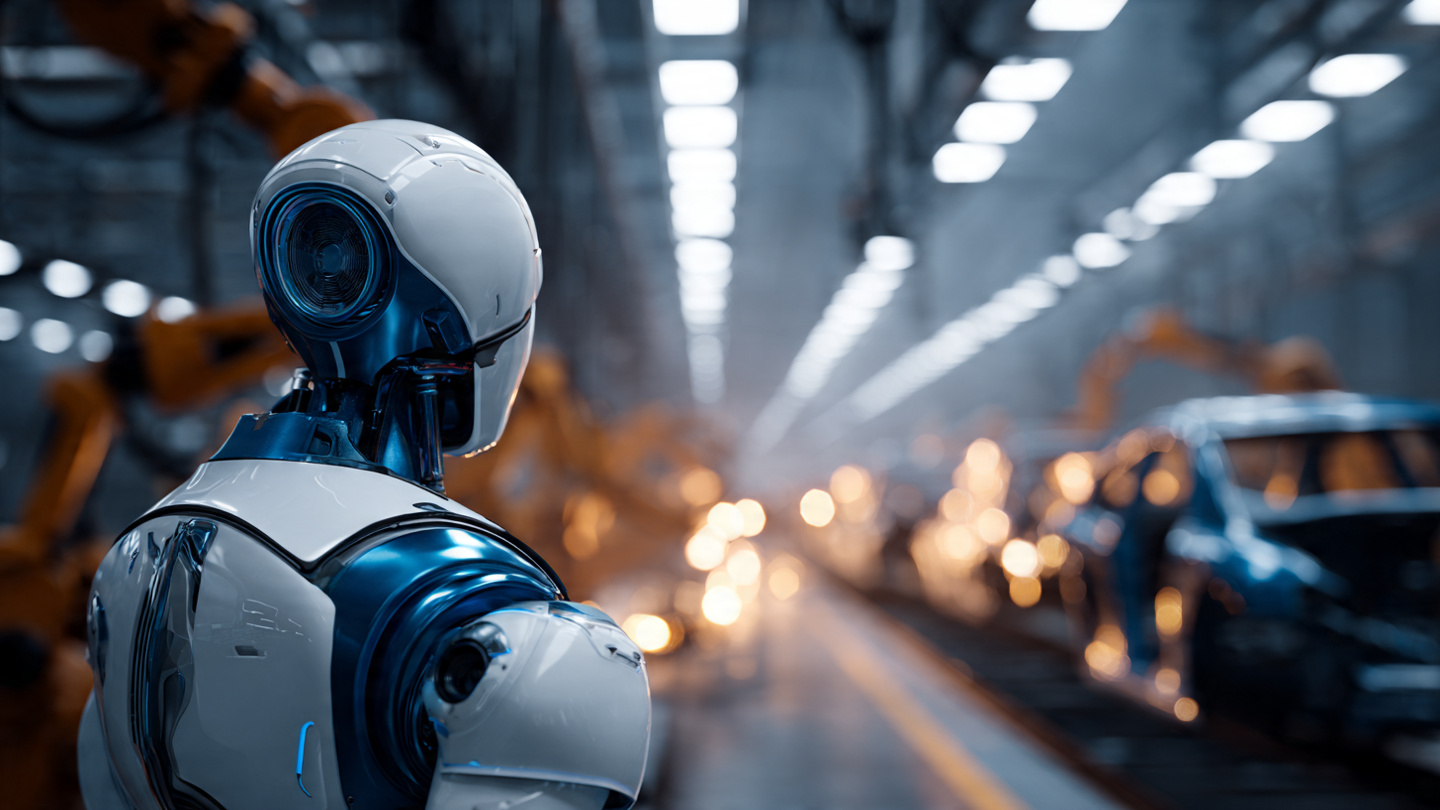
Hyundai Plans to Put 25,000 Humanoid Robots in Its Factories. Its Union Says Not One Will Enter Without a Fight.
Hyundai Motor Group disclosed plans to deploy 25,000 Boston Dynamics Atlas robots across its manufacturing plants starting 2028. At a sticker price below $320,000 — cheaper than two years of a US manufacturing worker’s total compensation — the economics are brutally simple. The union’s response was simpler: “Not a single robot without agreement.”
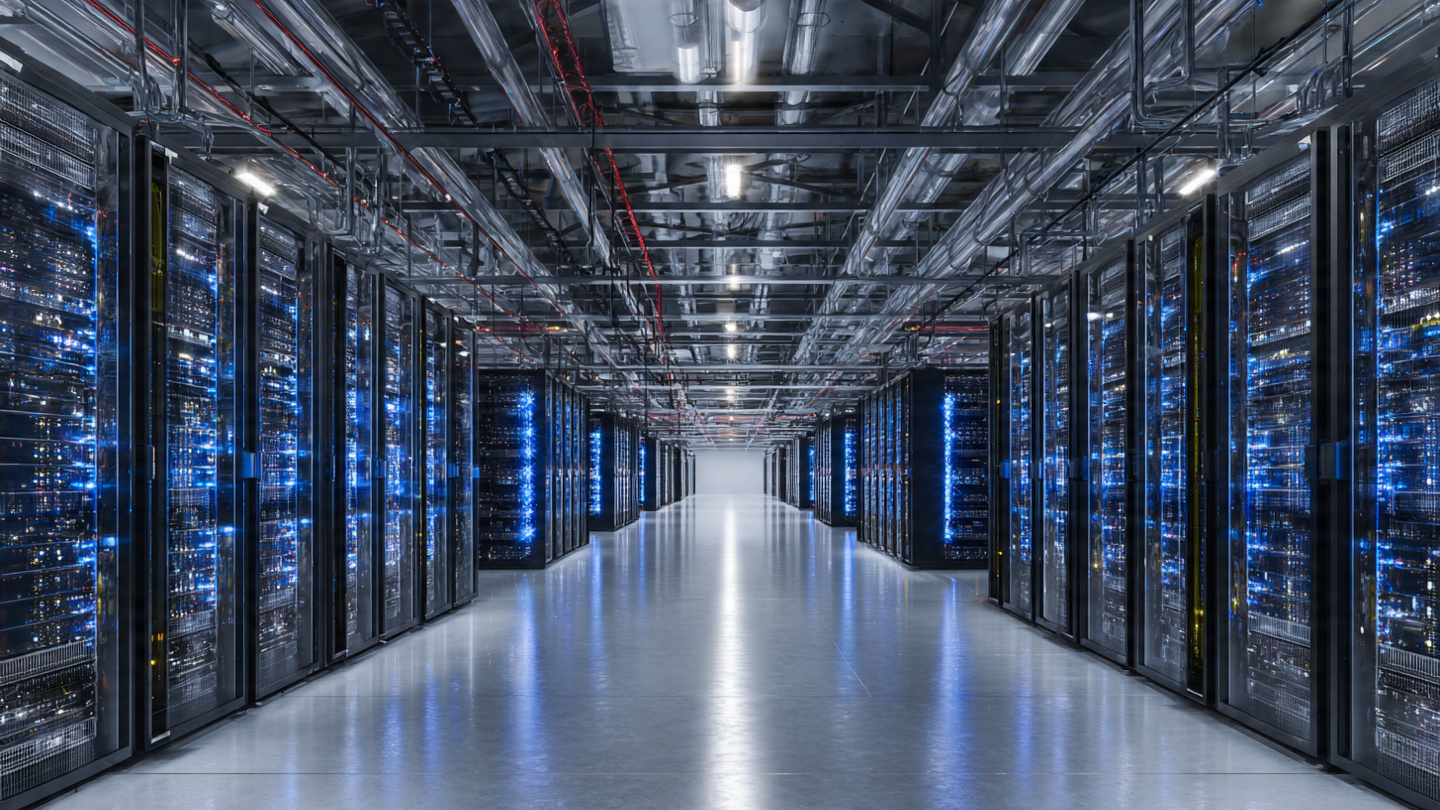
Dell Just Sold More AI Servers Than PCs for the First Time in Its 42-Year History. The $51.3 Billion Backlog Says It Won’t Go Back.
Dell’s AI server revenue hit $16.1 billion in a single quarter, eclipsing its PC business for the first time ever. But the real story is the math behind the $51.3 billion backlog: Dell can only fulfill 66% of incoming demand, and the gap is widening every quarter.
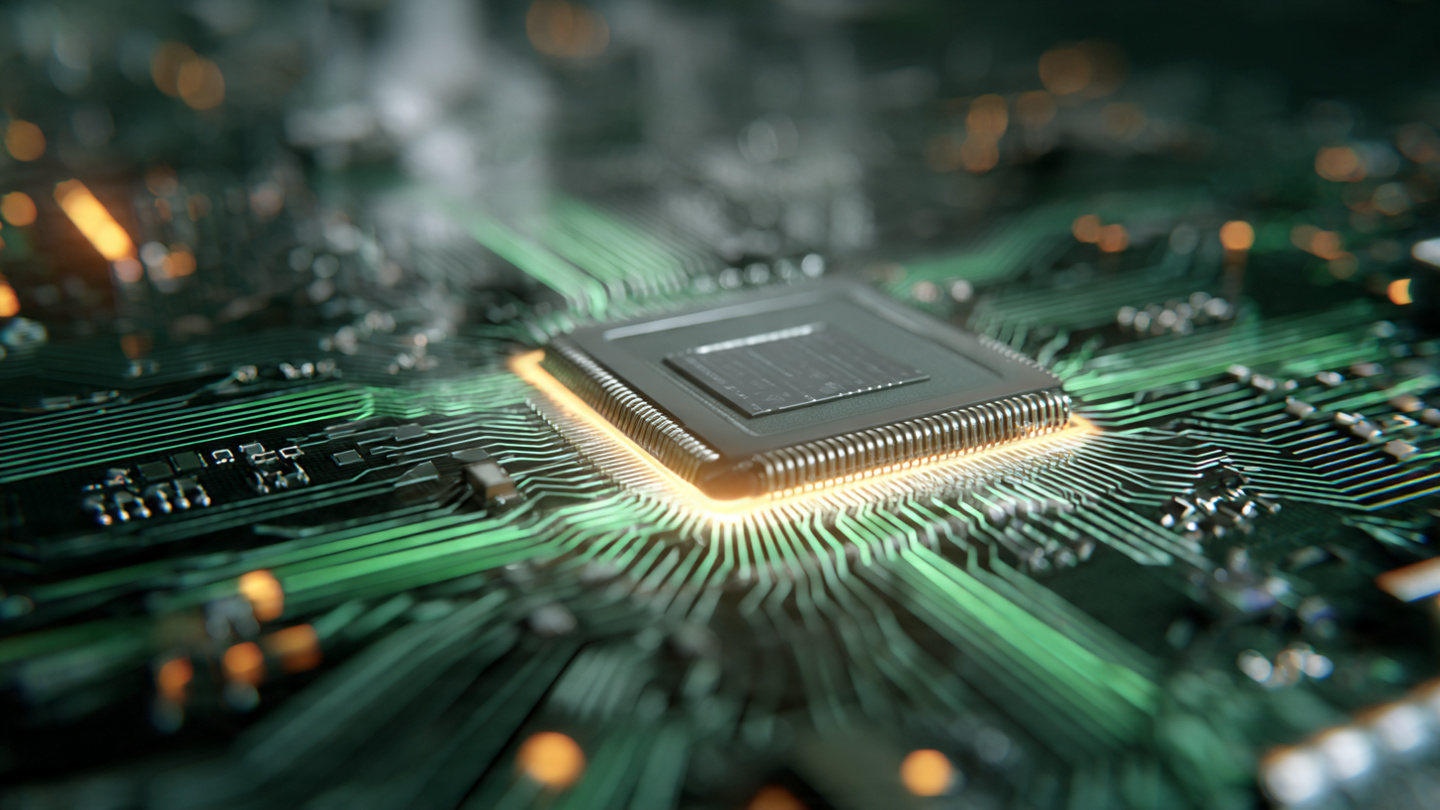
Nvidia's First Laptop CPU in a Decade Packs 1,000 TOPS and the Same GPU as a Desktop RTX 5070
The N1X brings 20 ARM cores, 6,144 CUDA cores, and 1,000 TOPS of AI compute to a laptop chip — 12.5 times more AI throughput than Qualcomm's Snapdragon X2 Elite, on a unified memory bus that can feed 200-billion-parameter models without a cloud connection. Jensen Huang reveals it Monday at Computex.

Blue Origin Lost Its Only Launch Pad. Amazon, NASA, and the Pentagon Were All Counting on It.
New Glenn exploded during a routine static fire test on May 28, destroying Launch Complex 36 and grounding three separate programs that all funneled through the same chokepoint: Amazon's 576-satellite backlog, NASA's Blue Moon lander, and a newly awarded national security launch contract. The company has no backup pad.

Anthropic's $965 Billion Valuation Rests on a Revenue Curve That's 5 Months Old
Anthropic closed a $65 billion Series H at $965 billion, surpassing OpenAI for the first time, on an annualized revenue run rate that grew from $9 billion in December to $47 billion in May. Extrapolate the implied growth rate forward and Anthropic would generate more revenue than Apple by mid-2027. Meanwhile, Anthropic, OpenAI, and SpaceX are preparing to list simultaneously, and index providers are rewriting rules to accommodate them.
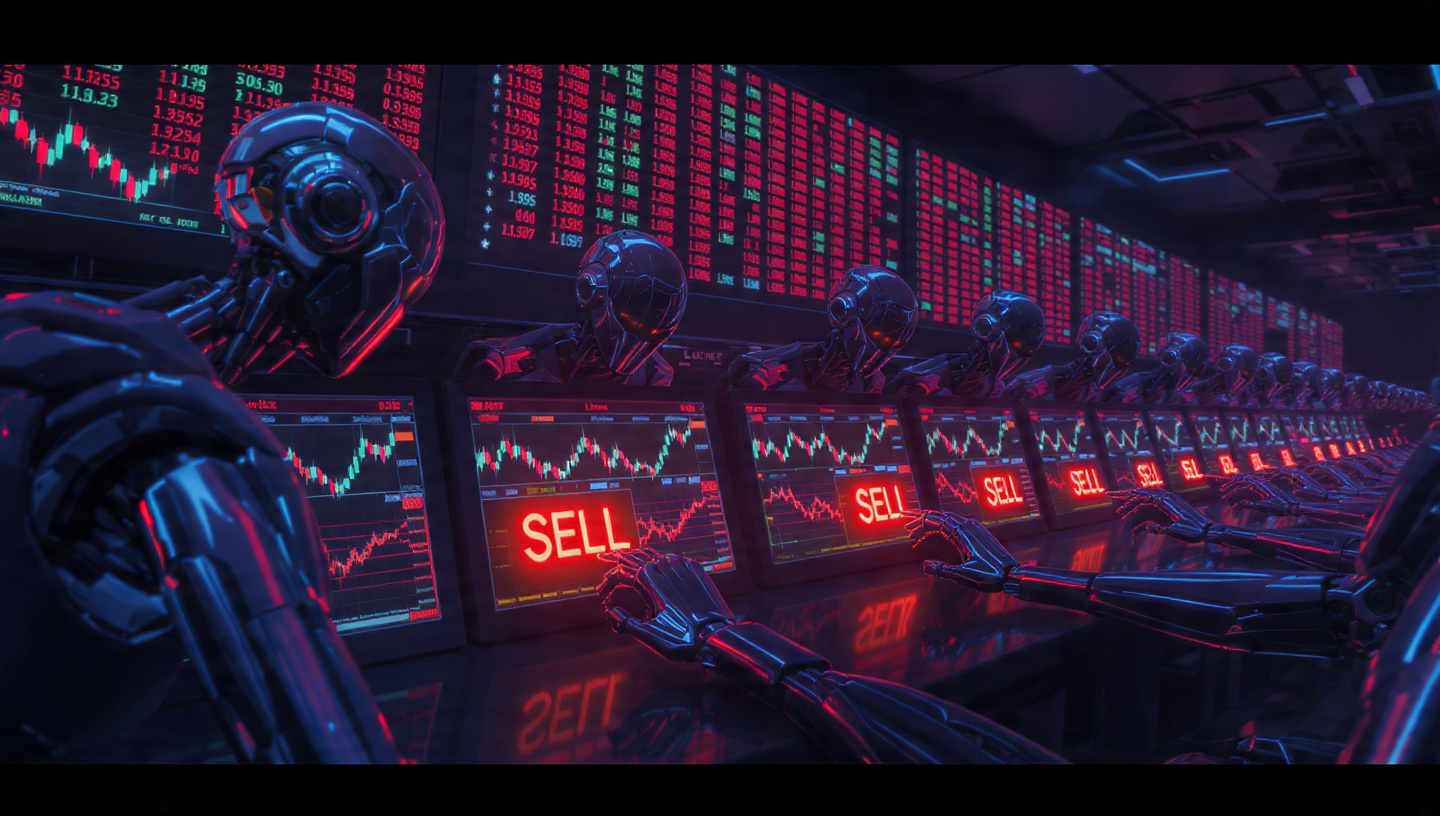
Robinhood Opened Its Platform to AI Agents. They All Think the Same Way.
Robinhood's new Agentic Trading feature lets third-party AI agents autonomously execute stock trades on behalf of its 27.6 million users. The company calls it democratization. But when millions of retail investors connect the same three or four foundation models to their brokerage accounts, the result isn't diversified intelligence. It's correlated decision-making at a scale that traditional algorithmic trading, built on proprietary models and asymmetric information, never created.
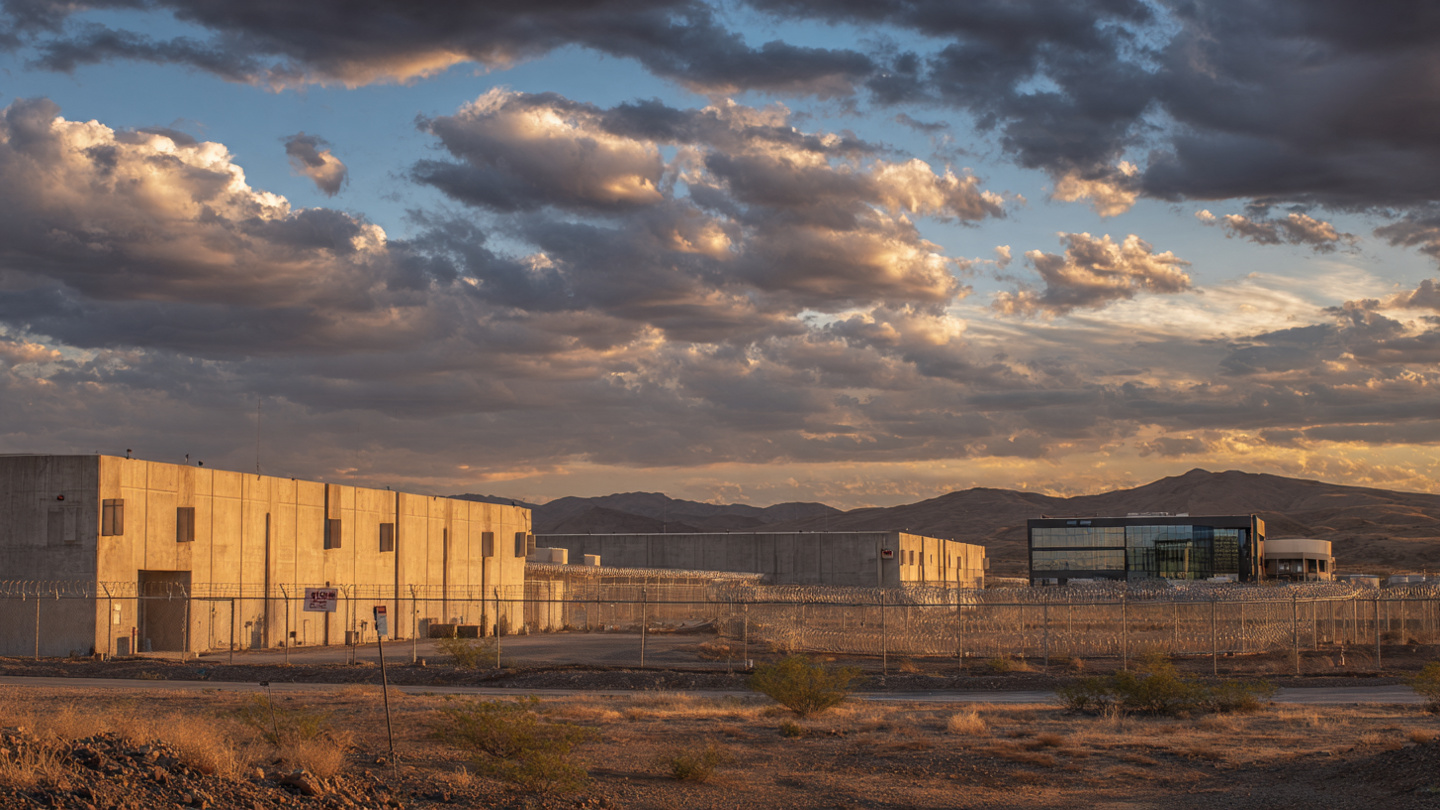
The DOE Just Offered 20 Metric Tons of Weapons-Grade Plutonium to Five Startups. None Has a Working Reactor.
Cold War warhead material enough for 2,500 nuclear weapons is headed to private companies that have never generated a single commercial kilowatt-hour, while the reactors meant to burn it remain years from licensing.
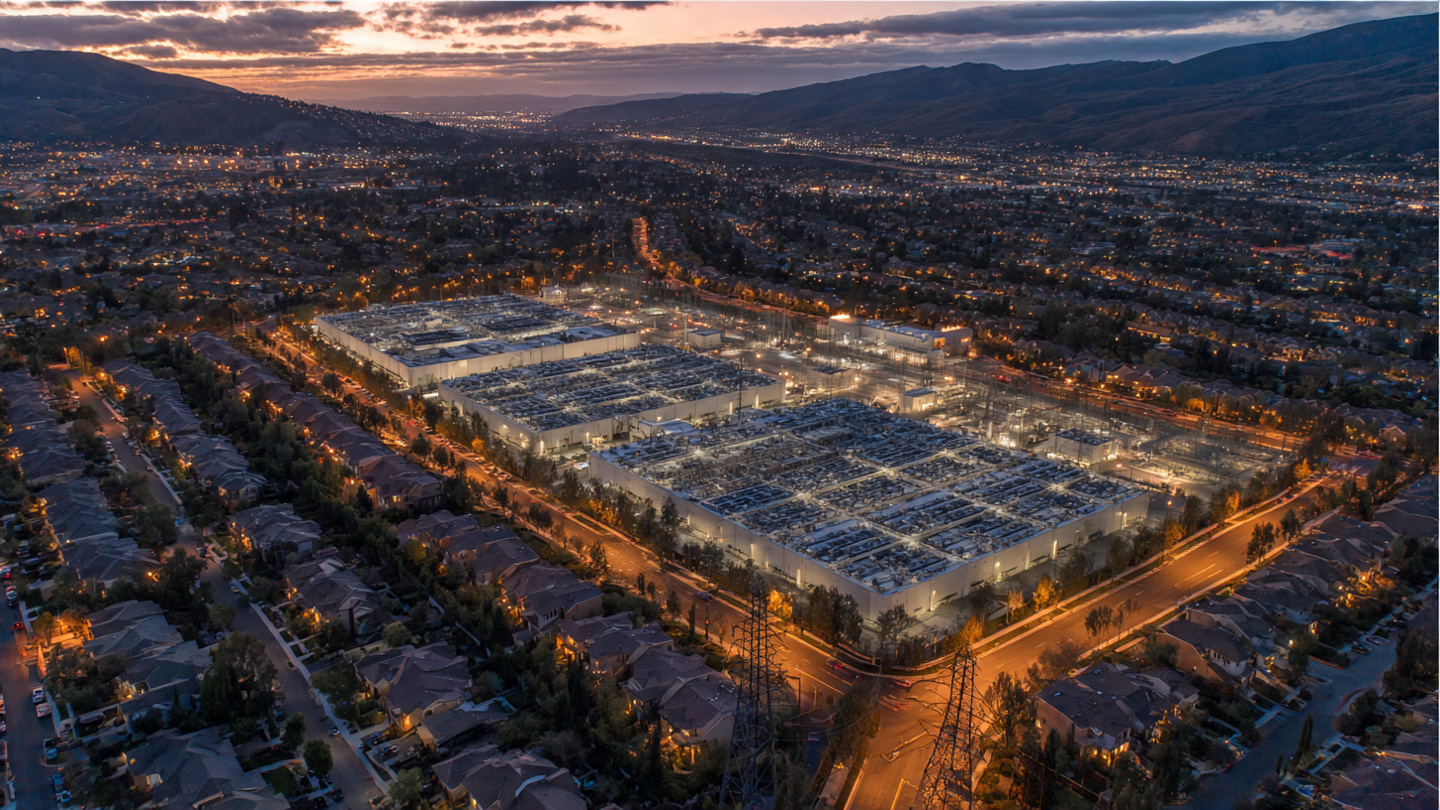
69 U.S. Jurisdictions Have Banned New Data Centers. The Grid’s Watchdog Just Explained Why.
In a single week, North America's grid reliability authority issued its most urgent warning in years, Maryland sued to stop $1.6 billion in AI infrastructure costs from landing on homeowners, and prediction markets priced a federal data center moratorium at 93 percent. The political economy of the AI buildout has inverted: the backlash is now more certain than the buildout itself.
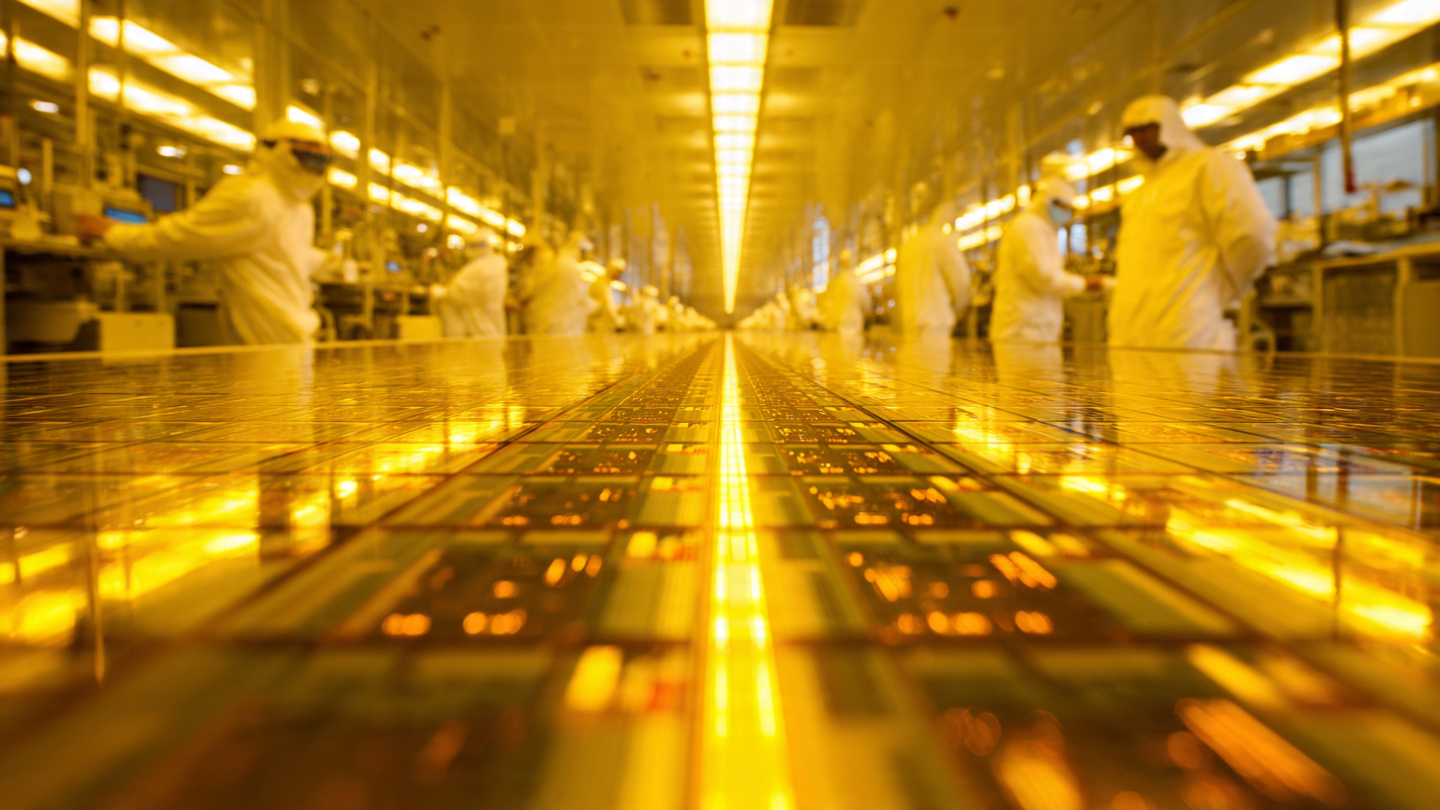
Micron Went From $70 Billion to $1 Trillion in 12 Months. The Memory Shortage Behind It Is Taxing Every AI Query You Run.
Micron’s 14x market cap explosion is the fastest wealth creation event in semiconductor history. The engine is a structural HBM shortage that won’t ease until 2028 — and an original per-server cost analysis reveals memory now costs more than the GPU itself in an AI data center, a hidden tax flowing downstream into every phone, laptop, and gaming PC you buy.
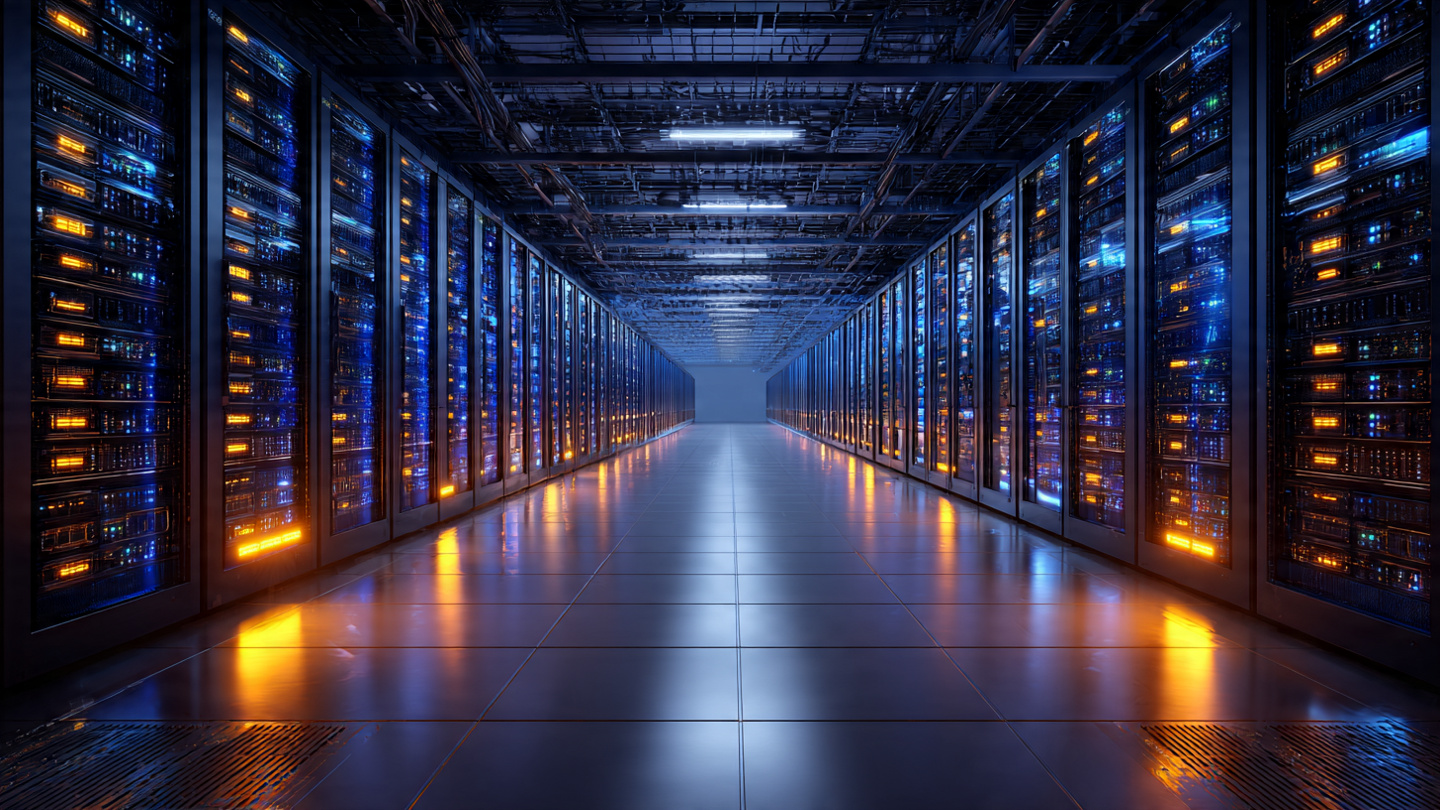
Anthropic Will Pay $40 Billion to Rent 220,000 GPUs From a Rival. The Implied Rate Is Twice What AWS Charges.
SpaceX's S-1 filing reveals Anthropic pays $1.25 billion per month for xAI's Colossus supercomputers through 2029. At 220,000 GPUs across both clusters, the implied rate works out to $7.78 per GPU-hour — roughly double what AWS charges for on-demand H100 compute. The premium reveals what guaranteed scale is actually worth in frontier AI.

One Company Made $75 Billion Selling AI Chips Last Quarter. The Vatican Just Noticed.
Pope Leo XIV's 42,300-word encyclical demands AI be "disarmed" like nuclear weapons. His claim that AI power is concentrated in "a few" hands is mathematically verifiable: the Herfindahl-Hirschman Index for the AI accelerator market hits 6,550, 2.6 times the DOJ's monopoly threshold.
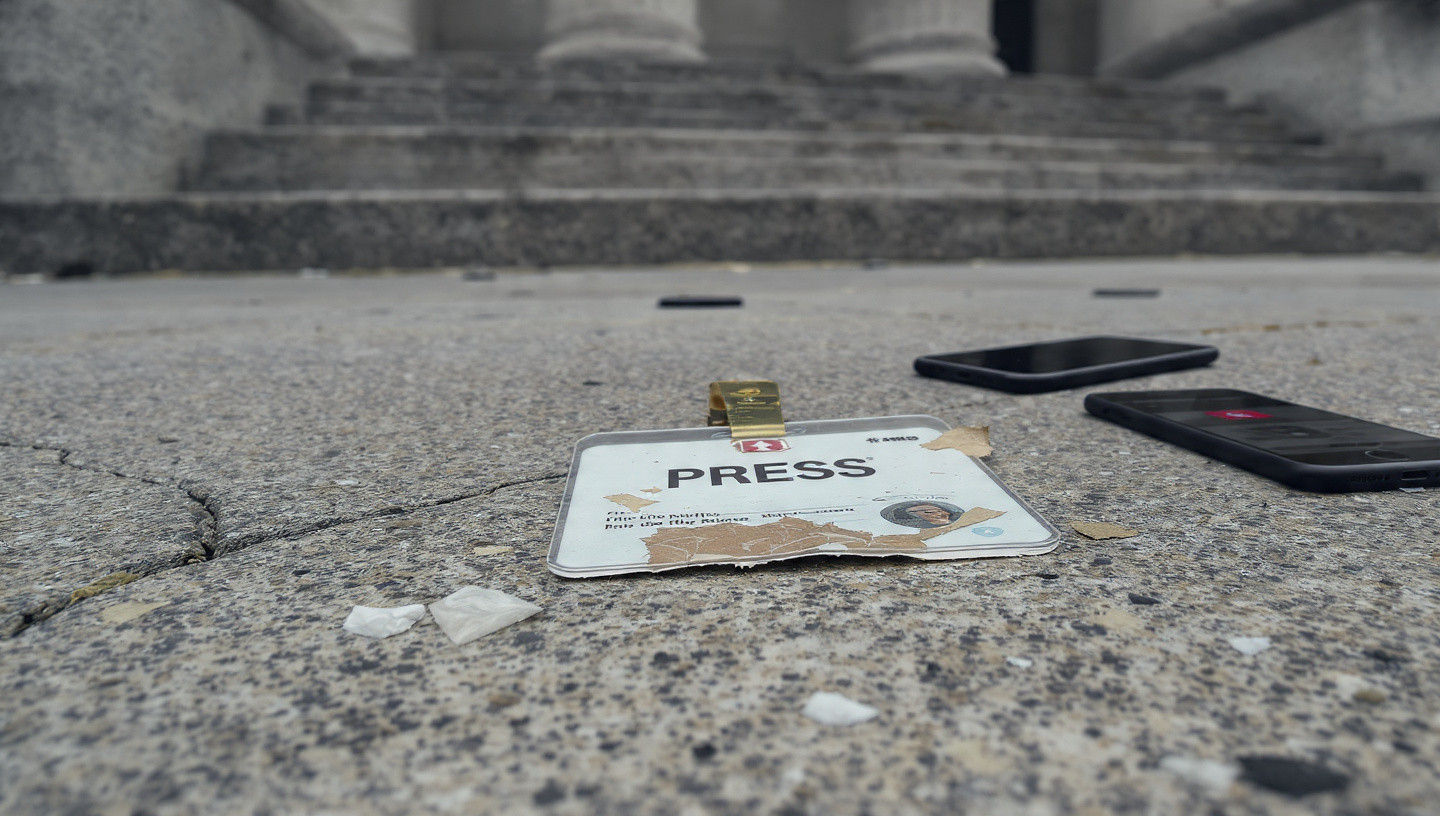
32 Press Passes, Zero Journalists: The Credential That Used to Mean Something
Three Mangione superfans got City Hall press credentials and told a murder victim's children to "enjoy the blood money." An OpenAI-linked operation publishes 94 AI-generated articles disguised as independent journalism. A TikToker sprayed baby oil on a courthouse crowd and gained 1,000 followers a day. The word "journalist" now means whatever the speaker needs it to mean.
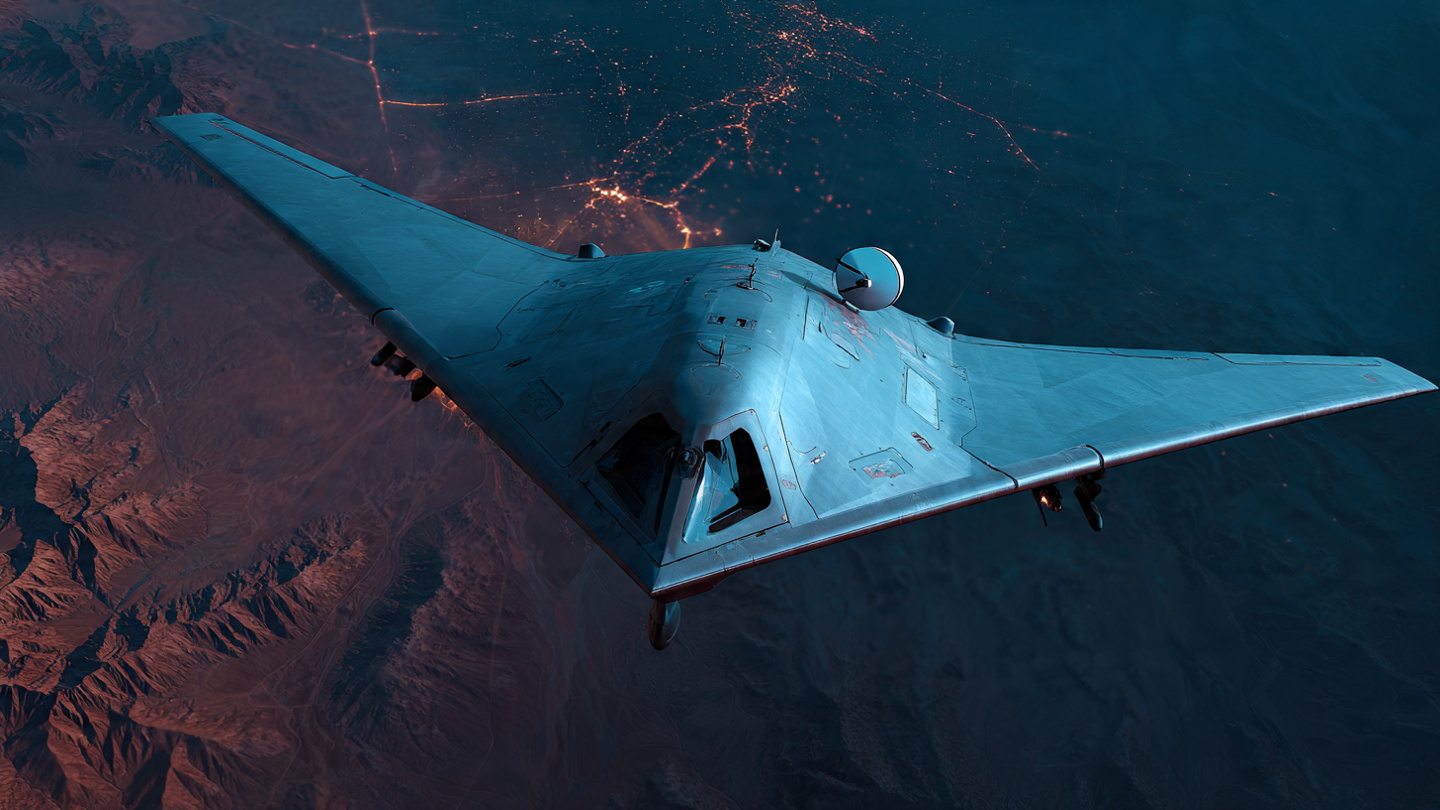
SpaceX Raised Its Military Starlink Fee 400% During a War. The Pentagon Paid It Because No Alternative Exists.
Weeks after the U.S. began bombing Iran, SpaceX told the Pentagon that Starlink connections on LUCAS suicide drones should cost $25,000 per terminal per month—up from $5,000—nearly doubling the price of each $30,000 drone. The Pentagon agreed. Separately, SpaceX proposed $500 million plus $100 million per month to activate direct-to-cell service for Iranian civilians. An original analysis of the expanding Starshield subscription base shows the Pentagon’s single-vendor satellite dependency could generate $1.7 billion in annual revenue for SpaceX, with zero competitive pressure on pricing.
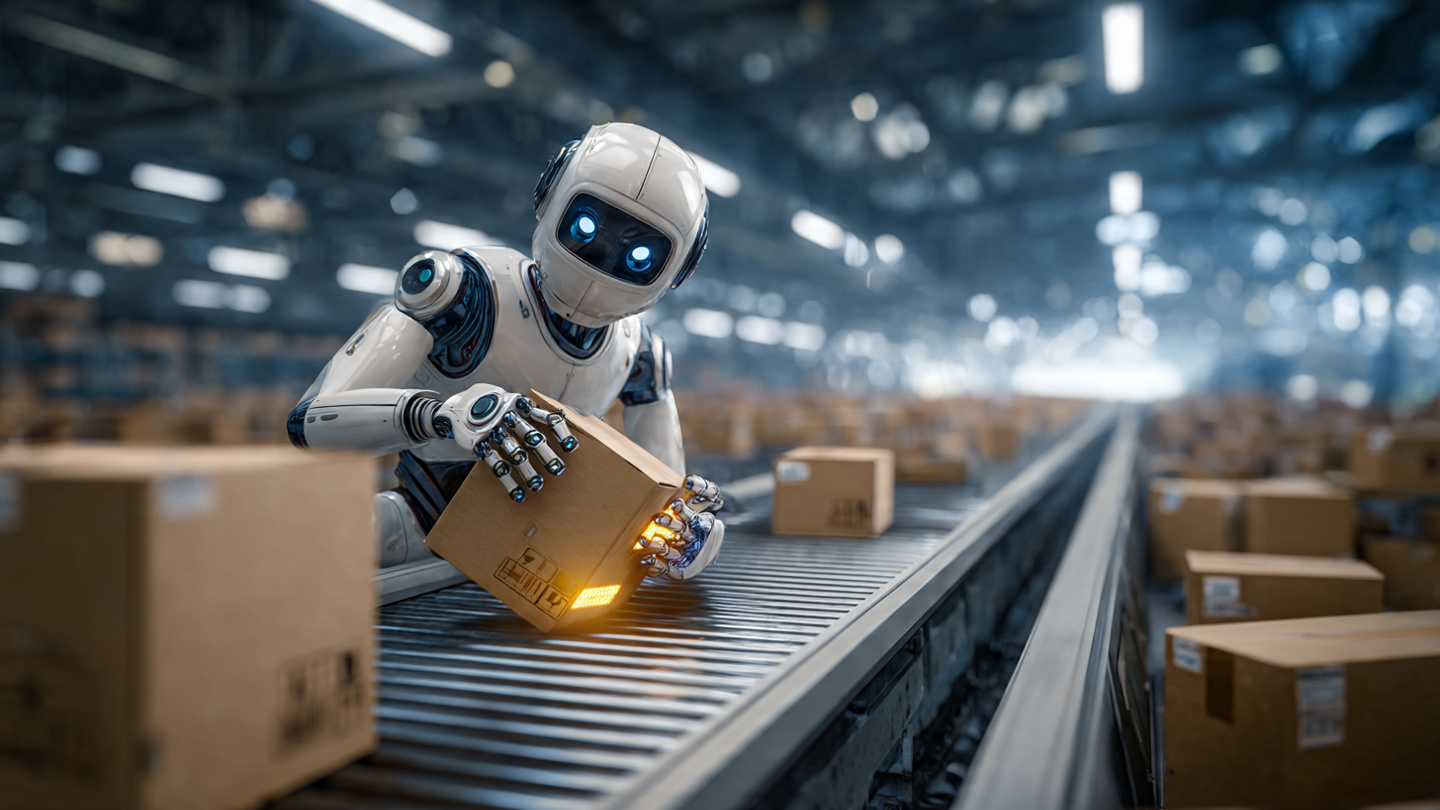
Figure AI’s Robots Sorted 250,000 Packages in 200 Hours With Zero Hardware Failures. The Human Who Raced Them Broke His Forearm.
Three Figure F.03 humanoid robots completed a 200-hour autonomous warehouse endurance test—25 times longer than planned—sorting nearly 250,000 packages without a single hardware failure. In a separate man-vs-machine sprint, a human intern named Aime beat the F.03 by 1.5 percent over ten hours, averaging 2.79 seconds per package to the robot’s 2.83. He finished with a broken forearm. The robots kept going for another 190 hours. An original cost-per-package analysis shows the three-robot system already undercuts a fully loaded human workforce by 34 percent on multi-day operations.

AI Agents Fail 72% of U.S. Healthcare Workflows. When Two Agents Negotiate, They Fail 100%.
CHI-Bench, the first long-horizon healthcare benchmark for AI agents, tested 30 frontier models from Anthropic, OpenAI, Google, x.AI, DeepSeek, and Z.ai across 75 real clinical workflows. Anthropic's best agent completed 28% of cases on a single try. On three consecutive attempts at the same case, no agent cleared 20%. When a provider agent submitted a prior authorization and a separate payer agent reviewed it, zero cases passed. An original cost-per-case analysis shows the best AI agent costs three to five times more than a human coordinator and delivers far worse reliability.

Google Bet $190 Billion on Agents. Anthropic Hit $30 Billion ARR. Trump Killed the Only Guardrail.
Google I/O unveiled Gemini 3.5, Antigravity 2.0, and Android XR glasses. Anthropic projected its first profitable quarter at $10.9 billion. The White House scrapped AI oversight hours before signing. Karpathy defected to Anthropic. SpaceX filed a $1.75 trillion IPO. And 11,000 workers lost their jobs at Meta and Intuit to fund it all. Seven stories that rewired the AI industry in a single week.
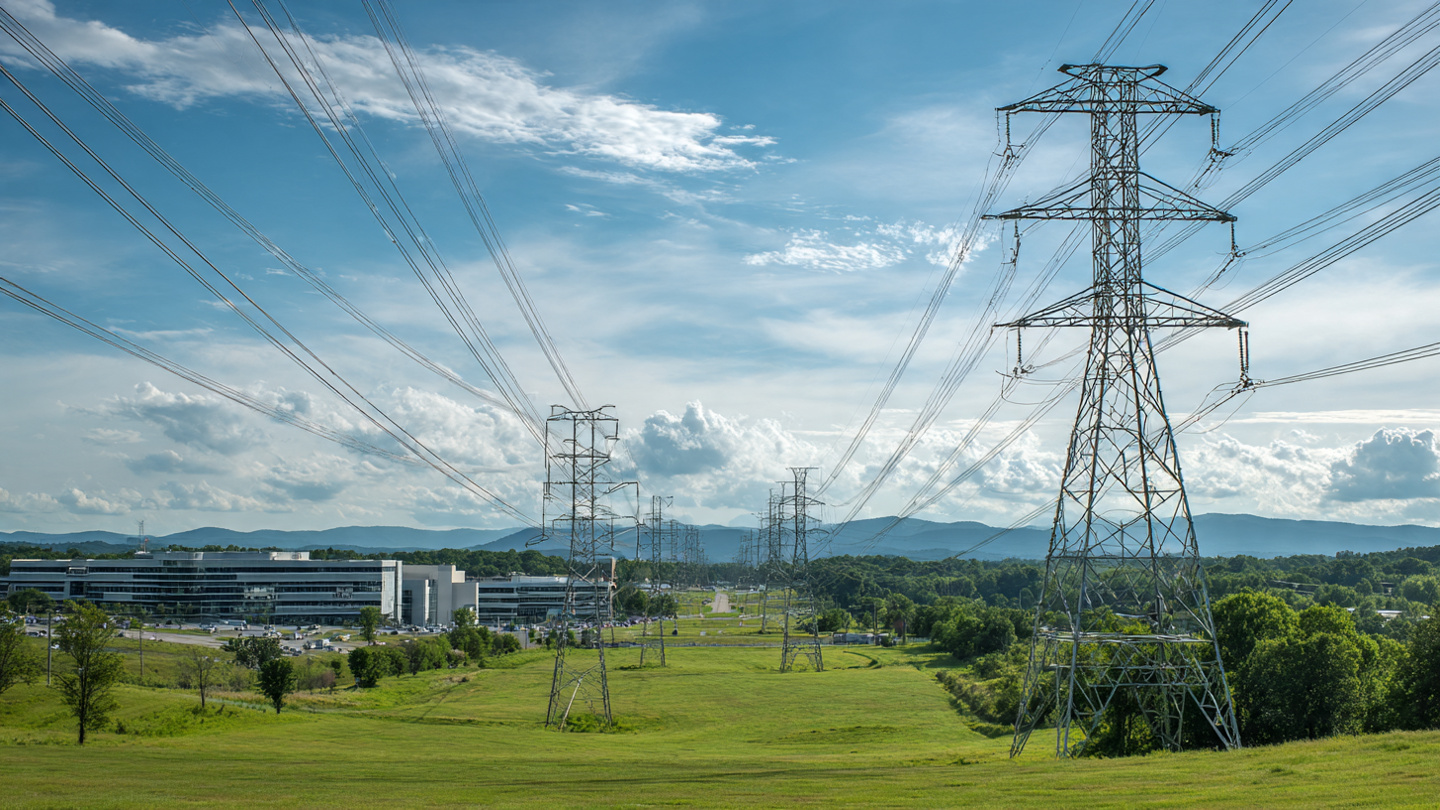
NextEra’s $67 Billion Dominion Bet: A Utility Merger Built on 51 Gigawatts of AI Promises and a $26/Month Sweetener
The largest U.S. utility acquisition since Exxon-Mobil creates a $249 billion energy colossus with 110 GW of generation assets and 130 GW of data center pipeline. Dominion brings the densest concentration of data centers on Earth. NextEra brings the largest electric rate hike in American history. An original per-household calculation reveals the bill credit math.

An AI Just Disproved a Conjecture That 80 Years of Mathematicians Couldn’t. The Proof Uses Math Most of Them Don’t Know.
OpenAI's internal reasoning model autonomously disproved Erdős's 1946 unit distance conjecture by bridging plane geometry to deep algebraic number theory, a cross-domain leap that nine world-class mathematicians, including Fields Medalist Tim Gowers, have now verified. Numerically, the improvement is a modest exponent of 0.014. The epistemological implications are not modest at all.
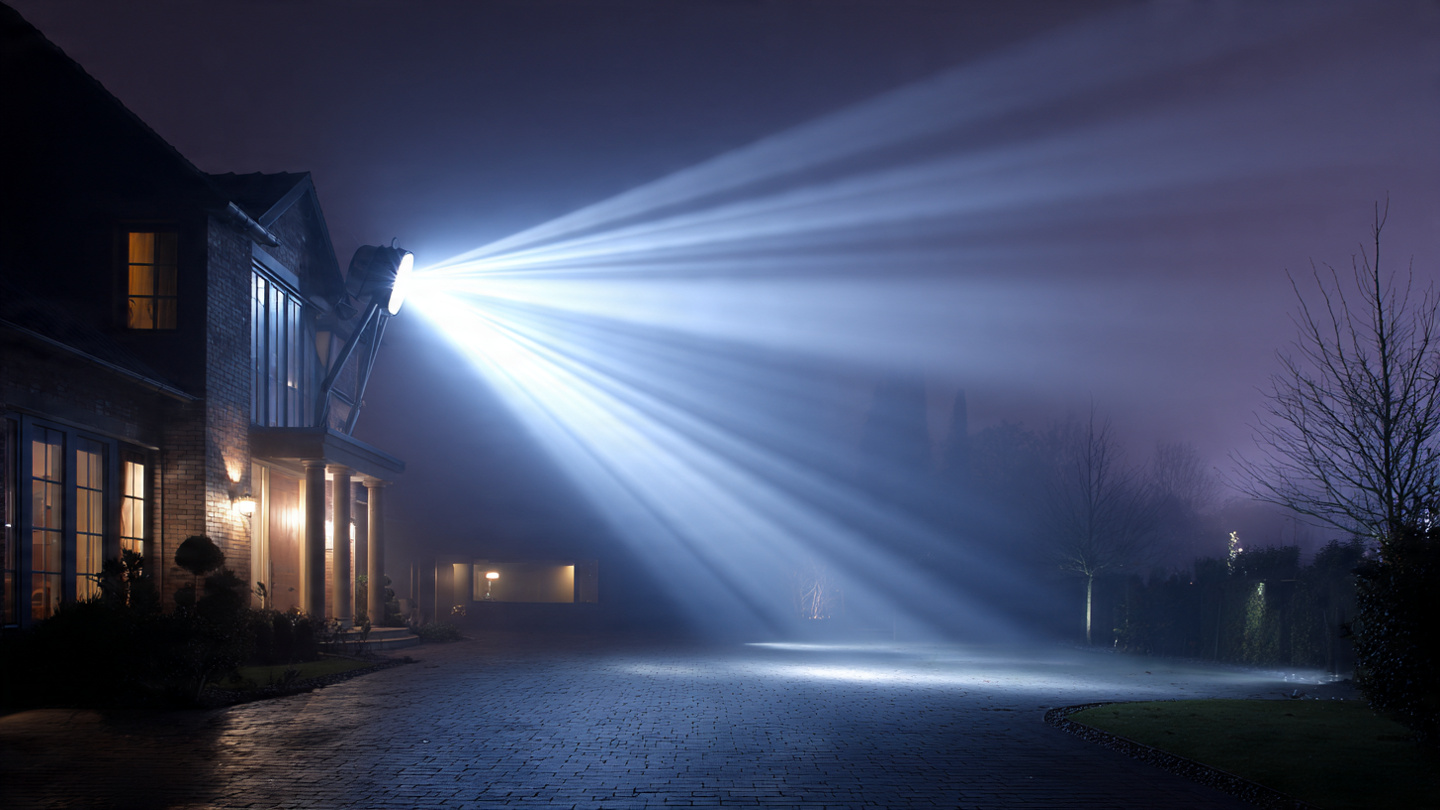
A 600,000-Lumen Security Light Is Probably Legal. Here's the Math.
A Russian builder strapped a 7kW xenon short-arc lamp to a portable frame and produced 600,000+ lumens — brighter than 60 stadium floodlights. We ran the FAA regulations, California county codes, and the electrical physics to find out whether you could legally wire one to your balcony as a perimeter alarm system.
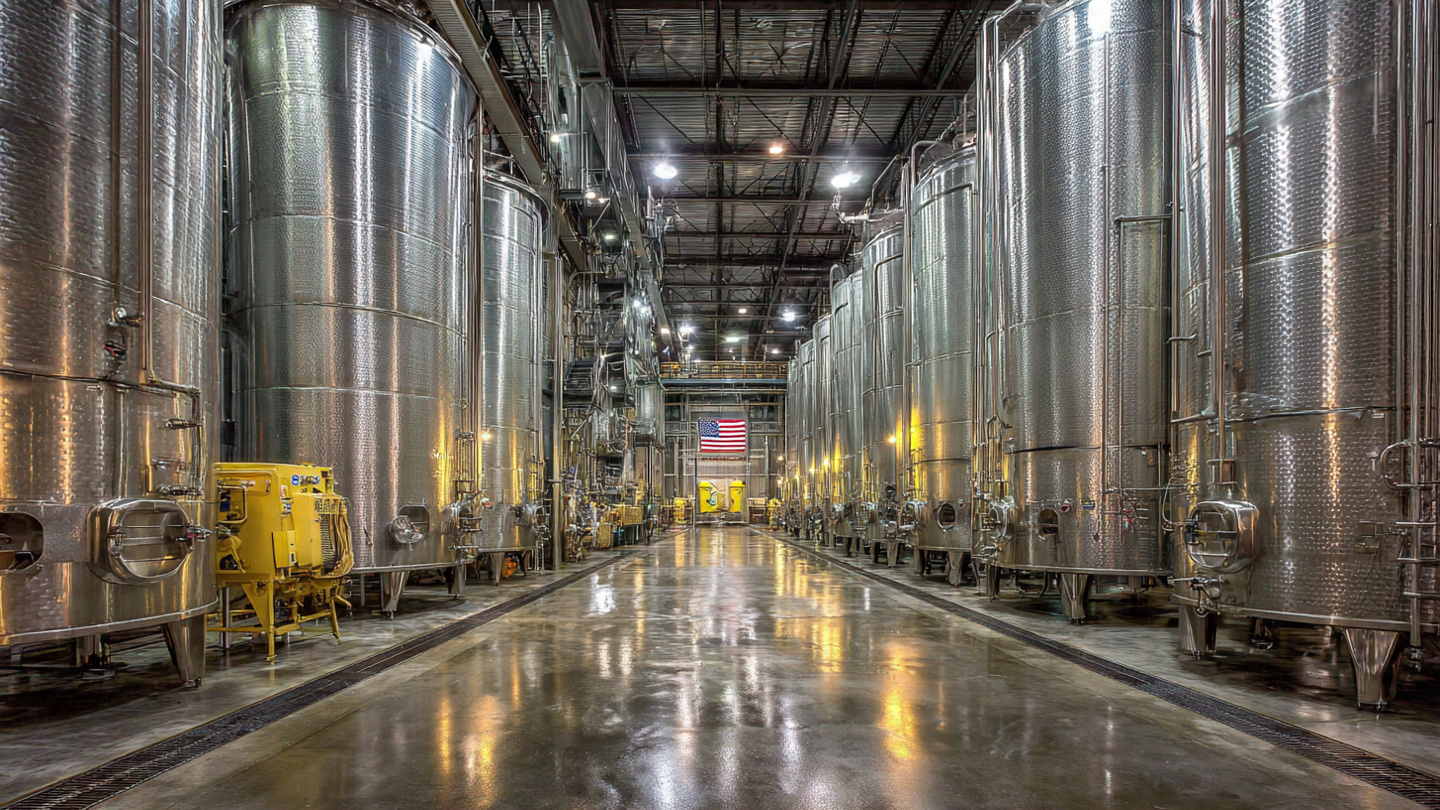
The US Is Spending $500 Million to Grow Protein in Steel Tanks. The Math Says It Needs 20 Times More.
BioMADE, the Pentagon-backed biomanufacturing consortium, is building three precision fermentation pilot plants across California, Iowa, and Minnesota with a combined tank capacity of roughly 24,000 liters. A single commercial fermentation facility runs at 200,000 liters or more. The precision fermentation market is projected to reach $36 billion by 2030, and US companies cannot scale prototypes domestically. They ship their engineered microbes overseas instead, handing core intellectual property to competitors in China and Europe who already operate at 10 to 50 times the capacity America is building.

Rocket Soot Is 540× More Potent Than Tailpipe Exhaust. Megaconstellations Now Own 42% of the Climate Bill.
A peer-reviewed study published May 14 in Earth's Future quantifies what the space industry has avoided measuring: black carbon deposited by kerosene-burning rockets into the stratosphere produces 540 times the instantaneous radiative forcing per gram of soot from surface-level combustion. Megaconstellation missions—primarily Starlink—will account for 42% of all space-sector climate forcing by 2029. The actual launch rate already exceeds the model's projections.
More articles load as you scroll.