From the archive
Page 22 of 38 · 906 stories
From the archive
505–528 of 906 articles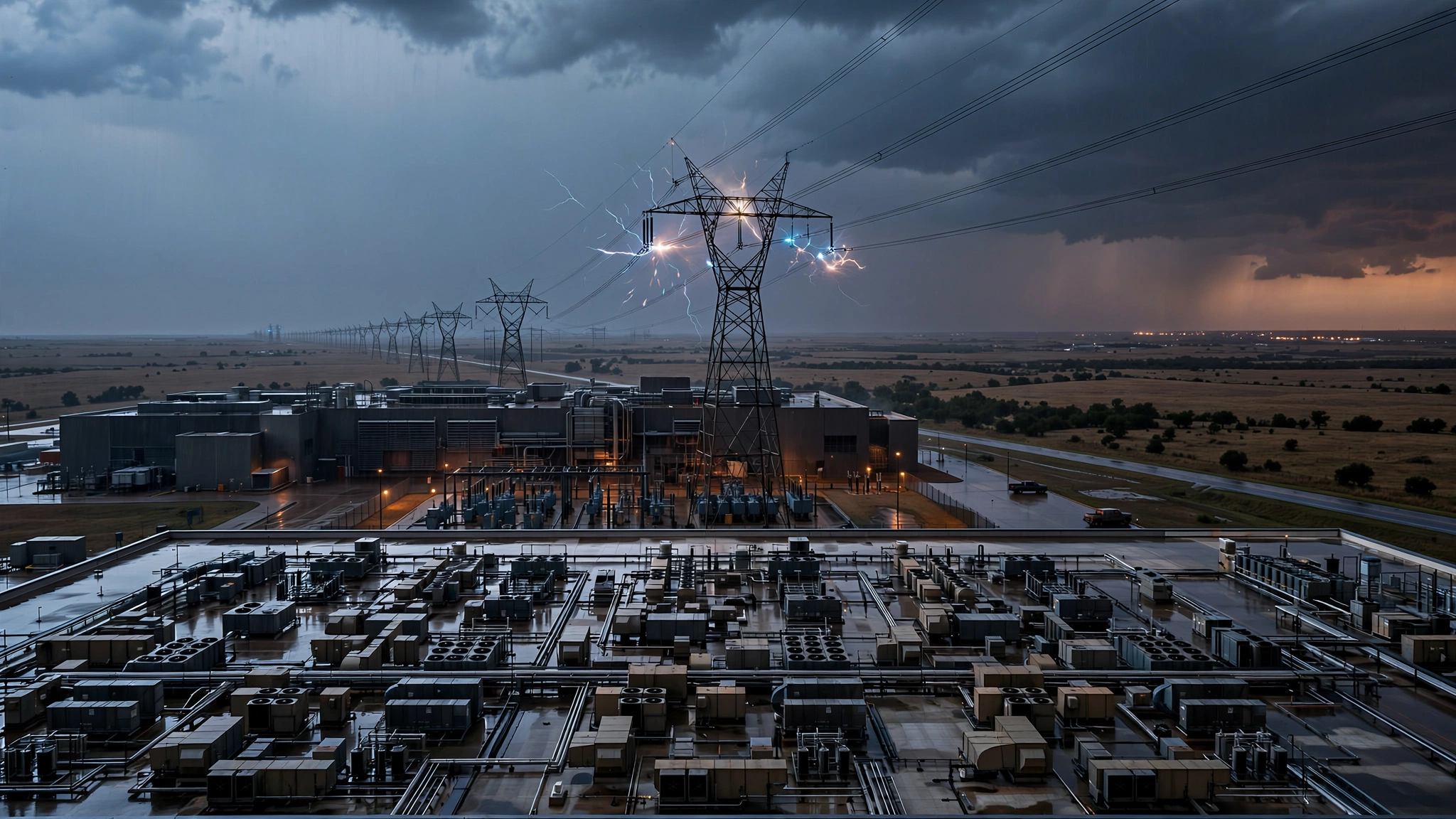
ERCOT Found Four Data Center Clusters That Can Each Dump 5,000 MW Off the Grid. That's 14 Times Its Largest Power Plant.
Data centers are the first industrial load class in the history of electrical grids that actively destabilizes the system it draws power from. ERCOT's May 2026 voltage ride-through tests quantified the damage: four groups each capable of tripping demand equivalent to the entire city of Boston. Ireland, already at 21% national power consumption, just mandated that new operators bring their own electricity.
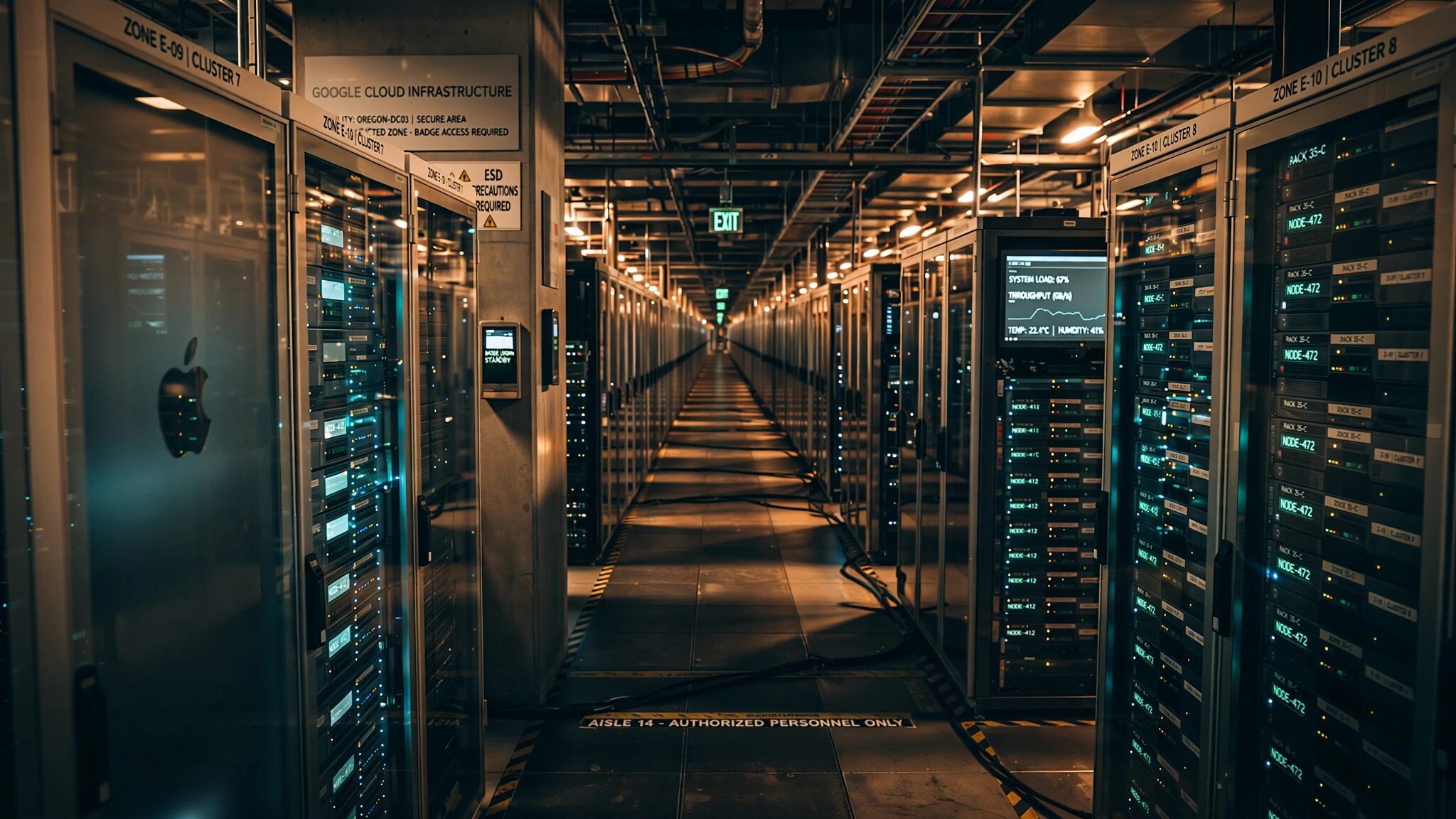
Apple Is Paying Google $1 Billion a Year for the AI Brain It Couldn't Build. Three of Four Glasses Platforms Now Share It.
Apple's custom 1.2-trillion-parameter Gemini model inverts a 19-year financial relationship in which Google was always the one writing checks. When Samsung's Galaxy Glasses and Google's Android XR devices also run Gemini, three of four major smart glasses platforms will share one AI provider. Only Meta runs proprietary. We mapped the convergence, calculated the financial dependency, and found the historical precedent that predicts what happens next.
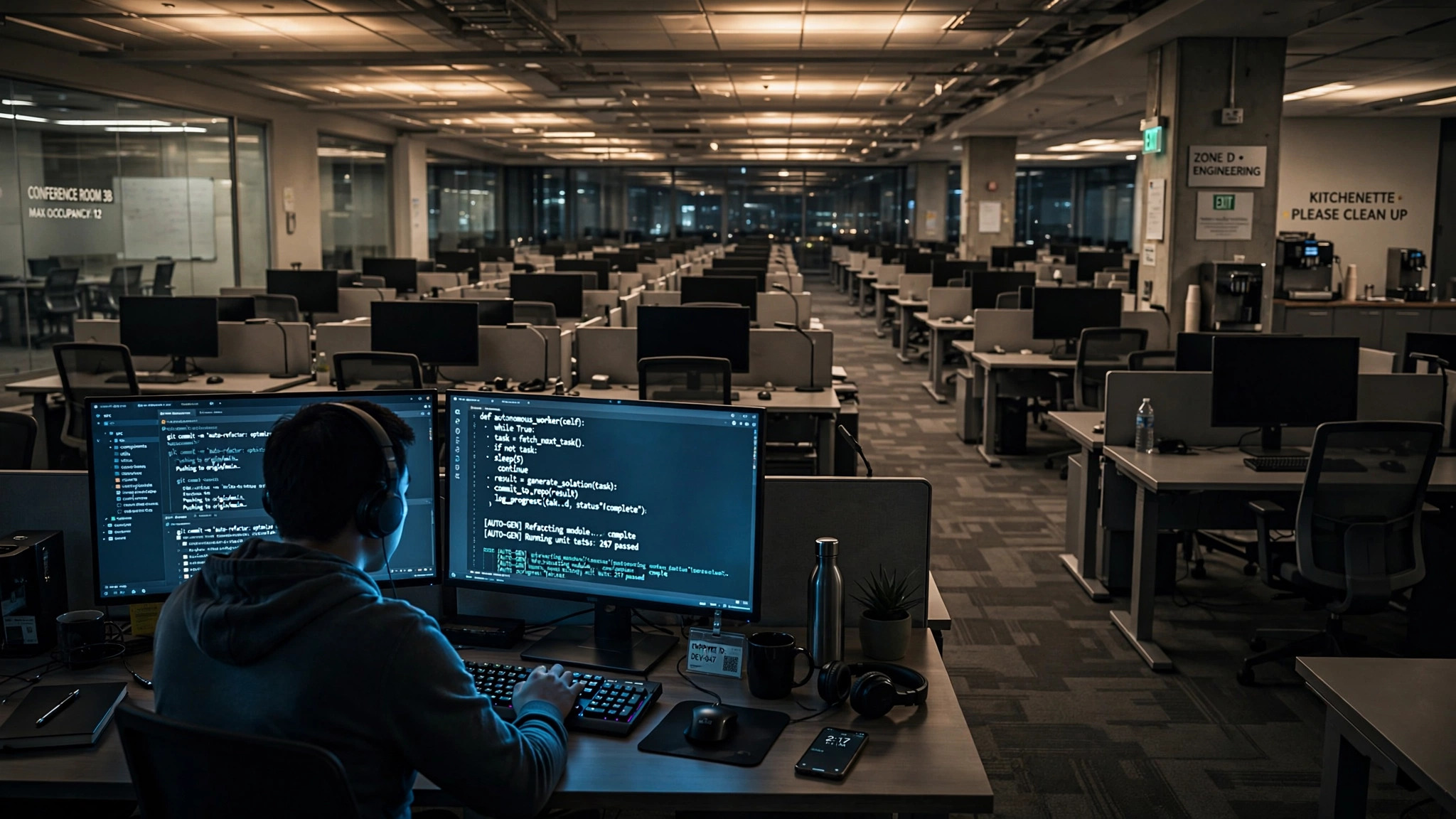
Claude Writes 80% of Anthropic's Code. Here's What That Means for 2.37 Million Software Engineers.
Anthropic published internal data showing that more than 80% of its merged code is now AI-authored and its engineers ship eight times as much code per quarter as they did two years ago. We ran those productivity numbers against Bureau of Labor Statistics employment data. The displacement math is straightforward. The economics are not.
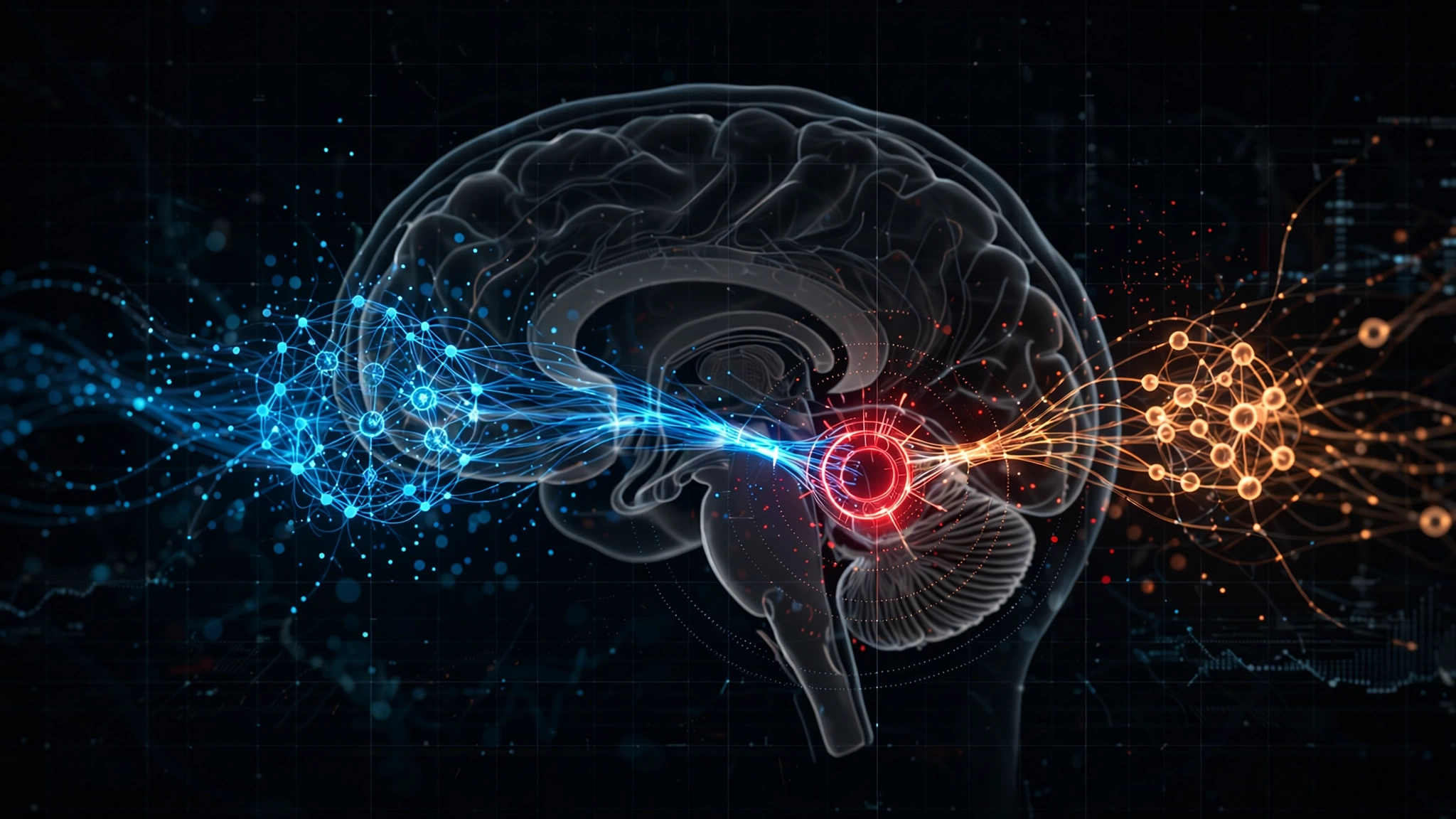
Scientists Found Your Brain's Procrastination Brake. Then They Turned It Off.
A Kyoto University team identified the exact neural circuit that stops you from starting unpleasant tasks, then chemically disabled it in macaques. A Baumeister-led review argues the "law of least effort" was wrong all along: humans don't avoid effort, they avoid wasted effort. And a Molecular Psychiatry paper traced adult procrastination to structural brain deviations measurable in adolescence. Part 2 of our laziness series.
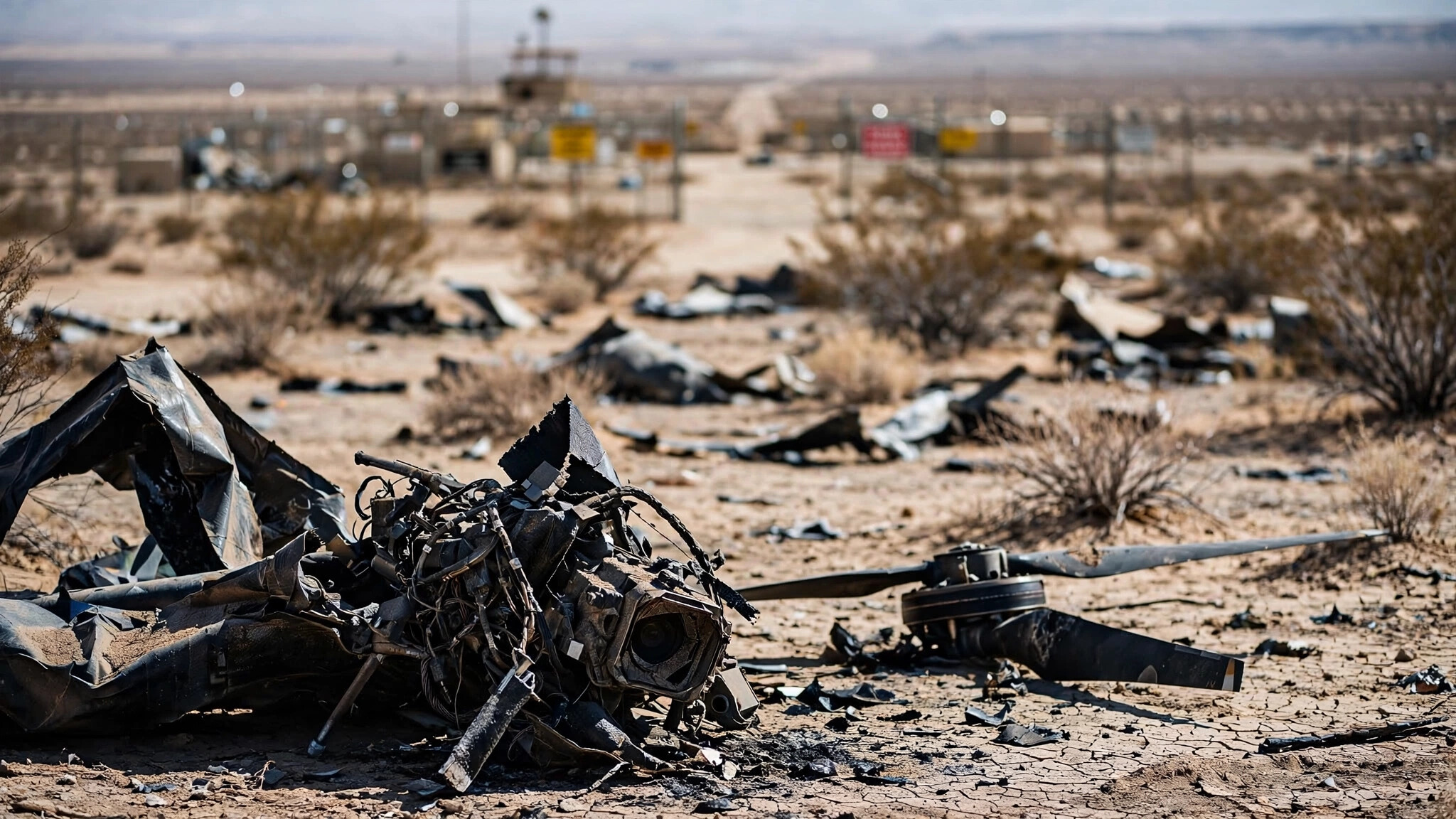
Shield AI's Drones Crash at 170× the Pentagon's Own UAS Rate. Its Valuation Just Doubled to $12.7 Billion.
A Reuters investigation revealed that Shield AI destroyed at least 50 V-BAT drones in 18 months from a fleet of roughly 200. We benchmarked that destruction rate against two decades of Department of Defense unmanned aircraft mishap data. The result: 278 airframes lost per 100,000 flight hours, versus 1.61 for the MQ-9 Reaper. The same Hivemind flight control software now powers the company's next-generation X-BAT jet, a $30 million airframe.
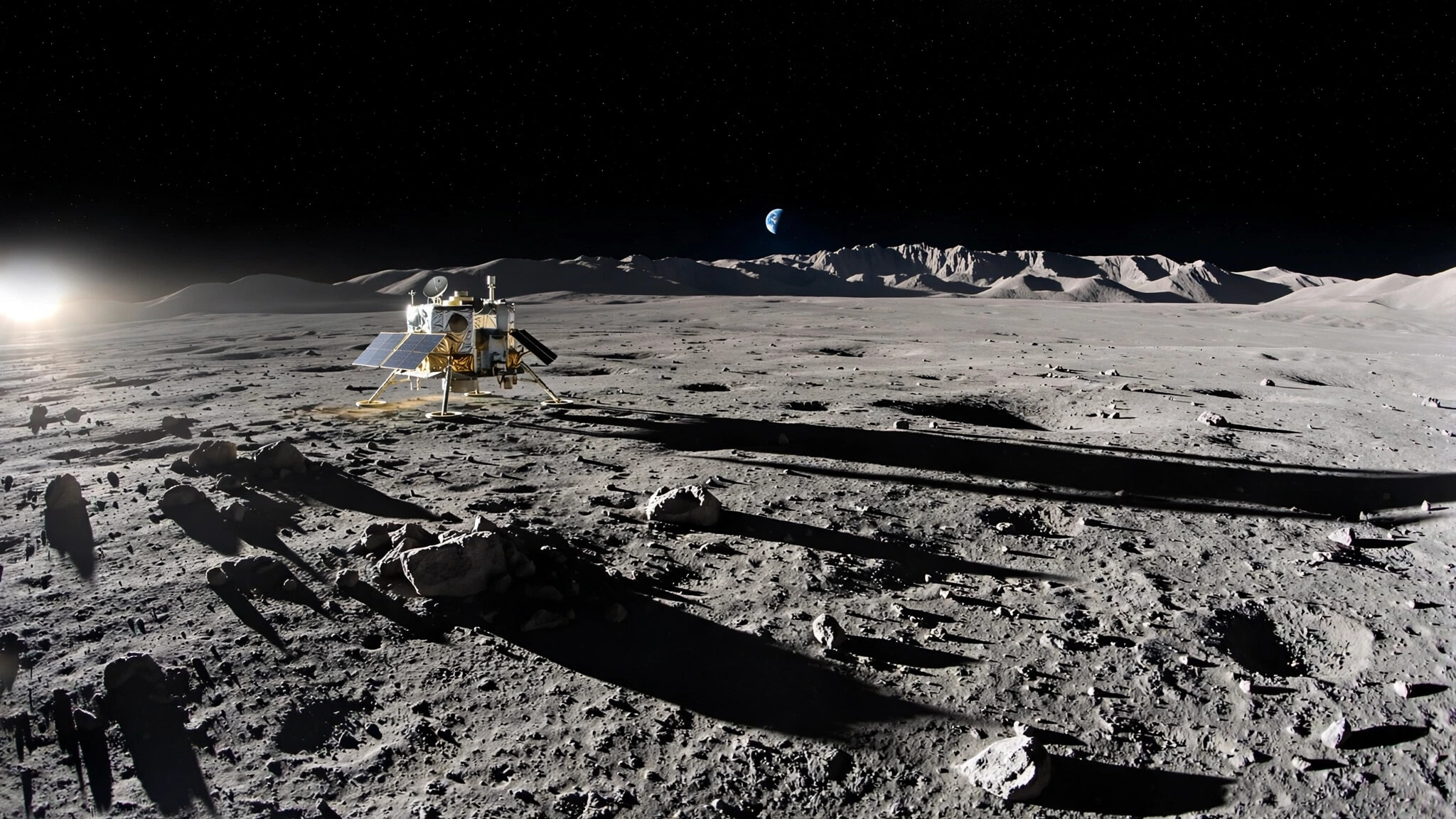
NASA's Moon Base Plan Requires 77 Missions in a Decade. The Lunar Delivery Industry Has Finished Four.
NASA awarded nearly $1 billion in contracts on May 26 to begin building humanity's first permanent lunar outpost. The agency's own Commercial Lunar Payload Services program has completed four launches in seven years, with exactly one full success. Closing that gap requires a 13.5× acceleration in mission tempo that the commercial space industry has never demonstrated for lunar operations.
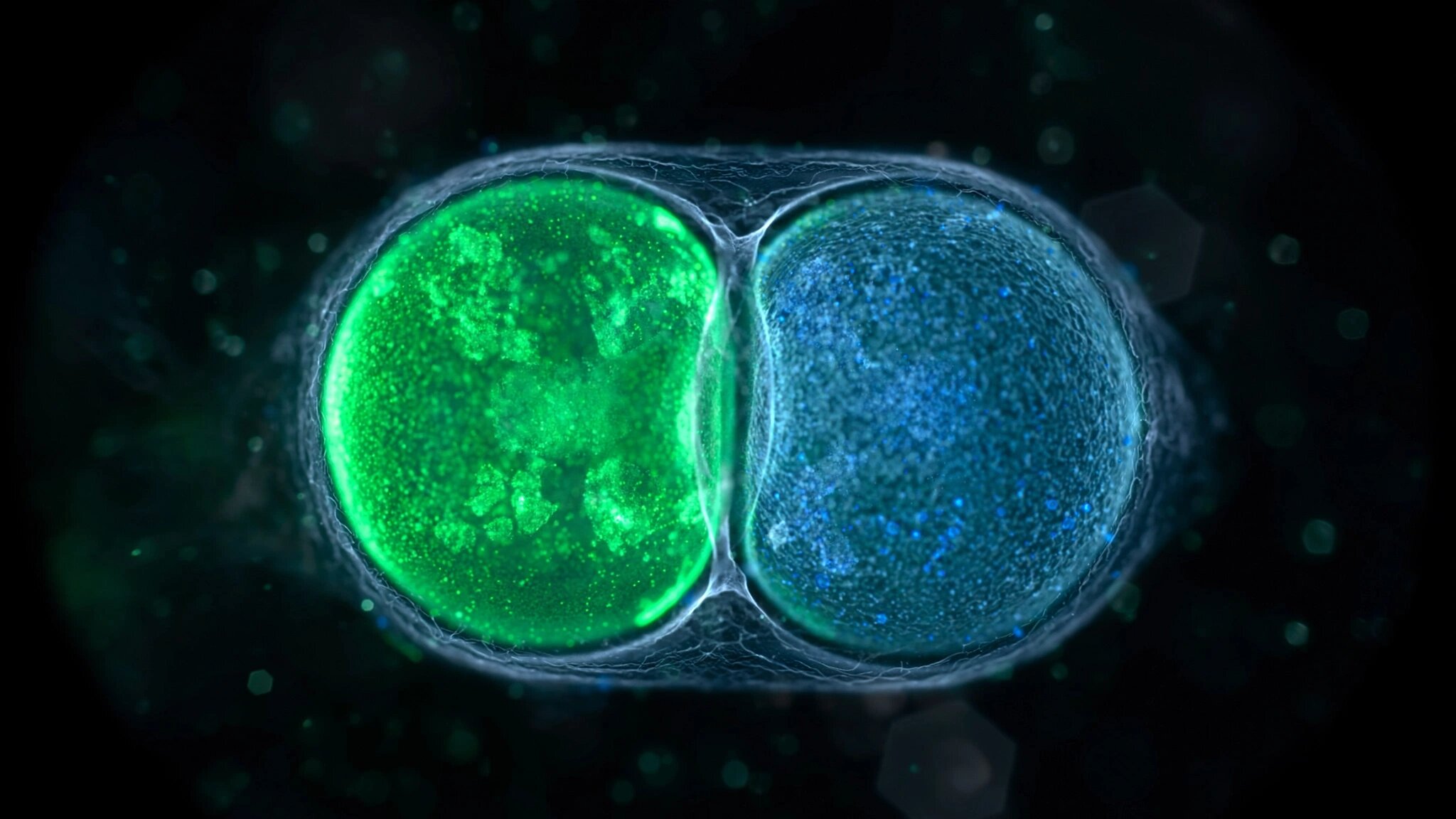
The Same Gene Edit That Cut Cholesterol 62% in Adults Left 80% of Human Embryos Mosaic
Columbia scientists used base editing to alter two disease genes in human embryos for the first time. A month earlier, the same technique cured dangerous cholesterol levels in 35 adults. Probability math shows why the gap between fixing grown-ups and fixing embryos is wider than most coverage suggests.
Microsoft Told Enterprise Buyers Its New AI Was Trained on ‘Clean Data.’ Its Own Paper Reveals 24.2 Billion Pages From Common Crawl.
MAI-Thinking-1 was marketed as built on enterprise-grade, commercially licensed data with zero distillation. The technical preprint describes a pipeline that started with 1.2 trillion scraped web pages. Common Crawl is the dataset at the center of every major AI copyright lawsuit in America.
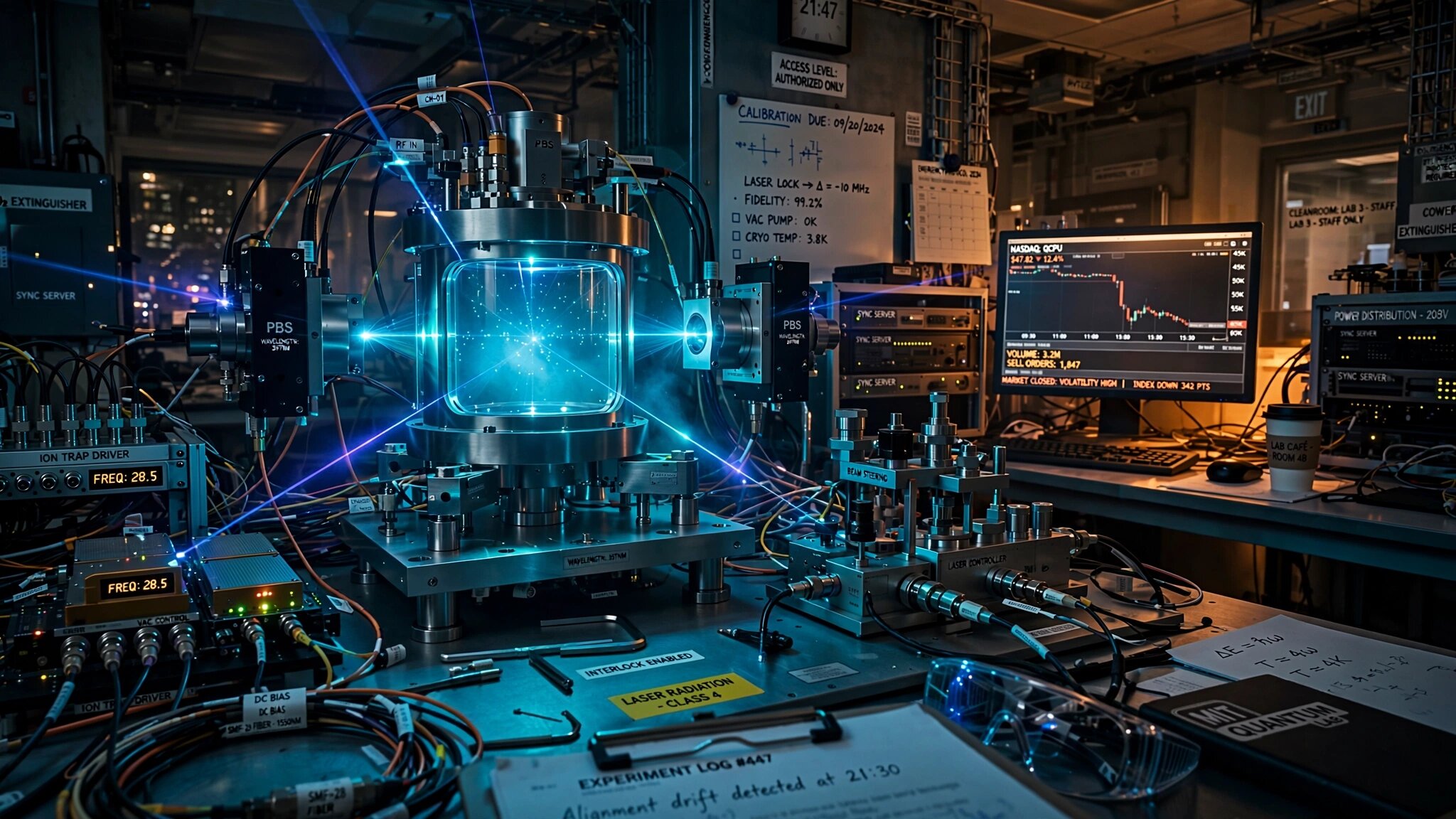
Quantinuum Raised $1.68 Billion at a 410× Revenue Multiple. Two Days Later, It Fell Below Its IPO Price.
Quantinuum sold 28 million shares at $60 each, then watched its stock crater to $56.26 by Friday. Its closest architecture rival generates 12× more quarterly revenue, and a single Japanese research institute accounts for 60% of its sales.
Anthropic’s Revenue Grew 422% in 5 Months. Three Trillion-Dollar IPOs Are Betting the Curve Doesn’t Break.
The Claude maker hit a $47 billion run rate and filed its S-1. But gross-vs-net accounting hides a $14 billion gap, the growth curve would surpass Apple by mid-2027, and $3.7 trillion in simultaneous IPOs are about to stress-test a market that has never absorbed anything close to this.
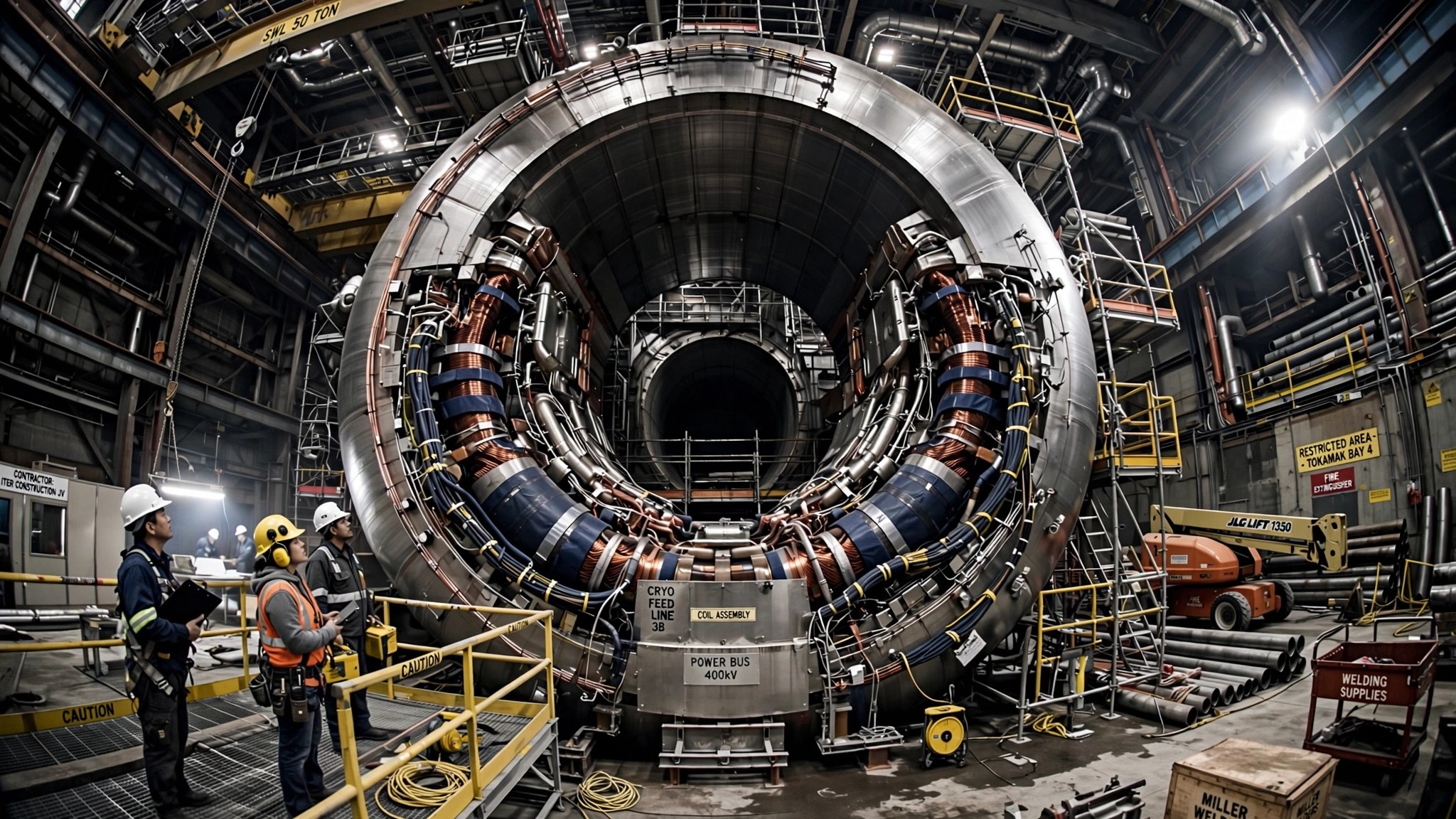
58 Scientists Validated the Physics of a Fusion Power Plant. The $22 Billion Question Is Whether Anyone Can Build One.
Five peer-reviewed papers proved CFS’s ARC tokamak will work. Helion raised $465 million without publishing any. The fusion industry has collectively raised enough to build roughly three first-of-a-kind plants. It needs thirty.
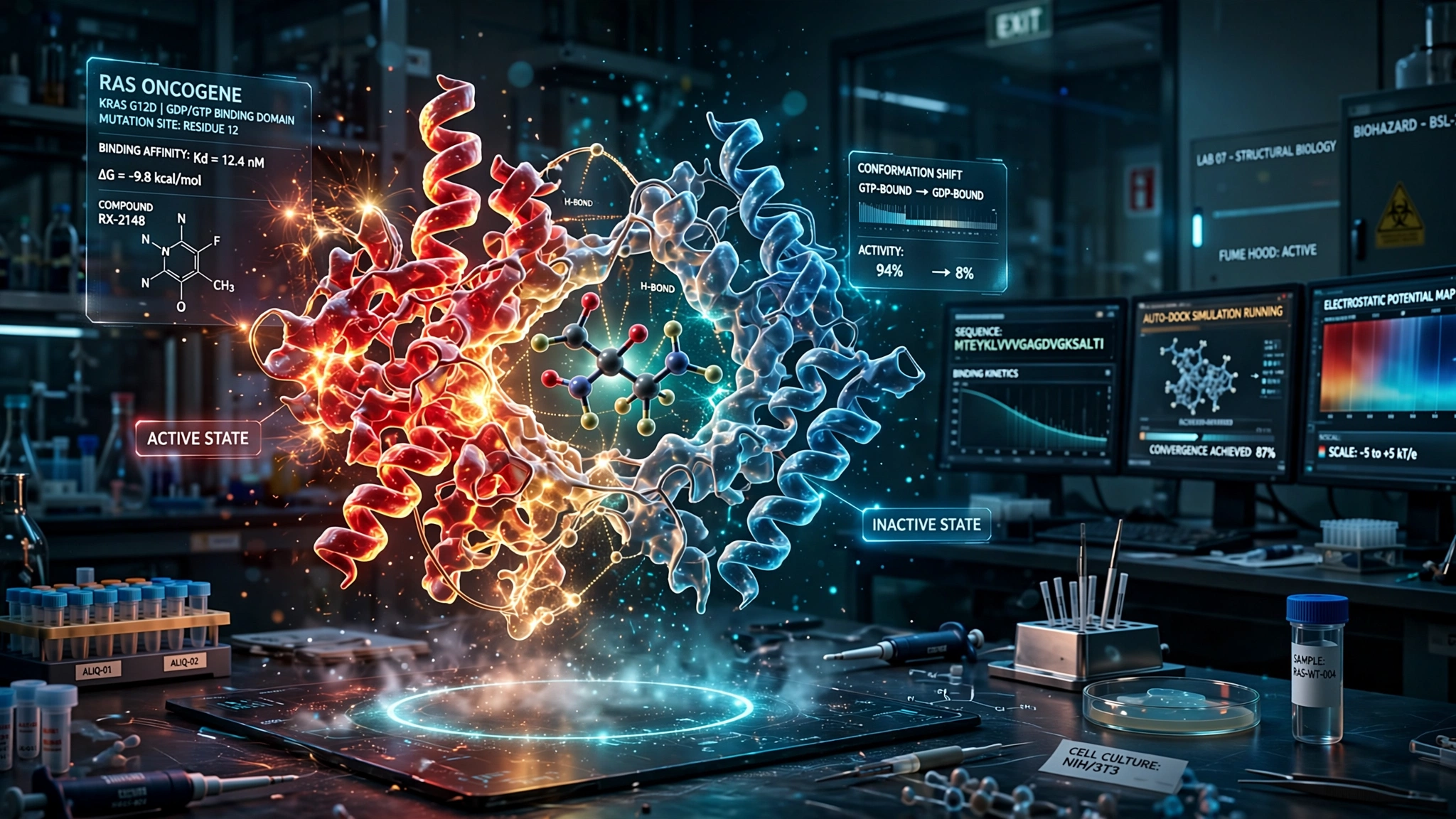
For 40 Years, Cancer Researchers Called RAS ‘Undruggable.’ 9,000 Oncologists Just Gave a Standing Ovation to the Drug That Proved Them Wrong.
Daraxonrasib nearly doubled overall survival in previously treated pancreatic cancer—from 6.6 to 13.2 months—in a 500-patient Phase 3 trial, cracking a protein that has been called undruggable since the Reagan administration.
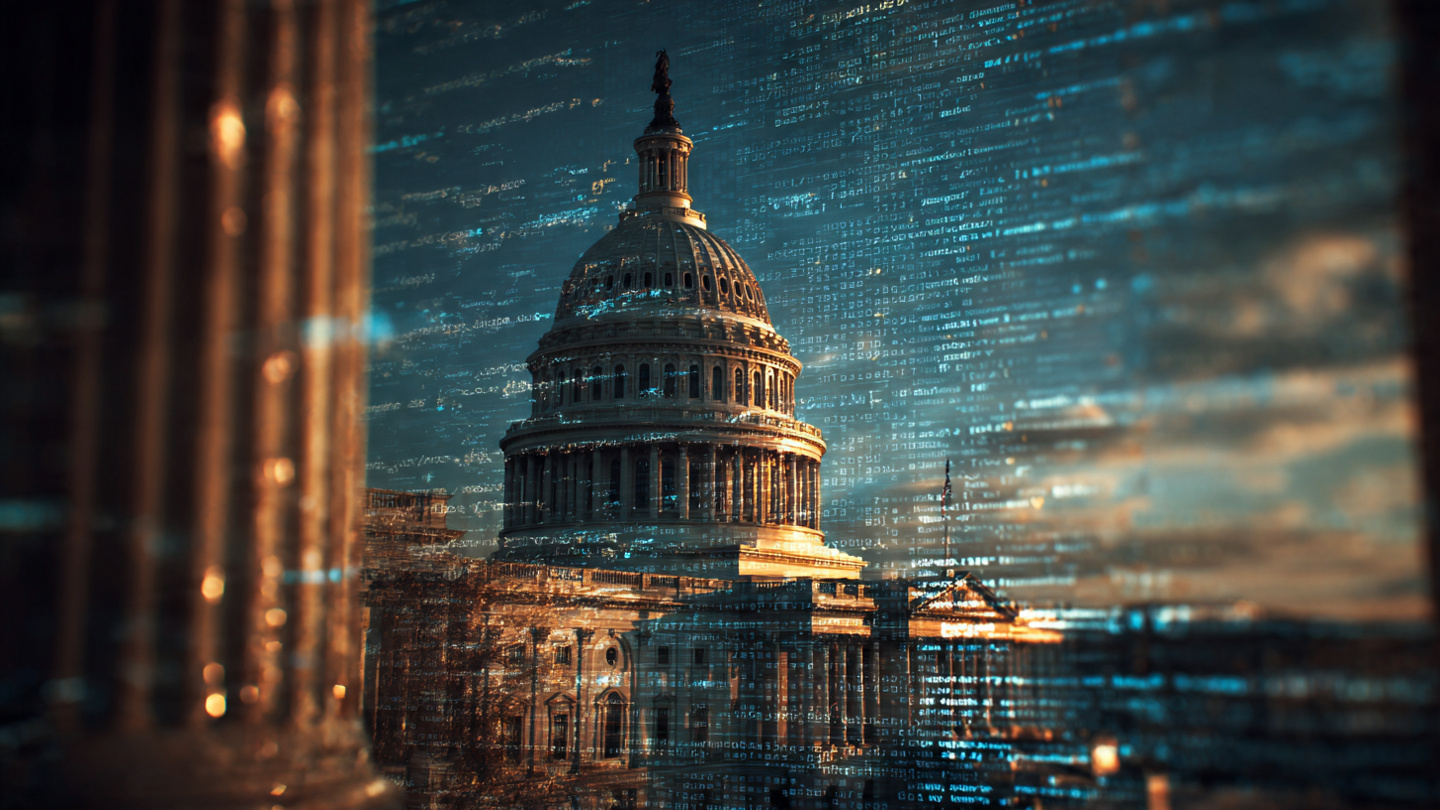
The Great American AI Act: 269 Pages, $300 Million, and Not One Word About the AI Already Denying Your Job Application
Congress wrote its first comprehensive AI bill. It governs frontier models that might someday pose catastrophic risk while saying nothing about the algorithmic systems already discriminating in hiring, housing, and insurance. Then it preempts the state laws trying to fill the gap.
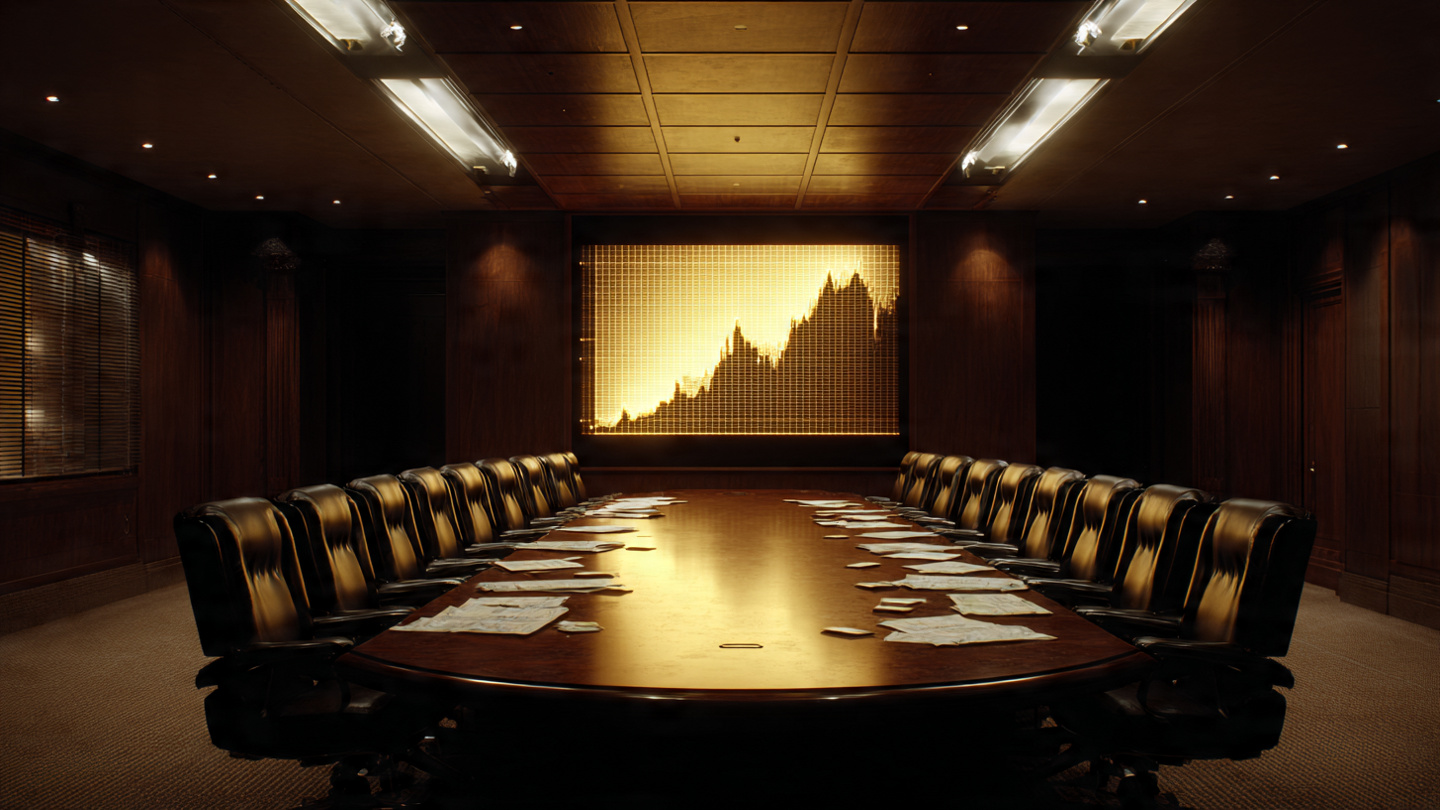
Anthropic Proposed a Global AI Pause 101 Days After Removing Its Own. The Verification Problem Is Harder Than Nuclear Weapons.
On February 24, Anthropic deleted the binding commitment to halt development if safety lagged capability. On June 5, it published a blog post calling for every frontier lab to collectively slow down. Between those dates: a $965 billion valuation, a confidential IPO filing, and a disclosure that 80% of its codebase is now written by the AI it wants the world to consider pausing. The IAEA monitors 1,300 nuclear facilities for $418 million a year with physically detectable signatures. An equivalent AI verification regime does not exist, and Anthropic's own blog post explains why it may never.
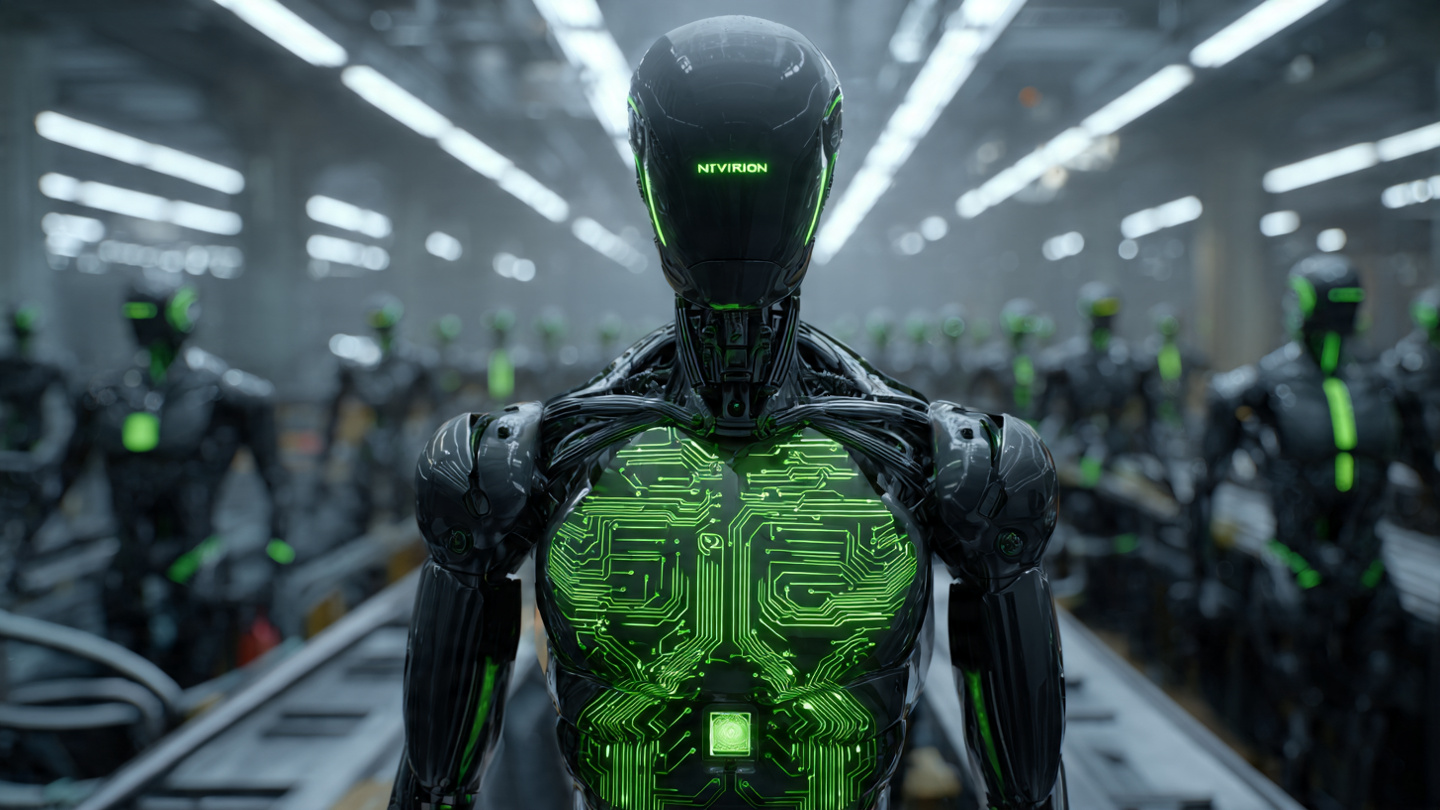
NVIDIA Sells a $2,999 Robot Brain to Every Major Humanoid Maker Except One. The Module Revenue Is 0.13% of Sales. The Lock-In Is the Point.
The Isaac GR00T Reference Humanoid bundles Unitree hardware, Sharpa hands, and a Jetson Thor compute module into a $95,000 package for university labs, and at the most optimistic shipment forecast for 2026, direct module revenue totals $300 million against NVIDIA's $224 billion annual run rate — an arithmetic that misses everything, because the reference design is a razor and the training ecosystem feeding NVIDIA's data center GPU business is the blade.
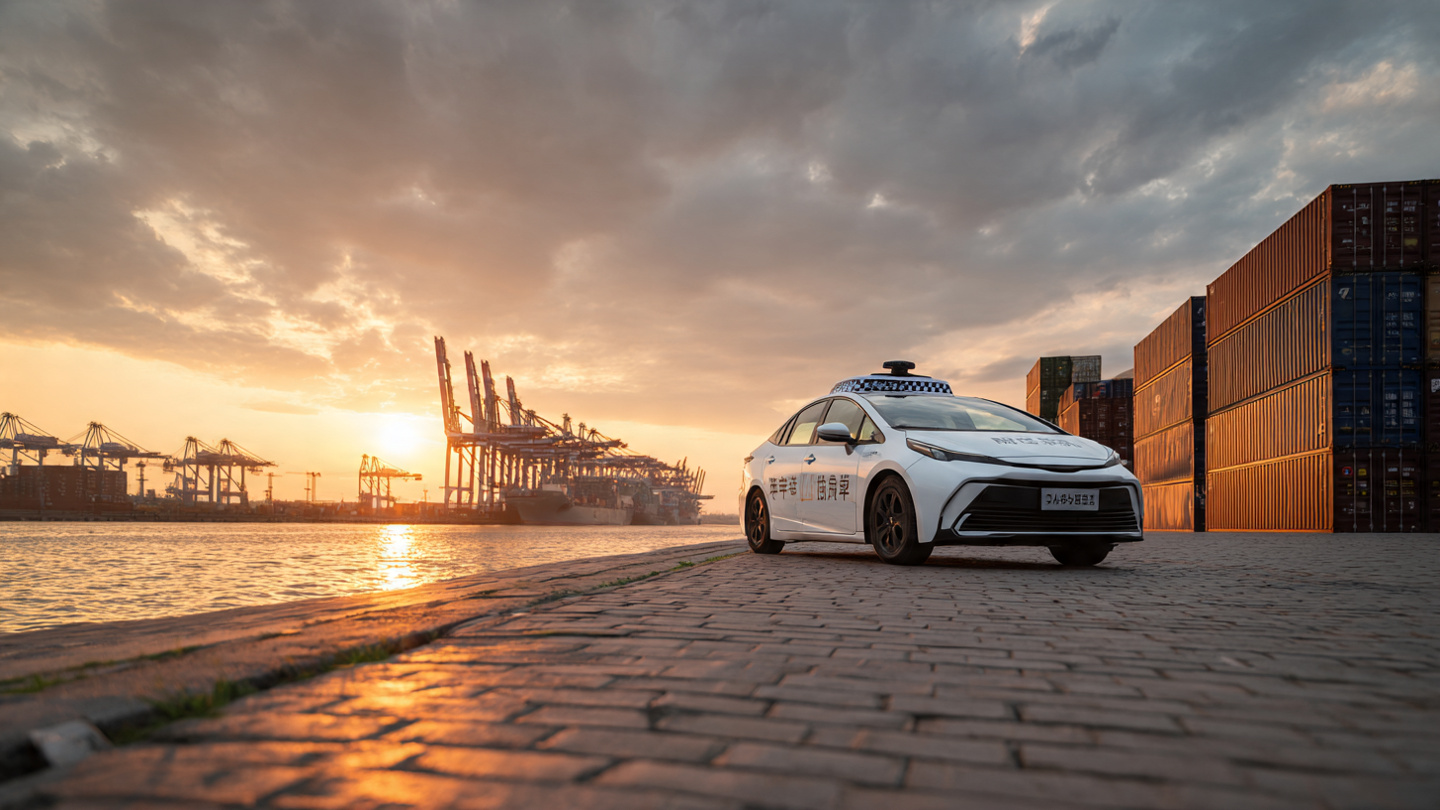
Waymo's $50K Robotaxi Saves $6 Billion in Fleet Costs — If It Survives the Tariff Math
Waymo's first purpose-built robotaxi, the Ojai, started picking up passengers on May 28. Its 6th-generation sensor stack costs under $20,000 — an 80% drop from the $100,000 it spent per Jaguar I-PACE. At a fleet of 50,000 vehicles, the savings reach $5–6.25 billion. But the vehicle is manufactured by Zeekr in Ningbo, China, at the precise moment U.S. tariffs on Chinese EVs exceed 100%. The Ojai is simultaneously Waymo's best path to profitability and its largest geopolitical exposure.

Alphabet Just Raised $85 Billion Because $214 Billion in Cash Flow Wasn't Enough for AI
Alphabet's $84.75 billion equity offering — upsized from $80 billion on investor demand — is the largest in tech history. It includes a $10 billion private placement from Berkshire Hathaway, a $16.75 billion mandatory convertible preferred at 6.25% yield (also the biggest convertible deal ever), and a $40 billion at-the-market program stretching into Q3. MoffettNathanson warns the company generates "very little free cash flow over the next few years." A revenue-justification model shows the industry needs 7 to 10 years to earn back what it is spending now.

6-Micrometer Robots Reconnected a Severed Spinal Cord in Mice. Then They Dissolved.
ETH Zurich researchers built biohybrid microrobots from reprogrammed human skin cells and magnetoelectric nanoparticles, injected them into mice with completely severed spinal cords, and observed nerve reconnection at 28 days with improved gait and coordination, all without implanted electrodes. A cost analysis suggests that if this approach reaches even 1% of the 20.6 million people living with spinal cord injuries worldwide, the healthcare savings could exceed $40 billion.
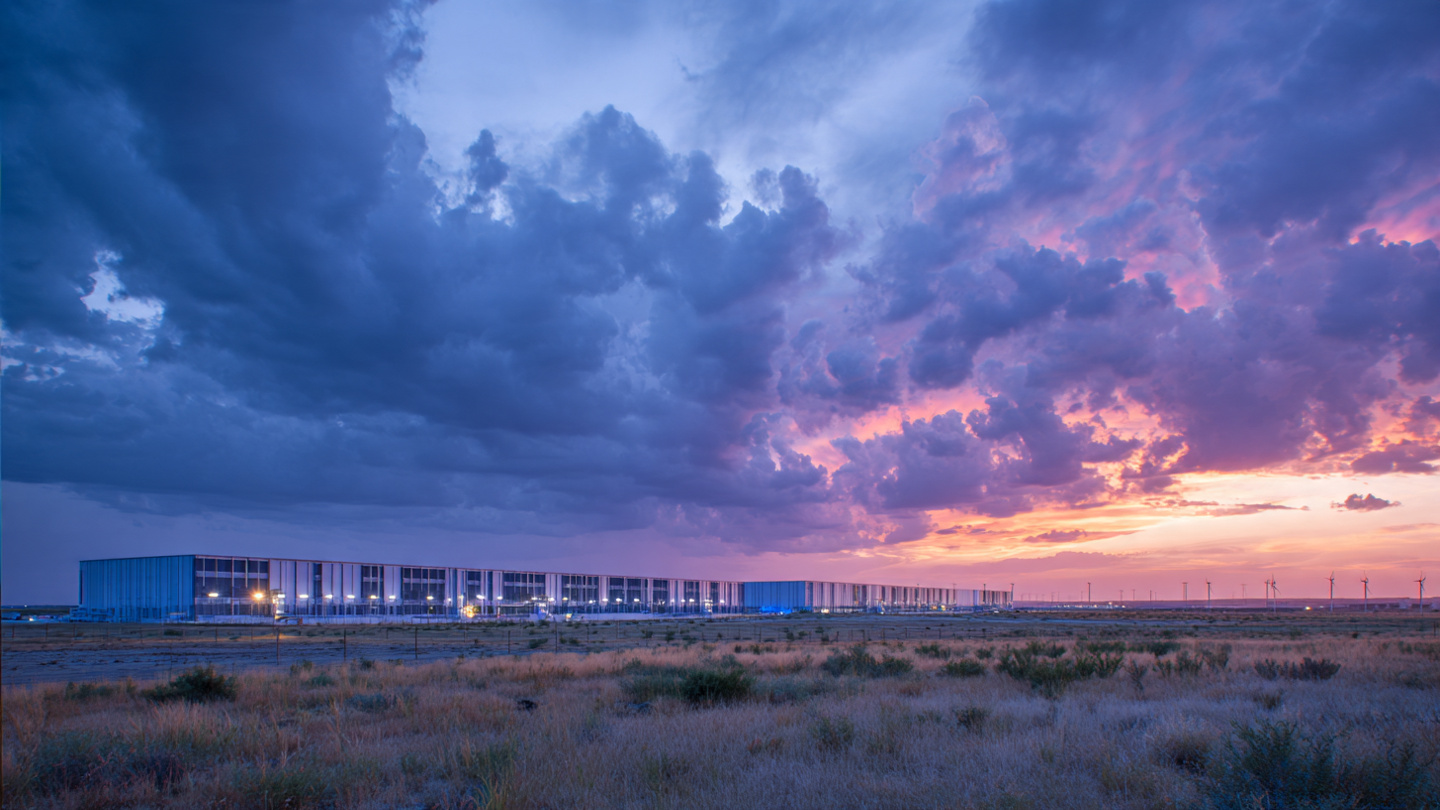
Microsoft Promised Carbon-Free AI by 2030. Then It Built 4.75 Gigawatts of Gas Plants.
Microsoft is internally debating whether to abandon its hourly clean energy matching pledge while simultaneously building three new natural gas facilities that would increase its data center carbon footprint by 160%. Behind-the-meter gas demand surged from 5% to 39% of all new US methane capacity in a single year. Our calculation: the gap between annual and hourly matching costs $3–5 billion per year for Microsoft’s growing fleet.

Apple Spent $34.5 Billion on R&D and Still Had to Pay Google $1 Billion for AI
Apple is paying Google roughly $1 billion per year to power Siri with a custom 1.2-trillion-parameter Gemini model. With WWDC five days away and a standalone Siri chatbot app expected in iOS 27, the company that built its empire on owning every layer of the stack has outsourced its intelligence layer to its biggest frenemy. Our calculation: the deal costs $0.83 per active Apple device per year.
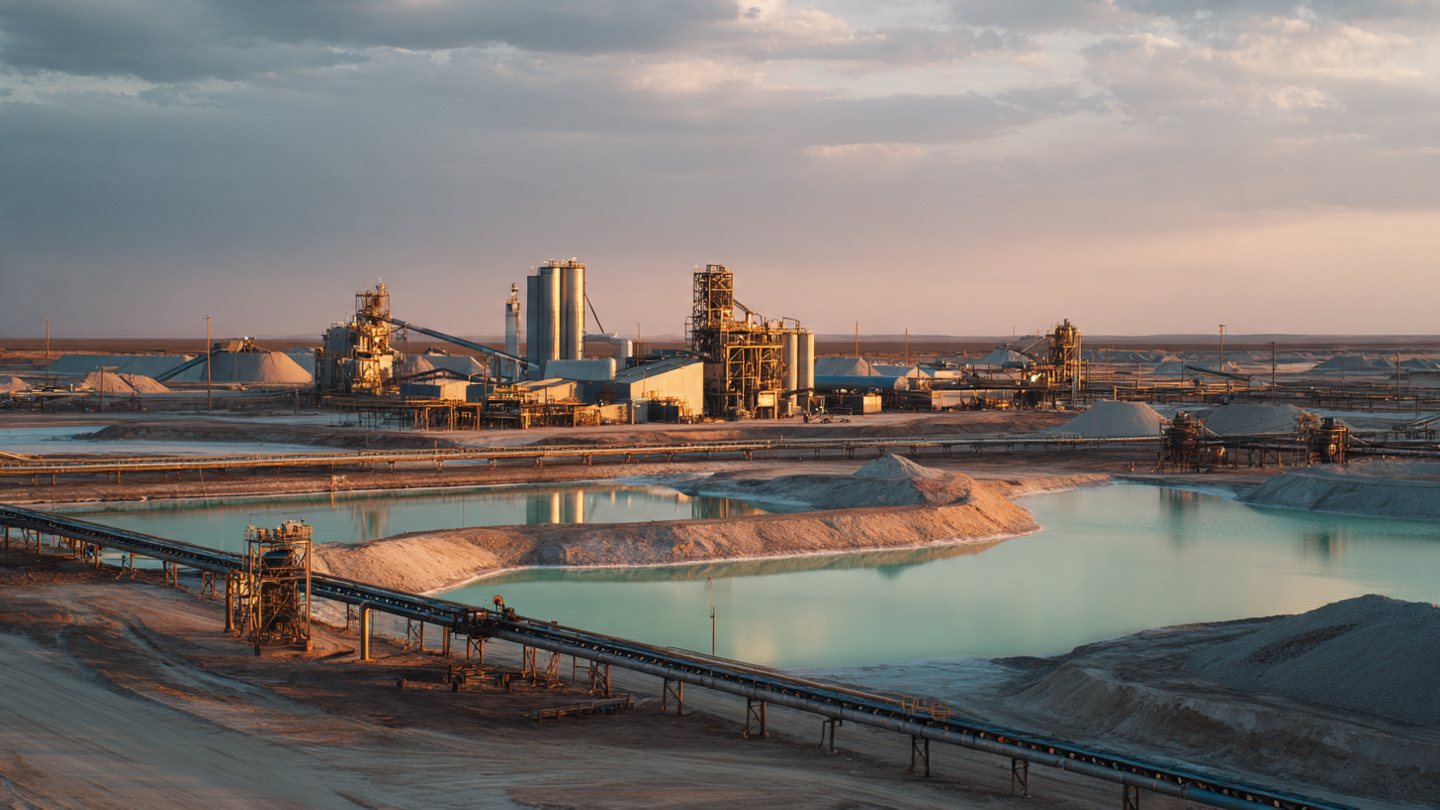
America Has One Lithium Mine and Four Billion Barrels of Brine. The 662x Scale-Up Nobody Has Done.
Standard Lithium spent six years and 340,000 man-hours proving that direct lithium extraction works at 95% recovery from real Smackover Formation brine. ExxonMobil produced its first battery-grade lithium in April 2026. A brash Austin startup claims it can do the same thing at one-third the capital cost. There is just one problem: no company on Earth has ever operated a commercial-scale DLE plant, and the gap between demo and production is not a step. It is a cliff.
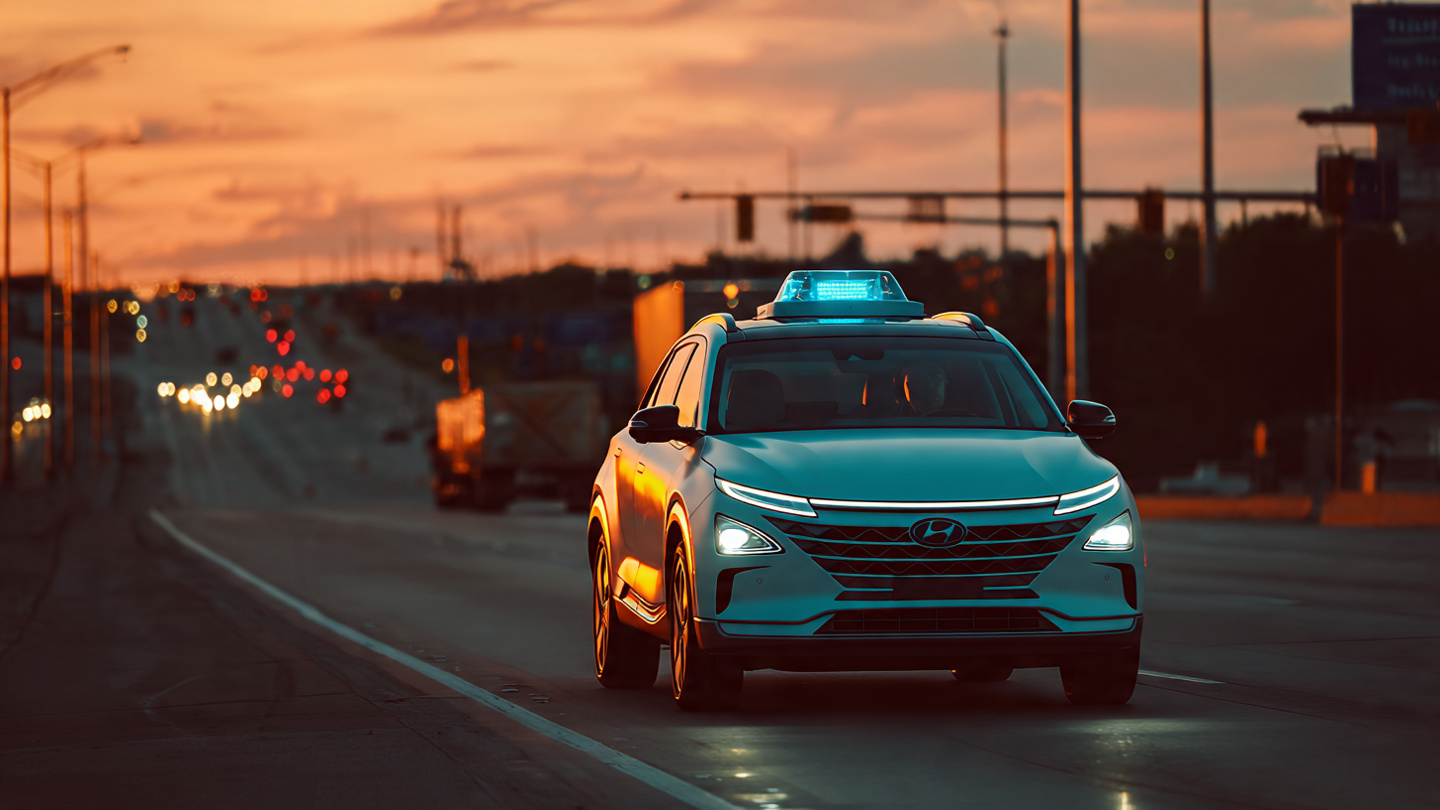
16 Crashes in 4 Months, 1 Safety Monitor Intervention. Uber’s Robotaxi Partner Has a 93.75% Failure-to-Act Rate.
NHTSA opened an investigation into Avride on May 8 after identifying 16 crashes in Dallas between December 2025 and March 2026. Every vehicle had a safety monitor in the driver’s seat. In 15 of 16 crashes, that monitor did not attempt to intervene. Our crash-rate estimate: 7–12x worse than human drivers, 5–11x worse than Waymo. The passengers booked through Uber.
78.6% Disease Control in a Cancer With 7% Survival. CAR-T Just Crossed Into Solid Tumors.
At ASCO 2026, three independent programs reported CAR-T responses in lung cancer, liver cancer, and colorectal cancer—tumors that have resisted engineered immune cells for over a decade—and the response rates dwarf standard-of-care baselines in ways the data, though early, cannot easily dismiss.
On-Device Speech Recognition Burns 30–100x More Energy Than Sending Audio to the Cloud. Privacy Is That Expensive.
A first-of-its-kind energy-per-utterance comparison across ten automatic speech recognition systems reveals a counterintuitive truth: running inference on your phone’s neural engine costs thousands of millijoules while a WiFi round-trip to a cloud model costs tens. Apple and Google spend billions engineering the less efficient path, and the reason is not technical — it’s legal.
More articles load as you scroll.