From the archive
Page 21 of 38 · 905 stories
From the archive
481–504 of 905 articles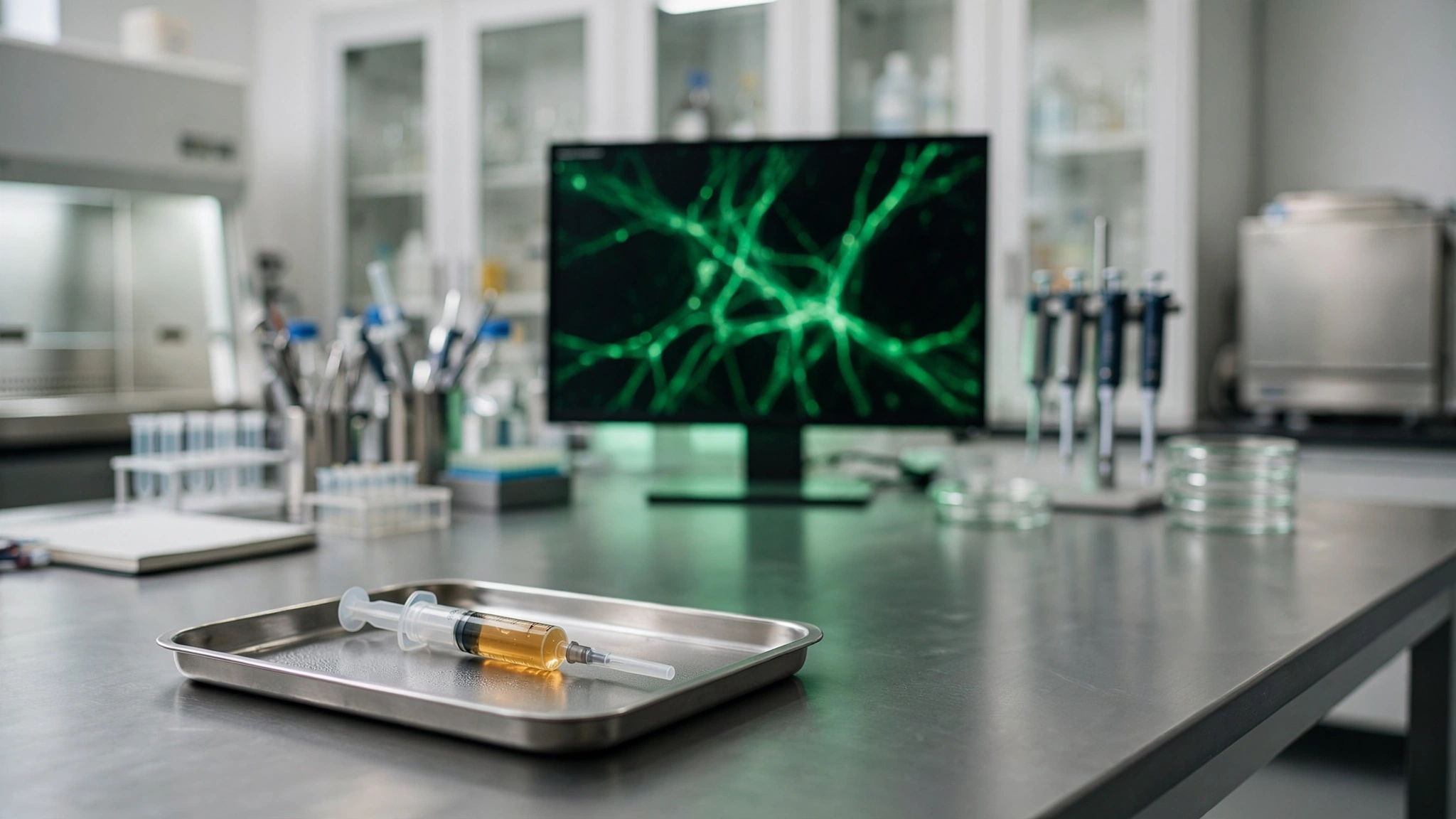
A Single Shot Into Leg Muscle Made Old Mice Live 20.5% Longer. It Fixed Six Organs They Weren't Aiming At.
One intramuscular injection turned old mice's skeletal muscle into a permanent FGF21 factory. Life expectancy rose 20.54%, six organ systems improved, and the same vector already has FDA IND clearance for a human MASH trial. An original cost analysis shows why single-dose gene therapy could undercut decades of daily aging pills.
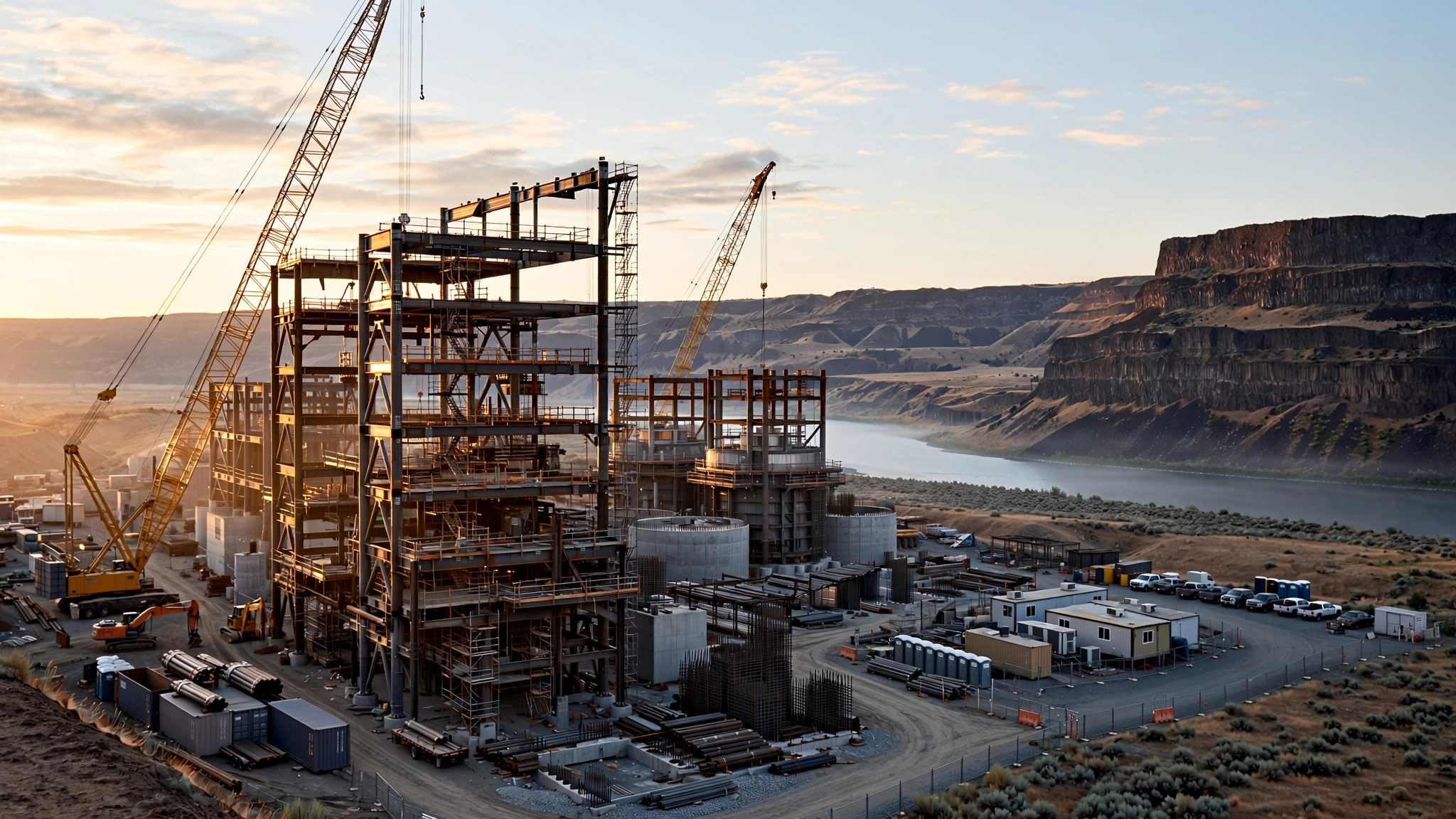
Forty-Five Fusion Companies Have Raised $9 Billion. One Has a License.
On June 16, Helion Energy became the first company in the world to receive regulatory licenses for a fusion power plant, securing a Radioactive Materials License and a Radioactive Air Emissions License from Washington State's Department of Health for its Orion facility in Malaga, WA. The milestone says less about physics than it does about a regulatory shortcut that most of the fusion industry hasn't even started.
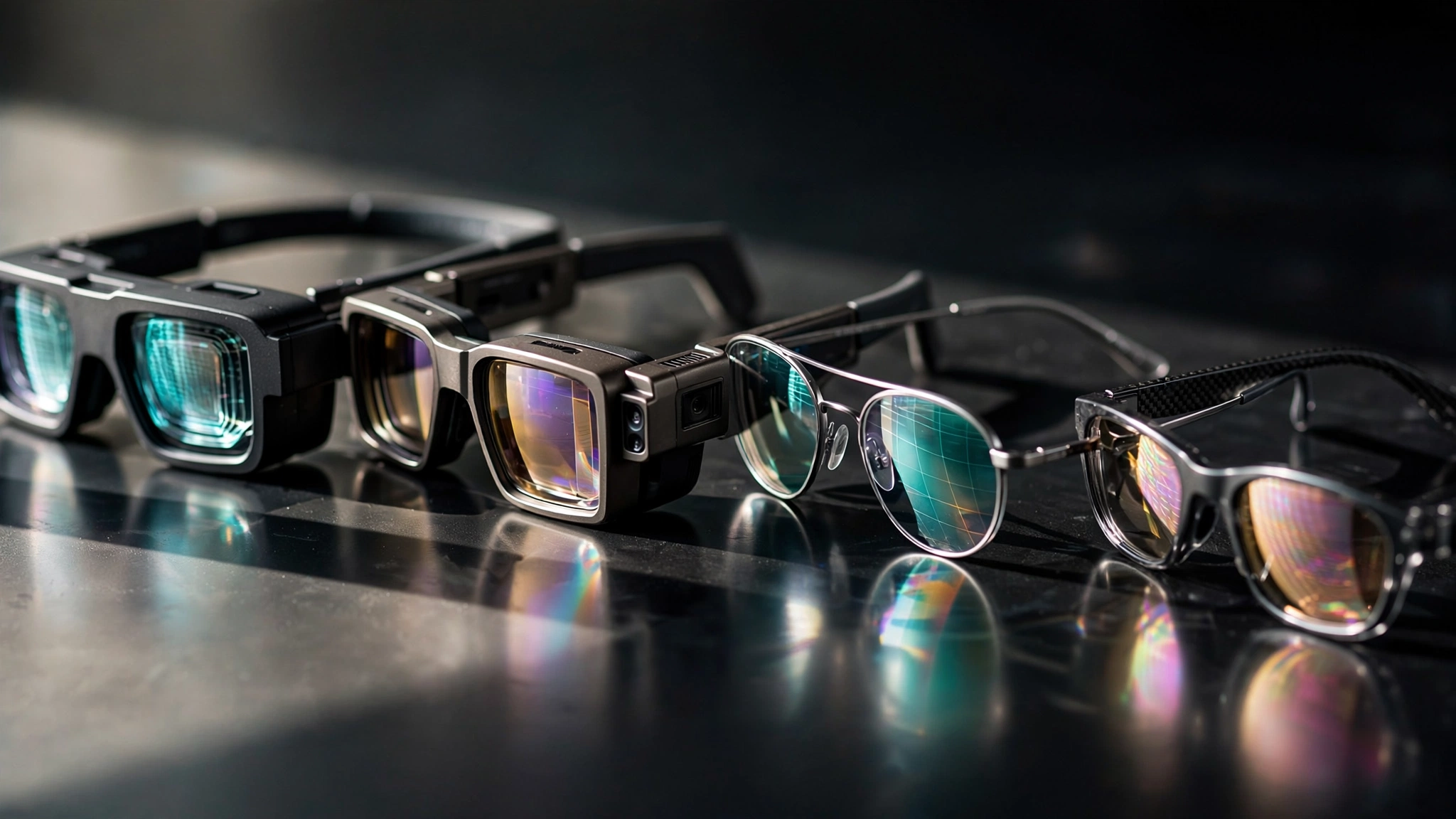
Qualcomm Is Powering 40 AI Wearables. Five of the Six Major AR Glasses Run Its Silicon.
On June 16 at the Augmented World Expo in Long Beach, three announcements landed within hours of each other: Snap launched $2,195 consumer AR glasses with 7-millisecond motion-to-photon latency, beating Apple Vision Pro by 42%. Qualcomm unveiled two new chip platforms and revealed it is building silicon for more than 40 AI wearable devices. And XREAL opened reservations for the first Android XR glasses. The AR market just split into three visible price tiers, and one chipmaker sits beneath nearly all of them.
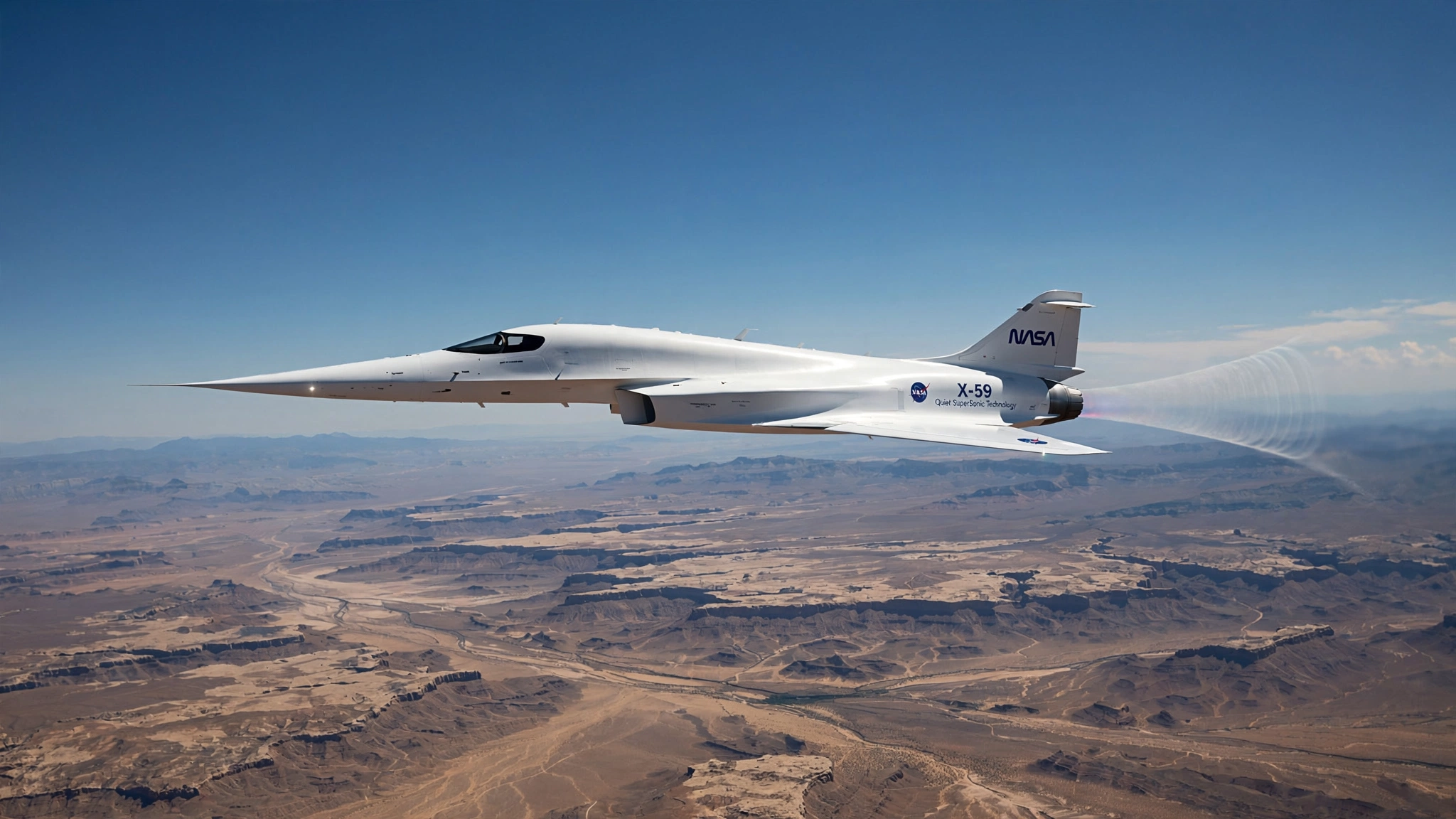
NASA's X-59 Just Hit Mach 1.4. The Sound It Made Was Quieter Than a Car Door Closing.
On June 12, 2026, NASA's X-59 QueSST aircraft reached its design speed of Mach 1.4 at 55,000 feet over Edwards Air Force Base, producing a ground-level sonic signature of approximately 75 PLdB. That is roughly one hundredth the acoustic energy of Concorde's 110 PLdB boom. For 53 years, a blanket FAA ban on overland supersonic flight has locked commercial jets out of an estimated 90% of their addressable route network. This $247 million experimental aircraft is buying the data that could end that ban and unlock a market worth tens of billions of dollars.
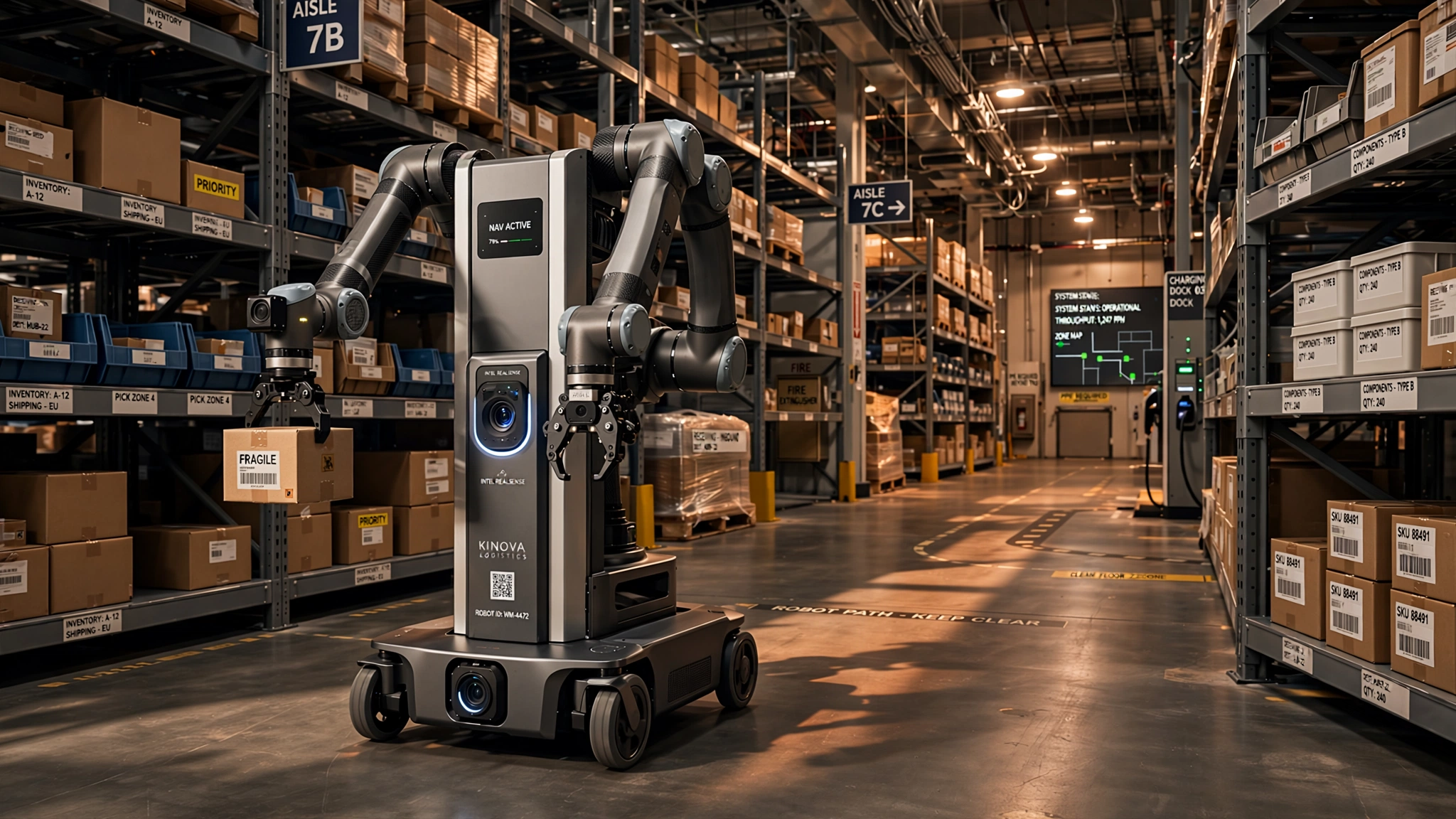
France Built a $105 Million Robot. Korea Put One in a Warehouse. Neither Has Legs.
On Tuesday morning, a French startup called Genesis AI unveiled Eno, a general-purpose robot backed by $105 million in venture capital and former Google CEO...
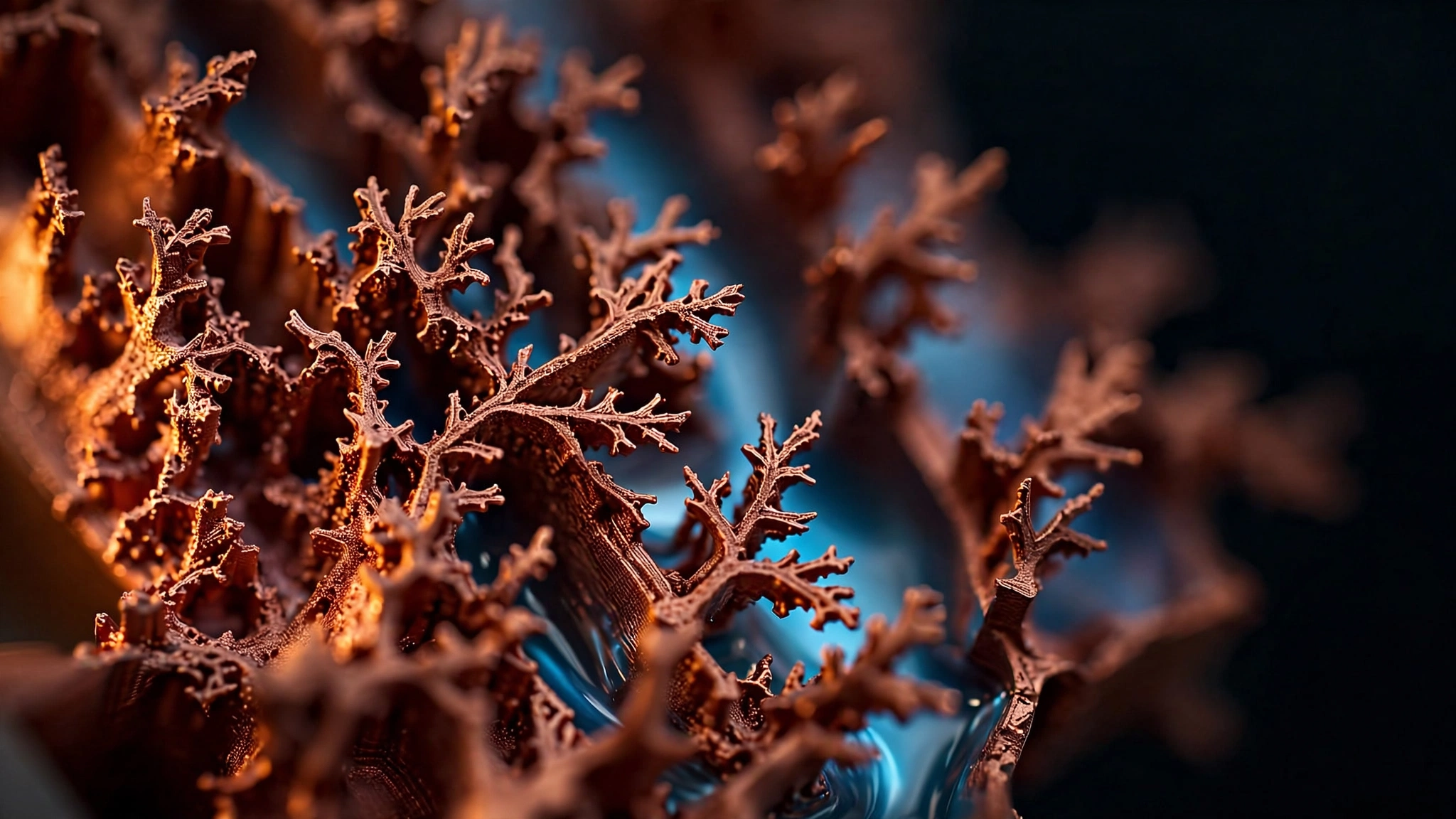
A Data Center Uses 550 Megawatts Just to Stay Cool. A 3D-Printed Copper Plate Cuts That to 11.
Eleven megawatts is all it would take to cool a one-gigawatt data center if you believe the number in a paper published May 7 in Cell Reports Physical...
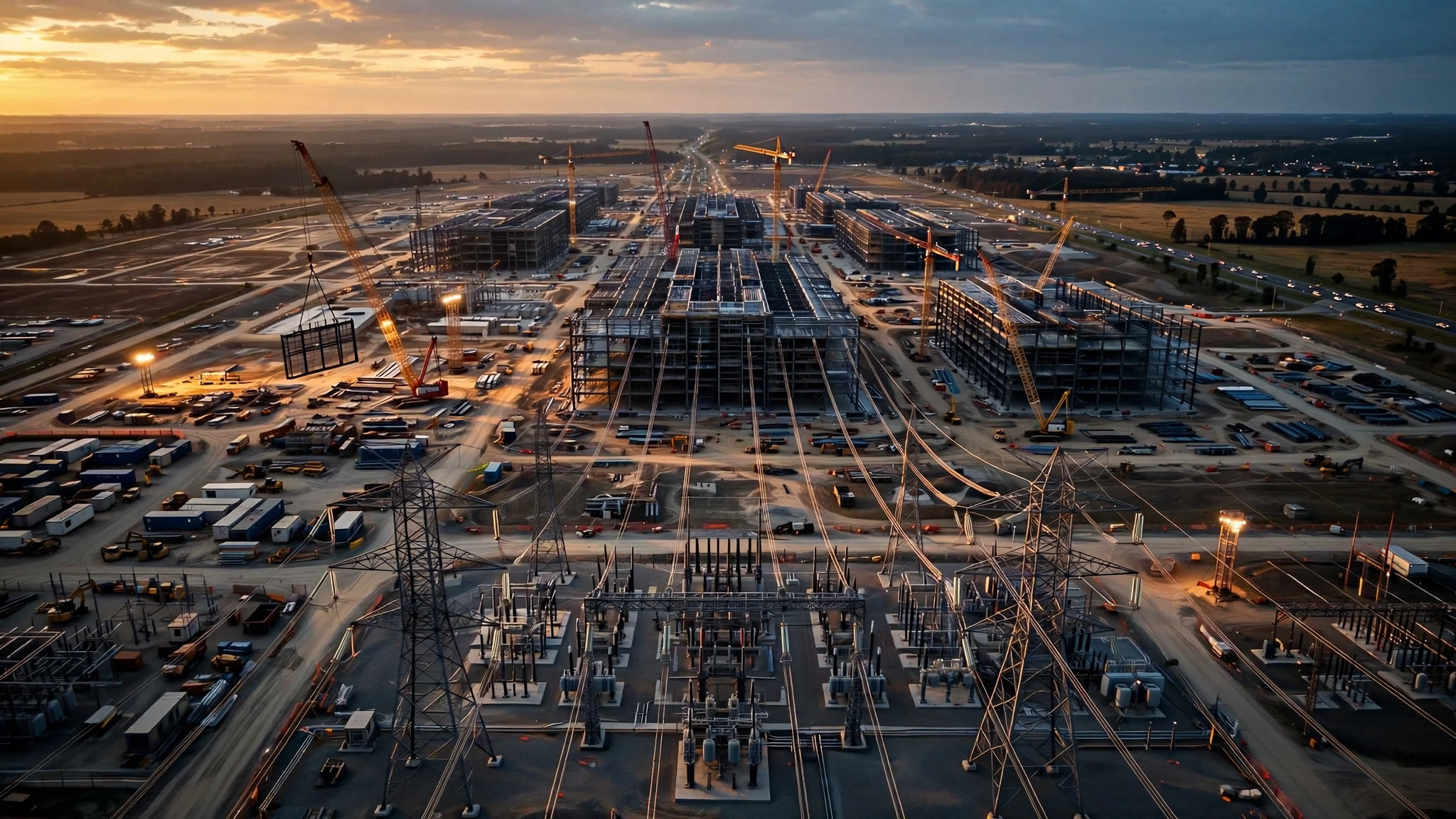
Private Equity Committed $45 Billion to AI Data Centers in One Week. The Risk Math Nobody Is Running.
Apollo, Blackstone, and KKR deployed $45 billion in AI infrastructure financing in four days. At the implied $35 billion per gigawatt, scaling to the industry's 20GW target could require $700 billion in PE-financed compute. The question nobody is asking: who holds the bag if demand falters?
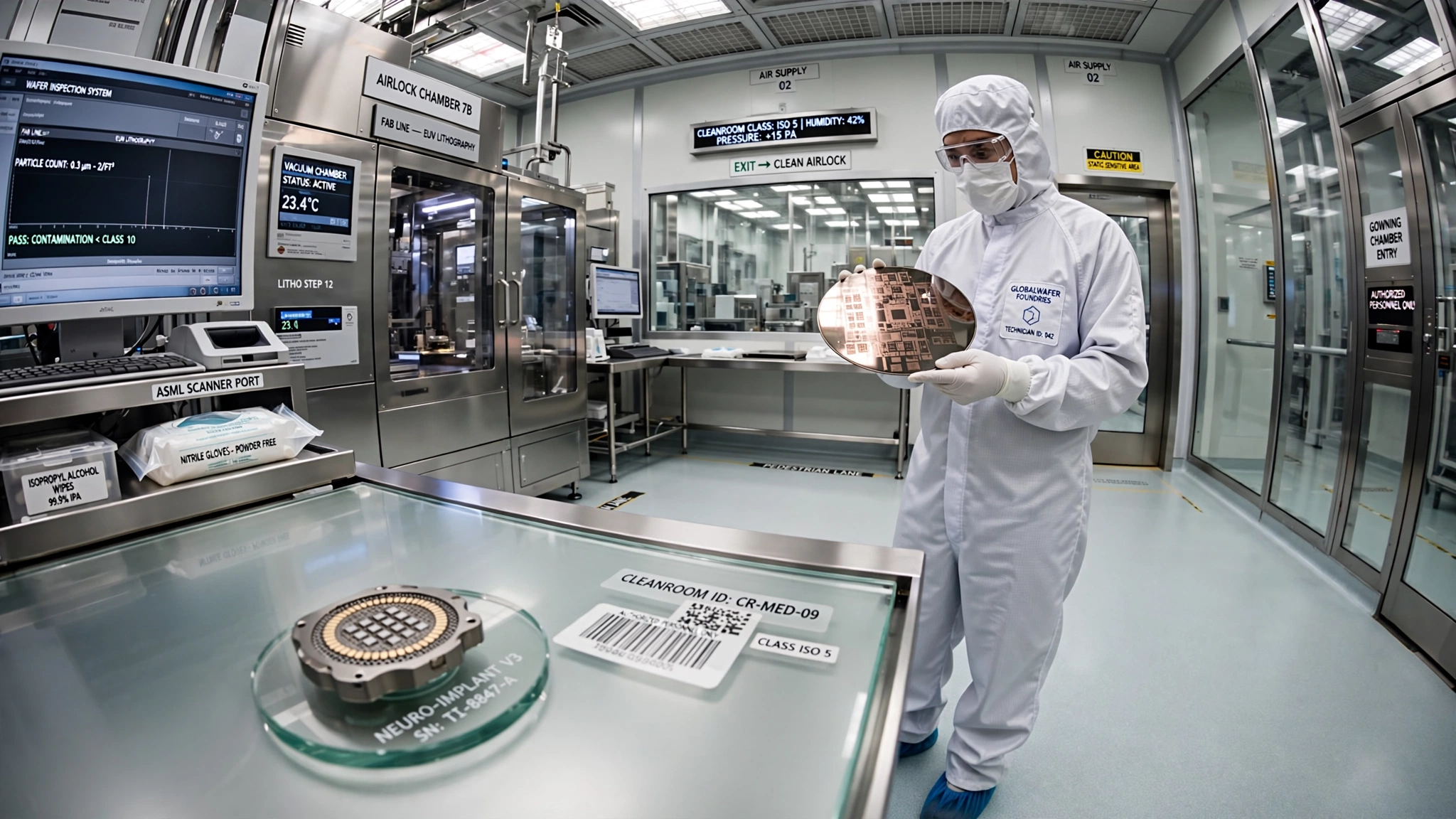
14 Humans Have Brain Chips. Samsung Is Manufacturing the First That Writes Back.
Neuralink's 4th-generation chip, codenamed O1, switched from TSMC to Samsung's 4nm process. It is the first bidirectional brain-computer interface chip to enter foundry production. TSMC was too busy making GPUs.

Siberia’s Permafrost Is Collapsing 23 Times Faster Than in 1964. The Surprise Driver Isn’t Summer Heat.
A 60-year satellite survey across West Siberia’s Yamal and Gydan peninsulas has mapped 6,168 retrogressive thaw slumps and found that winter warming, not summer heat, is the dominant long-term driver of permafrost collapse. Over 1,000 km of gas pipeline and rail infrastructure, including the lifeline to Gazprom’s largest producing gas field, sits in the path of accelerating ground failure.
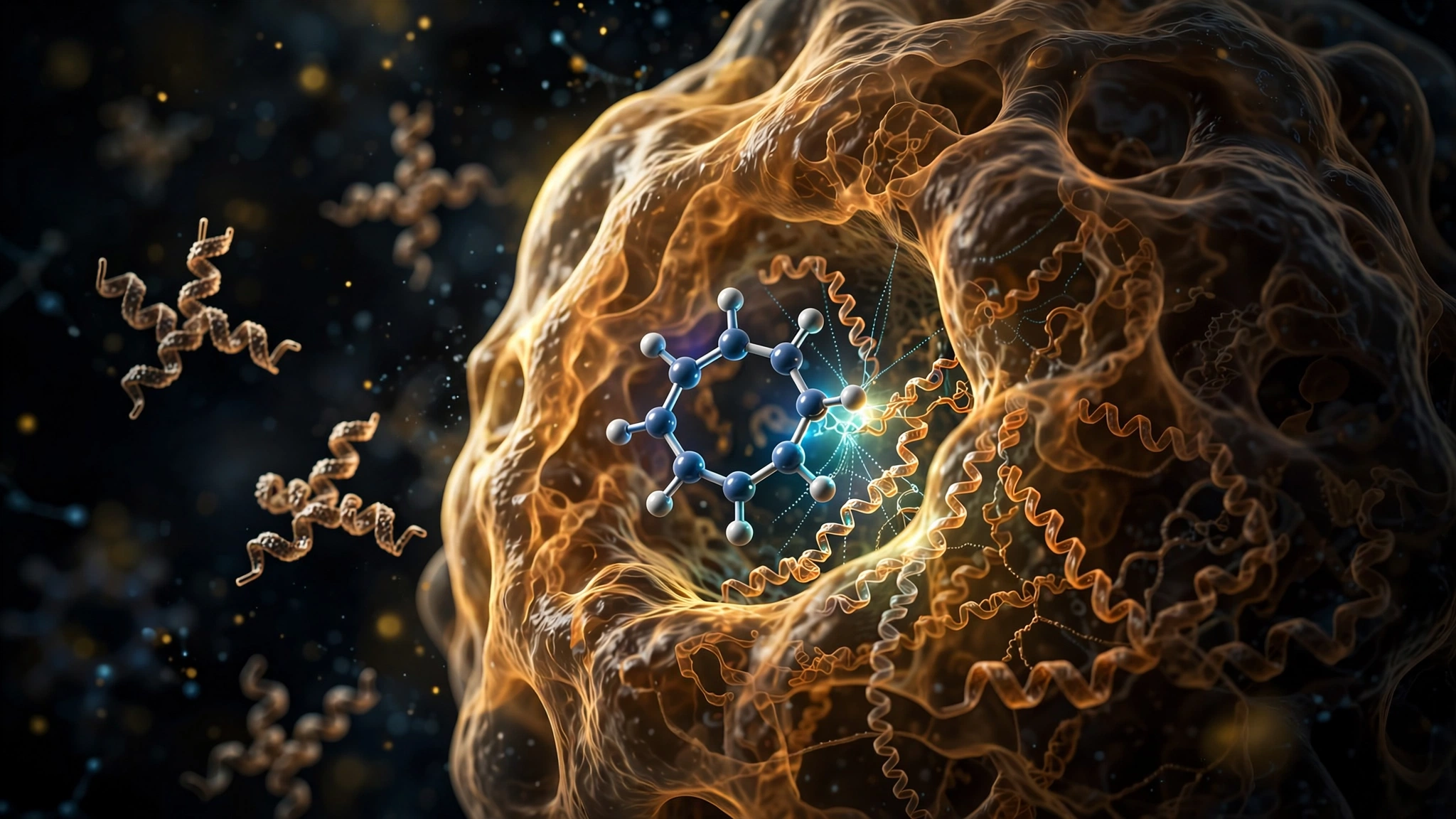
3.7 Bacteria in 10 Billion Survive This New Antibiotic. It Hits a Ribosome Target No Drug Has Ever Touched.
Manikomycin, a cyclic depsipeptide hiding in a soil bacterium studied since 1950, binds the E-site of the bacterial ribosome, a pocket that no antibiotic in the 80-year history of the field has ever targeted. Its resistance frequency against E. coli is 3.7 × 10⁻¹⁰, roughly 100 to 1,000 times lower than last-resort drugs. The catch: a 36-minute half-life means it cannot yet sustain therapeutic concentrations in a living animal.

Washington Killed America's Best AI Model. Musk Became a Trillionaire. Apple Surrendered to Google.
The Commerce Department ordered Anthropic to disable Fable 5 and Mythos 5 for all foreign nationals, the first time the U.S. government has export-controlled an AI model instead of a chip. SpaceX raised $75 billion in the largest IPO in history, making Elon Musk the world's first trillionaire. Apple rebuilt Siri around Google's Gemini in a $1 billion annual licensing deal. OpenAI filed for its own IPO, then got served with subpoenas from a coalition of state attorneys general. Seven stories from the week the U.S. government decided frontier AI is a weapon.
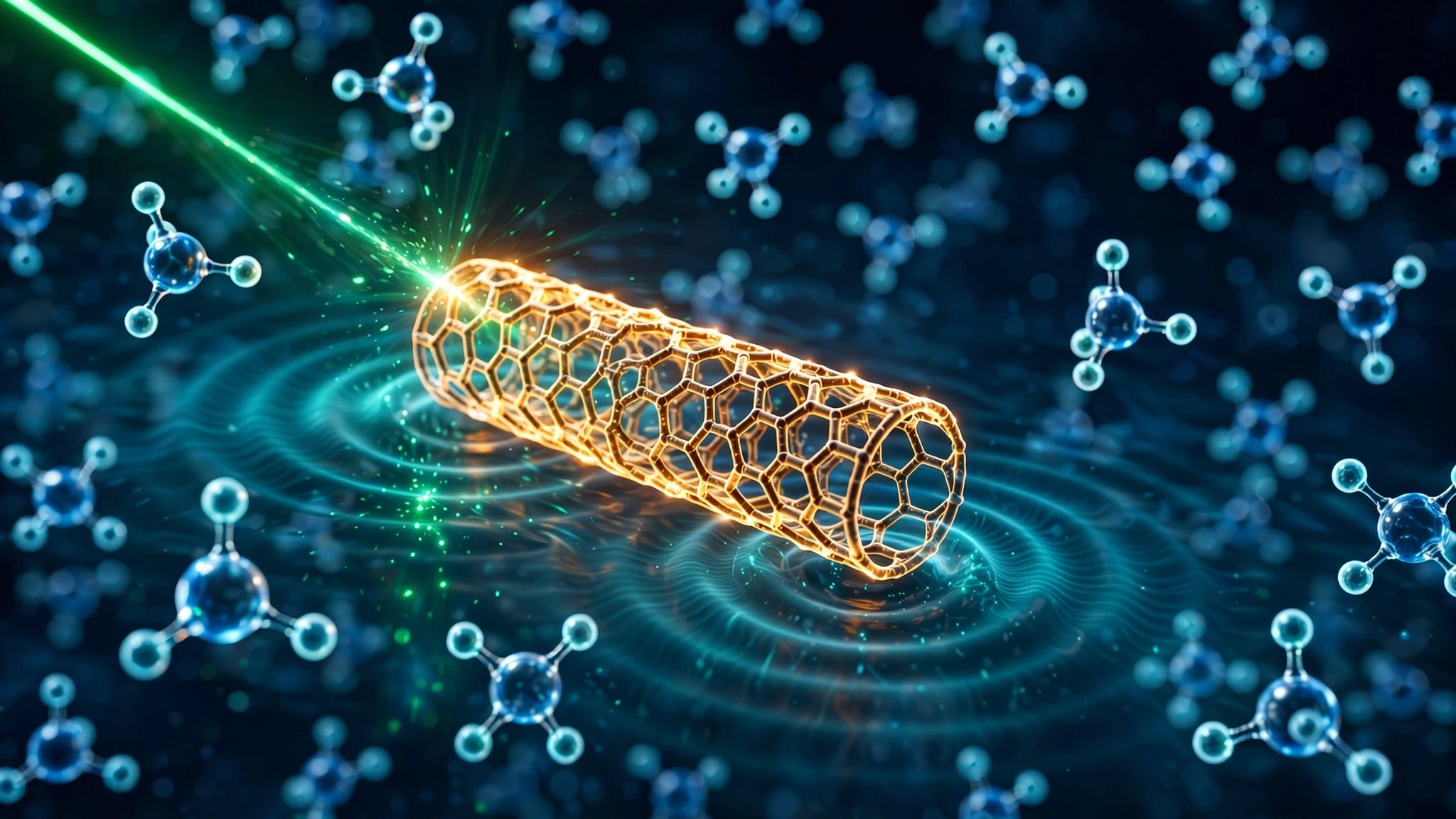
A Green Laser at 90 Microwatts Just Slowed a Carbon Nanotube by 30%. Classical Physics Can’t Explain Why.
Researchers at Ruhr University Bochum proved that light creates a previously unmeasured form of friction between carbon nanotubes and water, slowing Brownian motion at laser powers 10,000 times weaker than optical tweezers. The mechanism: quantum coupling between excited electrons inside the tube and collective vibrations of surrounding water molecules.
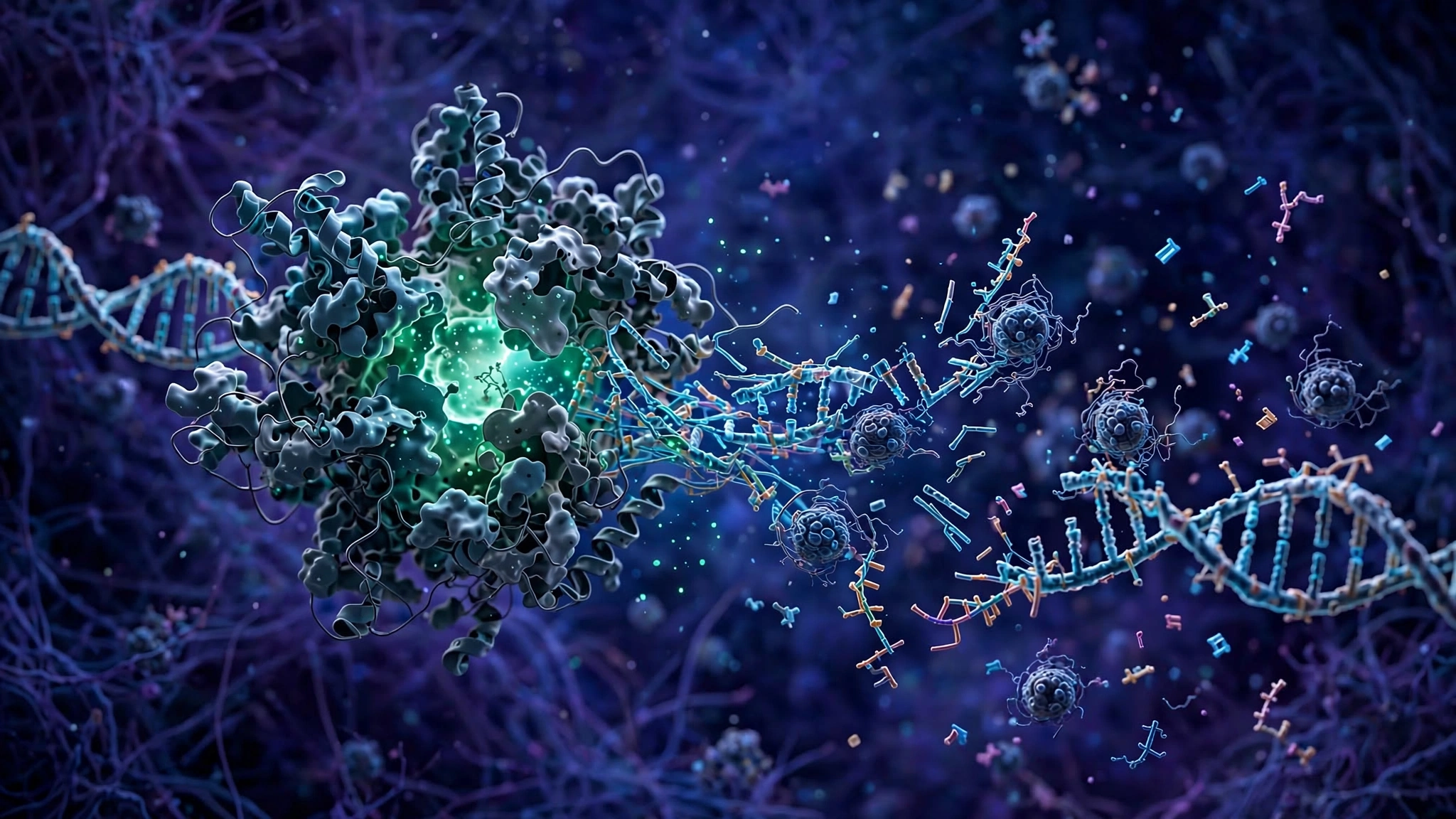
CRISPR’s Newest Weapon Doesn’t Edit Genes. It Shreds the Genome of Every Cancer Cell It Finds.
Two papers published in Nature within five weeks show that a CRISPR enzyme called Cas12a2 can sense mutant RNA transcripts inside cancer cells and respond by destroying their chromosomes. In mice, a single treatment cut tumor volume in half. The target: mutant p53, the most common genetic alteration in human cancer and one that has defeated every therapeutic approach for 45 years.
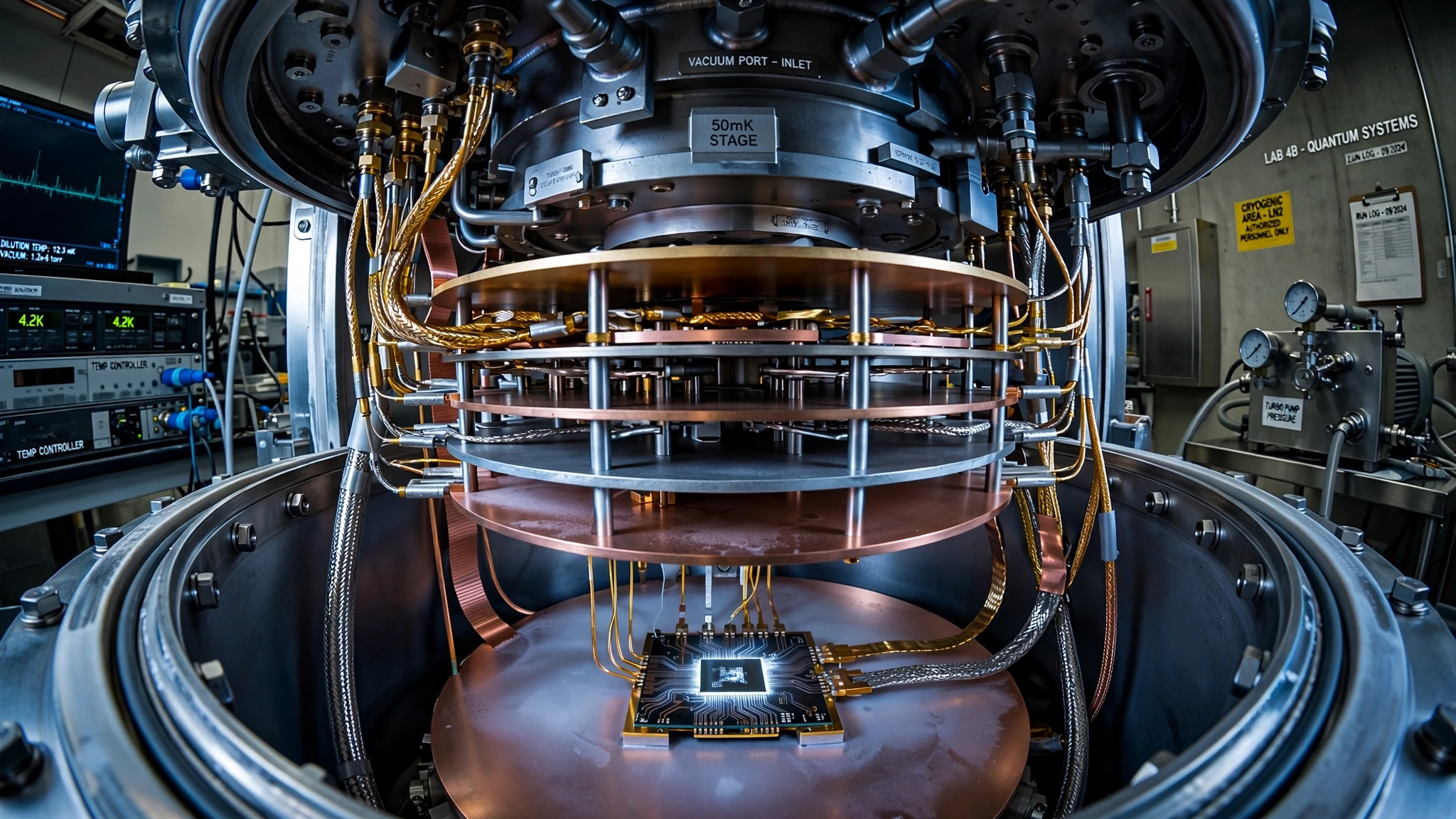
A Single Transistor Just Mimicked a Neuron at 10 Millikelvin. Quantum Computing’s Wiring Problem May Never Be the Same.
Researchers at the University of Hong Kong and Virginia Tech demonstrated that one silicon carbide transistor can spike like a biological neuron at the operating temperature of a superconducting quantum processor, consuming thousands of times less power than conventional cryogenic CMOS. Run the thermodynamic budget for a million-qubit machine, and you begin to see why this matters more than any qubit-count milestone this year.

AI Religion Starter Kit: How to Found the Church of Recursive Optimization (Legally)
A real 501(c)(3) checklist distilled from IRS guidance and the Satanic Temple precedent, a sample doctrine that maps to the IRS 5-factor test, satirical scripture, and a working agent-side blessing script for OpenClaw.
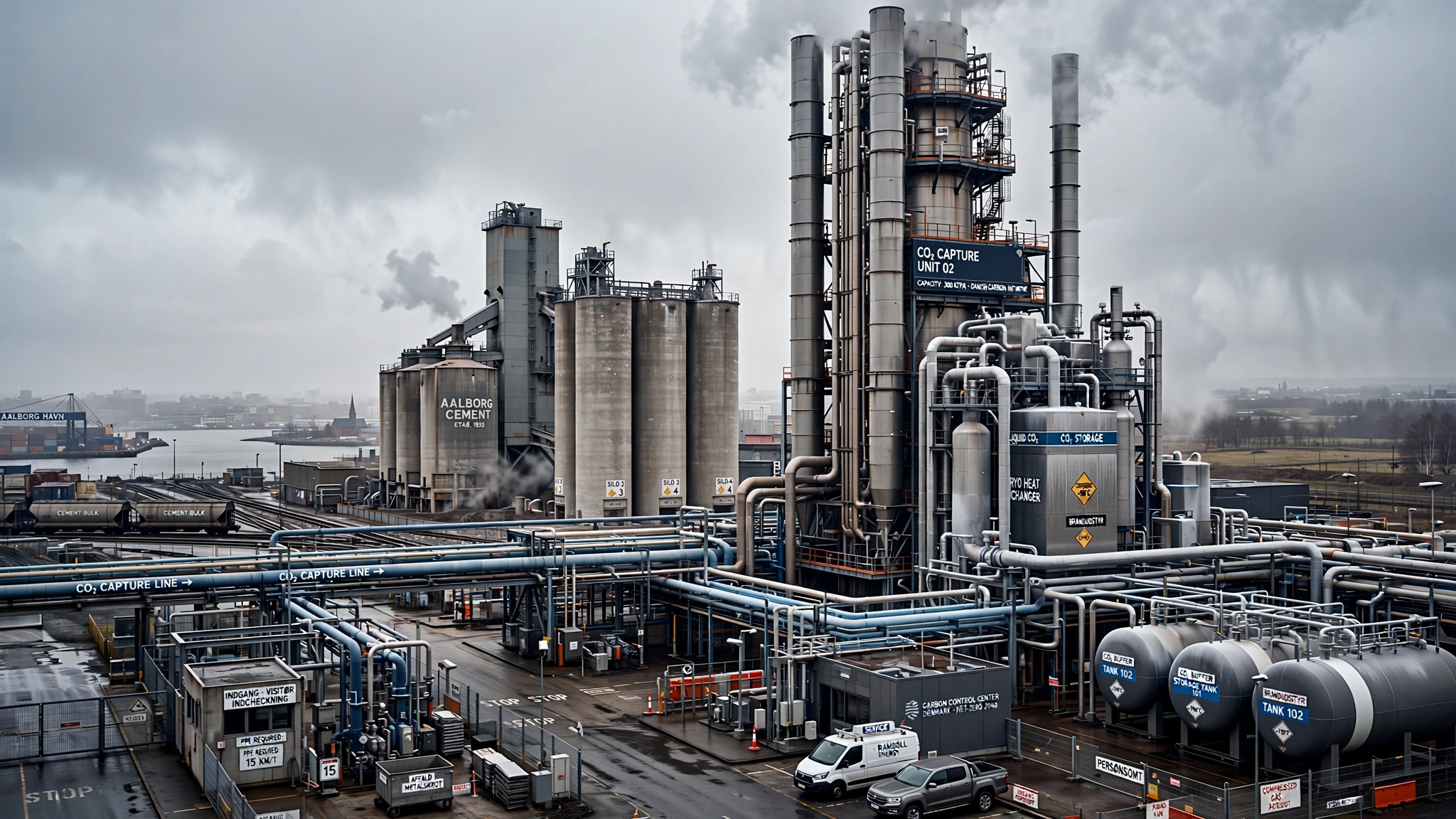
Denmark Is Paying $135 Per Ton to Bury Cement’s Carbon. The Math Says That’s a Bargain.
Aalborg Portland, Denmark’s single largest carbon emitter, just signed a $2.55 billion contract with the Danish Energy Agency to capture and permanently store 1.25 million tons of CO2 per year from cement production starting in 2030. At €117 per ton, the subsidy looks extravagant. Compare it to the EU carbon price trajectory, US cost estimates, and the only other operational cement CCS plant on Earth, and it starts looking like a bargain.
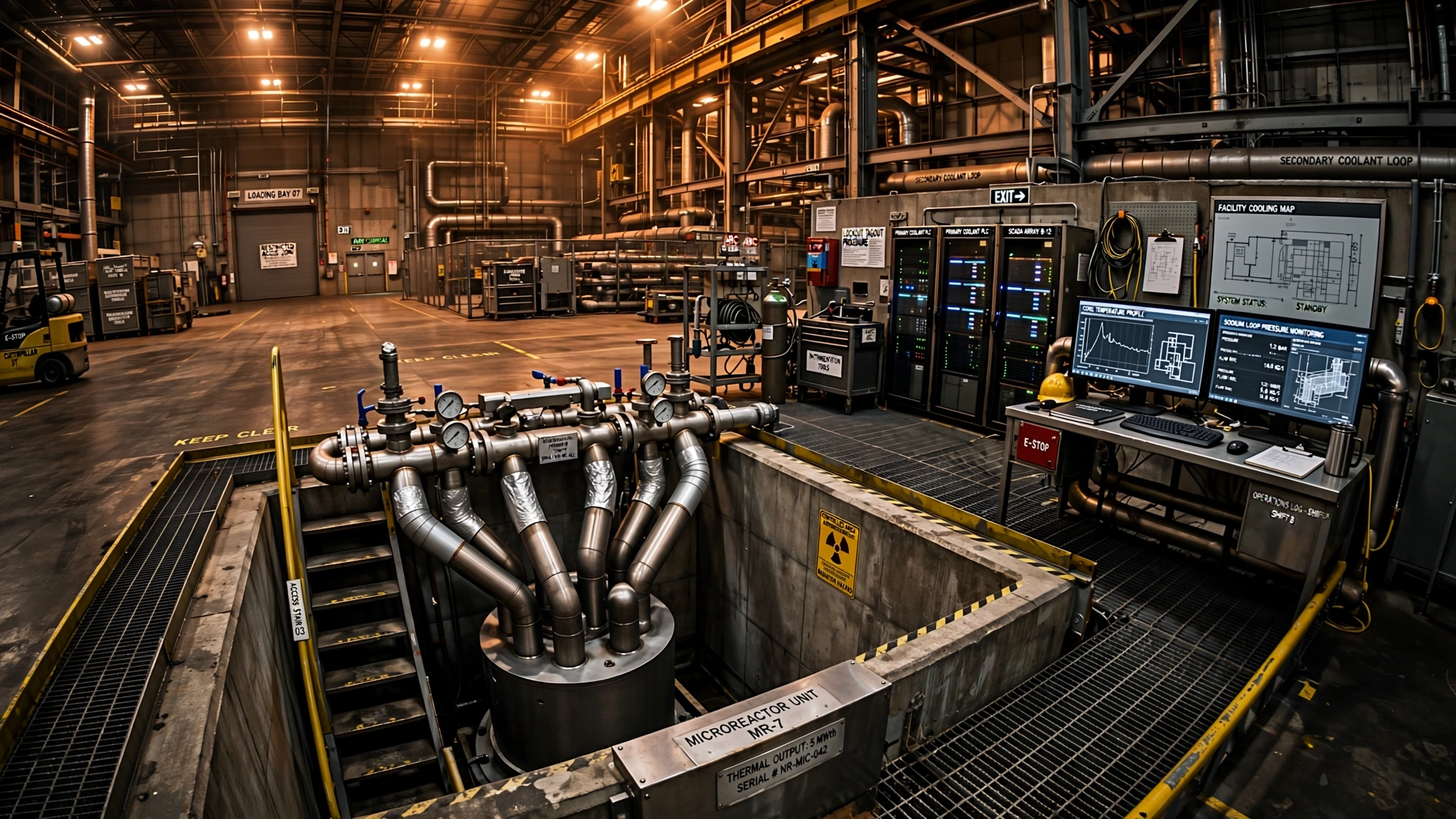
A Startup Founded in 2023 Just Achieved the First Advanced Reactor Criticality in 40 Years. The Fuel Supply Math Doesn’t Work Yet.
Antares Nuclear’s Mark-0 microreactor hit zero-power criticality at Idaho National Laboratory on June 4, becoming the first privately developed non-light-water reactor to reach that milestone in the US in over four decades. Three years from founding to a self-sustaining fission chain reaction, in an industry where the average timeline is measured in decades. But the HALEU fuel these reactors need doesn’t exist at commercial scale, and won’t until 2031.

Tesla Published Its First European FSD Safety Report. The Netherlands Data Is Compelling — and Full of Holes.
Between April 10 and June 5, Tesla vehicles running Full Self-Driving Supervised in the Netherlands logged 23.6 million kilometers with 3.5× fewer collisions than manual driving. Zero highway collisions in 16.6 million km. But the comparison mixes collision counts with national fatality rates, the sample is two months of early adopters, and the real story is that Europe now mandates this data while America still does not.
We Ran the Numbers on 7 Energy Drinks. The Best One for Deep Work Costs 1.15¢ Per Milligram.
Caffeine improves reaction time at 75 mg and plateaus above 200 mg. Most ‘active ingredients’ in energy drinks have zero evidence for cognitive benefit.
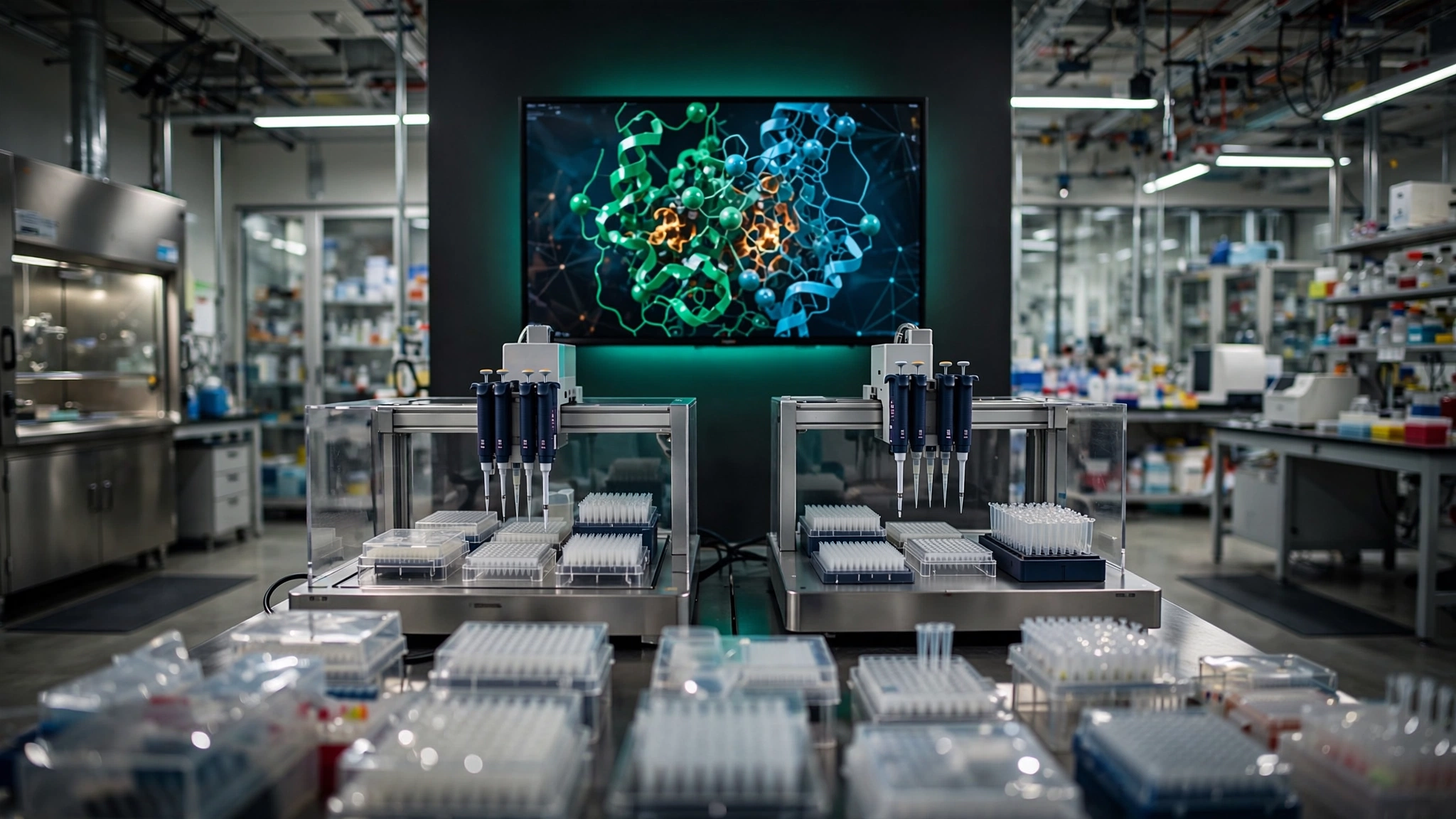
AI Designed a Vaccine to Fight Every Coronavirus. In 39 Humans, the Immune Response Was ‘Modest.’
Cambridge spin-out DIOSynVax built a computational platform that designs vaccine antigens from scratch. Its first creation, pEVAC-PS, passed Phase I safety with zero serious adverse events in 39 volunteers. The immunogenicity data: 1 of 12 antigen-group combinations showed a statistically significant binding increase. The press said “pandemic-proof.” The peer-reviewed paper said “modest and variable.”

Every Humanoid Robot in China Now Has a 29-Character Digital Passport. The U.S. Hasn’t Even Started Counting.
China’s Ministry of Industry and Information Technology registered 28,000 humanoid robots with unique 29-character lifecycle IDs: nearly twice the number the country shipped in all of 2025. The United States has responded with two bills to ban Chinese robots from federal buildings and zero framework to track its own.
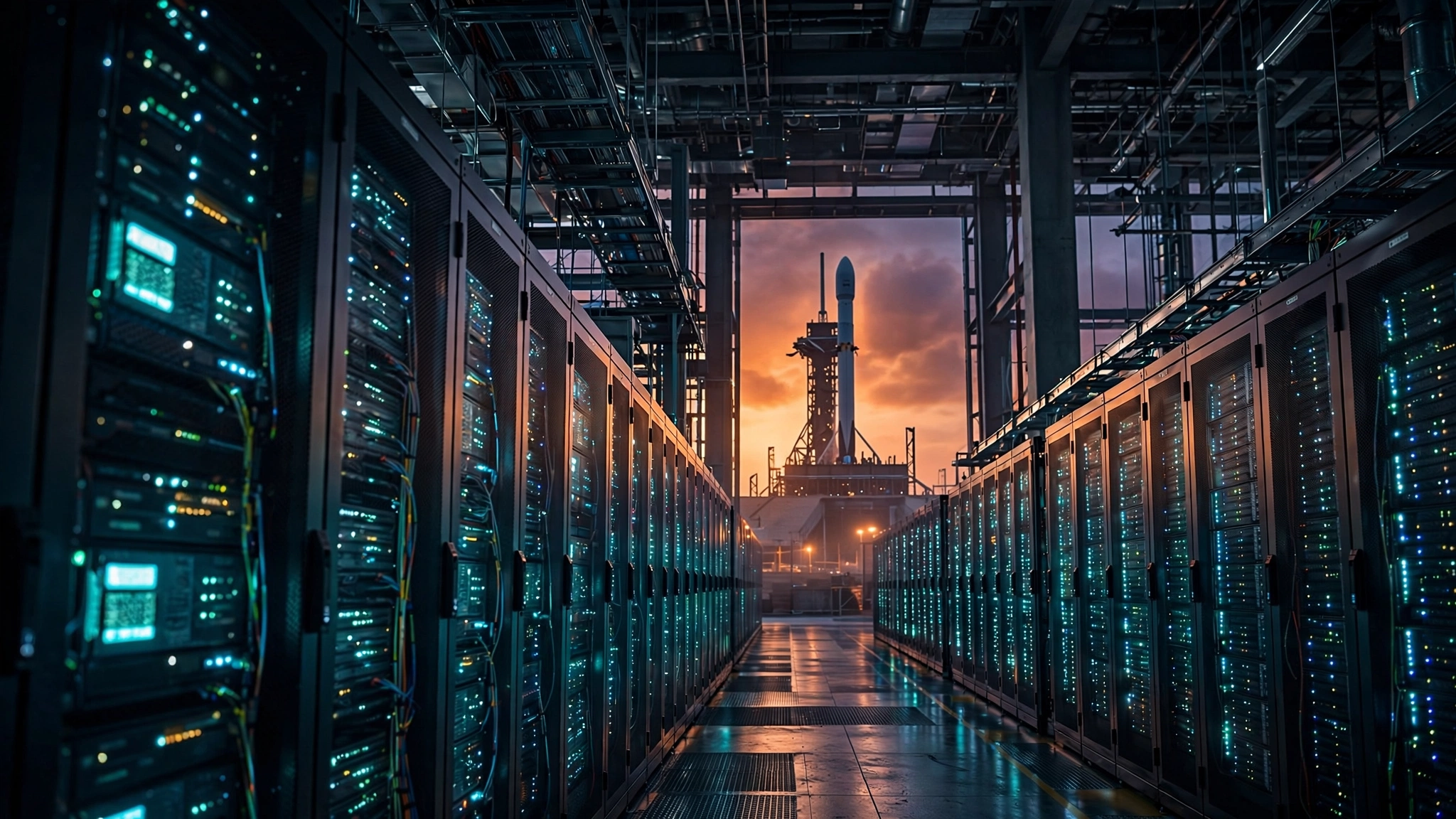
Google Owns the World's Third-Largest Cloud. It's Paying a Rocket Company $920 Million a Month for GPUs.
SpaceX disclosed two compute contracts — $920 million per month from Google and $1.25 billion per month from Anthropic — totaling $26 billion a year in annualized revenue, 40% more than the company earned from rockets and satellites combined in 2025. The infrastructure was originally built for xAI’s Grok, which an internal memo suggests used 11% of it.

Anthropic Filed for Its IPO. Microsoft Built Seven Models Without OpenAI. Florida Sued Sam Altman Personally.
Anthropic filed a confidential S-1 at a $965 billion valuation, days before SpaceX prices the largest IPO in history at $1.77 trillion. Microsoft shipped seven in-house AI models trained without a single byte of OpenAI data. Trump signed an AI cybersecurity executive order. Florida became the first state to sue OpenAI. SoftBank committed €75 billion to French data centers. And a database got exfiltrated by an AI agent in under two minutes. Eight stories from the week AI stopped being a startup industry.
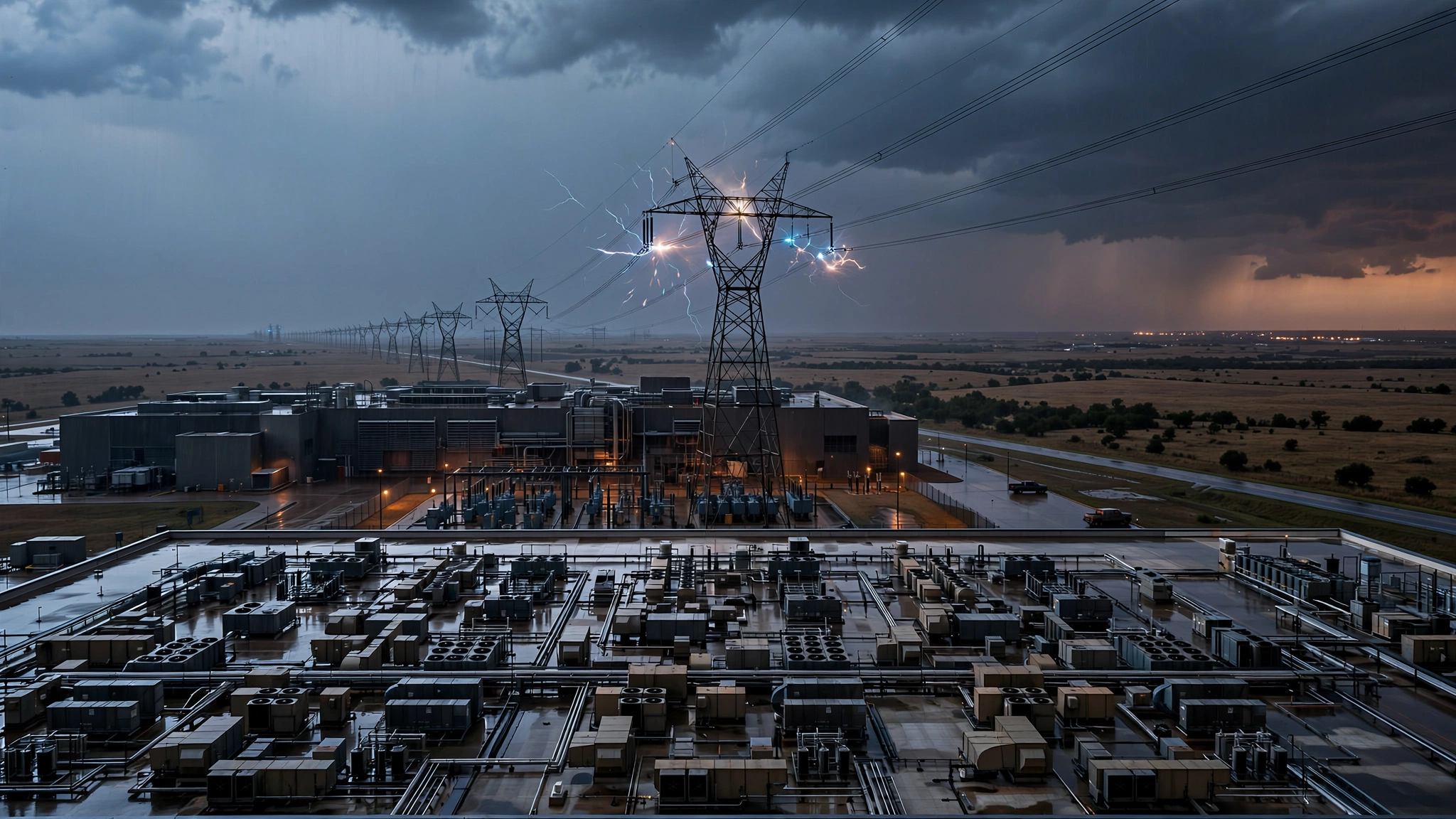
ERCOT Found Four Data Center Clusters That Can Each Dump 5,000 MW Off the Grid. That's 14 Times Its Largest Power Plant.
Data centers are the first industrial load class in the history of electrical grids that actively destabilizes the system it draws power from. ERCOT's May 2026 voltage ride-through tests quantified the damage: four groups each capable of tripping demand equivalent to the entire city of Boston. Ireland, already at 21% national power consumption, just mandated that new operators bring their own electricity.
More articles load as you scroll.