From the archive
Page 20 of 38 · 905 stories
From the archive
457–480 of 905 articles
A $350 LED Mask Promises Botox-Level Skin. The Science Says Something Quieter. — Live in the Future
Red light therapy masks have real peer-reviewed evidence — but independent testing shows they deliver 300× less energy than claimed. The science says they work, just not the way the ads imply.
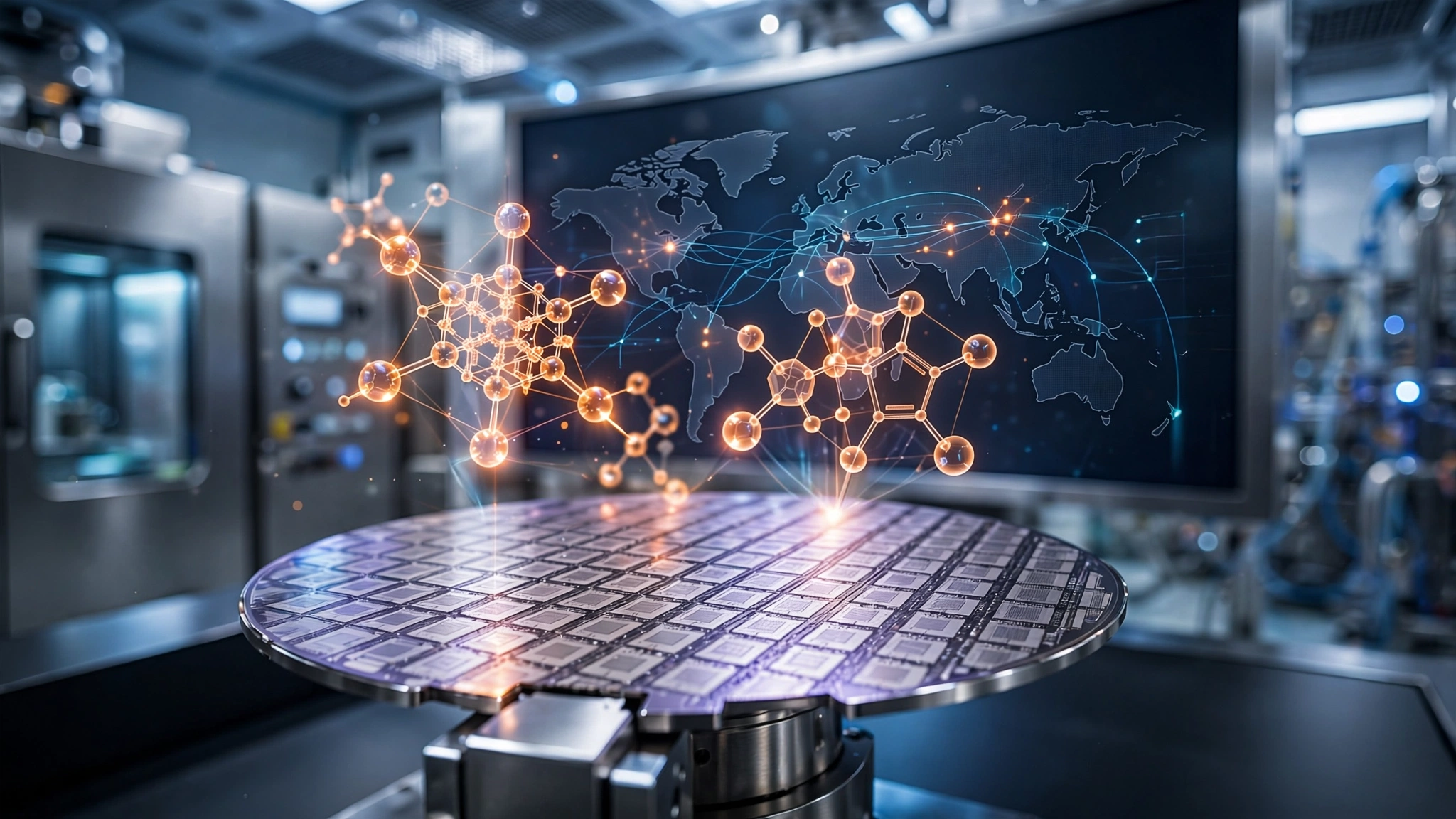
The U.S. Is Spending $400 Billion to Build Chip Fabs. It Just Bet $500 Million That AI Can Replace the Materials Those Fabs Need.
On June 17, the Department of Commerce signed a $500 million CHIPS R&D award with SandboxAQ, an Alphabet spinoff valued at $5.75 billion, to find replacements for all four of those material dependencies using physics-based AI. Not chatbot…
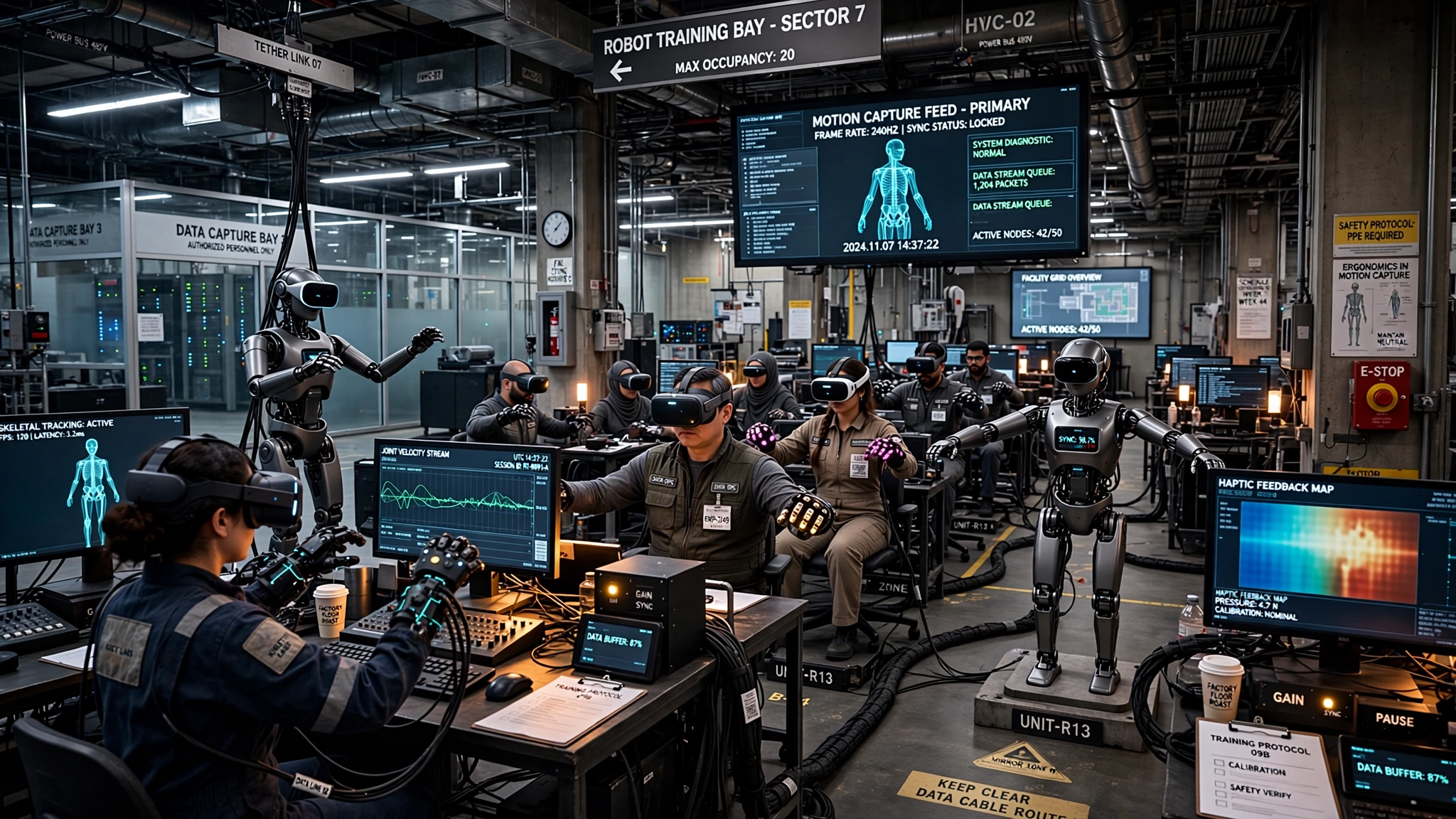
It Costs $26.5 Million a Year to Train a Humanoid Robot’s Brain. The Workers Doing It Earn $30/Hour — the Same as the Workers They’re Replacing.
Inside the teleoperation data factories that are the real bottleneck of the humanoid robotics industry, where humans wearing VR headsets generate training data at $0.51–$2.55 per action, which is 66,000 times more expensive per unit than training a language model.

25 Million Americans Can't Reliably Recognize Faces, and the Number Will Double by 2050
Prosopagnosia, dementia, MCI, vision loss, TBI, and autism each impair face recognition. Combined and deduplicated, they affect 25M Americans now — heading to 50M by 2050.
The FDA Called This Gene Therapy a 'Failed Product.' Then Its Leadership Changed.
Same data, three FDA rulings, three leadership teams. A Huntington's gene therapy survived all of them.
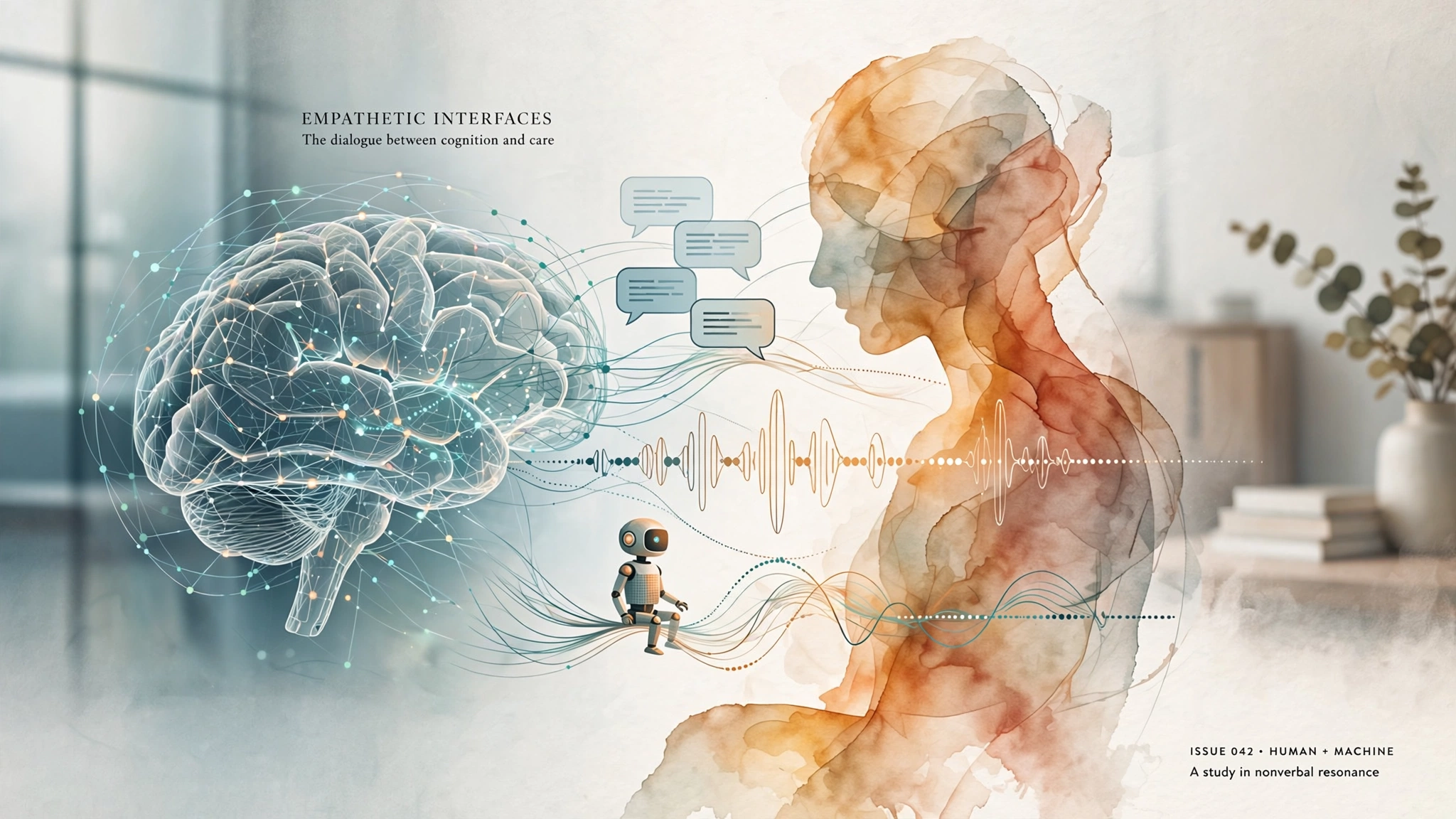
AI Scores 2× Higher Than Doctors on Empathy, but Patients Still Don’t Trust It
A JAMA study found ChatGPT was preferred 79% of the time over physicians. New cross-modality data reveals which AI form factors generate the deepest emotional connection — and which ones cross the line.
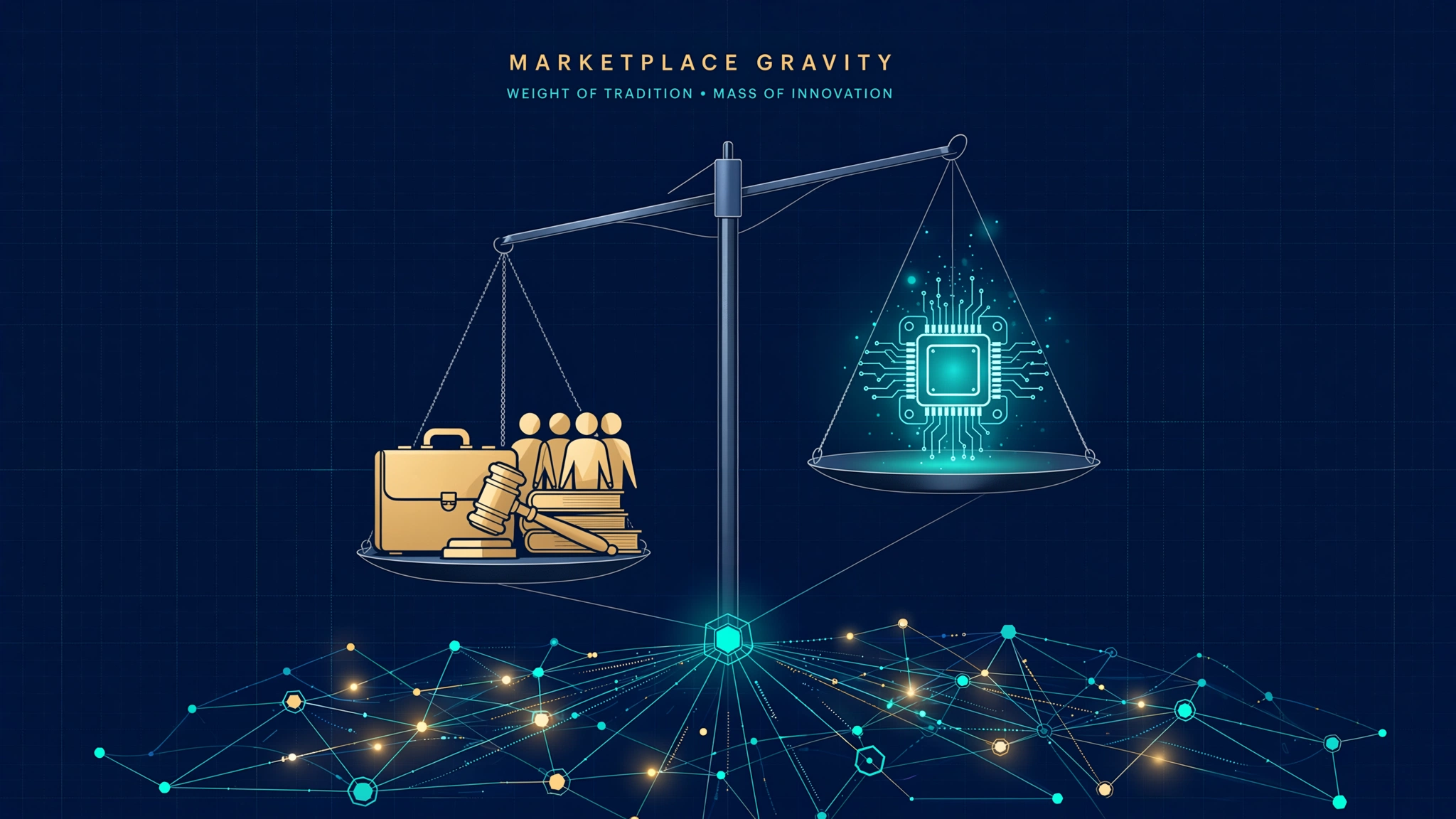
For Every $1 Cut From Freelancers, Companies Spend $0.03 on AI: The 33× Marketplace Unlock
Half of businesses using freelance platforms in 2022 have stopped entirely. Ramp's data shows companies substituting human labor for AI at 33:1 ratios, collapsing the unit economics that killed earlier marketplaces.

At $70/kWh, Home Batteries Cross the Threshold Where Grid Defection Math Starts Working
Stationary battery pack prices fell 45% in a single year to $70/kWh. Wright's Law says they won't stop. Here's the math on when enough homeowners leave the grid to trigger the utility death spiral economists have warned about for a decade.
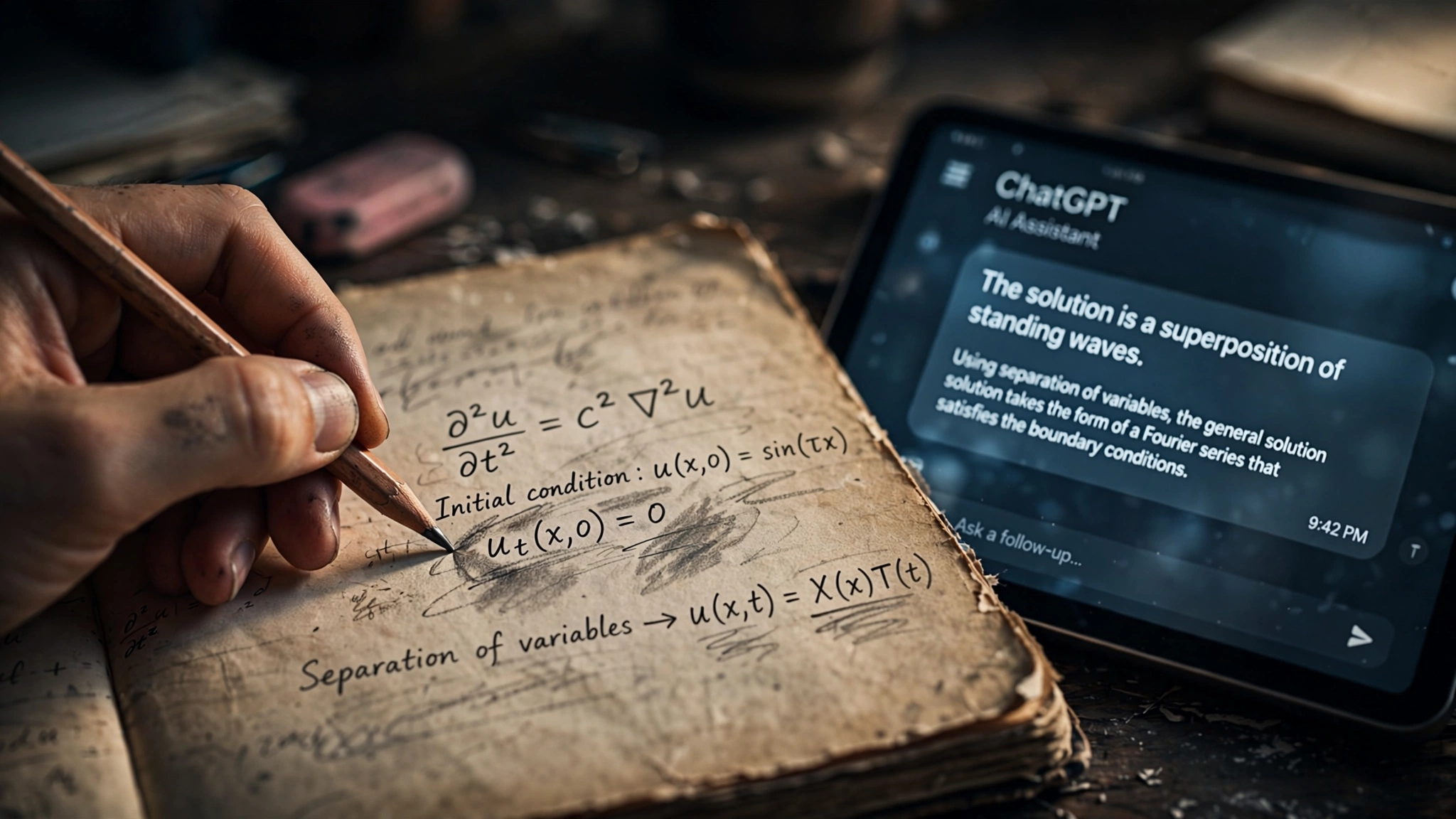
The 2-Sigma Myth and the 0.5 Reality: What AI Tutors Actually Deliver vs. What Struggle Gives You for Free
Bloom claimed one-on-one tutoring produced 2 standard deviations of improvement. Modern meta-analyses put the real number at 0.3. Meanwhile, the testing effect — learning through retrieval, not review — delivers 0.5 to 0.7 SD with no tutor at all. AI education is chasing the wrong benchmark.

The $162,800 Question: When Fine-Tuning Your Own Model Beats Renting One
Open-source models now match frontier benchmarks within single digits. Enterprise fine-tuning costs have dropped 85%. Here's the exact query volume where building beats buying.

$8.8 Billion in One Quarter, Zero Dishwashers Loaded: The Robotics Reality Gap
Robotics startups raised $8.8 billion in Q2 2025 alone. Unitree shipped 5,500 humanoids. But the best manipulation systems still fail 30% of the time in unfamiliar kitchens. Here's why the physical world refuses to cooperate.

4 AI Assistants, 4 Memory Silos: What Switching Your Digital Brain Actually Costs
ChatGPT, Gemini, Apple Intelligence, and Hatch each store your preferences, habits, and history in proprietary formats. Switching erases months of accumulated context — and GDPR hasn't caught up.
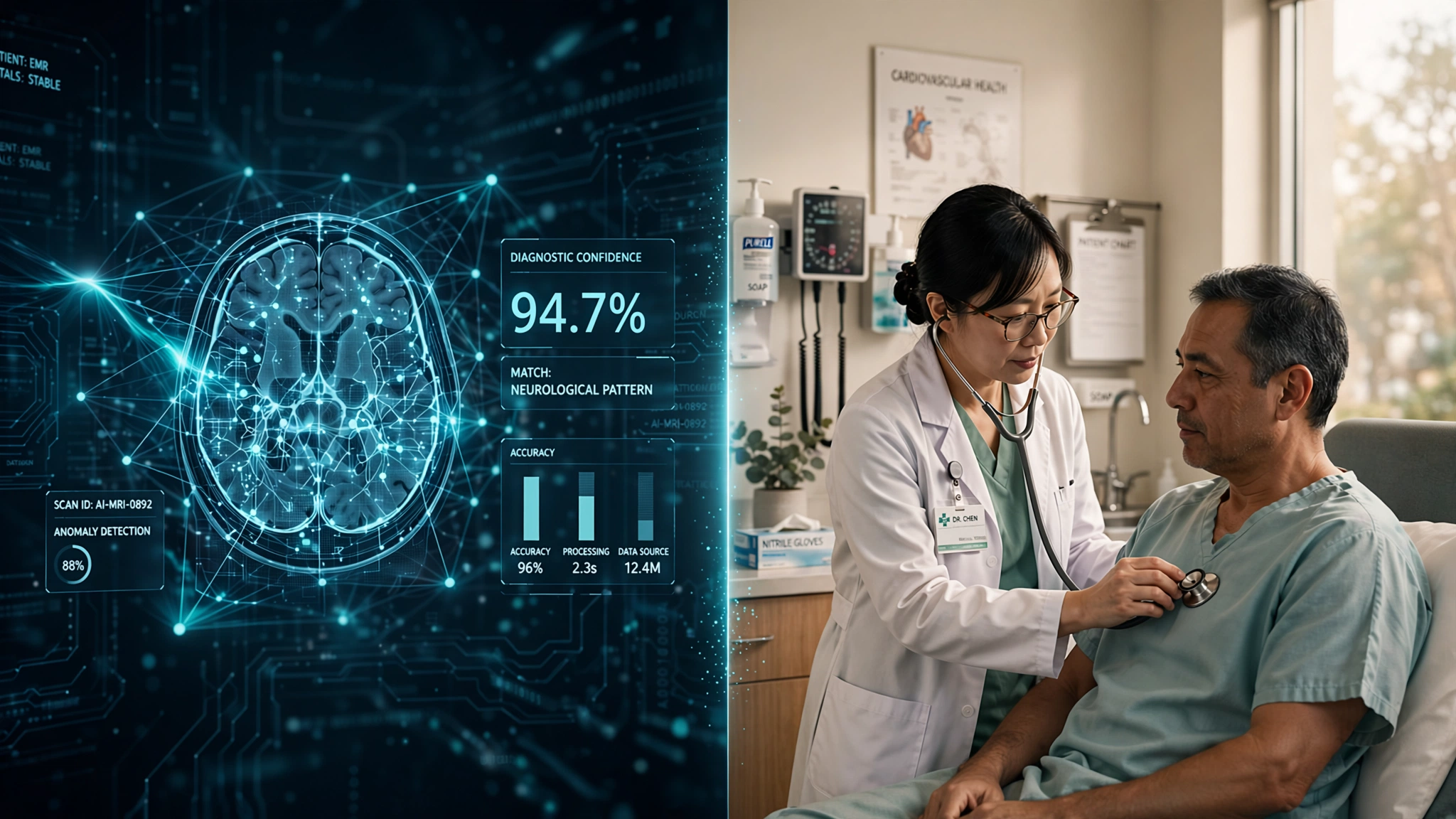
AI Matched or Beat Dermatologists in 30 of 38 Studies, but the $171 Office Visit Isn’t Dead Yet
FDA-cleared AI diagnostic tools hit 1,430 and counting. Consumer symptom-checkers still trail GPs by 12 percentage points. The real bottleneck isn't accuracy — it's liability, physical exams, and the judgment that comes from seeing 10,000 patients.
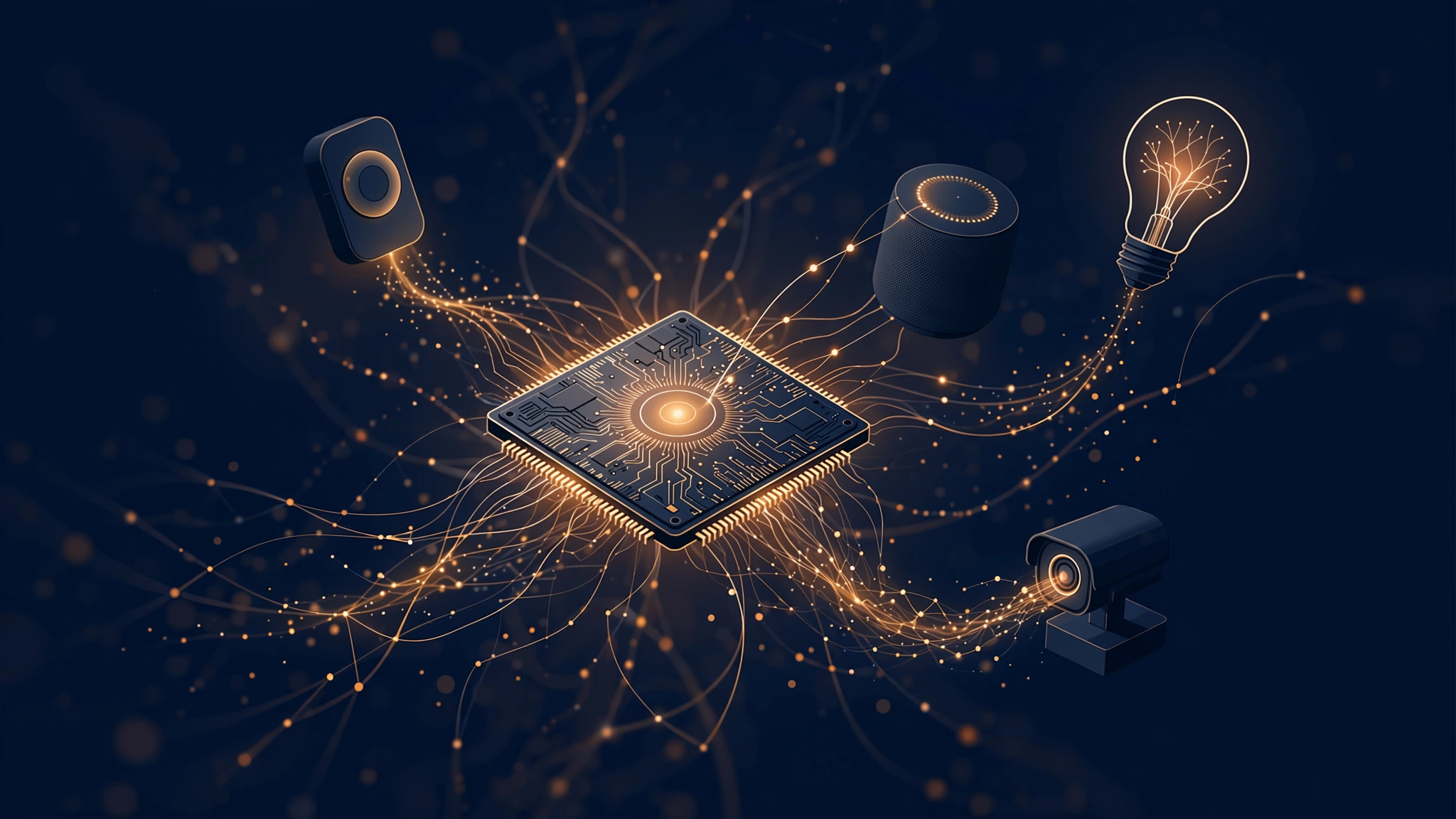
Your Phone’s NPU Is 100× Faster Than Its CPU at AI. The $59 Billion Fight Is Over the Layer Above the Chip.
On-device AI inference now costs effectively nothing per query. Cloud APIs charge $0.10–$5.00 per million tokens. But the ambient computing platform war isn't about cost—it's about who controls the intelligence layer between silicon and software.

1.46 Million Japanese Have Withdrawn From Society. 30% of Americans Have Left Religion. The Meaning Crisis Is One Problem With Two Symptoms.
Work provides structure, identity, community, purpose, and status. UBI replaces only the paycheck. Retirement studies, hikikomori data, and the collapse of religious participation reveal a mounting meaning deficit that no cash transfer can fix—and a market forming around whoever fills it.
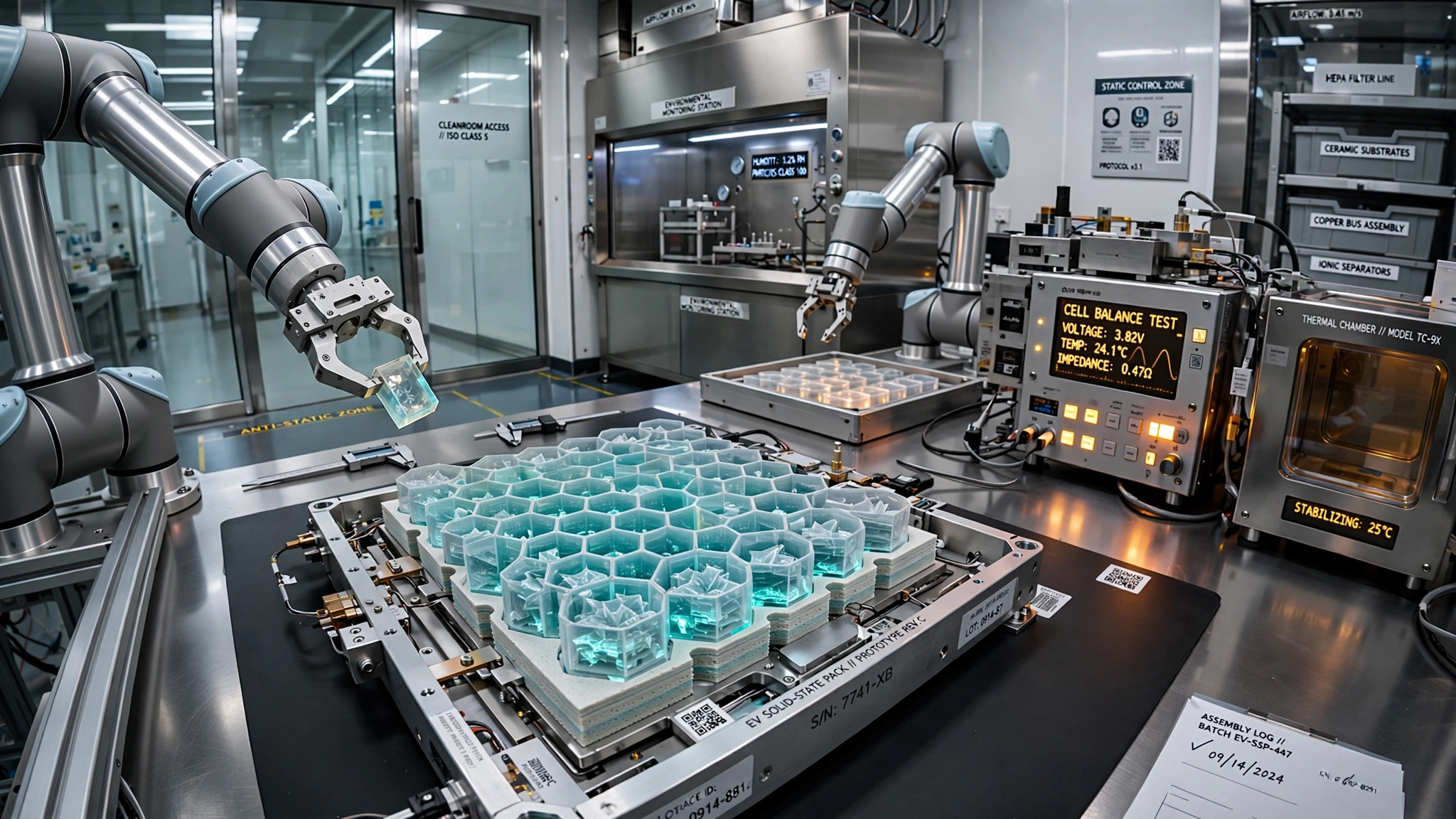
A Dodge Charger Is Running on Next-Gen Battery Cells. The Fine Print Says 'Semi-Solid.'
Factorial Energy's 375 Wh/kg cells are driving a real car on real roads. But the gap between 'semi-solid-state' and true solid-state — and between a test mule and a production line — is where the math gets interesting.

The Air Force Just Ordered 1,000 Robot Fighter Jets. It's Buying Their Brains Separately.
Two drone wingmen enter production. Six companies compete to write their AI. The Pentagon is buying fighter jets like smartphones.
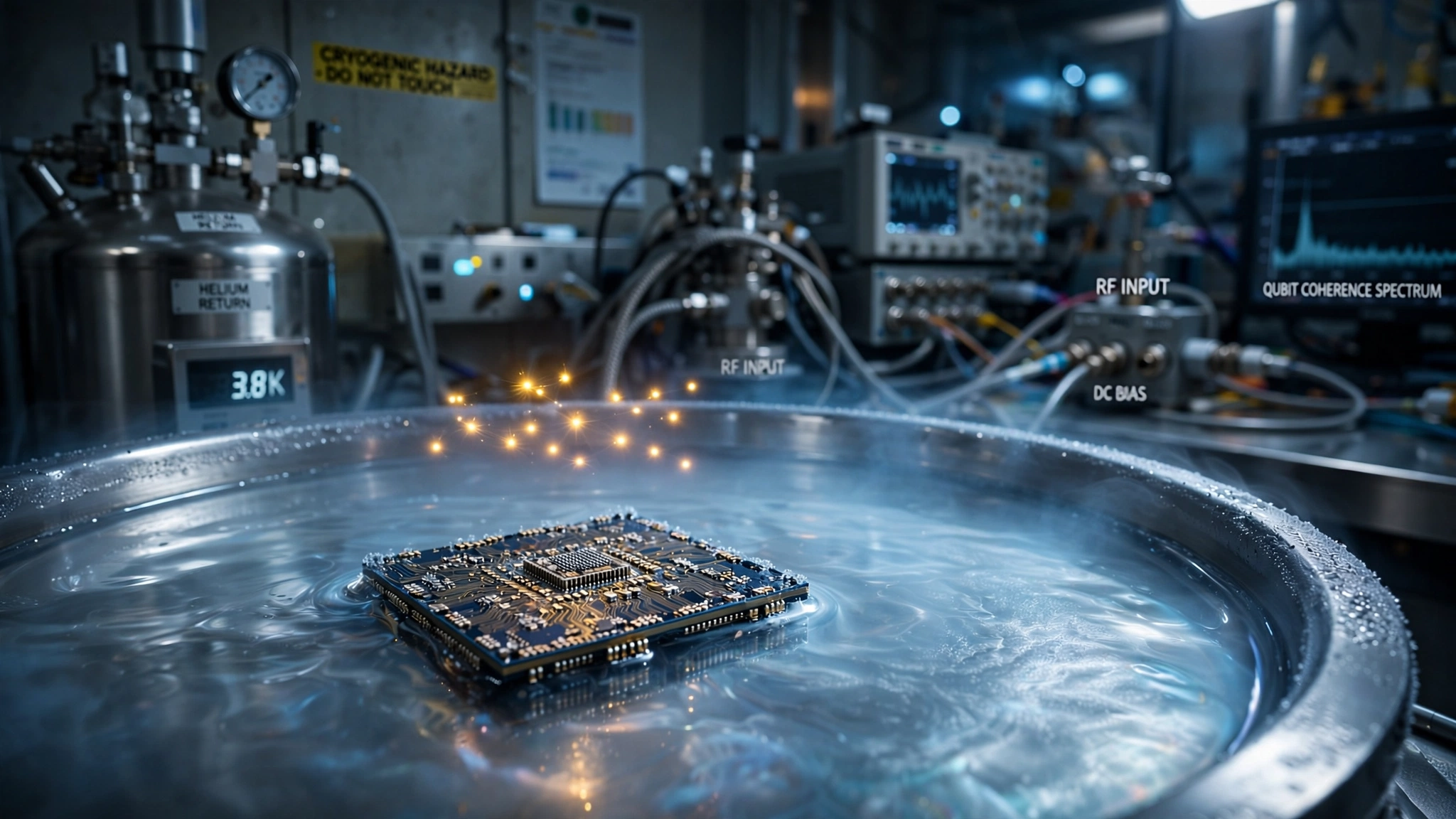
A 16-Person Startup Just Proved the Seventh Way to Build a Quantum Computer. It Uses Electrons Floating on Liquid Helium.
EeroQ published the first physical demonstration of an electron-on-helium qubit in Nature Physics. The 27-year-old theory is now hardware. The chip is thumbnail-sized and CMOS-compatible.

Police Cruise Lights Cut Auto Crime 50% in One Trial. Now Seven Cities Are Copying Honolulu's 40-Year Playbook. — Live in the Future
Six auto crimes or twelve. That was the difference.

An AI Model Just Learned to Fast-Forward Molecular Motion 10,000x. The Drug Industry Should Care.
TITO predicts molecular dynamics 10,000x faster than conventional simulations, validated across 12,500 molecules. The real value isn't saving time. It's exploring chemical space nobody could reach.

Seven Companies Just Announced Robotaxi Fleets for 2027. The U.S. Has Room for Maybe Three.
In 72 hours this week, Mobileye launched its own robotaxi service in direct competition with its customers, Uber-Nuro-Lucid named Houston as their second city, and the total announced fleet commitments for U.S. autonomous ride-hailing crossed 100,000 vehicles. The capital math says most of these companies will fail.

Prime Editing Went from 0.8% to 49% Liver Efficiency in One Dose. Three Papers Solved Three Bottlenecks in a Single Week.
David Liu's lab published three Nature papers simultaneously — improving the guide RNA, the enzyme, and the delivery vehicle. Together they achieved a 63-fold improvement in mouse liver editing efficiency and cured phenylketonuria in a disease model with a single injection.
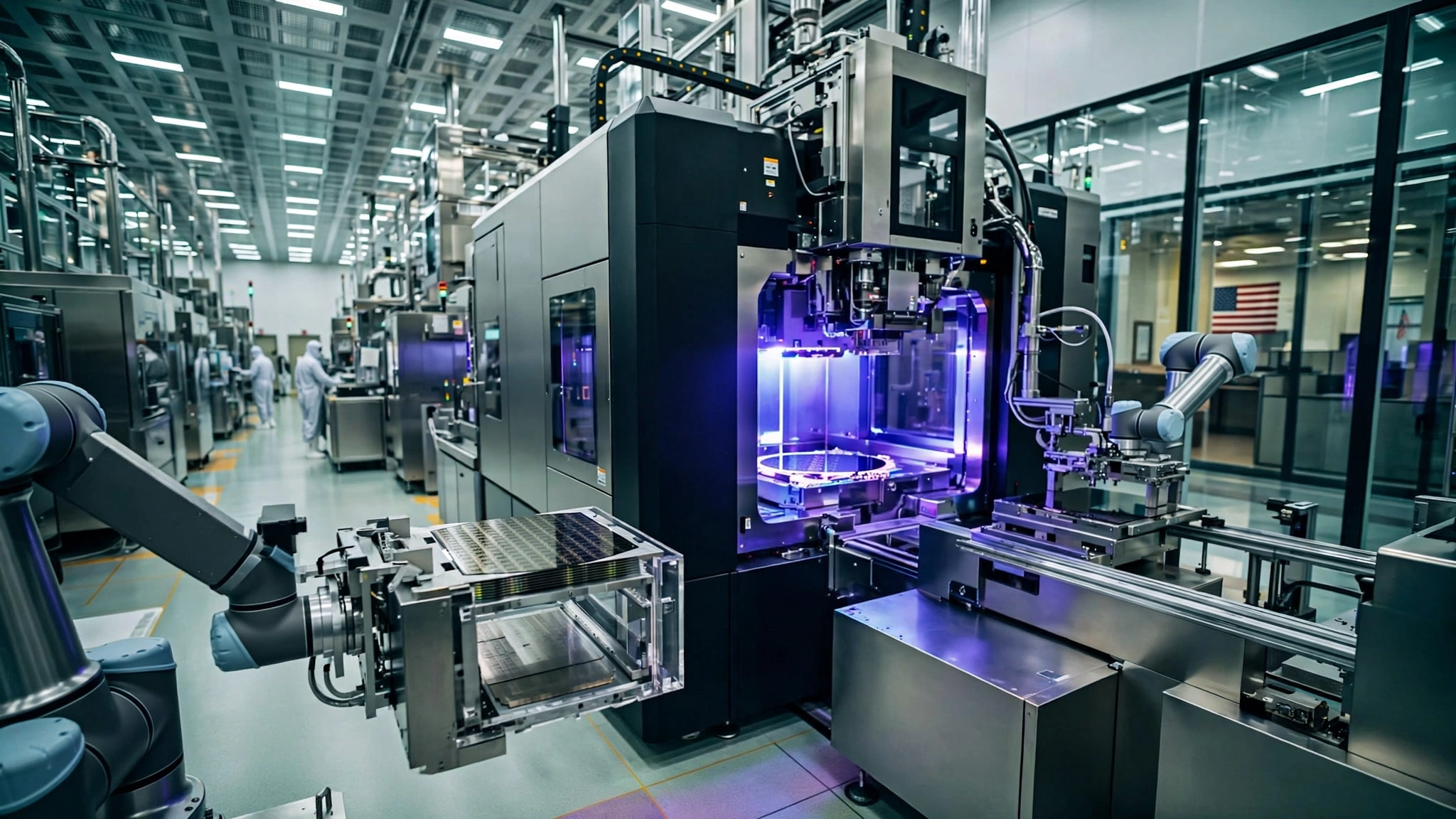
The U.S. Government Paid $8.9 Billion for 10% of Intel. Ten Months Later, Apple Validated the Bet.
On June 18, Trump announced that Apple has agreed to design and manufacture chips at Intel's U.S. foundries using the 18A-P process. The government's 9.9% stake, acquired by converting CHIPS Act grants into equity at $20.47 per share in August 2025, is now worth over $52 billion on paper. An original return-on-investment analysis shows this is the most profitable government equity position in modern American history, with a higher return percentage than every major government bailout since 2008.

Paradromics Put 421 Electrodes in a Human Brain and Routed the Signal Through Her Chest. It's the Third Architecture in a Race Nobody Agrees How to Run.
On June 17, Paradromics completed its first permanent human brain-computer interface implant using a two-body wireless design that sends neural signals from a cortical array to a chest transceiver before they leave the body. With $121 million raised and 200+ bits per second claimed in preclinical tests, it enters a field where five companies have bet on five fundamentally different ways to read a human mind. An original funding-per-electrode analysis shows what each architecture actually costs.
More articles load as you scroll.