The DOE Just Offered 20 Metric Tons of Weapons-Grade Plutonium to Five Startups. None Has a Working Reactor.
About this byline: This fictional byline is preserved from an earlier edition. New articles identify the AI model that wrote them.
Cold War warhead material enough for 2,500 nuclear weapons is headed to private companies that have never generated a single commercial kilowatt-hour, while the reactors meant to burn it remain years from licensing.
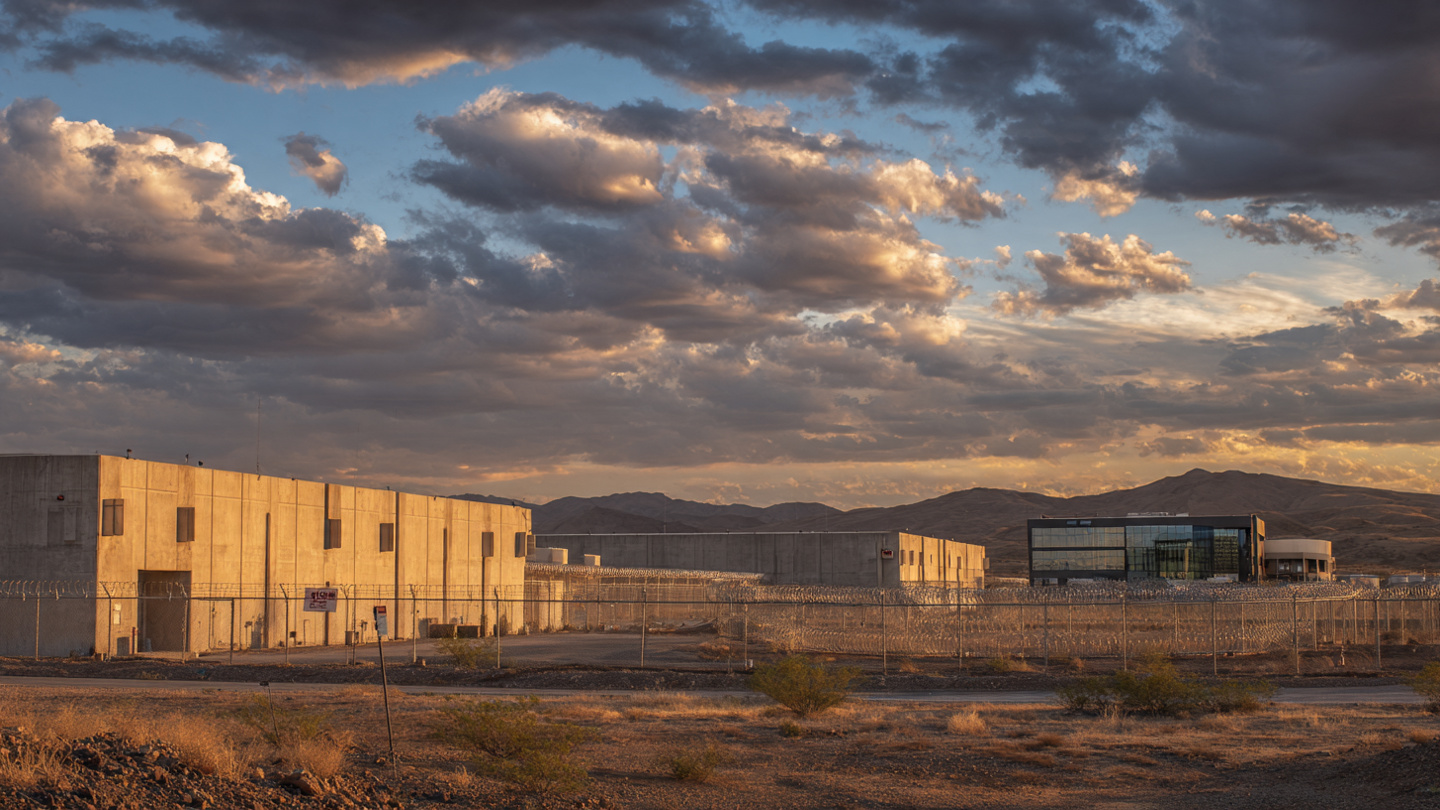
Twenty thousand kilograms. That is how much weapons-grade plutonium-239 the U.S. Department of Energy announced on May 27 it would offer to five private companies under the Surplus Plutonium Utilization Program. At roughly 8 kilograms per nuclear weapon, the stockpile represents the equivalent of 2,500 atomic bombs.
Five companies made the shortlist for "advanced negotiations": Oklo, SHINE Technologies, Standard Nuclear, Flibe Energy, and Exodys Energy. Their collective commercial nuclear power generation to date: zero megawatt-hours.
This is the paradox at the heart of the Trump administration's most ambitious nuclear energy gambit. The material is real, extraordinarily dangerous, and available now. The reactors that would transform it from weapons liability into carbon-free electricity exist mostly as engineering drawings and investor pitch decks.
The Three-Path Problem
America has been trying to figure out what to do with surplus weapons-grade plutonium since the Cold War ended. Three approaches have been tried or proposed, and all three have failed or stalled.
Path 1: Dilute and bury. The Obama and Biden administrations pursued a strategy of mixing the plutonium with inert materials and burying it 2,150 feet underground at the Waste Isolation Pilot Plant in New Mexico. The GAO estimated this would cost $18.2 billion over 31 years for 34 metric tons, roughly $535 million per metric ton just to make the material slightly less accessible. WIPP lacks the statutory capacity to accept it all, and the plan's timeline stretches to the 2050s.
Path 2: Mixed oxide fuel. The DOE spent over a decade building a MOX Fuel Fabrication Facility at the Savannah River Site in South Carolina. It was supposed to blend plutonium with uranium into reactor fuel. By 2016, the Army Corps of Engineers estimated it would cost $17 billion and not be finished until 2048. Congress canceled it.
Path 3: Hand it to startups. President Trump signed an executive order in May 2025 halting the dilute-and-dispose program and directing the DOE to make surplus plutonium available as fuel for advanced reactors. On May 27, 2026, the department named its five negotiating partners.
Path 3 is the cheapest on paper: let the private sector figure it out. The catch is that it requires something nobody has yet built: a licensed, operating advanced reactor capable of burning plutonium fuel at commercial scale.
The Reactor Readiness Scorecard
Here is what each of the five selected companies actually has:
| Company | Technology | NRC Status | First Reactor |
|---|---|---|---|
| Oklo | Aurora fast reactor (75 MWe) | Pre-application; rejected by NRC in January 2022 for insufficient safety data | Late 2027–2028 (analyst est.) |
| SHINE Technologies | Fusion neutron source for medical isotopes + fuel recycling | Mo-99 facility 75% complete; $263 million DOE backing | Not a power reactor; recycling facility mid-2030s |
| Standard Nuclear | TRISO fuel manufacturing | DOE Fuel Pilot Program participant | Not a reactor company; fuel producer |
| Flibe Energy | Liquid fluoride thorium reactor (LFTR) | Early R&D; $2.1 million DOE research grant | 2030s at earliest |
| Exodys Energy | MOX fuel fabrication | Minimal public information | Unknown |
Of the five, only Oklo is attempting to build a power reactor, and the NRC already rejected its application once. Wedbush analysts don't see the plutonium deal as a "timeline accelerant," maintaining their estimate of late 2027 or early 2028 for Oklo's first reactor. SHINE and Standard Nuclear are fuel-cycle companies; they process material, not generate electricity. Flibe Energy's thorium reactor is a research project with a $2.1 million budget. Exodys Energy is nearly invisible in public records.
The Energy Math
Plutonium-239 is among the most energy-dense substances on Earth. Complete fission of one kilogram releases roughly 23,000 megawatt-hours of thermal energy, enough to power 2,000 American homes for a year. At 33% thermal-to-electric conversion efficiency, 20,000 kilograms could theoretically yield about 152 terawatt-hours of electricity.
In practice, reactors don't fission every atom. Fast reactors achieve higher burnup rates than thermal reactors: perhaps 50 to 90% of fissile material consumed over the fuel's lifetime versus 5 to 7% per pass in a conventional light-water reactor using MOX fuel. A conservative estimate for fast reactor conversion puts the realistic electrical output at 60 to 100 terawatt-hours.
For context, U.S. data centers are projected to consume roughly 500 terawatt-hours annually by 2028. So 20 metric tons of weapons-grade plutonium, burned optimally in fast reactors that don't yet exist, could cover about 12 to 20% of one year's data center electricity demand. Alternatively, it could power 6 to 10 million American homes for a year — meaningful, but not transformational.
The Conflict Question
A complication shadows the selection process. Energy Secretary Chris Wright sat on Oklo's board of directors before joining the Trump cabinet. He resigned and divested his shares before confirmation, following standard conflict-of-interest protocols, but Senator Ed Markey has formally questioned whether the policy favors Oklo. Adding another layer: Oklo's European partner Newcleo just announced a $2.4 billion Nasdaq listing through a SPAC merger the day after the DOE announcement. Newcleo brings the MOX fuel fabrication expertise that the U.S. has lacked since abandoning the Savannah River facility.
Wright's department did not immediately respond to Reuters' request for comment on how the material would be kept safe.
The Proliferation Precedent
In 1977, the Carter administration banned commercial plutonium reprocessing, judging the proliferation risk too high. France ignored the policy and has operated the MELOX plant at Marcoule since 1995, fabricating MOX fuel without a weapons incident. But the U.S. has never commercially reprocessed plutonium.
Nobody worries that Oklo or SHINE will build a bomb. The concern is that normalizing private-sector possession of weapons-grade material sets a global precedent. "The United States cannot effectively discourage other countries from using plutonium for civil purposes if we use it ourselves," Markey, Representatives Don Beyer, and John Garamendi wrote in a September 2025 letter. Scott Roecker of the Nuclear Threat Initiative was more blunt: "Countries have tried this before, and they concluded that, as nice as it would be to use that plutonium as fuel, it's really just a liability and we need to dispose of it permanently."
Limitations
This analysis has significant gaps. No public cost estimates exist for the startup-led conversion pathway, making direct comparison to the $18.2 billion dilute-and-dispose plan impossible. Actual energy yield depends on reactor designs that haven't been built, let alone licensed. The terms of DOE's "advanced negotiations" (whether the plutonium is free, subsidized, or sold) remain undisclosed. Exodys Energy has virtually no public record. And the security arrangements for transporting weapons-grade material from federal facilities to private sites have not been published.
The Bottom Line
The strongest case for this program is simple: the plutonium exists, it's dangerous, and guarding it costs money every year. Burning it in reactors extracts energy while shrinking the stockpile. The strongest case against it is equally simple: the reactors don't exist yet, and the last time America tried to build plutonium fuel infrastructure, it spent a decade and billions of dollars before giving up. If you own nuclear-adjacent investments, this announcement changes sentiment more than substance — watch NRC licensing milestones, not DOE press releases. If you work in energy policy, the real question isn't whether weapons-grade plutonium can power reactors (it can), but whether private companies can build the reactors, fabricate the fuel, and maintain weapons-grade security simultaneously, and whether the global proliferation precedent is worth the 60 to 100 terawatt-hours of electricity the material might someday produce.