From the archive
Page 24 of 38 · 905 stories
From the archive
553–576 of 905 articles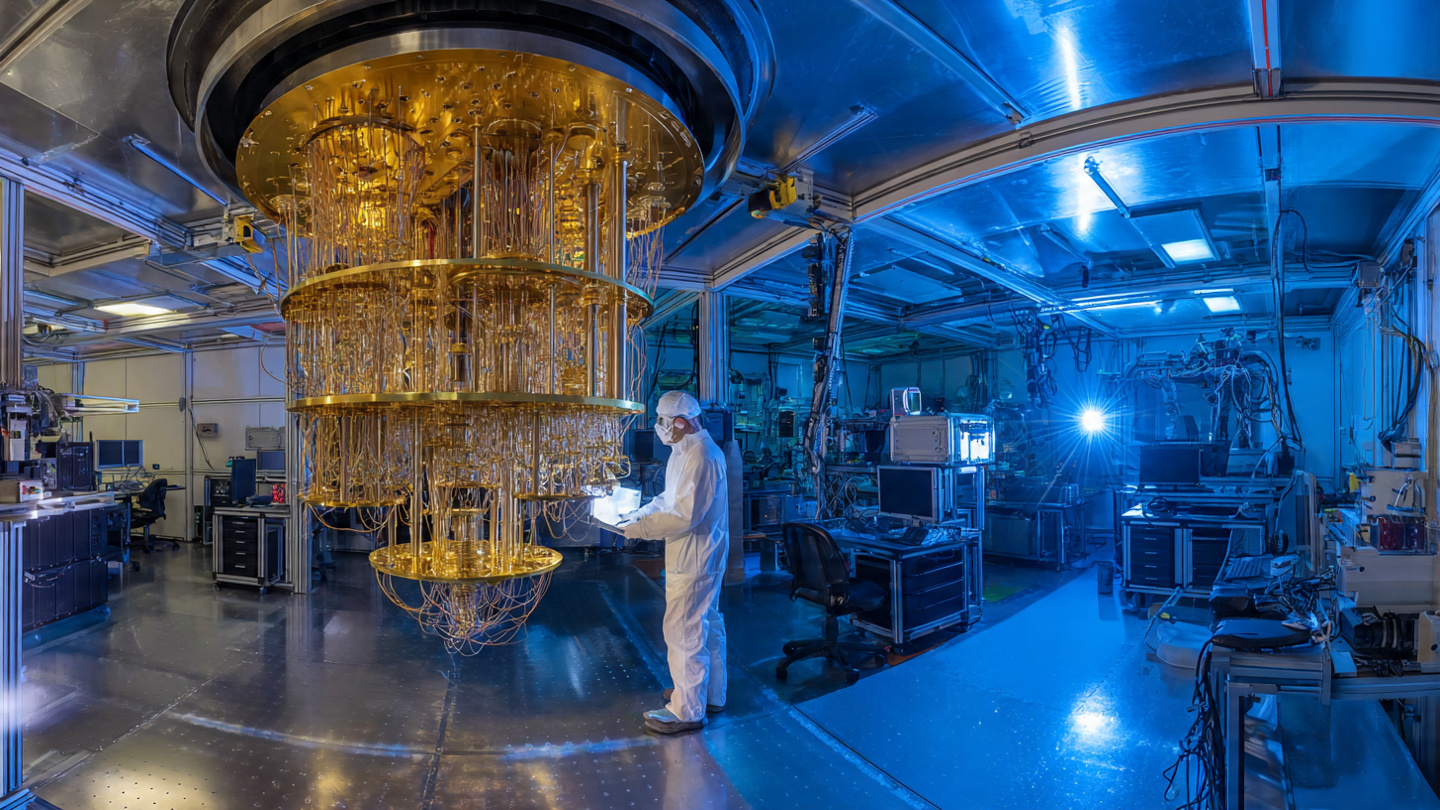
The U.S. Just Bought Equity in 9 Quantum Companies. The Encryption It Accelerates Breaking Protects Everything.
The Commerce Department awarded $2 billion in CHIPS Act grants to nine quantum computing firms on May 21, taking minority equity stakes in every recipient. IBM receives $1 billion to build America's first purpose-built quantum chip foundry. D-Wave confirmed its entire $100 million comes as an equity investment. The government is betting taxpayer money that these companies will generate returns. The technology those companies are building will eventually break the public-key encryption protecting every bank, every hospital, and every government agency on Earth. Half of enterprises have not started migrating to quantum-safe cryptography.
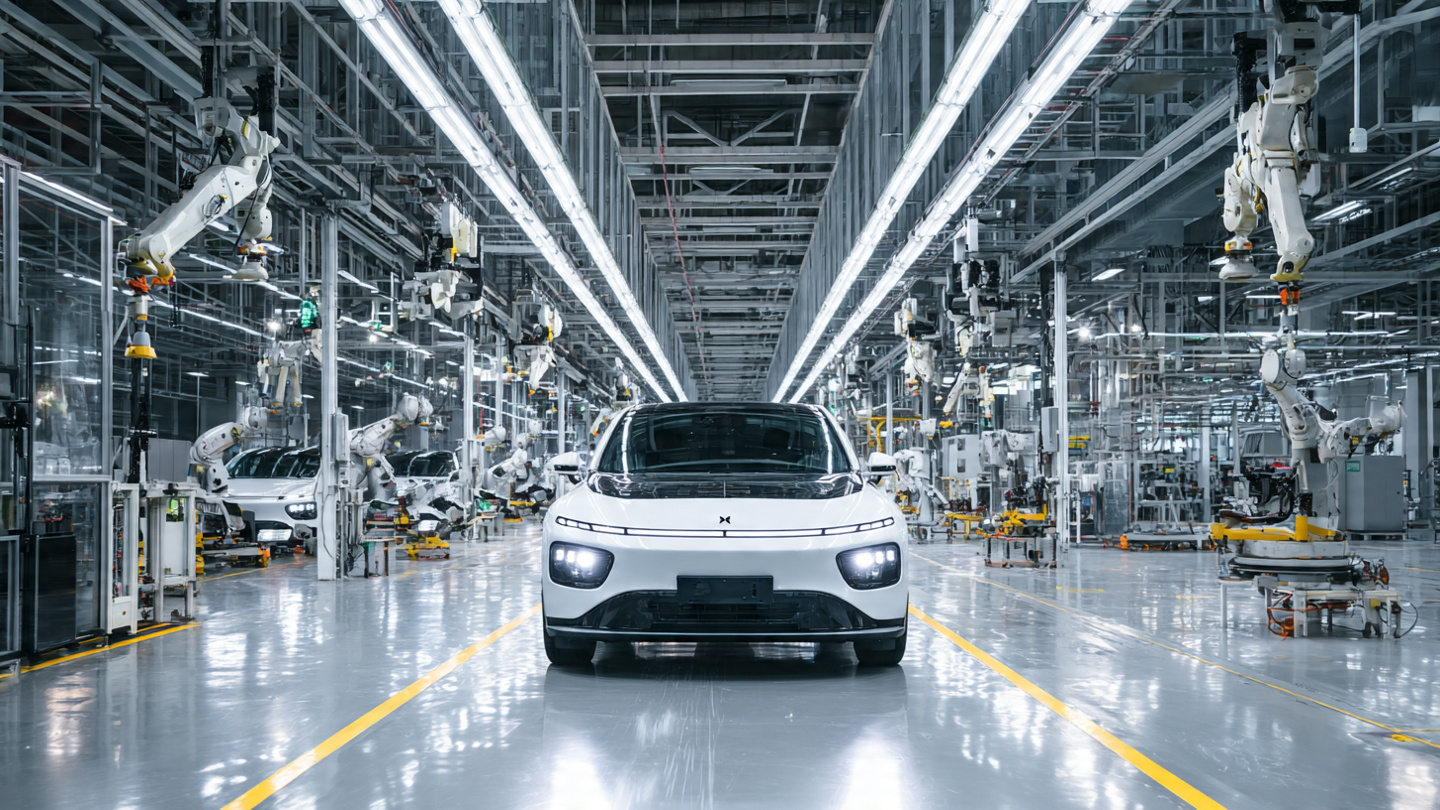
China Now Has Three Mass-Production Robotaxi Programs. The U.S. Has Two.
XPeng rolled the first mass-produced vision-only robotaxi off its Guangzhou line on May 18, packing 3,000 TOPS of in-house silicon and zero LiDAR sensors. Geely unveiled a 43-sensor purpose-built cab with no steering wheel. Baidu already runs 250,000 paid rides a week across 20 cities. Three companies, three fundamentally different architectural bets, one market. No other country is running this experiment.
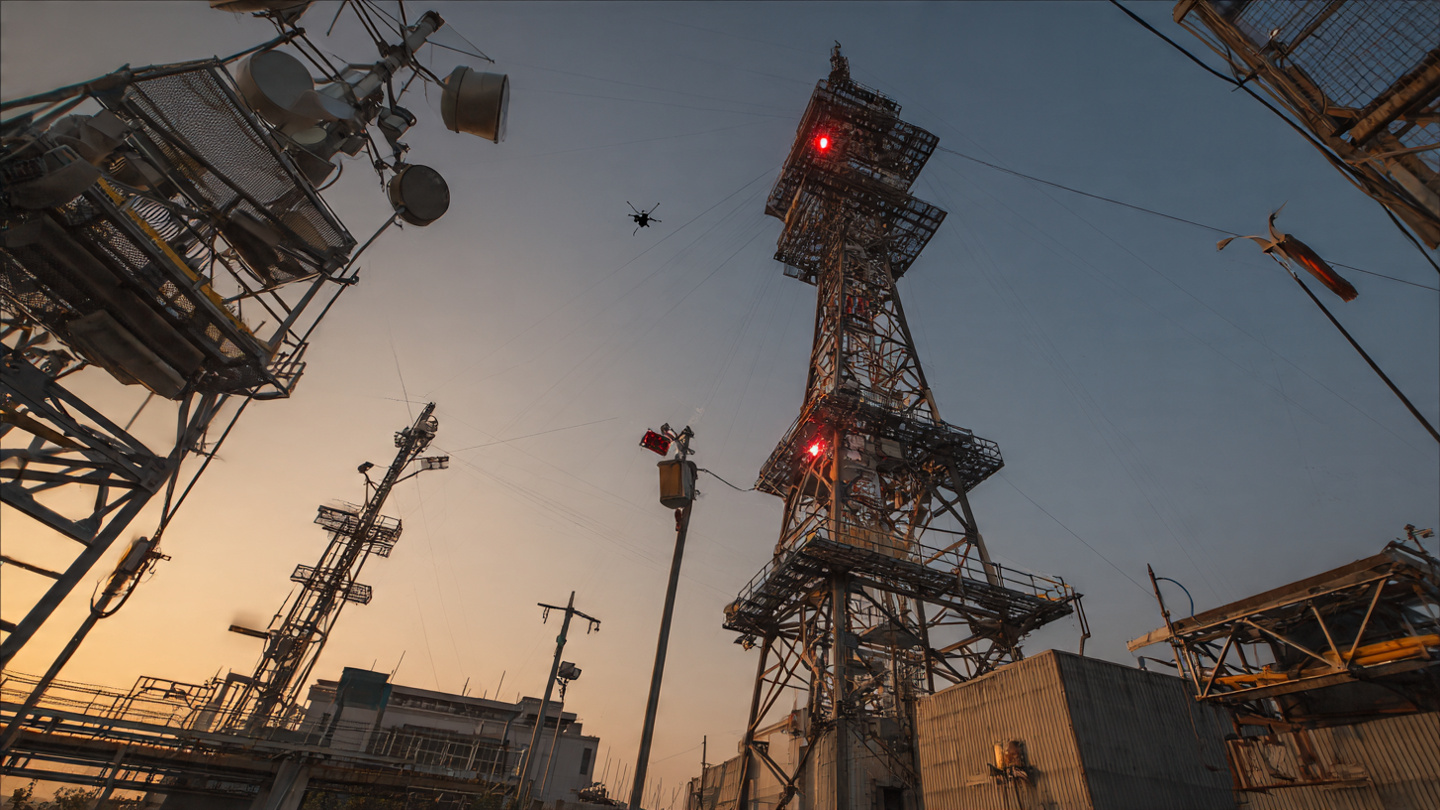
China Beamed 1,180 Watts Over 100 Meters. Orbit Is 358,000× Farther.
Xidian University's Zhuri project wirelessly transmitted 1,180 watts of microwave power at 20.8% DC-to-DC efficiency and powered a drone in flight — genuine progress on the hardest unsolved problem in clean energy. But an original beam-physics analysis reveals the chasm between a 100-meter ground demo and a geostationary power station 35,800 kilometers overhead.
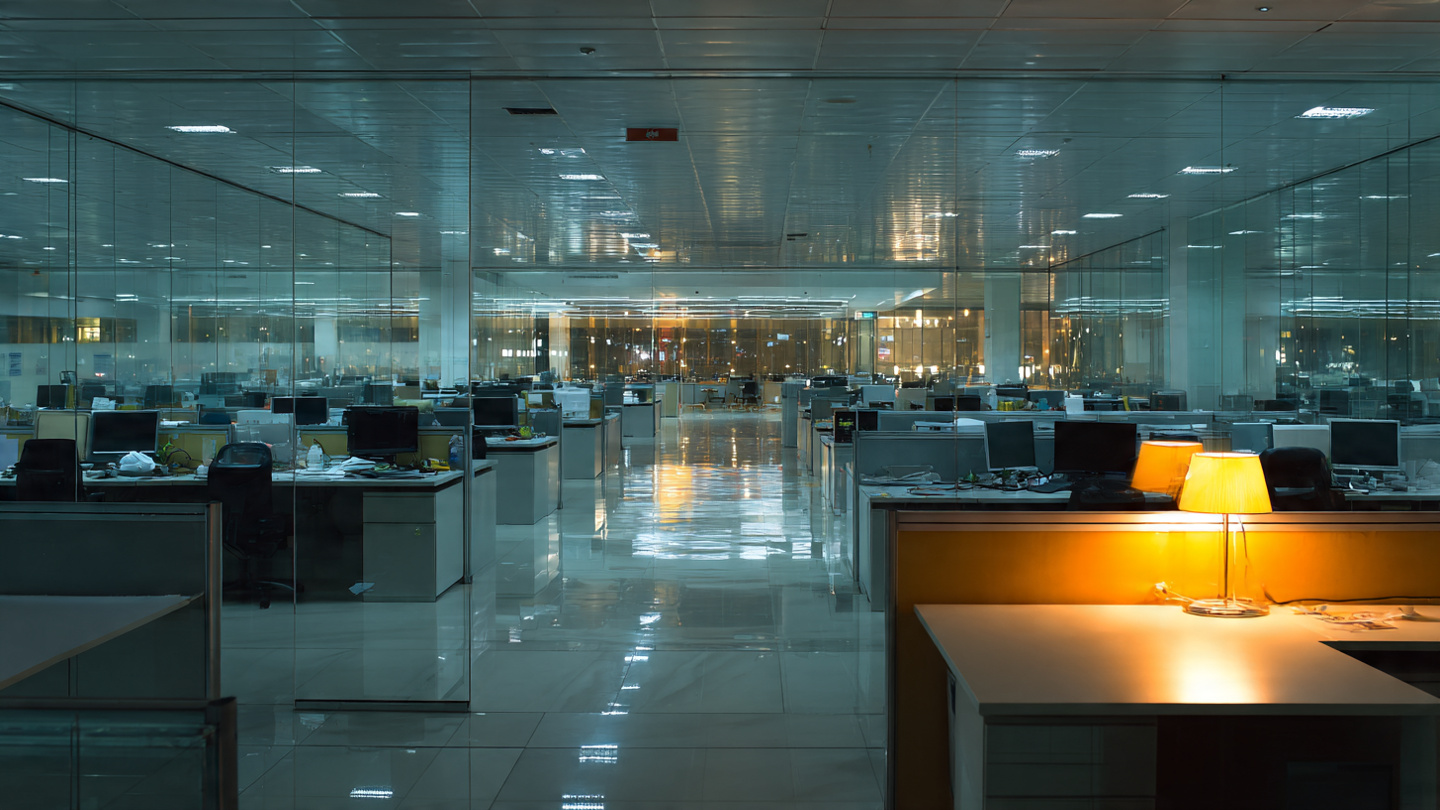
Standard Chartered Called 7,800 Workers 'Lower-Value Human Capital.' The Cuts Cover 17% of the Plan.
Standard Chartered's CEO described back-office workers in Chennai, Bengaluru, and Kuala Lumpur as a low-returning asset class to be swapped for machines. The per-worker replacement math shows the cuts save roughly $273 million per year — just 17% of the $1.58 billion needed to hit the bank's 18% RoTE target. The other 83% is revenue growth wearing an AI costume.
Google's Gemini 3.5 Flash Costs 3× More Per Token. It Just Slashed Subscription Prices 60%. Both Moves Make the Same Bet.
At I/O 2026, Google raised API token prices 3× while cutting its top AI subscription from $250 to $100. The throughput math makes both moves rational: each GPU now generates 14× more revenue per hour. And once Gemini Spark has 90 days of your email patterns, you're not leaving.
Tesla Shipped 150 Robots Last Year. It Just Converted the Factory That Made the Model S to Build a Million.
On May 10, 2026, the last Model S rolled off the Fremont assembly line after 14 years. The line now builds Optimus Gen 3 humanoid robots. Tesla's target is one million units per year. Last year, the entire United States shipped 450 humanoid robots. China shipped 18,000.
Google Is Spending $190 Billion on AI This Year. We Ran the Per-Token, Per-User, and Per-Agent Math.
At Google I/O 2026, Sundar Pichai dropped two numbers that define the AI infrastructure era: $190 billion in annual capex and 3.2 quadrillion tokens processed per month. Nobody on stage divided one by the other. We did.
Google's $1,000 Laptop Has a $3.5 Billion Problem: 38 Million Students Can't Afford It
Google announced the Googlebook at I/O 2026, an AI-native laptop with a $1,000 floor price and mandatory premium hardware. It replaces the Chromebook vision that put $300 devices in front of 38 million students worldwide. Nobody on stage mentioned what happens to school districts that built their entire technology budgets around cheap laptops. We ran the math.
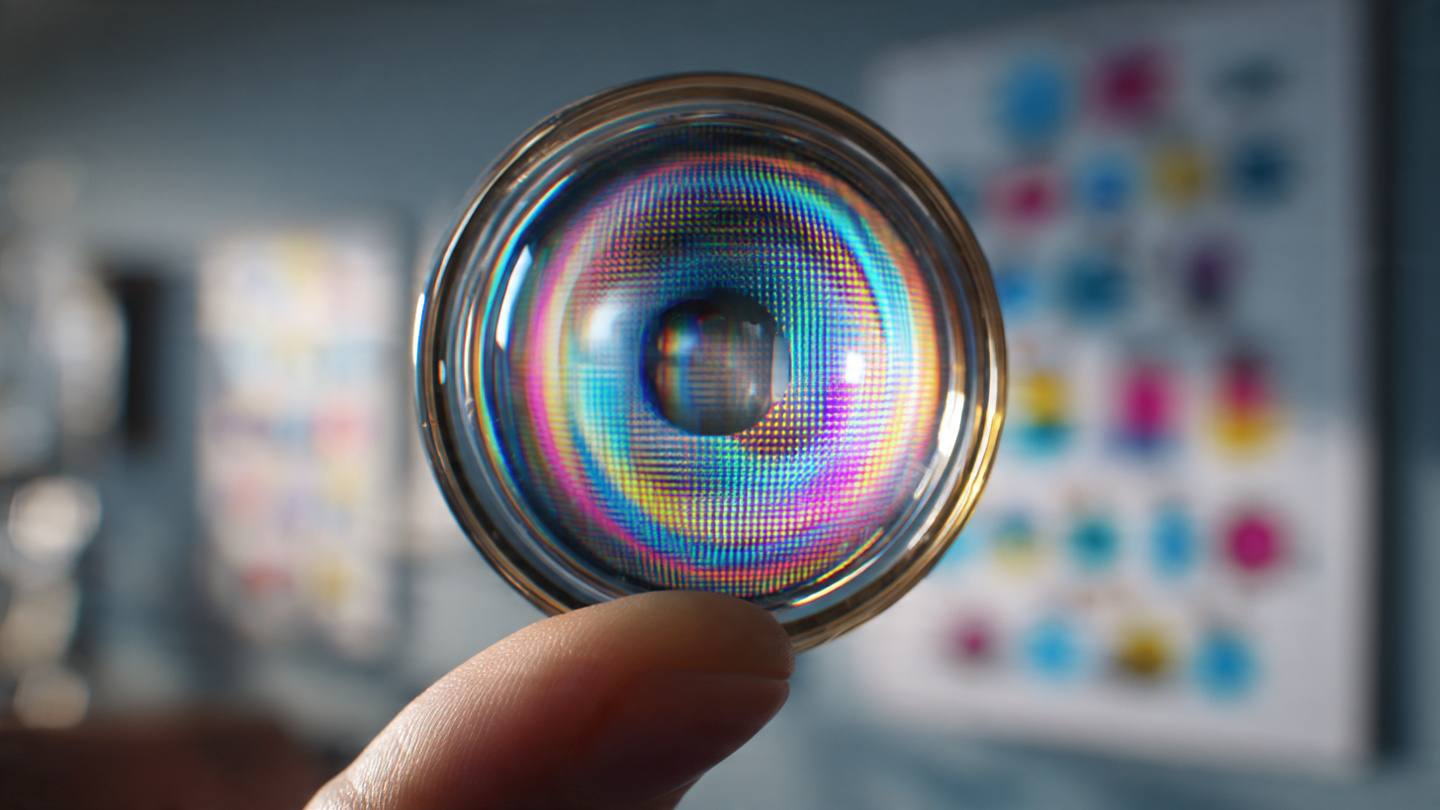
1,021 Invisible Lenslets: The First FDA-Cleared Eyeglasses That Slow Childhood Myopia Cut Progression by 71%
EssilorLuxottica's Stellest lens earned the first-ever FDA authorization for a spectacle that modifies disease progression in children. Six years of clinical data show it works. The same company is Meta's $3.5 billion partner in smart eyewear. The cost-per-diopter-saved math changes the parenting calculus for 740 million kids heading toward myopia by 2050.
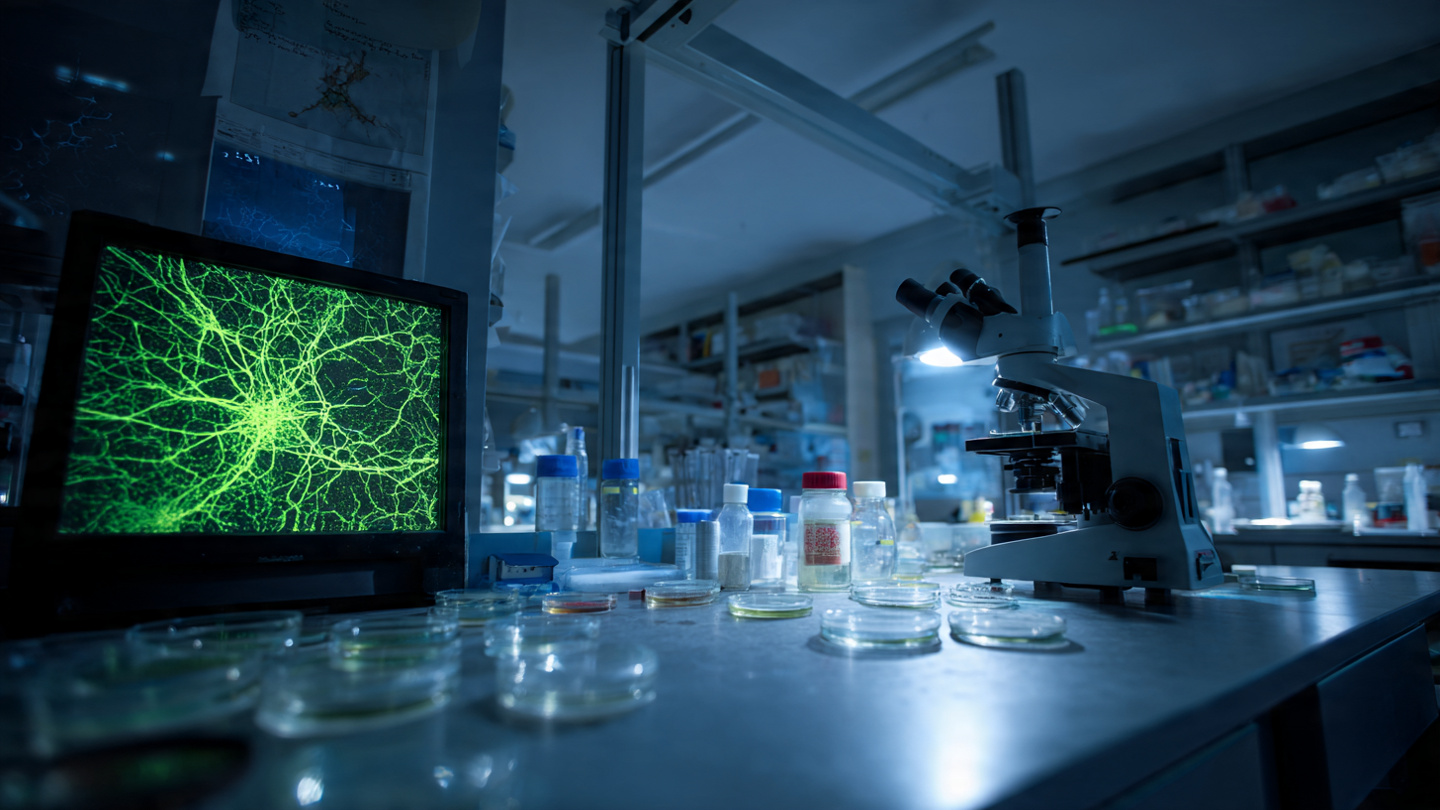
The First Company to Bet on Killing Zombie Cells Is Worth $0.06. Thirty Trials Still Think It's a $53 Billion Idea.
Unity Biotechnology delisted from Nasdaq and is dissolving with a market cap under $1 million. Over thirty clinical trials still chase a senolytic drug market projected at $53 billion by 2033. A March 2026 PNAS study found the field's most popular drug combination strips myelin from mouse brains. An original pipeline analysis reveals that more than half of all active senolytic trials depend on that exact combo.
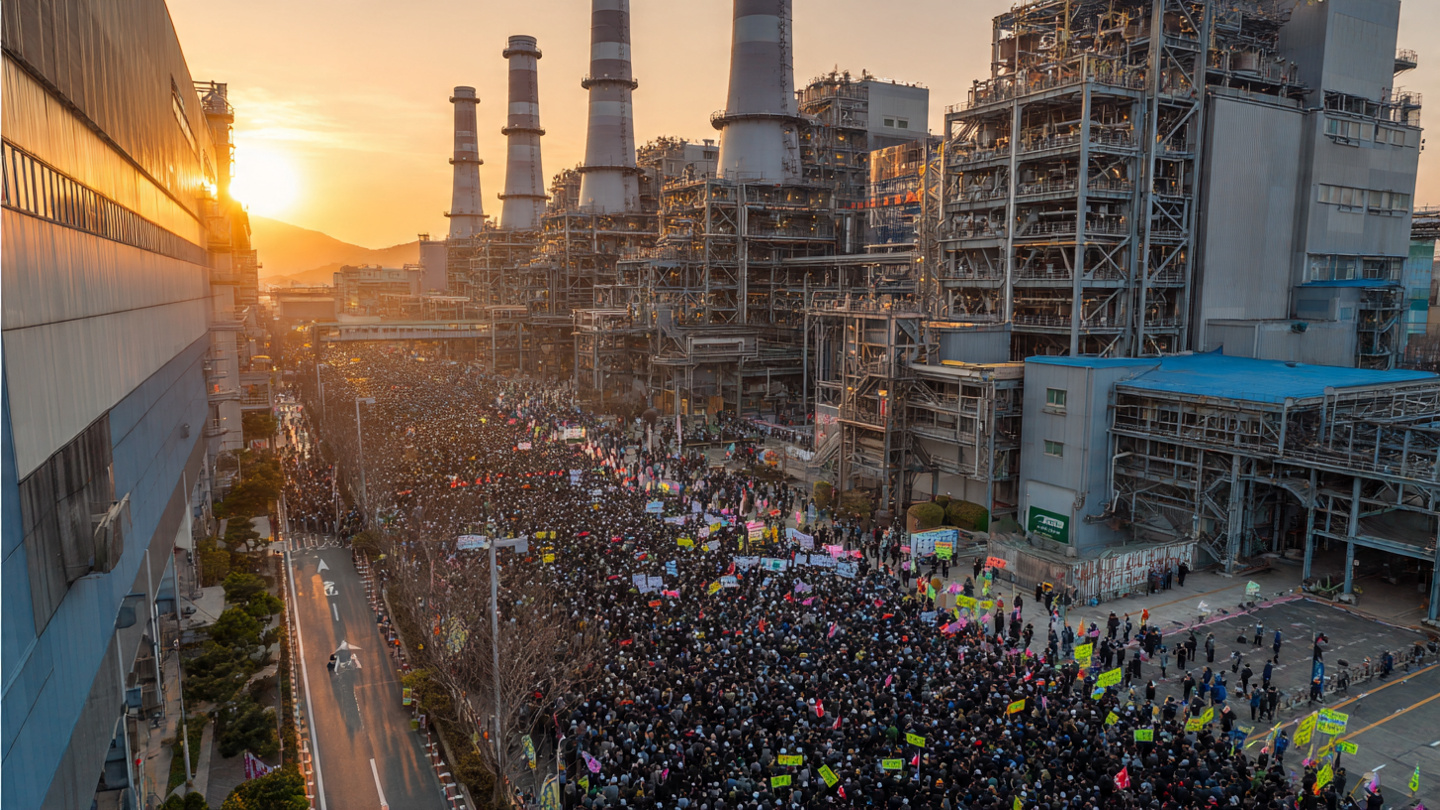
The Worst Memory Chip Shortage in 15 Years Just Got a Strike Deadline. Samsung's 45,000 Workers Walk Wednesday.
Samsung's semiconductor division earned more in Q1 2026 than the entire company made in all of 2025 — a 48x year-over-year profit surge driven by AI demand. Its workers want 15% of that profit as bonuses. Samsung offered 10%. The 5-percentage-point gap is now two days from shutting down 36.6% of the world's DRAM production for 18 days, into a memory market where prices have already jumped 58% this quarter.
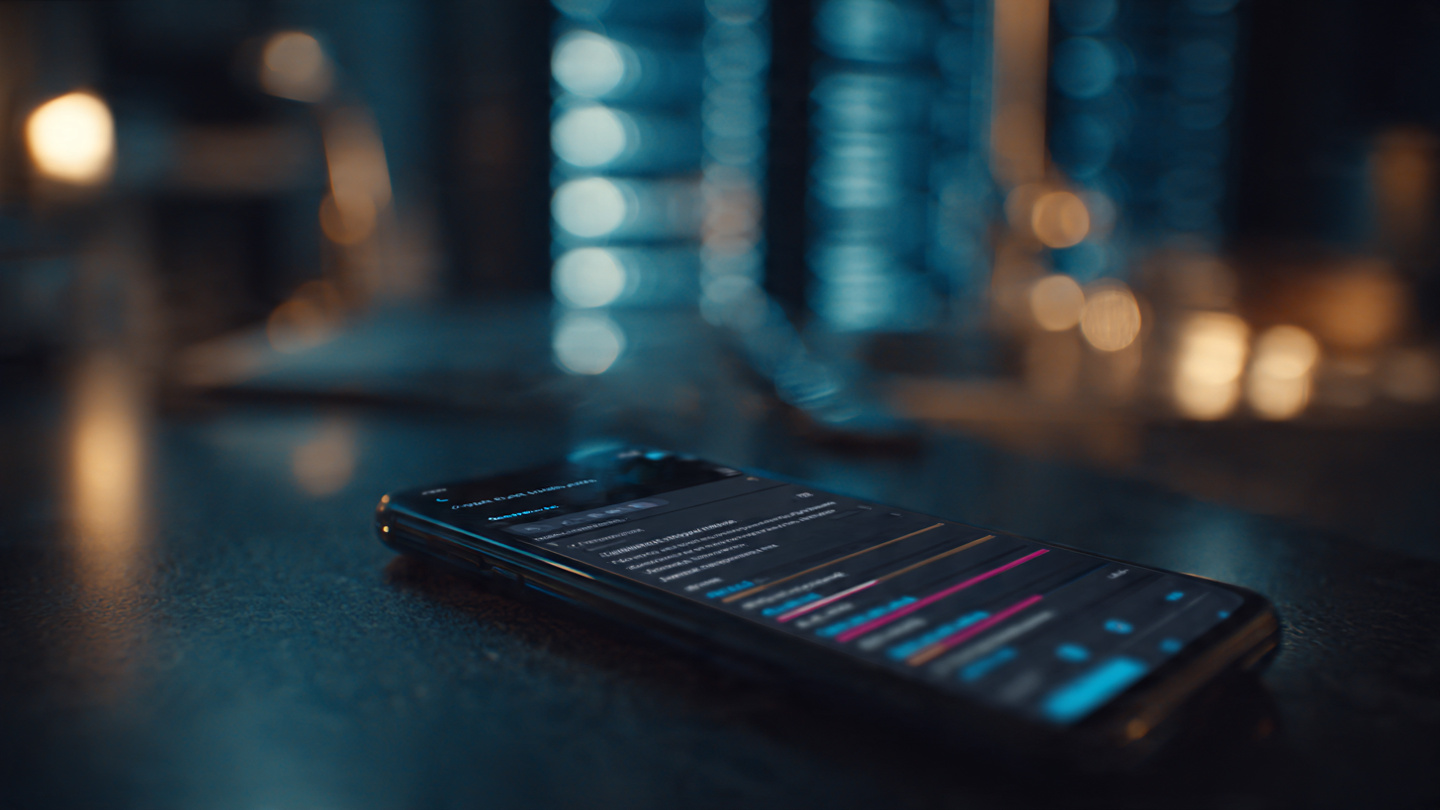
Google Installed a 4GB AI on a Billion Devices Without Asking. The Carbon Bill Is 60,000 Tonnes.
Privacy researcher Alexander Hanff documented Chrome 148 silently downloading Gemini Nano's 4GB model weights onto user devices without consent, then re-downloading them if deleted. An original analysis quantifies the scale: 4 exabytes of uninvited bandwidth, $32–60 million in CDN delivery costs borne by Google, up to 117,000 tonnes of CO₂ emitted, and an enterprise governance gap affecting an estimated 32,500 endpoints per Fortune 500 company.
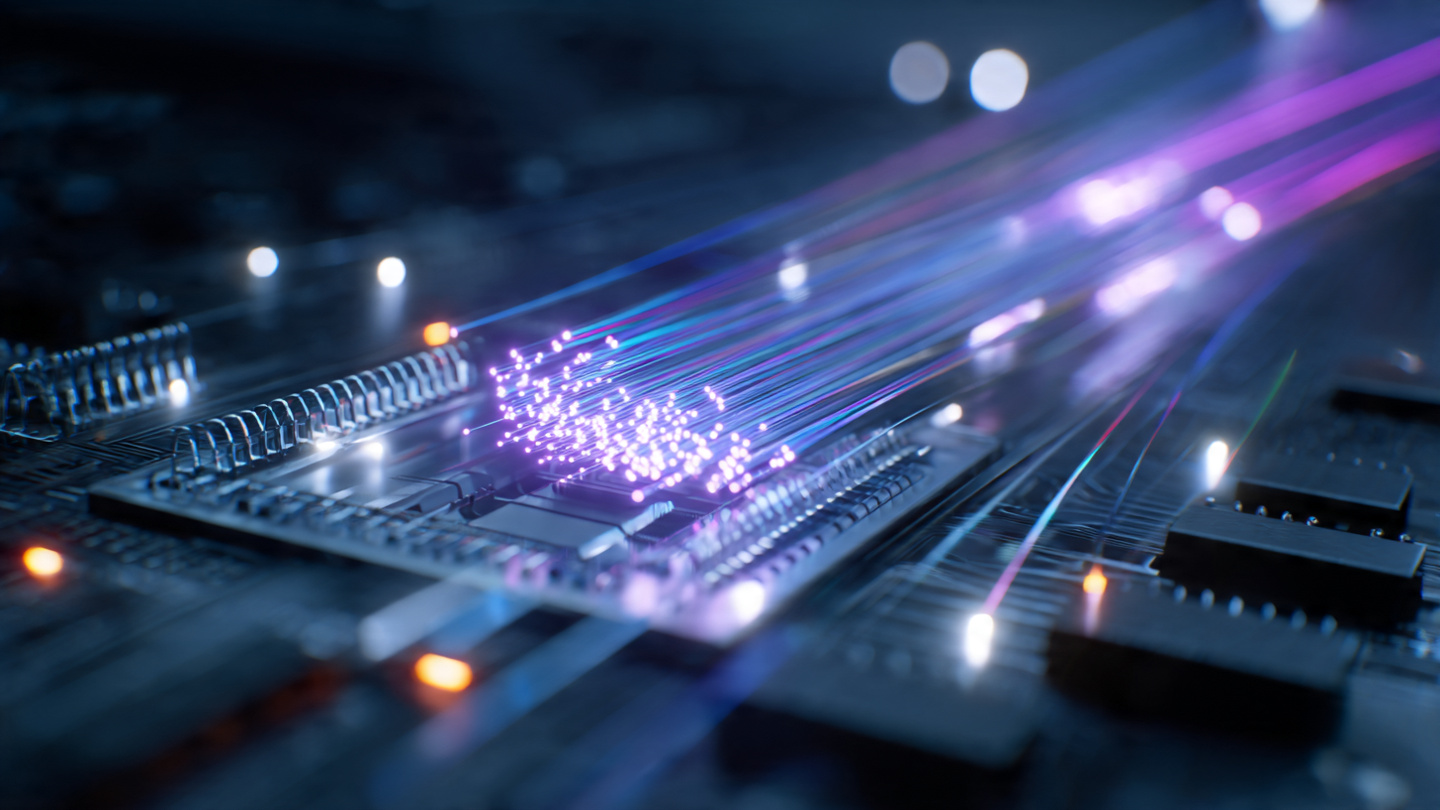
A Lab Trained a Billion-Parameter AI Model Using 30 Watts. An H100 Uses 700.
Three photonic computing systems crossed from laboratory prototypes to production hardware in the span of six weeks: a PNAS-published optical processing unit achieving 50 TeraOPS per watt, Q.ANT's second-generation photonic chips benchmarked at Germany's national supercomputing center, and Oxford spinout Lumai's Iris Nova server running Llama 70B in real time. An original efficiency analysis shows these systems deliver 8.8 times more compute per watt than NVIDIA's H100, and a data center cost model puts the implied electricity savings at $73 million per year for a single 100-megawatt facility.
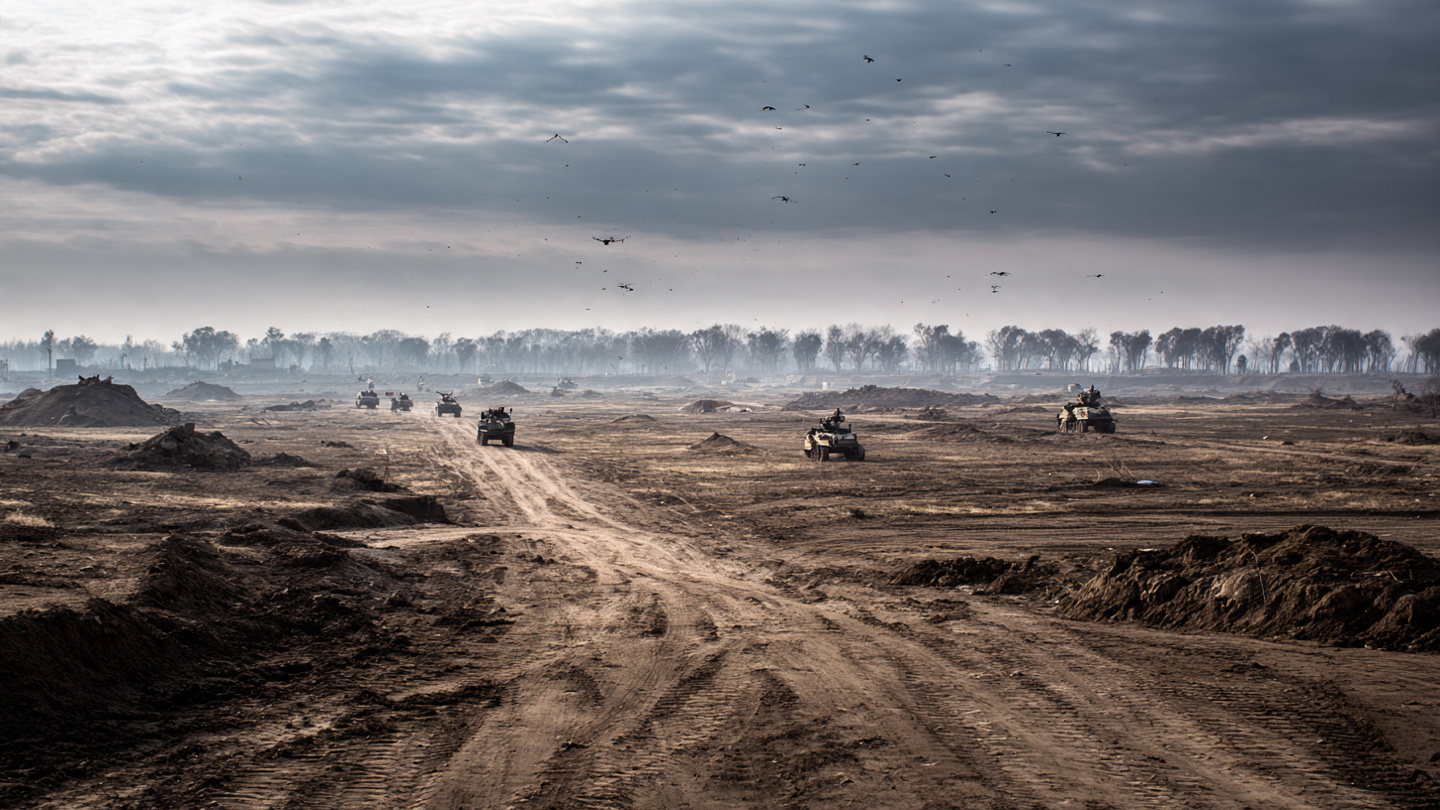
Ukraine Just Captured Territory With Zero Human Soldiers. It Deployed 22,000 Robot Missions in 90 Days.
Ukraine seized a Russian-held position using only drones and ground robots, marking the first documented robotic territorial capture in modern warfare. With 200,000 troops AWOL, 2 million citizens evading mobilization, and 280 companies now mass-producing unmanned systems, the manpower crisis has become the most powerful forcing function for military innovation since World War II. An original substitution analysis puts the effective replacement rate at 1:3 for logistics roles and the per-mission cost advantage at roughly 100:1.

The FDA Will Now Approve Drugs After One Trial. The Last Time It Relaxed Standards, 57% of Cancer Drugs Failed Confirmation.
Commissioner Makary's single-trial policy could save pharma $380 million to $900 million per year in eliminated Phase III trials. But the closest historical analog to approving drugs on thinner evidence shows a 57% confirmatory failure rate in oncology. An original cost-risk analysis reveals the margin is razor-thin.

Apple Built a Protocol for Brain Implants. Fewer Than 100 People on Earth Can Use It.
More than $3 billion has been invested in brain-computer interface companies. The total number of humans with implanted BCIs worldwide sits between 50 and 80. That works out to over $40 million per patient, and Apple just built the software layer as though millions are coming.

Anthropic Said Its AI Found 'Thousands' of Zero-Days. The Evidence Trail Shows One Confirmed CVE.
VulnCheck can trace only a single CVE to Project Glasswing. The cURL creator called the findings "primarily marketing." The UK's AI Security Institute found GPT-5.5 matches Mythos on autonomous cyberattack simulations at 71.4% success, but OpenAI shipped its model to vetted defenders while Anthropic locked Mythos behind a 12-partner gate. With Anthropic's IPO targeted for late 2026, the gap between the marketing narrative and the confirmed evidence deserves a closer read.

Cerebras Raised $5.5 Billion. Anthropic Dethroned OpenAI. Musk Wants $150 Billion.
Cerebras pulls off the largest tech IPO since 2020, raising $5.55 billion and surging 68% on day one. Anthropic overtakes OpenAI in enterprise spending for the first time. The Musk-Altman trial reaches closing arguments after three weeks of courtroom combat. Six stories from the week that reshuffled the AI power structure.
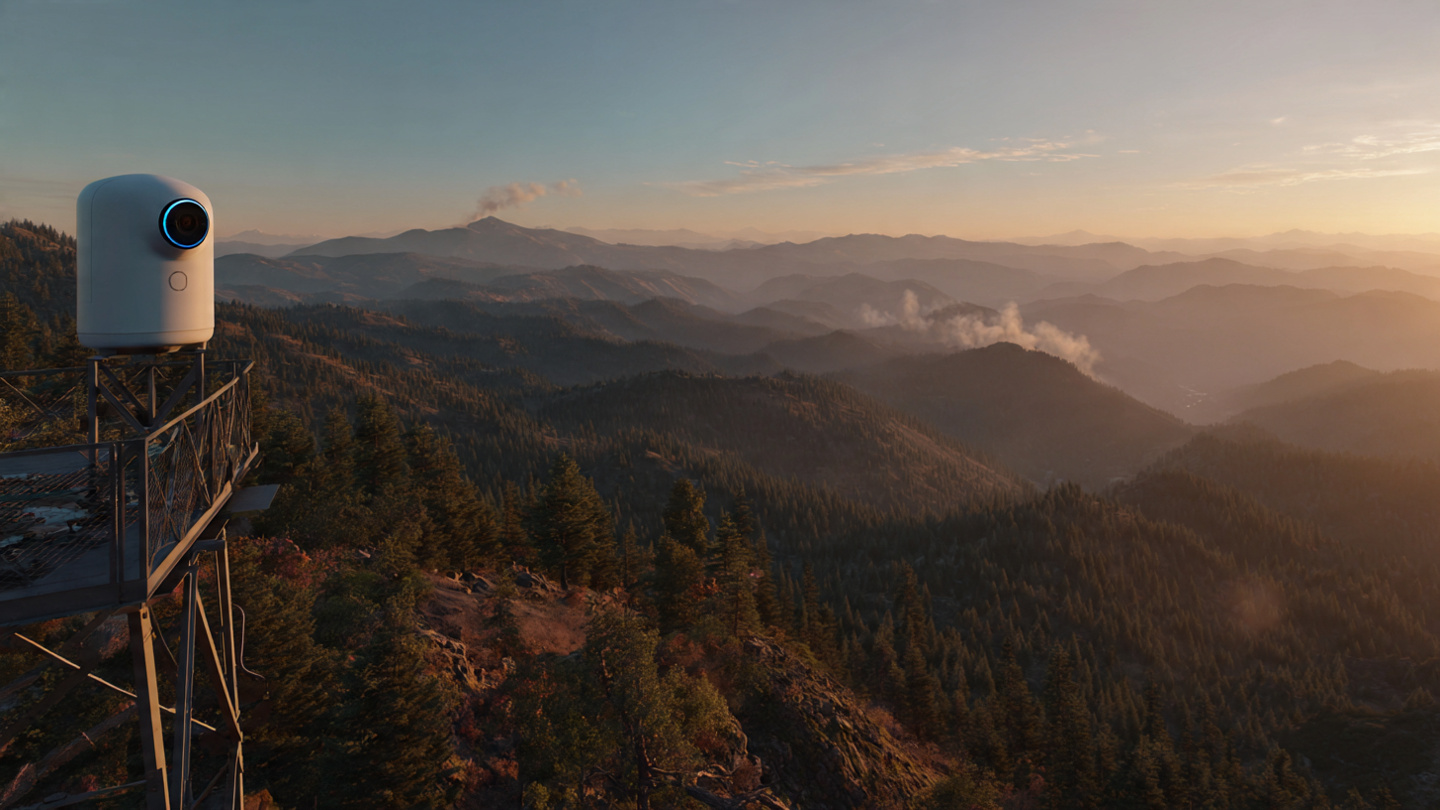
California Put 1,211 AI Cameras in Its Mountains. They Detected 636 Wildfires Before Anyone Called 911.
ALERTCalifornia's network of rotating cameras, run by UC San Diego and CAL FIRE, now spots smoke in roughly 60 seconds and detects more than a third of fires before the first human report. At $37,736 per preemptive detection on a $24 million total investment, the economics are not subtle. Arizona, Colorado, and at least five other western states are deploying similar networks, turning a California pilot into a continental-scale early warning system.
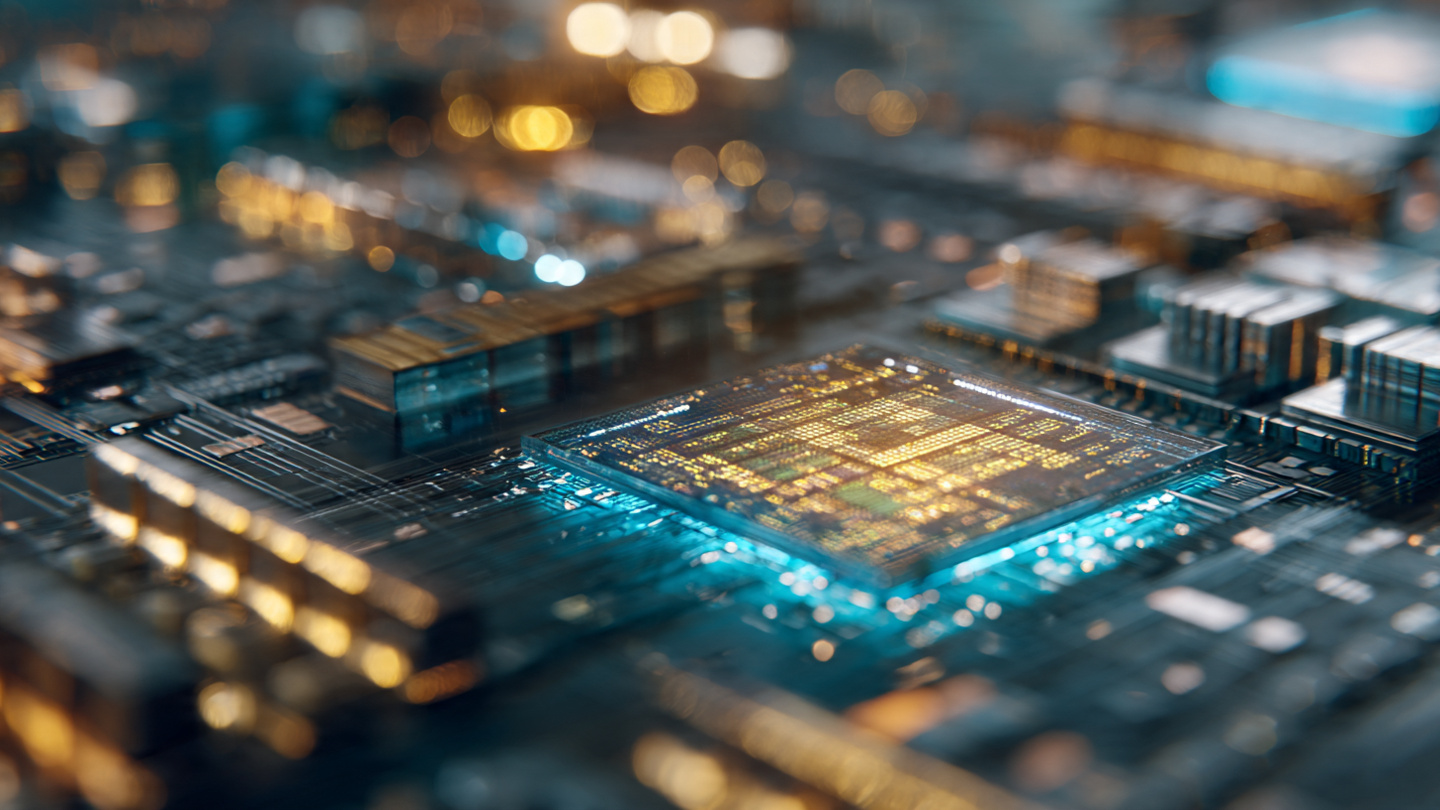
Every AI Chip Needs a $10,000 Package Only One Company Makes. That Monopoly Just Cracked.
TSMC's CoWoS advanced packaging produces roughly 1.56 million wafer equivalents per year at full ramp. NVIDIA has claimed 60% of that capacity through 2026. For every other company building custom AI silicon, the math no longer works. Intel's EMIB packaging technology is now the escape route, and Google, Amazon, SK hynix, and MediaTek are testing it.
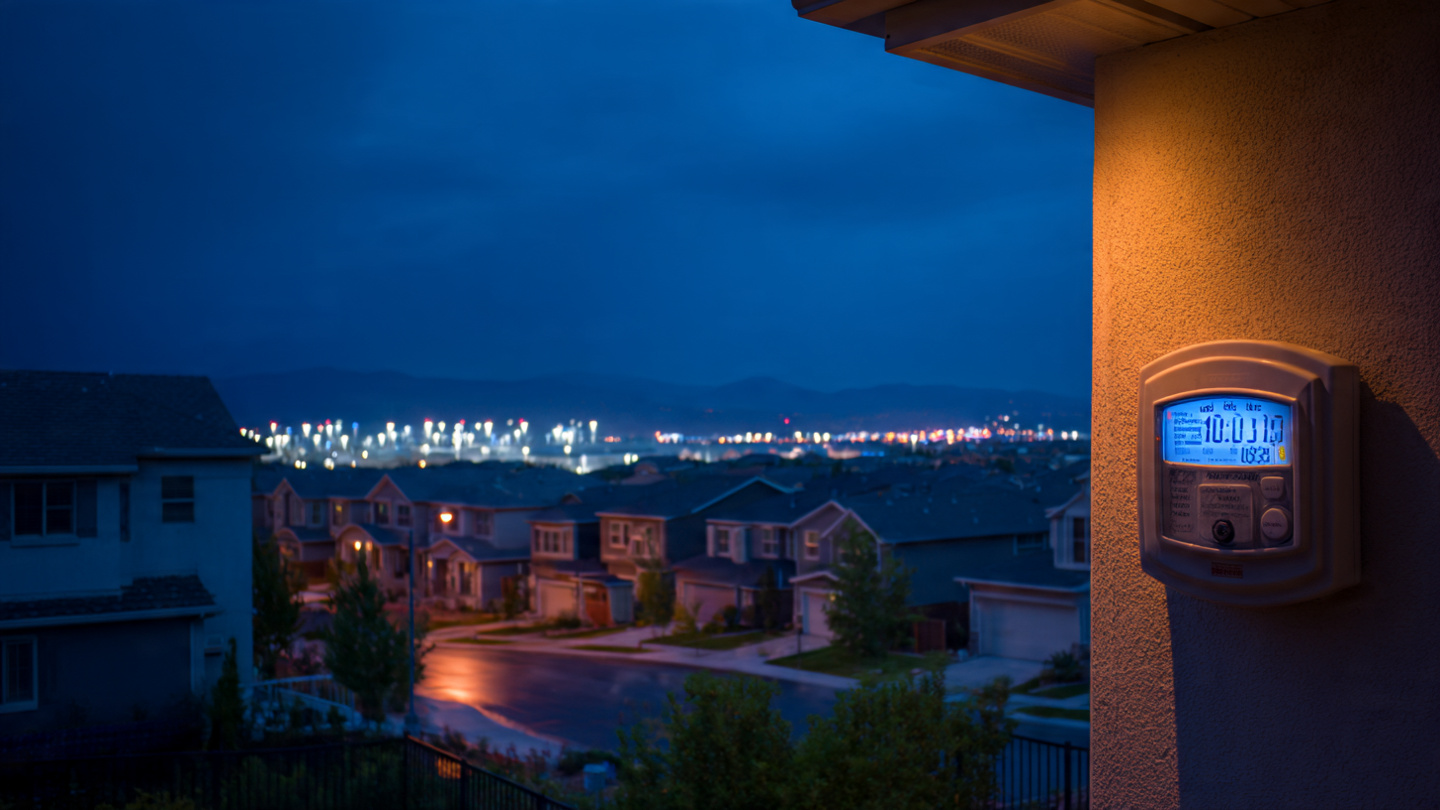
Data Centers Drove 63% of the Largest Electricity Price Spike in U.S. History. Here's What It's Costing You.
PJM Interconnection's capacity auction prices surged from $28.92 to $329.17 per MW-day in two years. Monitoring Analytics attributes 63% of the increase to data center load forecasts. Across 13 states, 67 million ratepayers are now subsidizing AI infrastructure through bills they can't opt out of.

The Clean Room Doesn’t Exist Anymore
Clean-room reverse engineering was the legal shield that built the compatible software industry. AI just made it meaningless, and the law hasn't caught up.

Ukraine Is Deploying 25,000 Ground Robots in Six Months. The U.S. Army Just Completed Its First Test.
Ukraine ordered 25,000 UGVs for H1 2026, backed by 280+ domestic manufacturers and 22,000 combat missions of operational data. The U.S. Army Robotic Combat Vehicle program began in 2019. It ran its first assault warfare test in May 2026.
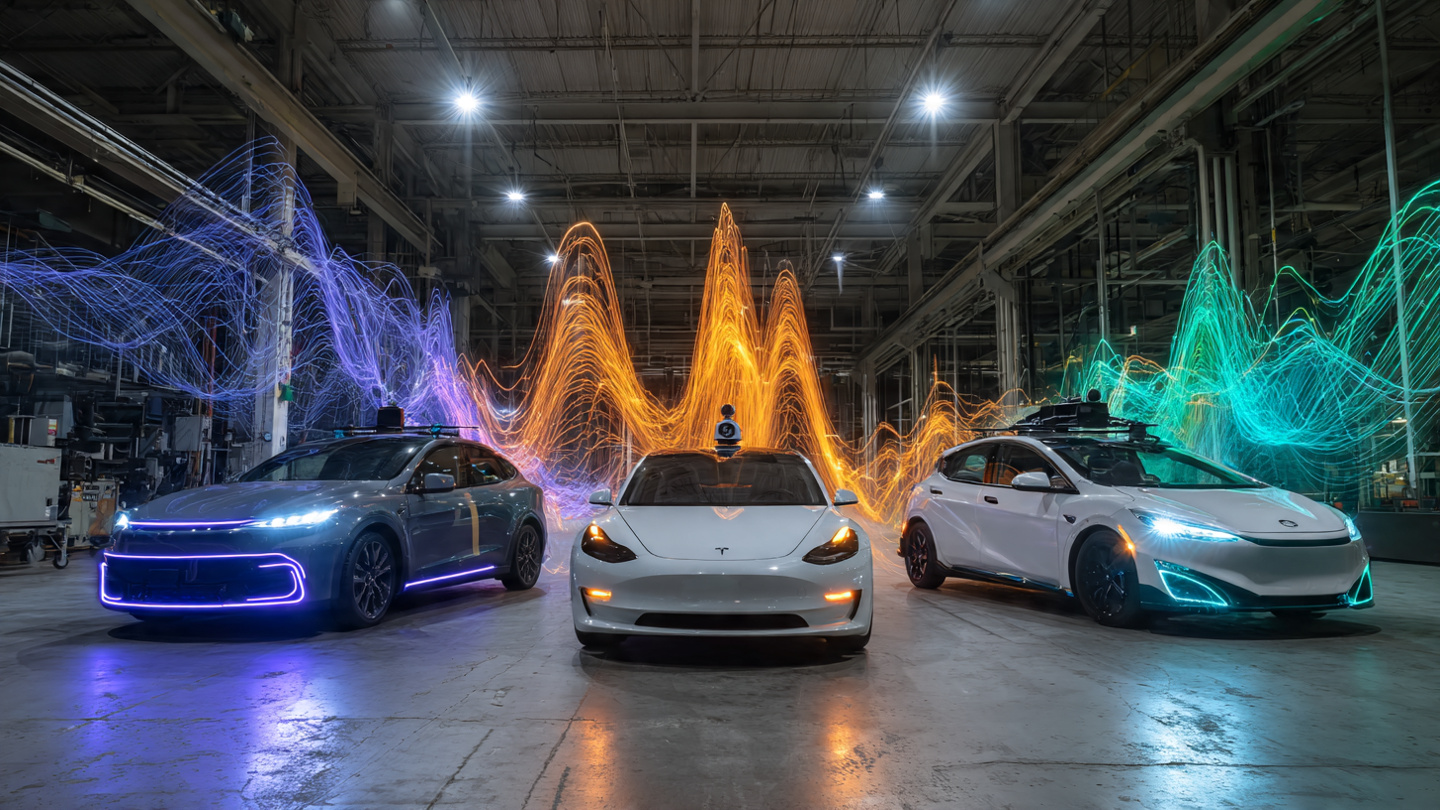
BYD Generates 112 Million Miles of Driving Data Per Day. Tesla Took a Decade to Reach 10 Billion Total.
BYD's free God's Eye system, installed on 2.85 million vehicles, now collects 180 million kilometers of driving data every 24 hours. At that rate, BYD accumulates in 89 days what Tesla's Full Self-Driving fleet took its entire operational history to reach. Waymo's fully driverless fleet has logged 170 million miles with 92% fewer serious injuries than human drivers. Three companies are running three fundamentally different races, and the scoreboard only shows one number.
More articles load as you scroll.