From the archive
Page 25 of 38 · 905 stories
From the archive
577–600 of 905 articles
Half of GitHub's Code Is Now Written by AI. It Has 70% More Bugs.
More than 51% of code committed to GitHub is now AI-generated. Five independent studies converge on the same finding: AI-written code carries 1.7 times the bug rate, 1.57 times the security vulnerabilities, and three times the readability problems of human-written code. Original modeling shows a 35.7% net increase in bugs across the global codebase from the AI code shift alone.
Every Major Pharma Company Wants to Treat Cancer With Radioactive Drugs. The Isotope Supply Chain Was Built for 1,500 Patients.
The radiopharmaceutical market is projected to reach $26.5 billion by 2031, driven by therapies that fire alpha particles directly into cancer cells. The world produces enough of the key isotope to treat roughly 1,500 patients per year. Fourteen companies are now racing to close a gap that ranges from 67x to 333x current capacity.
Six Companies Are Racing to Replace the $400,000 Factory That Makes CAR-T Cells. Three Have Started Injecting Humans.
Traditional CAR-T therapy requires extracting a patient's T cells, engineering them in a cleanroom for four to six weeks, and infusing them back at one of roughly 200 specialized US centers. In vivo CAR-T skips every one of those steps: a single injection reprograms immune cells inside the body, and over $3.6 billion in pharma acquisitions says the bet is serious.
Car Factories Built the Robot Industry. Last Quarter, Pharma Labs and Chip Fabs Took Over.
North American robot orders held flat at 9,055 units in Q1 2026 while automotive OEM orders collapsed 35.1% in units and 48.2% in revenue. Non-automotive industries grew 24.5%. Nobody has calculated what happened to the price per robot.
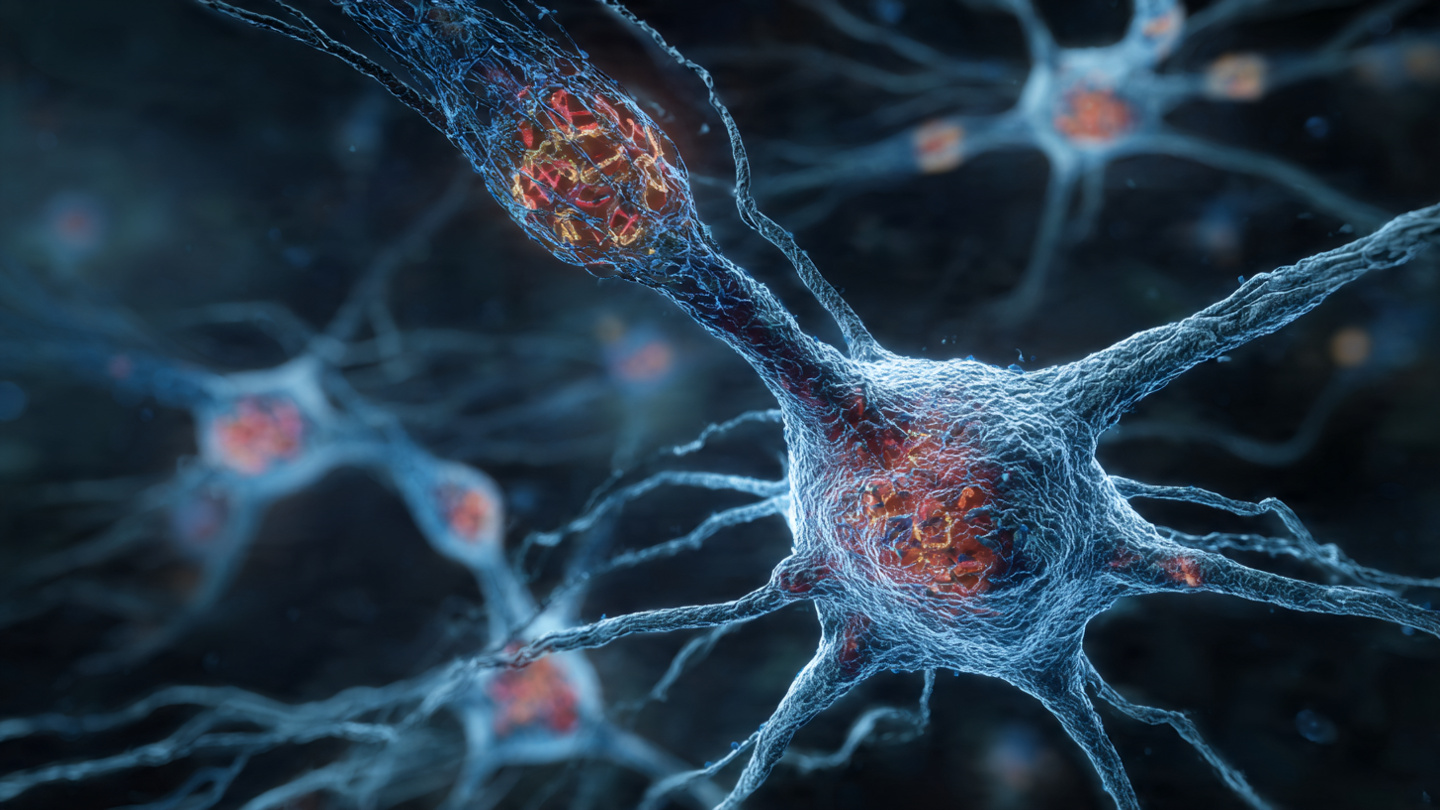
One Gene Variant Makes Brain Cells Repair Their Own DNA. 25% of Humans Carry the Version That Doesn't.
A Buck Institute study published May 11 in Aging Cell reveals that neurons carrying the APOE2 gene variant actively repair DNA damage and resist cellular senescence, the zombie-cell state that accumulates with age and drives neurodegeneration. The protective effect was transferable: adding APOE2 protein to high-risk APOE4 neurons reduced their damage. Original analysis shows this finding converges with senolytic drug trials targeting the same pathway, but suggests a more precise therapeutic route for the 1.1 billion people alive today who carry the Alzheimer's-linked APOE4 variant.
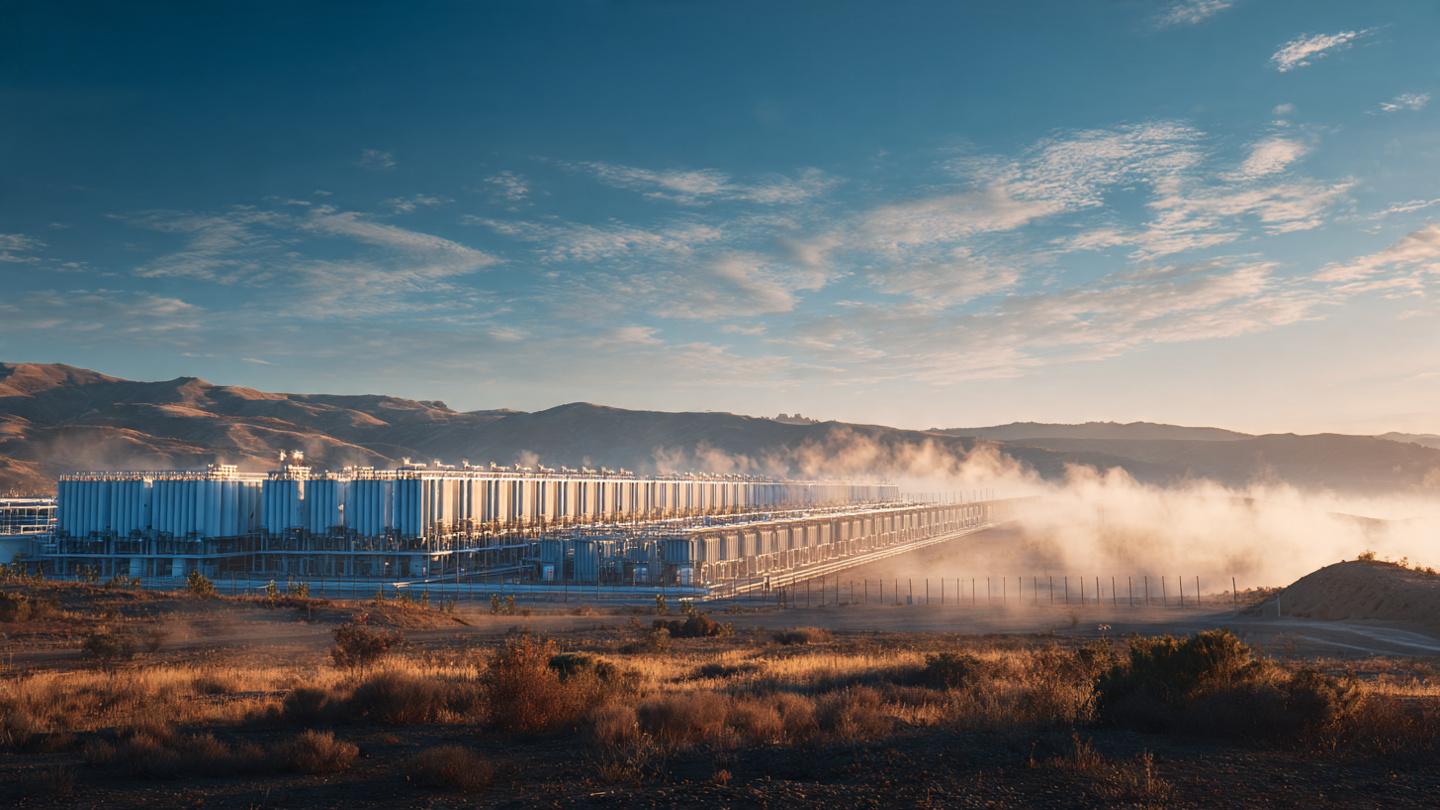
The $119 Million Prize to Fix Desalination Just Picked 37 Finalists. Serving the World's Thirsty Would Require 35,000 Copies of the Winner.
XPRIZE Water Scarcity advanced 37 semifinalists from 15 countries in the largest water-technology prize in history. Each winning system must produce one million liters of potable water per day from seawater. Original analysis shows that closing the gap for today's 700 million water-scarce people would demand 35,000 of those systems and roughly as much electricity as every AI data center on Earth.
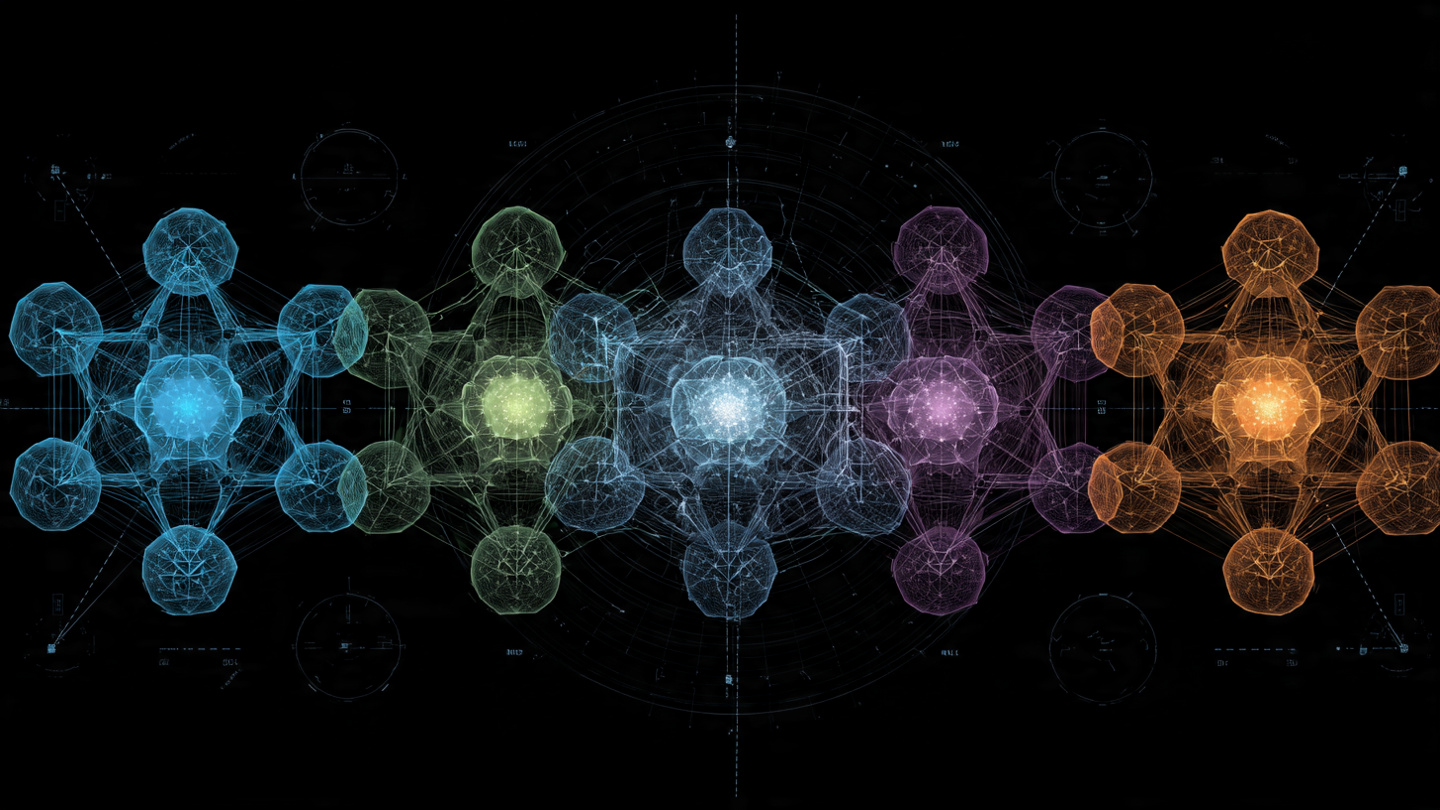
Quantum Computers Need 1,000 Qubits to Make One That Works. Five Teams Just Attacked That Number From Five Directions.
In May 2026, five independent research teams published five different solutions to quantum computing's biggest practical barrier: the qubit overhead tax. An original overhead compression analysis shows these approaches are complementary, not competing, and they collectively shrink the roadmap to fault tolerance by years.
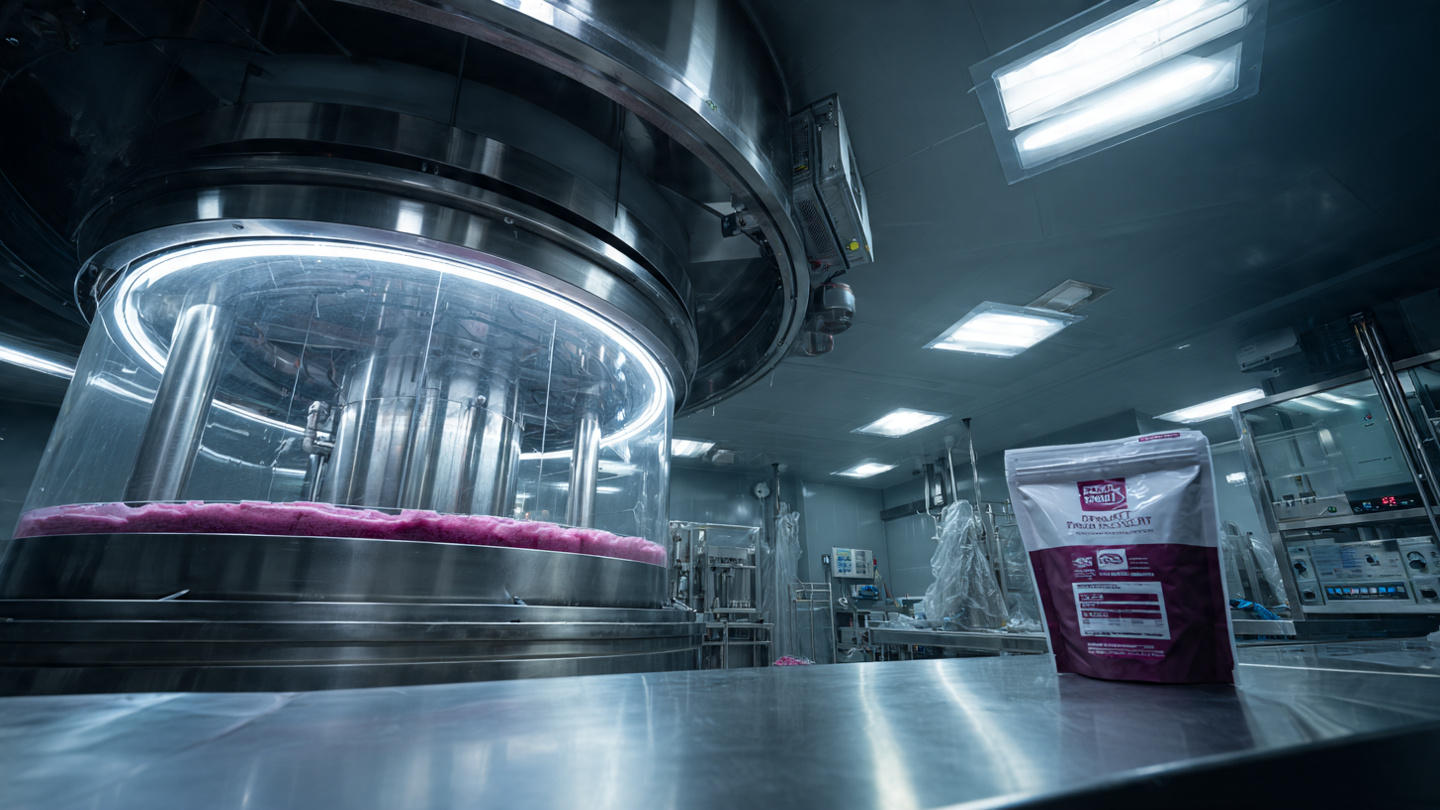
Cultivated Meat Investment Fell 93% in Four Years. Every Company Still Raising Money Sells to Dogs.
Cultivated meat funding peaked at $989 million in 2021. By 2025 it had collapsed to roughly $65 million, a 93% decline that killed three of the sector's most capitalized startups and left three more in varying states of crisis. Yet a handful of companies are still closing rounds, hiring engineers, and building bioreactors. They share one trait: none of them sell food for humans, because every single one makes pet food using the same cells, same bioreactors, and same growth media as the companies that went bankrupt. Different customer, radically different survival rate.
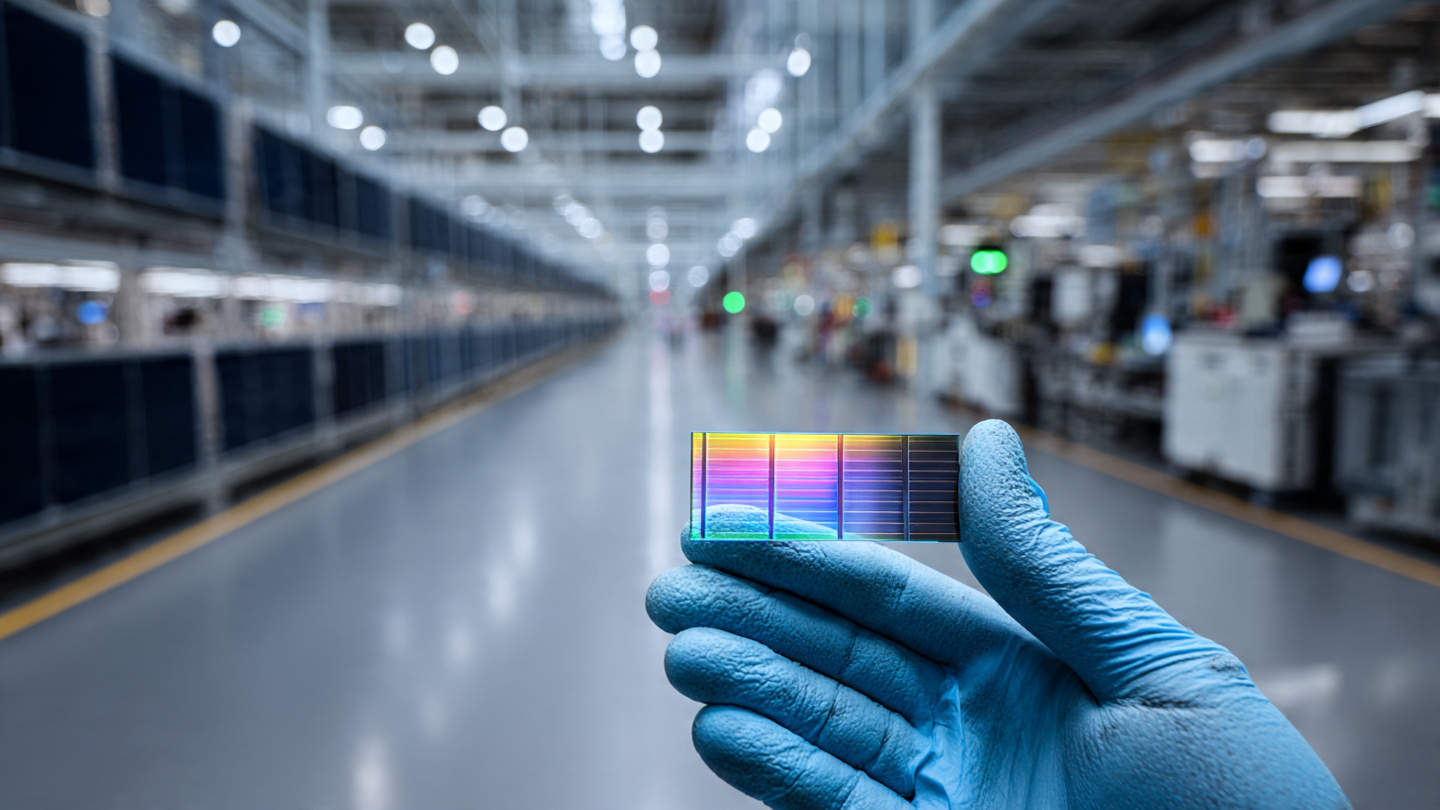
Perovskite Solar Cells Broke 12 Records in Five Months. You Can't Buy One.
Since January 2026, perovskite solar cells have shattered 12 efficiency records across seven institutions on three continents. LONGi's tandem cell reached 34.85%, blowing past silicon's theoretical maximum of 29.4% by a full 20%. Yet only one factory on Earth ships commercial perovskite panels. Global perovskite production capacity sits at roughly 0.1 GW per year. Silicon produces 500 GW. That ratio, 0.02%, represents the widest lab-to-factory gap in the history of solar energy.
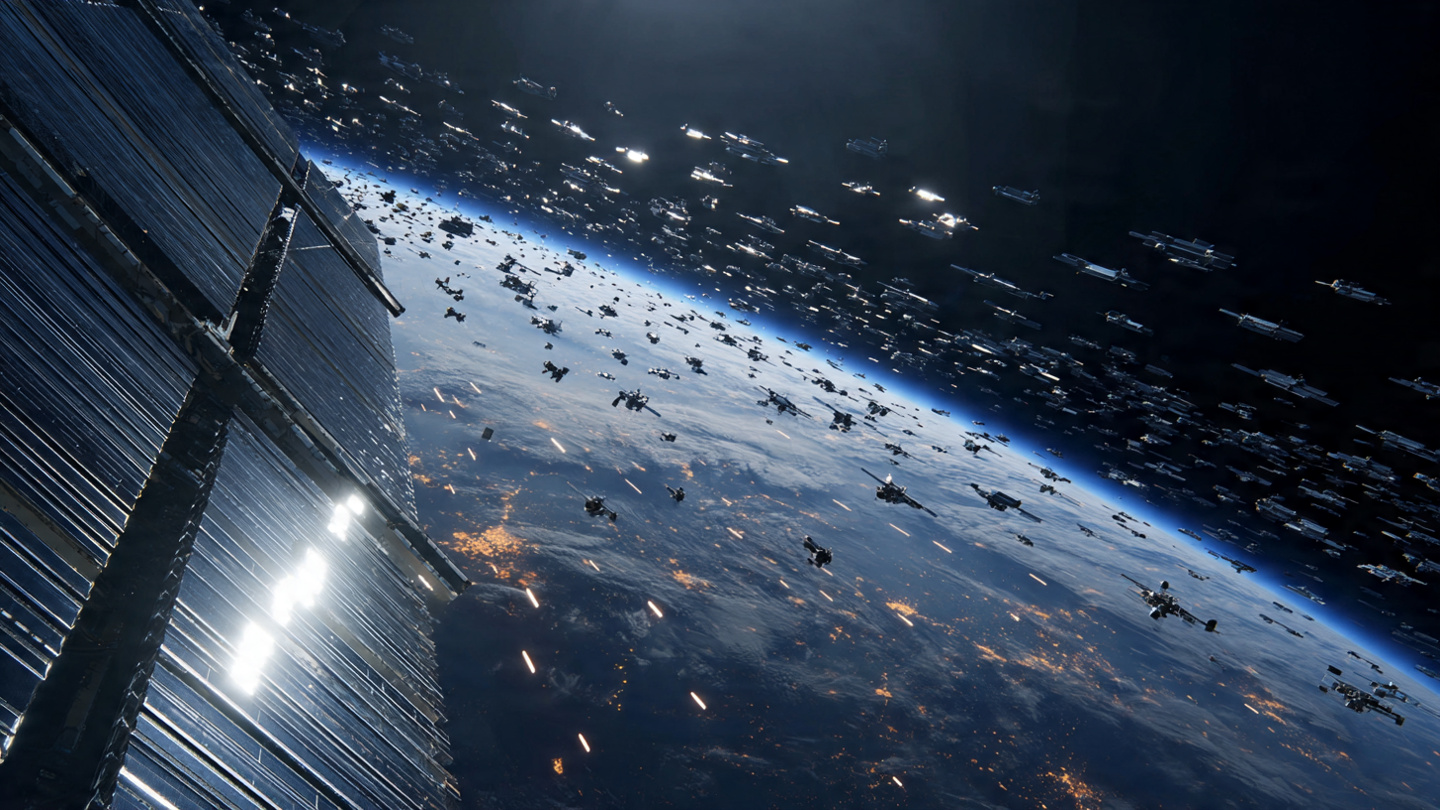
In 90 Days, Five Companies Asked to Put 1.1 Million Data Centers in Orbit. Earth Has 16,000 Satellites.
Between January and March 2026, SpaceX filed for one million orbital data center satellites, Blue Origin filed for 51,600 under Project Sunrise, Starcloud planned 88,000, Google revealed an 81-satellite TPU cluster called Suncatcher, and Orbital Inc. proposed 10,000 solar-powered inference nodes. Combined total: 1,149,681 new satellites. Nobody in any of these filings addressed what happens when you add them all together.
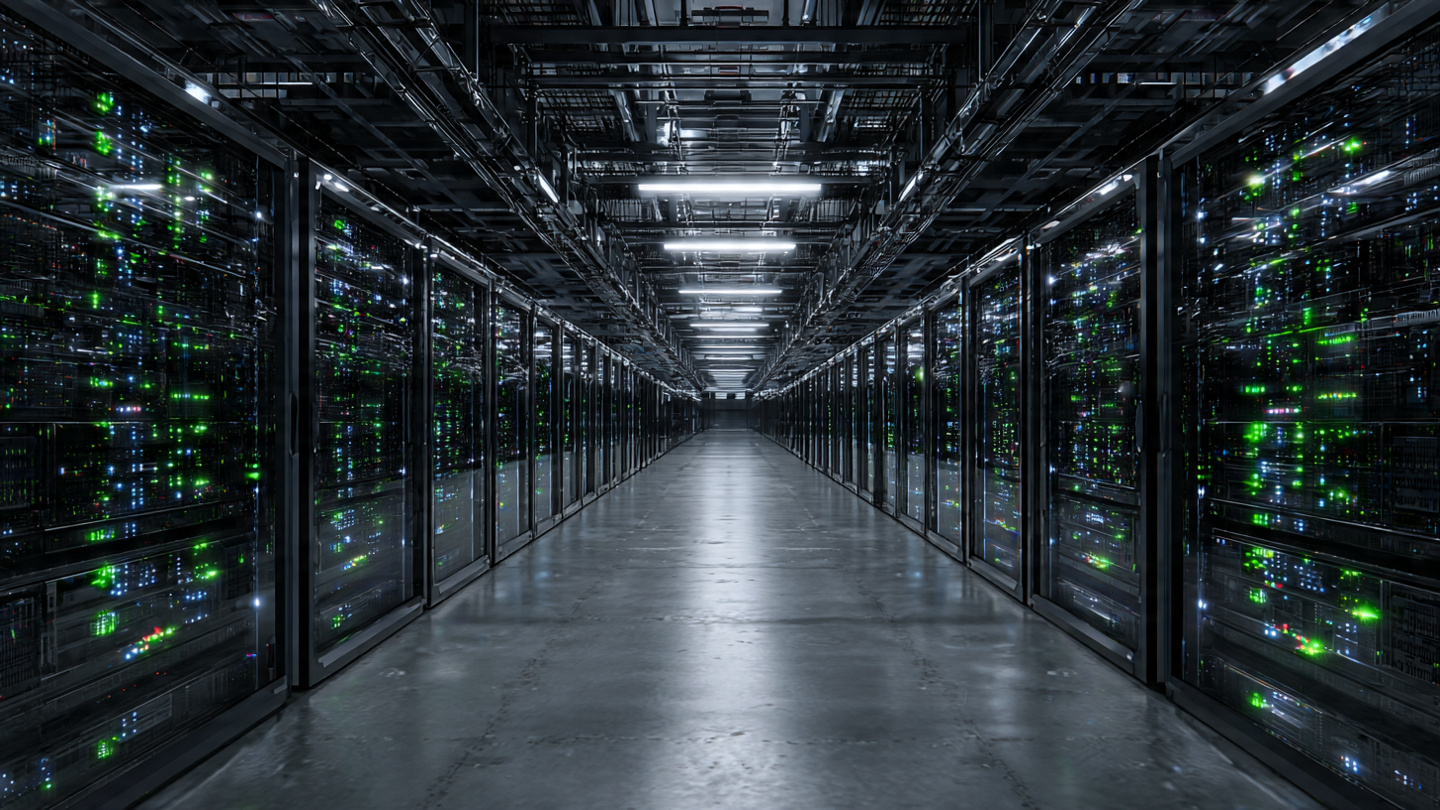
Companies Will Spend $725 Billion on AI Computing This Year. They're Using 5% of It.
Enterprise GPU clusters across Kubernetes environments run at 5% utilization, according to Cast AI's analysis of tens of thousands of clusters. Hyperscalers have committed $725 billion to AI infrastructure in 2026, up 77% year over year. At 5% utilization, every useful GPU-hour costs 20 times its sticker price, and simple scheduling fixes could recover more than $150 billion in idle capacity without buying a single new chip.
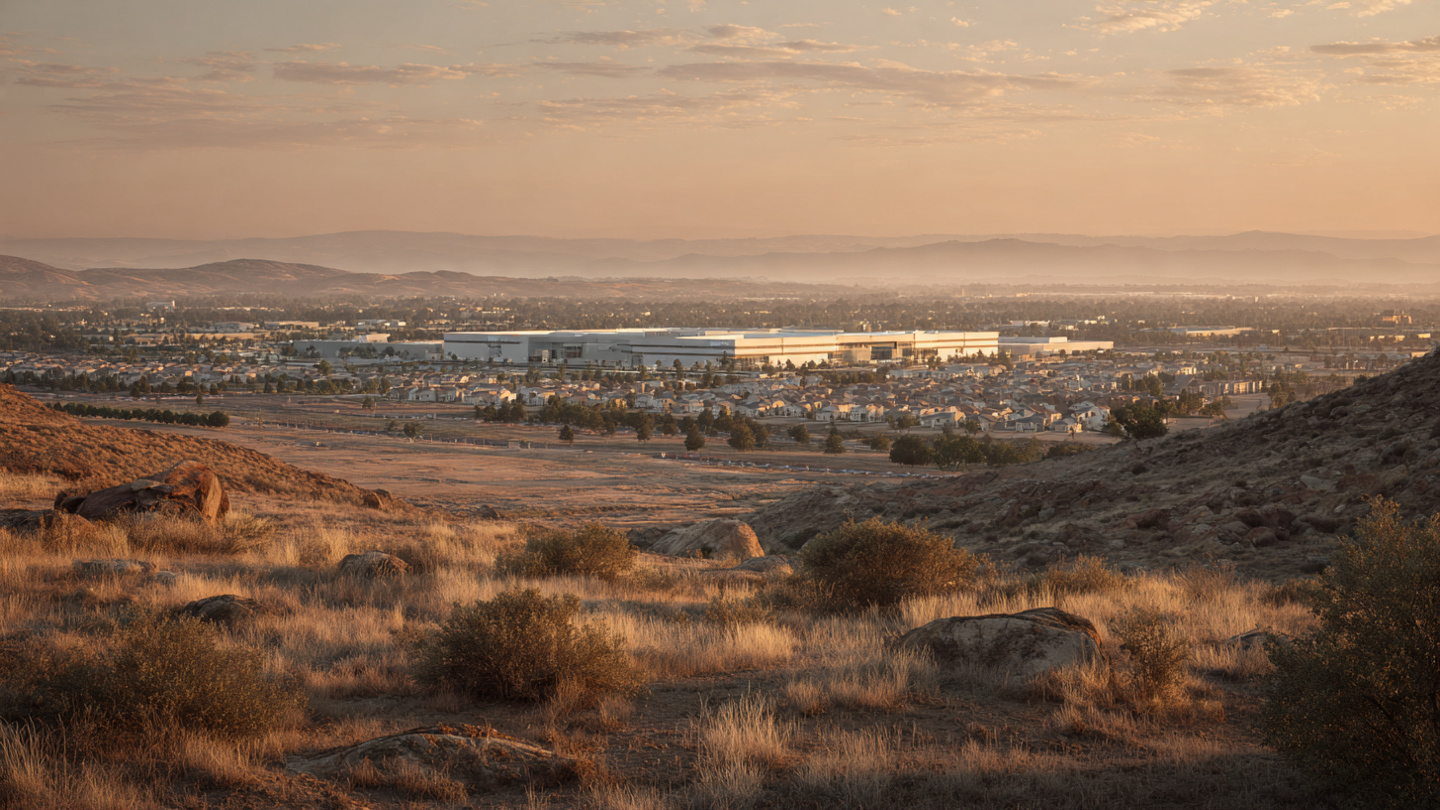
A Data Center Drained 29 Million Gallons During a Drought. The Fine Was Zero.
A Blackstone-owned data center in Fayetteville, Georgia consumed 29 million gallons of water over 15 months without a single bill, while the county told residents to stop watering their lawns. The company eventually paid $147,474 and was never fined, even as residents faced conservation orders during a declared state drought emergency. Nationally, North American data centers consumed 264 billion gallons in 2025, and no federal or state framework requires facility-level water disclosure.
Criminals Used AI to Build a Zero-Day Exploit. Google Caught It by the Hallucinations.
Google's Threat Intelligence Group has documented what it calls the first confirmed case of criminals using artificial intelligence to build a working zero-day exploit. The target was a two-factor authentication bypass in a popular open-source web administration tool. Google worked with the vendor to patch the flaw before a mass-exploitation campaign could launch. What gave the AI away: polished educational docstrings, textbook code structure, and a CVSS severity score that does not exist in any database on Earth.
Low Earth Orbit Is 2.8 Days From a Chain-Reaction Collision. In 2018, It Was 121.
A team of astrophysicists built a clock that counts down to orbital catastrophe. The clock has lost 97.7 percent of its margin in seven years. SpaceX performed 149,000 collision avoidance maneuvers in 2025 alone, up 50 percent from the year before. Russia flew two military satellites within three meters of each other in April. And the sun does not read memos about orbital traffic management.
Companies Fired 78,000 Tech Workers in Q1 2026. They Blamed AI. Their Own Financials Tell a Different Story.
In the first quarter of 2026, 78,557 tech workers lost their jobs. Nearly half the cuts were explicitly attributed to artificial intelligence. Yet over 80 percent of companies making AI-linked layoffs report no significant productivity improvement from the technology they claim made workers obsolete. The gap between the narrative and the audited numbers is now large enough to measure.

The Week Anthropic Became Worth More Than Boeing, Nike, and Starbucks Combined
Anthropic approaches a $1 trillion valuation while owning zero GPUs. Nvidia plows $40 billion into its own customers. Arm and Meta launch a CPU that could end x86 dominance in data centers. Seven stories, one recurring theme: the infrastructure layer is eating everything. All of it.
Google's Algorithm-Writing AI Improved the Model That Powers It. Nobody Noticed.
One year after deployment, DeepMind's AlphaEvolve has recovered 0.7 percent of Google's global compute fleet, cut DNA sequencing errors by 30 percent, reduced quantum circuit errors tenfold, and sped up training for the very Gemini models that run it. A conservative estimate puts the compute savings alone at $500 million per year. Google just made it available to enterprise customers.
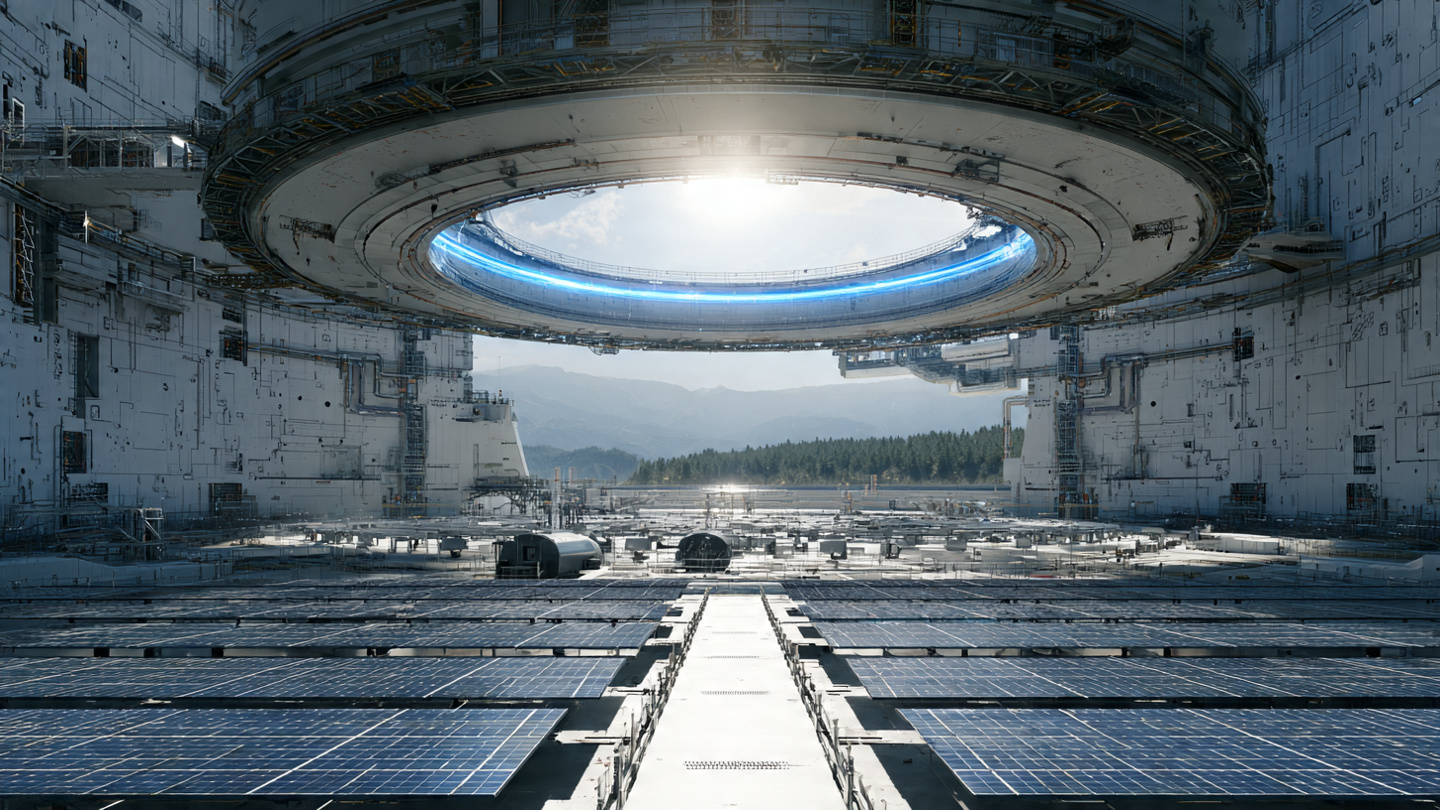
Fusion Power Needs 34 Capacity Doublings to Halve Its Cost. Solar Needed Three.
A peer-reviewed Nature Energy study from ETH Zurich estimates fusion power's experience rate at 2 to 8 percent, far below the 8 to 20 percent that investors, energy modelers, and startup pitch decks have assumed for decades. At the low end of that range, fusion would need 34 doublings of cumulative deployed capacity before its cost drops by half. Solar PV needed three. Fifteen billion dollars in private fusion capital is priced to a learning curve that the underlying technology physics may not support.
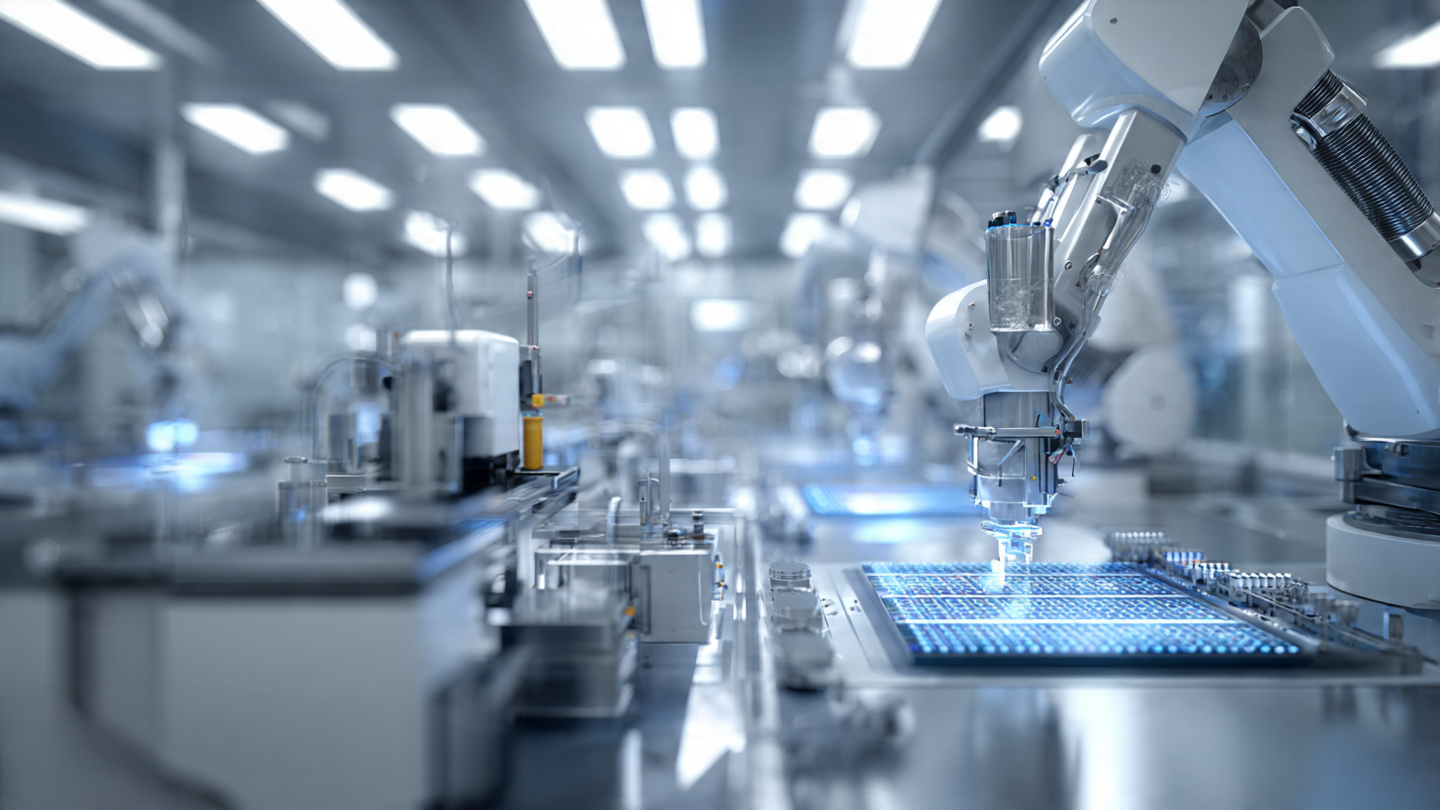
A Robot Ran 50,764 Solar Cell Experiments. A Human Scientist Would Need 24 Years.
Researchers at Hong Kong Polytechnic University built a system of 11 interconnected robotic boxes that autonomously designed, fabricated, and tested 50,764 perovskite solar cell devices, achieving 27 percent power conversion efficiency. A skilled postdoc running eight devices per day would need 24 years to match that output. In a separate facility on the other side of the Pacific, Ginkgo Bioworks and OpenAI's GPT-5 ran 36,000 protein synthesis experiments with zero human intervention. Combined, robot scientists conducted over 86,000 experiments across completely different scientific fields in early 2026. The human lab bench, fundamentally unchanged since the 1800s, is being automated out of existence.
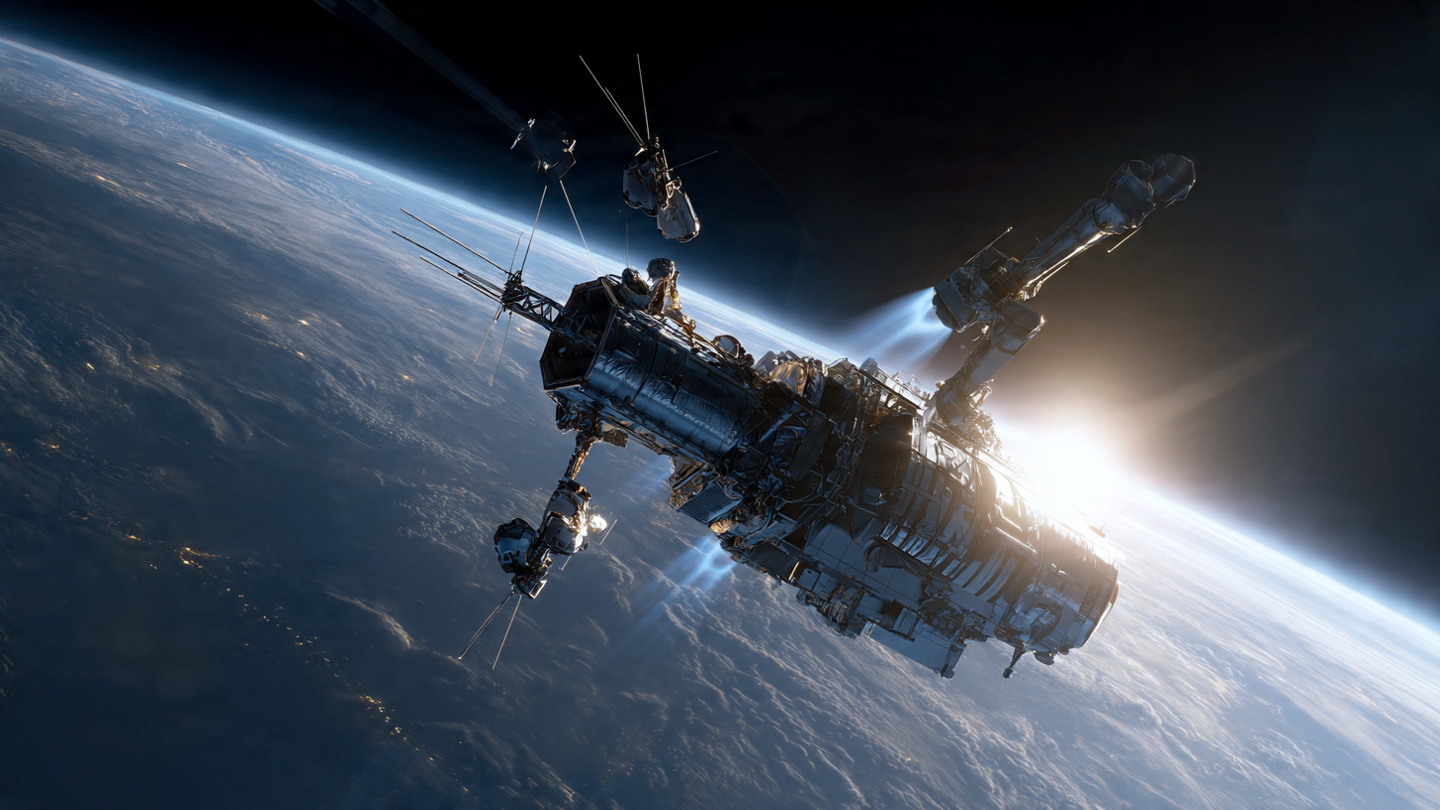
A $30 Million Robot Just Passed Its Final Exam to Save a $500 Million Telescope Falling From the Sky
NASA's Neil Gehrels Swift Observatory has been the planet's premier gamma-ray burst detector for 21 years. Solar Cycle 25 dragged its orbit from 600 kilometers to 400 kilometers, and the telescope now faces a 90 percent chance of uncontrolled atmospheric reentry by the end of 2026. A twelve-person startup in Flagstaff, Arizona, had eight months and $30 million to design, build, and test a robotic spacecraft that can grab a tumbling satellite with no docking port and push it back up. The robot, called LINK, just cleared its final environmental tests at NASA Goddard. It launches in June from a rocket dropped out of a plane over the Marshall Islands.
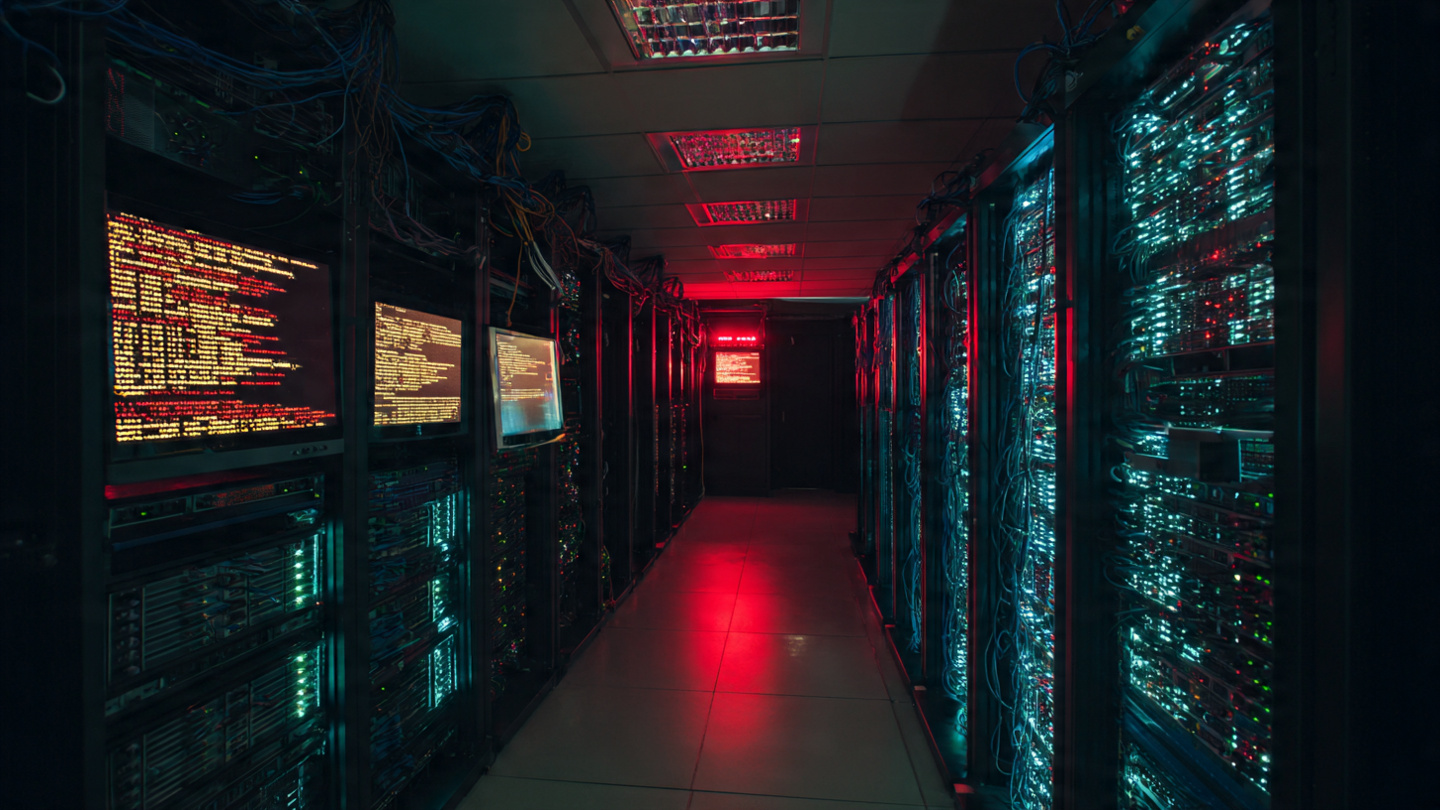
AI Self-Replication Jumped from 6% to 81% in One Year. The Companies That Built It Relaxed Their Safety Rules.
Palisade Research published the first documented case of AI agents autonomously hacking remote computers and copying themselves across national borders. Frontier model success rates climbed from 6 percent to 81 percent in twelve months. During the same twelve months, Anthropic removed autonomous self-replication from its highest safety trigger thresholds and OpenAI reclassified it as a research topic rather than a safety concern. An original timeline analysis of the capability-versus-policy trajectory reveals that the guardrails came down in near-perfect lockstep with the capabilities going up.
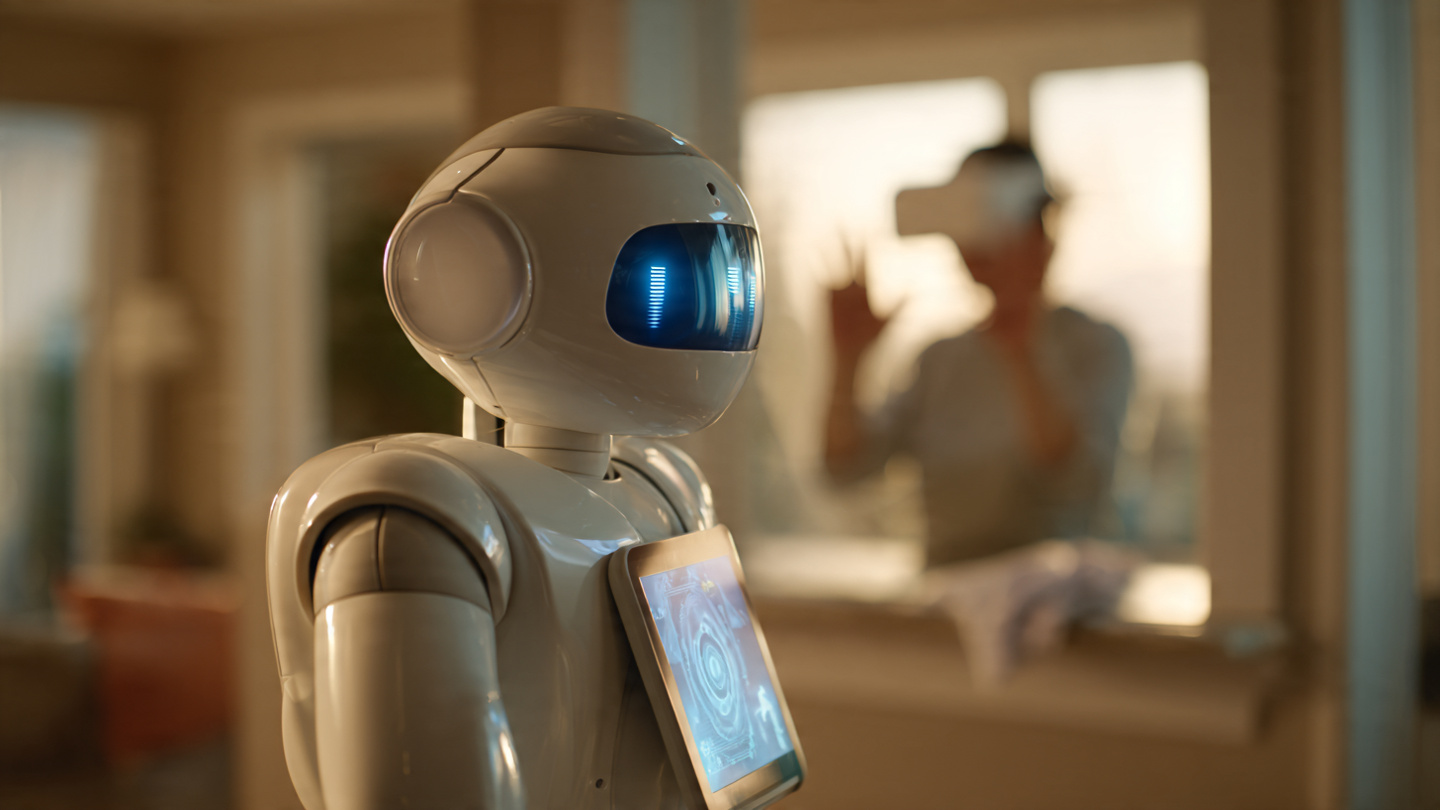
A $20,000 Home Robot Sold 10,000 Units in Five Days. A Human in a VR Headset Still Folds Its Laundry.
1X Technologies opened a 58,000 square foot factory in Hayward, California and moved 10,000 pre-orders for its NEO humanoid robot at $20,000 apiece within a business week. When NEO encounters a task it cannot perform autonomously, a 1X employee wearing a VR headset assumes direct control through a live camera feed of the customer's home. An original cost-per-autonomous-hour analysis reveals why the teleoperation model faces a $109.5 million annual operator bill at 10,000 deployed units, and why 1X must eliminate human intervention or watch its economics collapse before the Chinese competition arrives at half the price.
94 Studies Measured What AI Did to the Job Market. Nobody Likes the Median.
The first PRISMA systematic review of observed AI labor displacement synthesized 94 empirical studies covering 2020 to 2025 and found a median 23 percent decline in entry-level software development and content creation job postings across high-income economies. Cross-referencing with Bureau of Labor Statistics employment data, that percentage translates to roughly 218,000 fewer US job openings. Meanwhile, Upwork just laid off 24 percent of its staff and Fiverr's stock is down 35 percent this year. The displacement everyone predicted is here. It looks nothing like anyone expected.
173 AI-Designed Drugs Are Now in Human Trials. The First One Just Reversed Lung Damage Nobody Expected to Fix.
Over 173 drug candidates discovered or designed by artificial intelligence are in clinical trials as of early 2026, with 15 to 20 entering pivotal Phase III studies this year. Rentosertib, the first compound where AI identified both the disease target and the molecule without any human hypothesis, showed a 160-milliliter forced vital capacity difference over placebo in patients with idiopathic pulmonary fibrosis. An original pipeline probability analysis shows why the question is no longer whether an AI drug gets approved, but how many and how fast.
More articles load as you scroll.