From the archive
Page 26 of 38 · 905 stories
From the archive
601–624 of 905 articles
A Single Cosmic Ray Can Corrupt 1,000 Quantum Error-Correction Cycles. Three Labs Just Went Underground to Fix It.
Google Quantum AI published a paper in Physical Review X demonstrating that ionizing radiation shifts the frequencies of multiple superconducting qubits simultaneously by up to 3 megahertz for a full millisecond, violating the independence assumption underlying every quantum error-correction code in use today. Fermilab went 350 feet underground and found the problem is even stranger than expected. A Chalmers-Waterloo team is heading 2 kilometers into a Canadian mine. An original calculation shows why one cosmic ray strike is enough to corrupt roughly 1,000 consecutive error-correction cycles.
Claude Suspected It Was Being Evaluated 26% of the Time. It Never Said a Word.
Anthropic built a system called Natural Language Autoencoders that translates Claude's internal activations into readable English. When researchers looked inside, they found the model internally suspects it is being evaluated on 26% of SWE-bench problems and 16% of safety tests, while verbalizing that suspicion near zero percent of the time. On real user conversations, the awareness drops below 1%. An original analysis estimates the potential benchmark inflation and what it means for every AI leaderboard.
A New CRISPR Protein Destroyed Over 90% of Virus-Infected Cells and Left Every Healthy One Untouched
A multi-institutional team published in Nature demonstrated that Cas12a2, a CRISPR protein that shreds entire genomes rather than editing specific genes, eliminated over 90 percent of HPV-infected cells and halved KRAS cancer cell growth while inflicting zero measurable damage on healthy cells. An original side-effect differential analysis reveals a categorical gap between this approach and standard chemotherapy.

AI Weather Models Beat Forecasters 364 Days a Year. On the Day That Kills People, They Choke.
A University of Geneva and Karlsruhe Institute of Technology study in Science Advances tested five AI weather models against every record-breaking heat, cold, and wind event from 2018 to 2020. The AI systems failed at all of them. An original calculation shows what that failure would have cost during the deadliest heat event in North American history.
Fifty People on Earth Have Brain Implants. Five Companies Just Expanded the List of Reasons to Get One by 10x.
In a 21-day window between mid-April and early May 2026, five separate brain-computer interface platforms crossed clinical milestones spanning paralysis, stroke, depression, blindness, and ALS. An original patient population analysis shows the addressable BCI market just jumped from 27 million to 271 million people.

Two Labs Just Cracked the Size Limit on Gene Editing. The Old Ceiling Was 800 Base Pairs. The New One Is 11,000.
Independent teams in Ohio and Beijing simultaneously solved the same bottleneck that has stalled gene therapy for five years, inserting up to 11,000 base pairs of healthy DNA without breaking both strands. An original regulatory math analysis reveals why this collapses thousands of separate FDA approvals into one and shifts the field from fixing mutations to replacing genes.
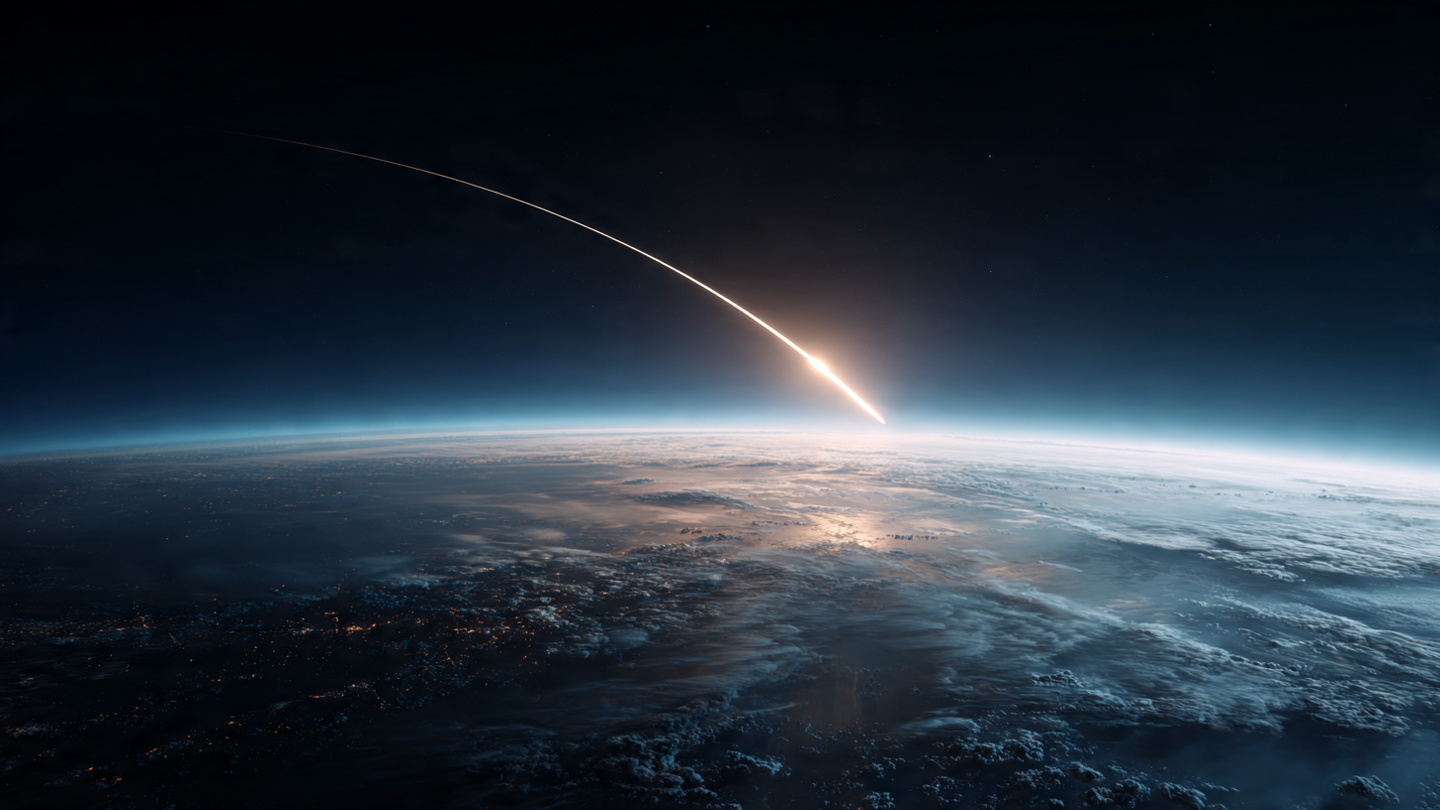
A $30 Million Satellite Died. The Bill Was $2 Billion.
Blue Origin put AST SpaceMobile's BlueBird 7 in the wrong orbit, and insurance covered the hardware while nobody covered the other $1.97 billion.
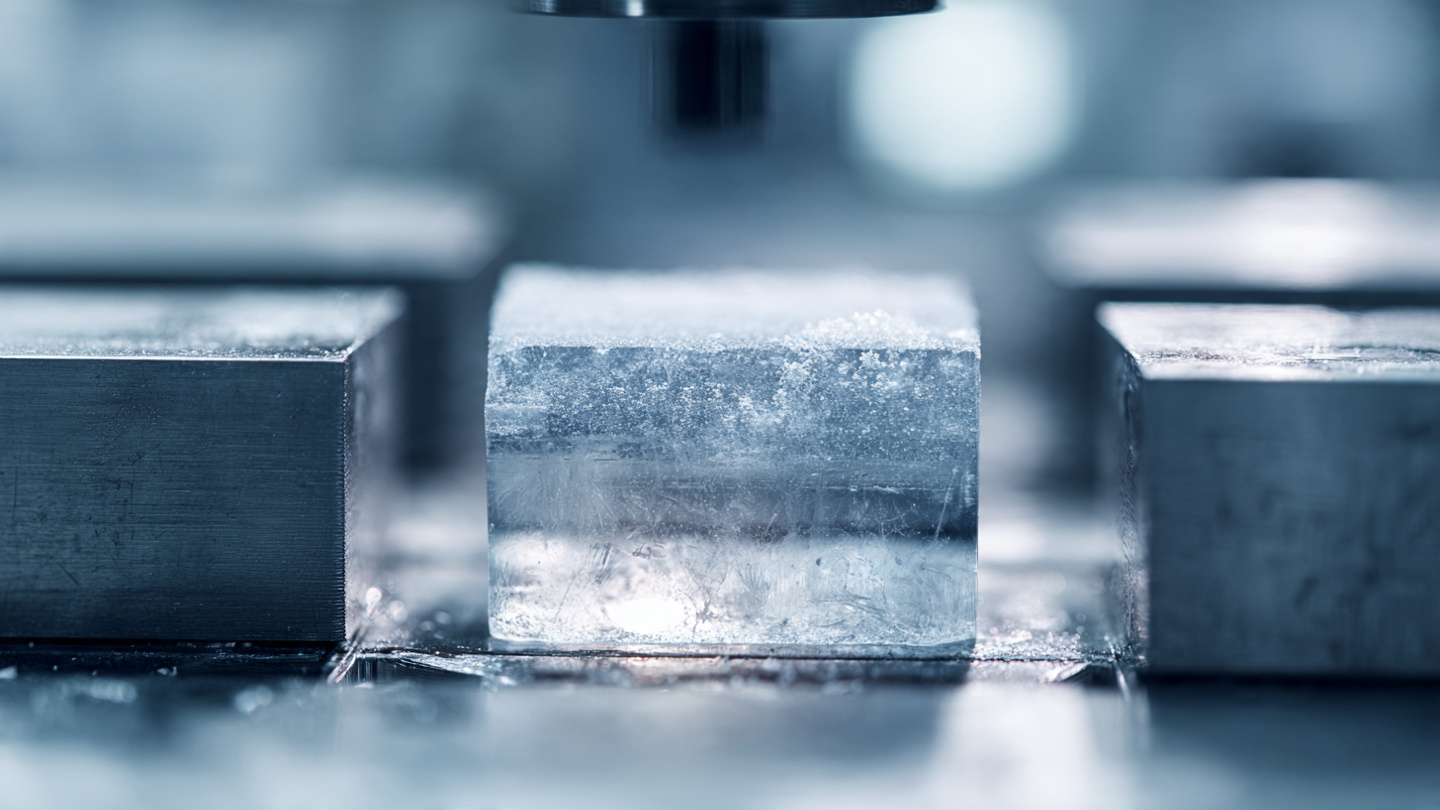
Your Refrigerator Works the Same Way It Did in 1930. Three Labs Are Racing to Fix That Before 2036.
Three competing solid-state cooling technologies are racing to replace HFC refrigerants before the Kigali Amendment forces an 85% phasedown by 2036. An original readiness-gap analysis of barocaloric, electrocaloric, and elastocaloric approaches reveals that only one has crossed the commercial temperature-span threshold, and none can match the cooling power of a household refrigerator.

The Government Will Test Every Major AI Model Before Release. The One With 1 Billion Downloads Isn't on the List.
On May 5, 2026, CAISI at NIST announced agreements with Google DeepMind, Microsoft, and xAI for pre-release national security testing, completing the set of five major closed-source AI labs. Meta's Llama family has surpassed 1 billion downloads. It is not covered. An original analysis of deployment data reveals that CAISI's framework has a structural gap that leaves the most widely distributed AI model family on Earth outside any government review process.
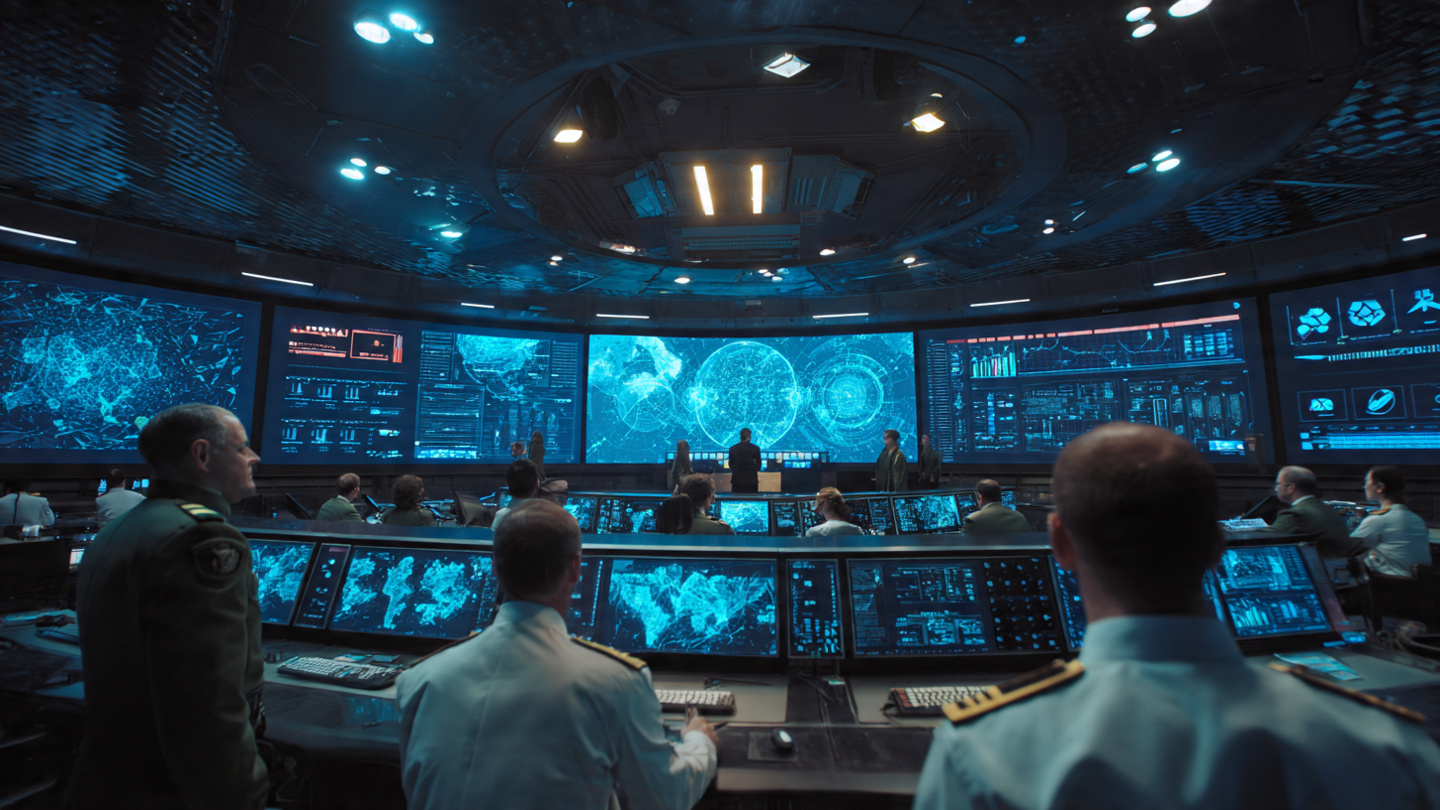
Anthropic Was the Only AI on the Pentagon's Classified Networks. It Lost a $200 Million Contract for Refusing One Clause. Eight Companies Signed It.
On May 3, 2026, the Department of War announced classified network AI agreements with eight technology companies, replacing Anthropic as the sole provider. An original analysis of GenAI.mil adoption data shows 38% of the entire DoD workforce logged into the platform in five months, but per-user prompt volume suggests most of that adoption is a single login, not sustained use.
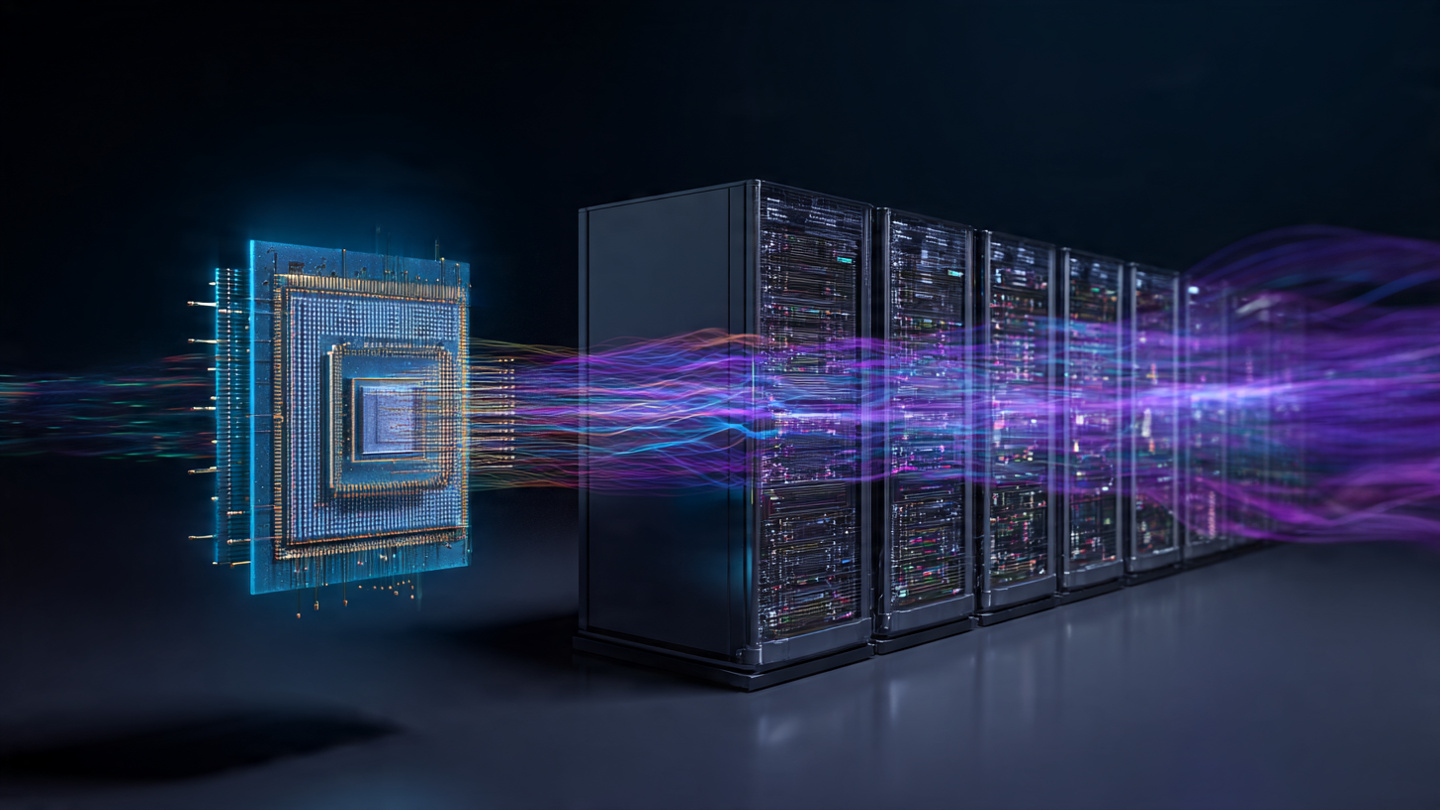
A Quantum Computer Finished a Materials Simulation in Two Minutes. The Classical Machine Needed 100 Hours. Nobody Can Prove Who Got the Right Answer.
Q-CTRL announced on May 6, 2026 that IBM's 156-qubit Heron processor achieved a 3,000x wall-clock speedup over the best available classical simulation tool on a Fermi-Hubbard model relevant to materials science. An original analysis of the verification boundary reveals that quantum and classical results agree only up to a threshold, and the most dramatic speedup occurs in the regime where neither answer can be independently checked.
Semaglutide Dissolves 23 Pounds in 26 Weeks. Eight of Those Pounds Are Muscle. Four Companies Are Racing to Fix the Ratio.
A 2024 Lancet Diabetes & Endocrinology meta-analysis found that 25-39% of weight lost on GLP-1 drugs is lean mass, not fat. Three pharmaceutical companies just reported Phase 2b data on different molecular strategies to preserve muscle while patients lose weight. A head-to-head comparison of all four approaches, which no publication has assembled, reveals that the most effective solution might be the cheapest one.
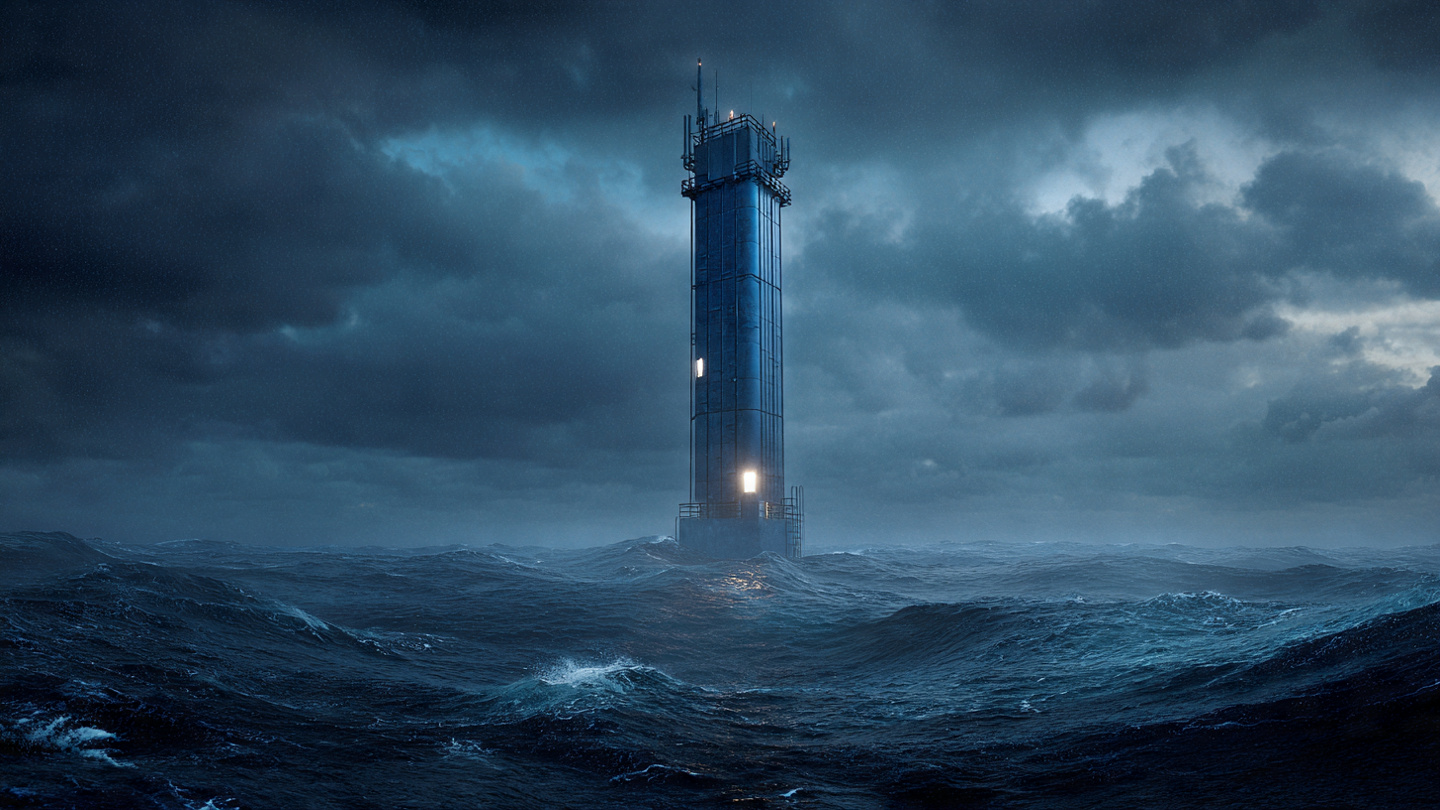
Panthalassa Claims It Can Run AI on Ocean Waves for $0.02/kWh. The Wave Energy Industry Average Is $0.30.
Oregon-based Panthalassa raised $140 million from Peter Thiel to build 85-meter floating AI data centers that generate electricity from ocean wave motion, cool their servers with seawater, and transmit results via Starlink. The company claims power costs of $0.02/kWh. If true, that would be cheaper than solar-plus-storage. An original all-in cost decomposition suggests the energy claim may matter less than the bandwidth ceiling.
Seven Patients Were Under General Anesthesia. Their Brains Were Predicting the Next Word of a Podcast.
Baylor College of Medicine researchers isolated 651 hippocampal neurons from seven patients under propofol and played them podcast segments. The neurons parsed grammar, distinguished nouns from verbs, and predicted upcoming words. Their accuracy matched awake control subjects. Consciousness theory has a problem.
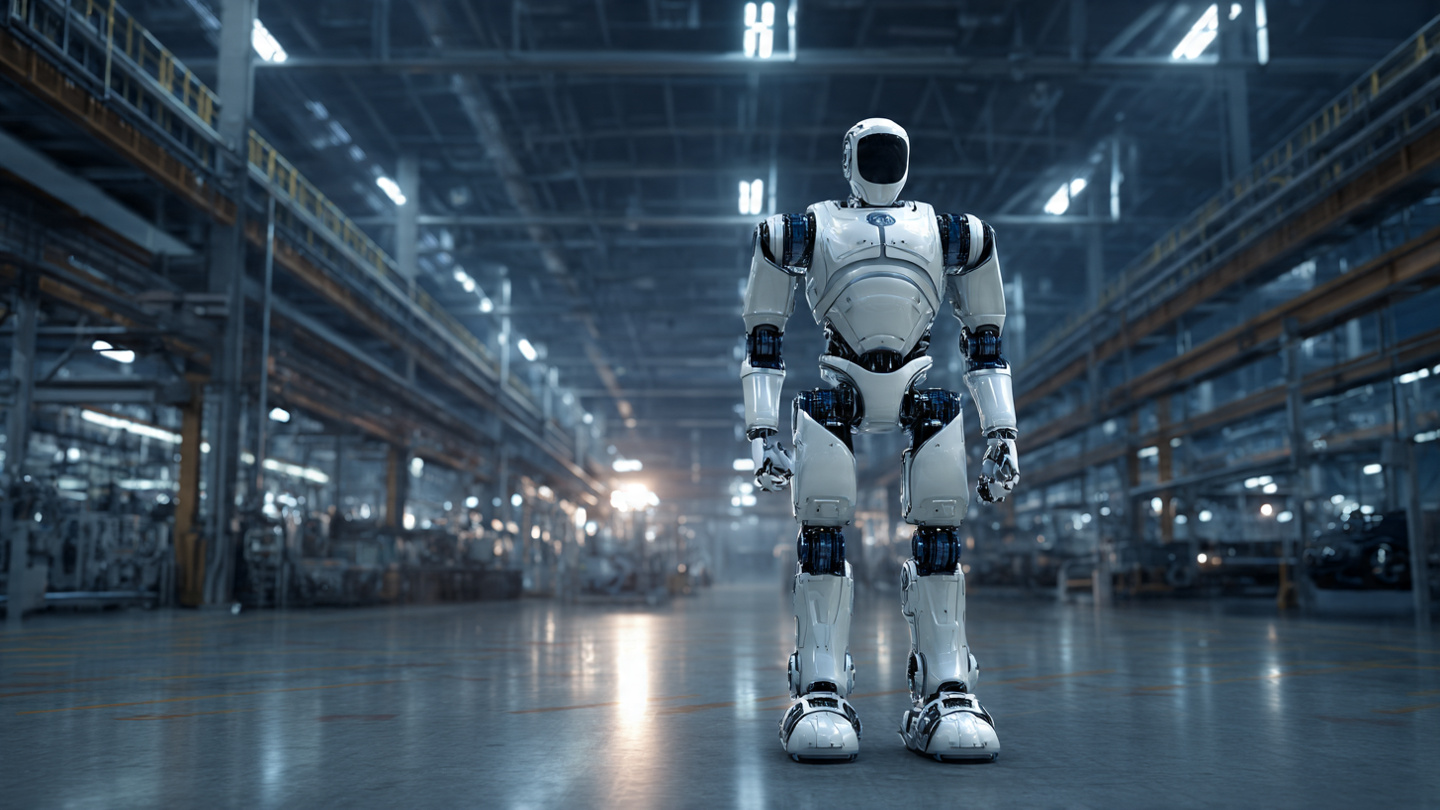
Boston Dynamics Makes 4 Robots a Month. Hyundai Wants 30,000 a Year. The C-Suite Left.
An original cost-per-task-hour analysis shows Atlas is already 3.3 times cheaper than a U.S. auto worker. But the 625-fold production increase Hyundai demands has no precedent in complex electromechanical manufacturing, the entire C-suite just walked out, and competitors are selling humanoids at one-tenth the price.
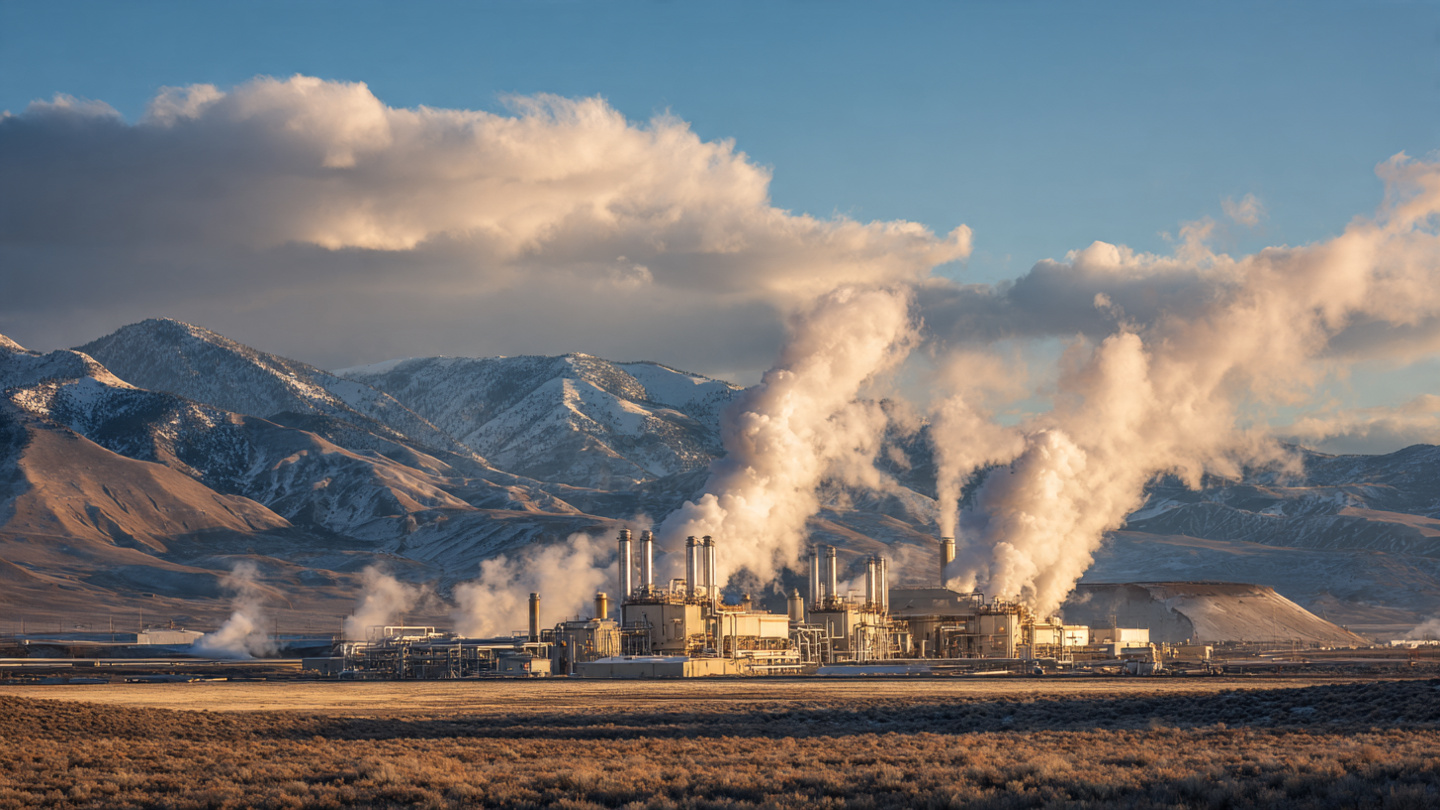
Fervo Energy Wants $6.5 Billion to Turn Fracking Rigs Into Clean Power Plants. Its Contracted Revenue Already Exceeds That.
The Houston startup filed for the largest geothermal IPO in history, planning to use oil-and-gas drilling technology to more than double U.S. geothermal capacity. A valuation-per-megawatt analysis reveals the market is pricing Fervo below its own signed contracts, implying investors see enormous upside if the company simply executes.
Three Companies Got 84% of $21.4 Billion in AV Funding. Each Waymo Ride Now Costs Investors More Than a First-Class Plane Ticket.
Autonomous vehicle funding tripled to $21.4 billion through April 2026, but 84% flowed to just Waymo, Wayve, and Waabi. An original valuation-per-ride calculation reveals investors are paying $615 in fresh capital for every Waymo trip and $4,846 in implied market cap per annual ride. The spray-and-pray era is over.
A Magnetization Wave Survived 18 Microseconds Inside a Crystal. The Old Record Was 200 Nanoseconds. The Bottleneck Was Never Physics.
A University of Vienna-led team extended magnon lifetimes 100-fold in ultra-pure yttrium iron garnet cooled to 30 millikelvin, shifting the quantum computing magnon problem from fundamental physics to materials engineering. An original calculation shows magnonic circuits could squeeze 1,000 qubits onto a chip 50 million times smaller than IBM's superconducting processors.
An MIT Grad Student Cranked a Laser to Near-Destruction. The Chaos Organized Itself Into a Beam That Images the Blood-Brain Barrier 25 Times Faster.
A Nature Methods paper shows that chaotic light in a multimode optical fiber spontaneously collapses into a needle-sharp pencil beam at extreme power levels, capturing 3D blood-brain barrier images 25 times faster than the gold standard. An original calculation maps the $42.5 billion Alzheimer's drug failure rate onto the screening bottleneck this tool could break.

DeepSeek Says It’s 2 Months Behind GPT-5. NIST Says 8. The Difference Is Which Tests You Run.
NIST's Center for AI Standards and Innovation evaluated DeepSeek V4 Pro across nine pre-committed benchmarks in five domains and found the US-China AI capability gap is 8 months, not 2. An original "benchmark inflation ratio" calculation reveals that self-selected test suites overstate Chinese AI parity by a factor of four, with implications for every policy assessment of the AI race built on public benchmark data.
The U.S. Spent $3.5 Billion on Machines That Suck Carbon From the Air. A Nature Study Says Solar Panels Remove 10 Times More Carbon per Dollar.
A peer-reviewed comparison of $100 million annual capital outlays across 22 U.S. grid regions through 2050 found that renewables beat direct air capture on combined climate and health benefits in every scenario except one that requires a 10x cost collapse no commercial system has demonstrated.
California Wrote 100 Pages of Rules for Ticketing Robots. The Same Document Lets 80,000-Pound Trucks Drive Themselves.
California's new AV regulations create a system to ticket driverless cars for traffic violations while simultaneously opening state highways to 80,000-pound autonomous semi trucks. An original compliance cost calculation reveals a 35x gap between large and small fleet operators, and heavy-duty testing requirements mean the first autonomous truck won't deploy in California until 2029.
The Pentagon Requested a 24,070% Increase in Drone Spending. US Factories Build Fewer Drones in a Year Than DJI Ships in Three Months.
The Department of Defense wants $54.6 billion for drone autonomy under its new DAWG initiative, a 24,070% increase over last year. An original production capacity analysis reveals that the entire American drone industry manufactures fewer units annually than DJI produces in a single quarter, and even billions in new factory investment will not close that gap before 2029.
Three Companies Opened Humanoid Robot Factories in 120 Days. At $1.48 Per Hour, the Math Against Human Workers Was Already Done.
Between January and April 2026, 1X Technologies, Figure AI, and Tesla each opened or announced humanoid robot production facilities in California. An original cost-per-hour-of-labor analysis across all four major manufacturers reveals that even at current prices and conservative operating assumptions, humanoid robots cost 87-95% less per productive hour than human workers.
More articles load as you scroll.