From the archive
Page 27 of 38 · 906 stories
From the archive
625–648 of 906 articles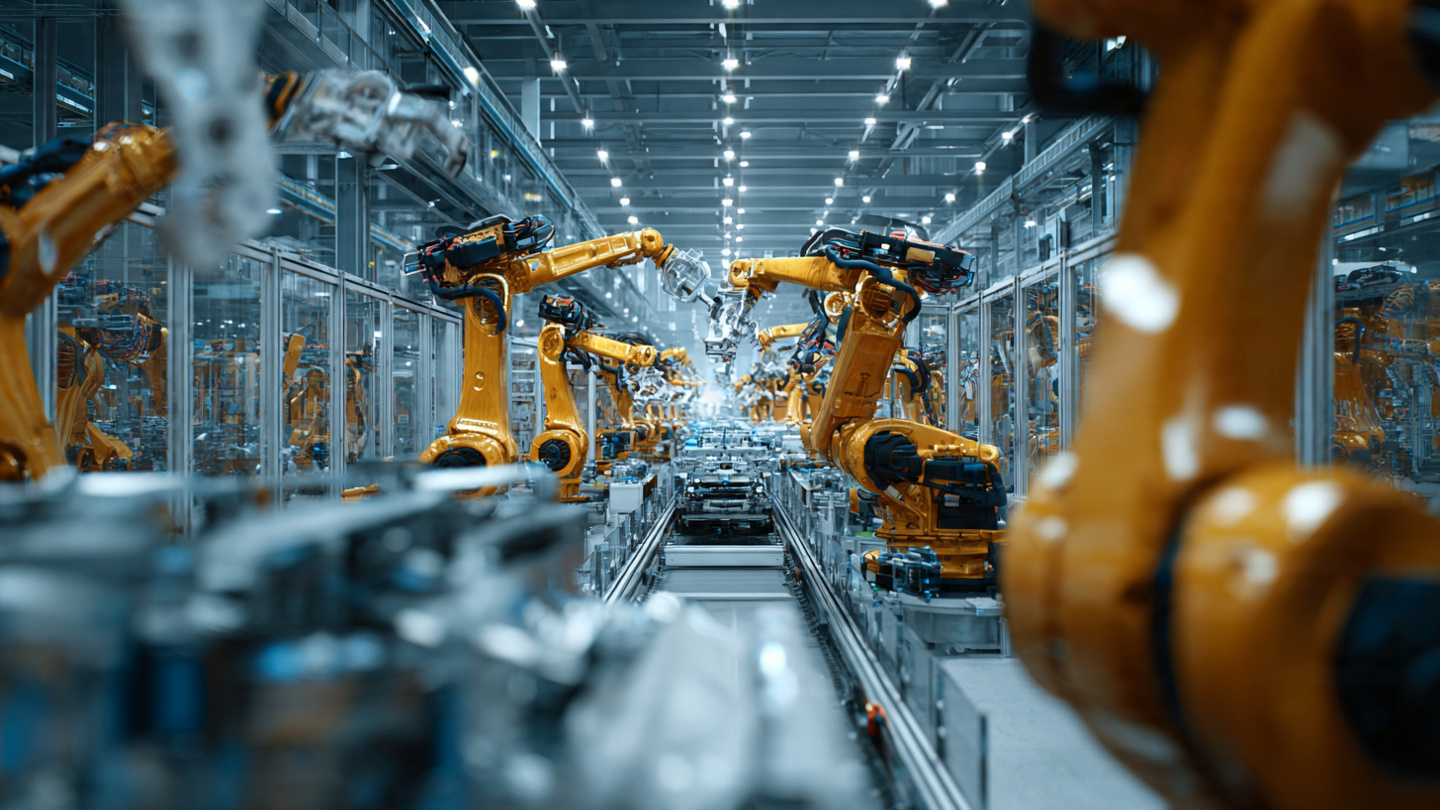
Three Companies Opened Humanoid Robot Factories in 120 Days. At $1.48 Per Hour, the Math Against Human Workers Was Already Done.
Between January and April 2026, 1X Technologies, Figure AI, and Tesla each opened or announced humanoid robot production facilities in California. An original cost-per-hour-of-labor analysis across all four major manufacturers reveals that even at current prices and conservative operating assumptions, humanoid robots cost 87-95% less per productive hour than human workers.

The Week Four Companies Bet $725 Billion on a Market That Doesn’t Exist Yet
Alphabet, Microsoft, Meta, and Amazon reported Q1 2026 earnings in the same week. Their combined AI capex guidance: $725 billion. Their combined AI-attributable revenue covers roughly 14 cents on every dollar they plan to spend. Eight stories, one ratio that explains all of them.
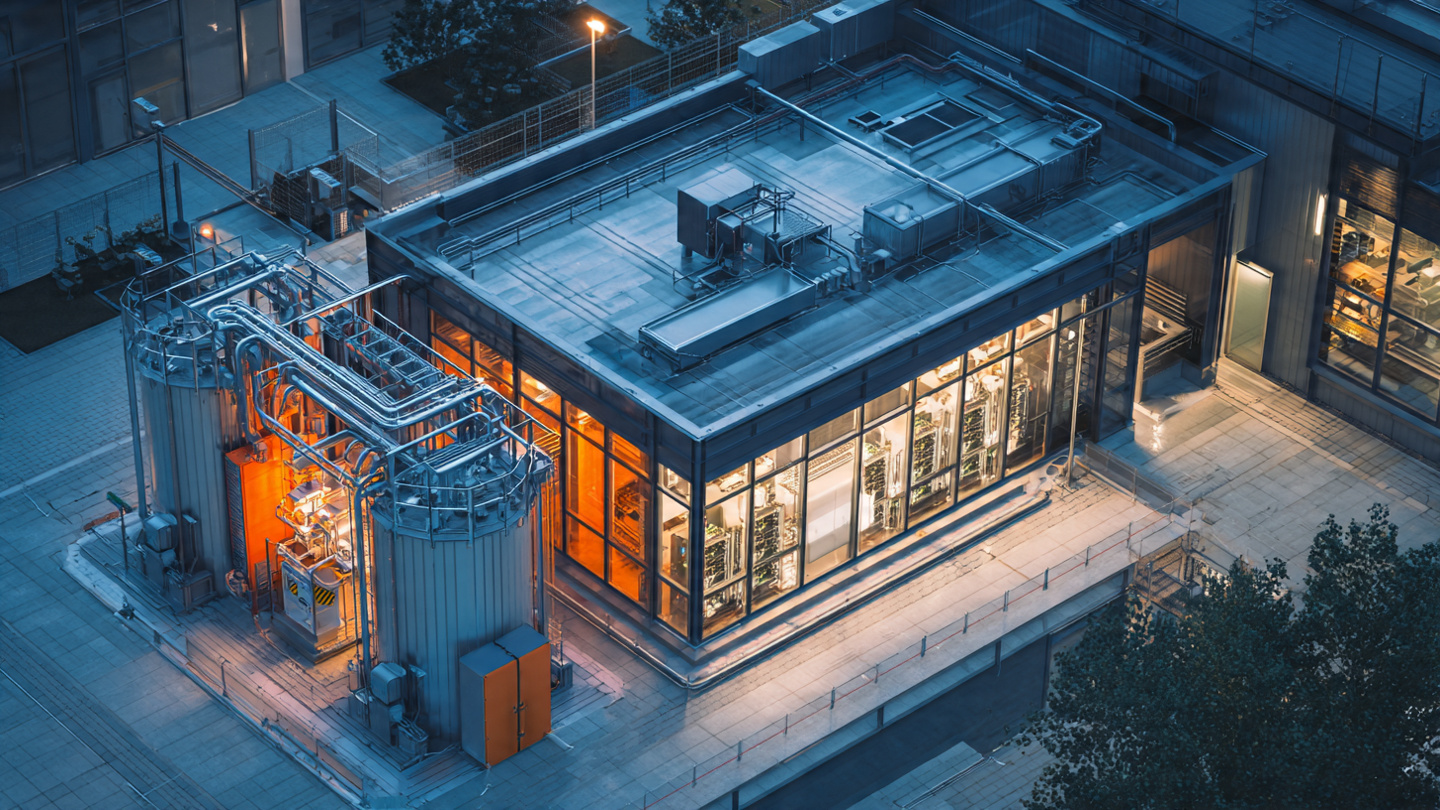
The NRC Just Proposed a New Way to License Nuclear Reactors in 18 Months. The Old Way Took a Decade. Here’s What Changed.
10 CFR Part 57 creates the first licensing framework designed for mass-produced nuclear reactors. The NRC estimates it will save the industry $3.76 billion to $11.84 billion. Two days before the rule was proposed, a university reactor powered an AI GPU node for the first time.

Five Different Rockets Launched From the Same Spaceport in April. That Hadn't Happened in 60 Years. Here's What Each One Cost Per Kilogram.
In April 2026, five unique orbital launch vehicles flew from the US Eastern Range at Cape Canaveral, breaking a 60-year record set during the Apollo era. The cheapest rocket costs 45 times less per kilogram to orbit than the most expensive. Nobody has published that comparison until now.
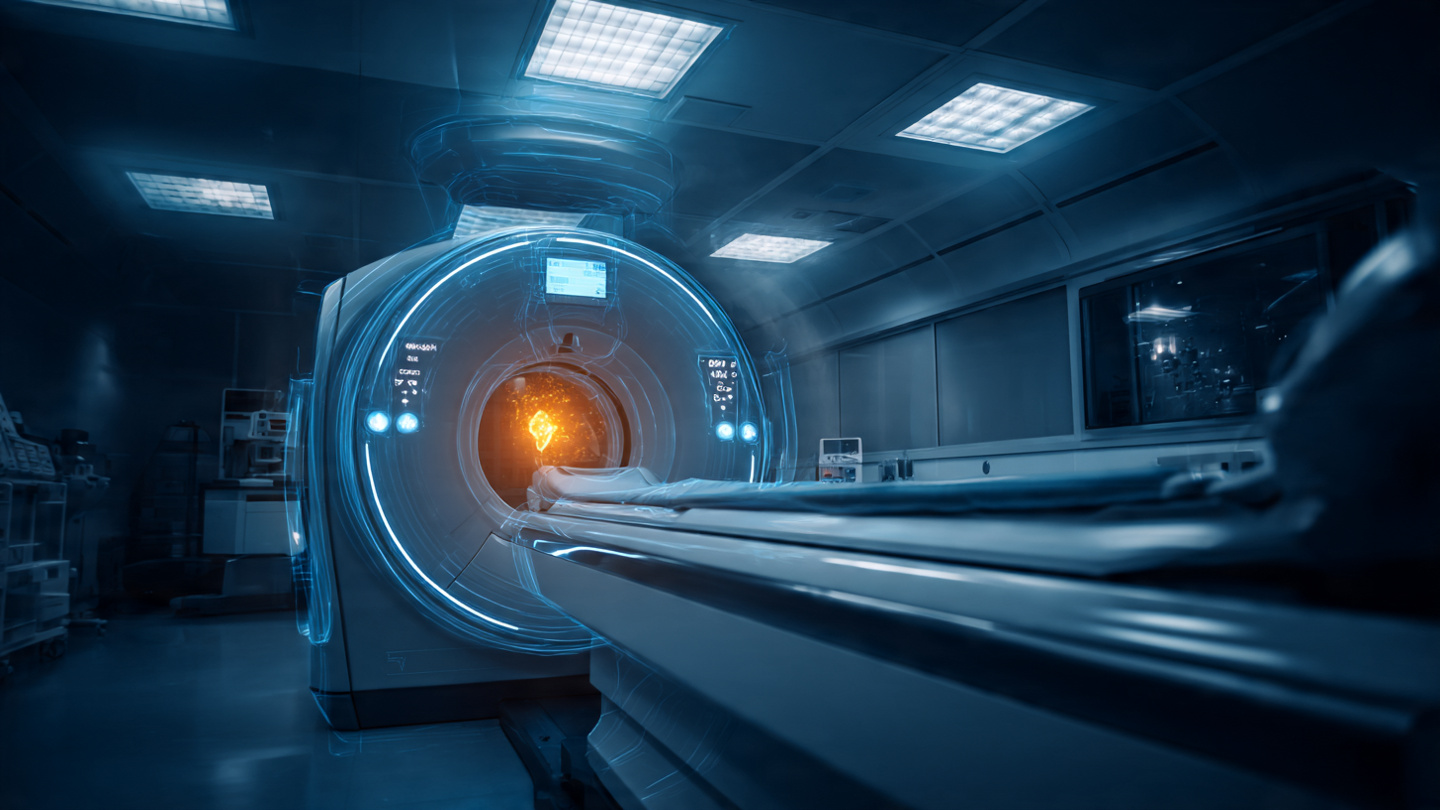
An AI Caught 73% of Invisible Pancreatic Cancers 475 Days Before Doctors Could. Running It on Every CT in America Would Cost $10 Per Scan.
Mayo Clinic's REDMOD framework detects pancreatic cancer on routine CT scans an average of 475 days before clinical diagnosis, nearly doubling radiologist sensitivity. The original calculation nobody has published: deploying it on every abdominal CT in America would cost roughly $10 per scan and could produce 3,800 additional five-year survivors annually.

A Chinese Court Says You Can’t Fire Someone Because AI Took Their Job. In America, 160 Companies Filed AI Layoffs and Zero Called Them That.
China's Hangzhou Intermediate People's Court ruled that replacing a worker with AI is a voluntary business decision, not grounds for termination. Meanwhile, 61,000 workers globally lost jobs to AI-related cuts in the first four months of 2026. The US has no federal protections. Four jurisdictions, four wildly different answers to the same question.
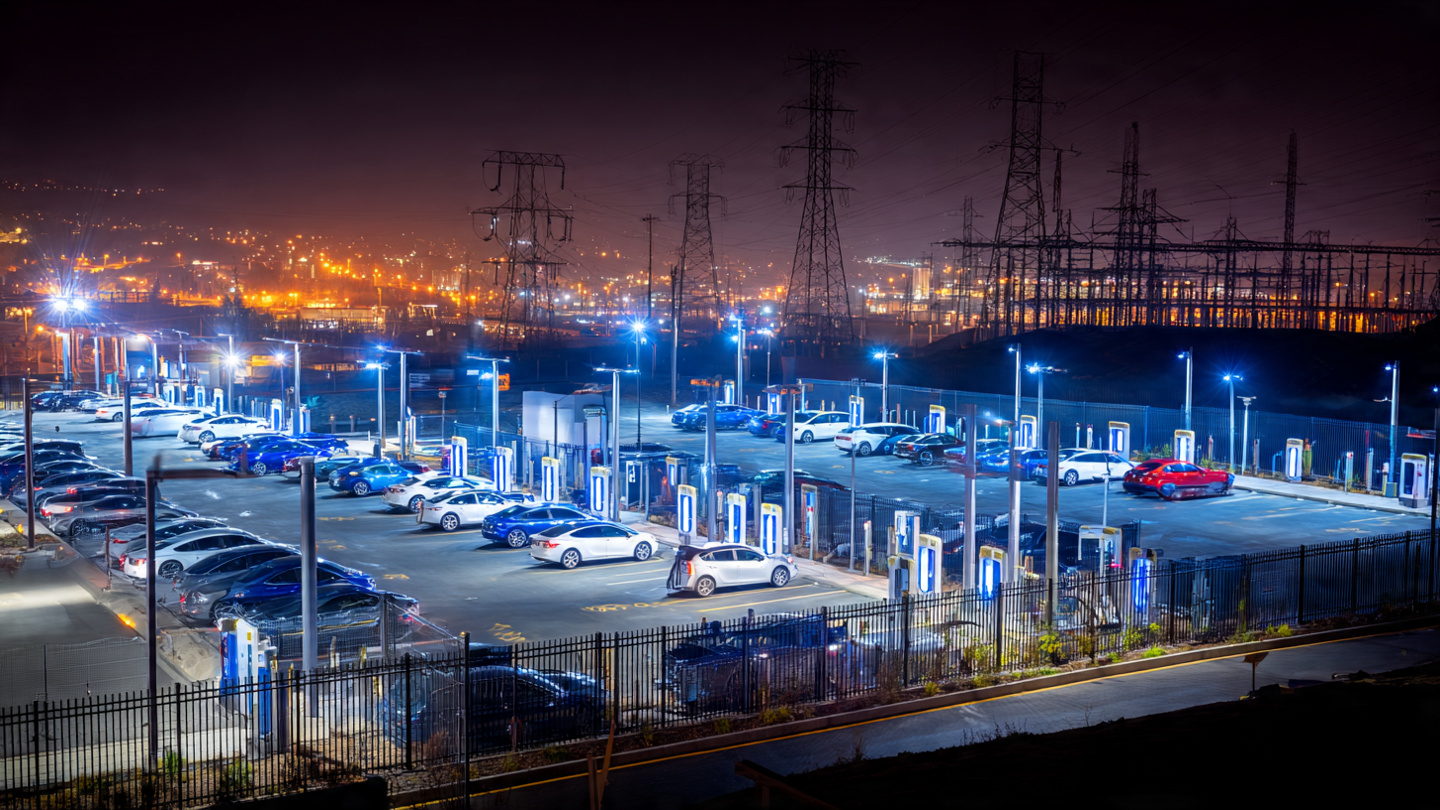
CATL's New Battery Charges to 80% in Under 4 Minutes. The Grid Can Deliver That Power to Almost None of the World's Chargers.
CATL's Shenxing III charges a 75 kWh EV pack from 10-80% in 3 minutes 44 seconds, faster than a gas station fill-up. That demands 840 kW of continuous power delivery. The best widely deployed passenger-car charger tops out at 350 kW. Battery chemistry has lapped the grid, and closing the gap will cost tens of billions.

All Life Uses 20 Amino Acids. These Bacteria Run Their Most Ancient Machine on 19.
A Columbia-Harvard-MIT team used AlphaFold2, ESM2, and ProteinMPNN to redesign 21 of 52 E. coli ribosomal proteins so they function without isoleucine, achieving 90% fitness where brute-force substitution managed only 40%. But 382 residues out of 81,000 is 0.47% of the way to a true 19-amino-acid organism.
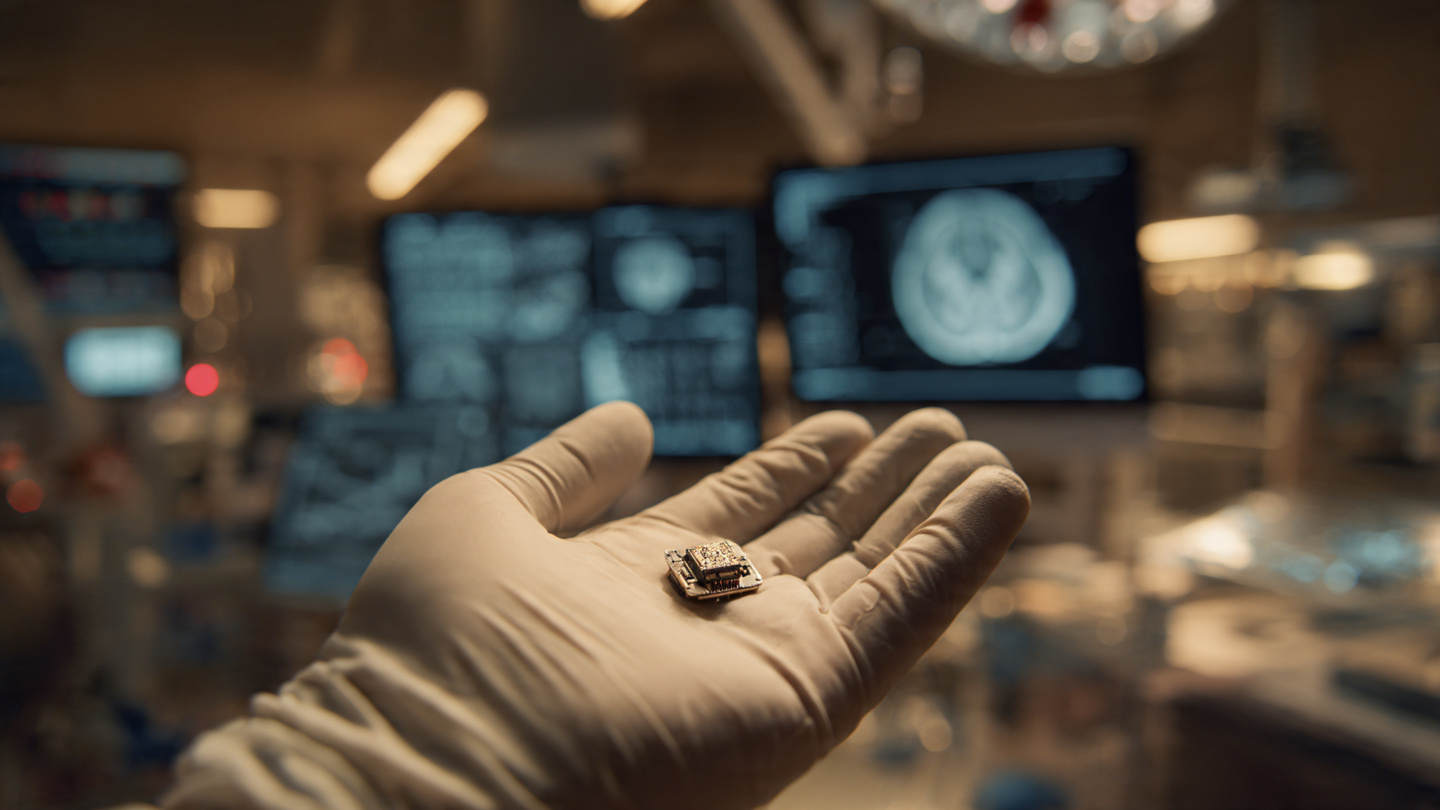
He Got a Brain Implant for Stroke Rehab. Two Hours Later He Was Playing Pong with It. No BCI Has Done Both Before.
CorTec's Brain Interchange just became the first fully implanted wireless brain-computer interface to demonstrate both therapeutic stimulation and thought-based computer control in the same patient, using the same hardware, with zero modification. If the therapeutic data holds up in peer review, it could open a therapy market 10 to 16 times larger than the augmentation market every other BCI company is chasing.

62% of Patients Were Completely Cured by a Single IV Infusion. Current Treatment Costs $500,000 a Year.
Intellia Therapeutics' lonvo-z just became the first in vivo CRISPR gene editing therapy to complete Phase 3 trials and begin FDA rolling submission. One outpatient IV drip reduced hereditary angioedema attacks by 87%. The break-even economics against chronic therapy make the case for one-time genetic cures nearly unanswerable.
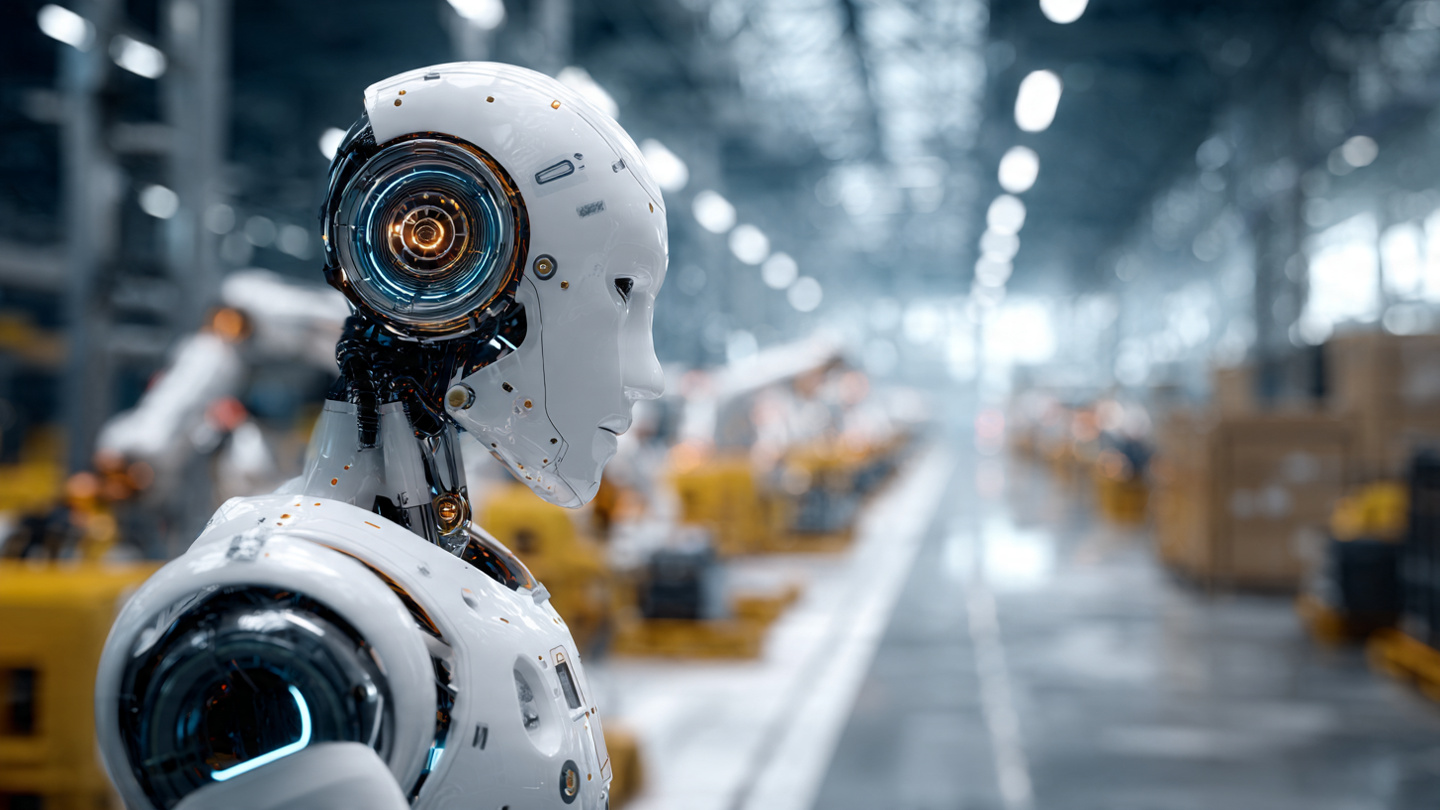
1X Sold 10,000 Robots in 5 Days. Each One Needs a Human Hiding Inside It.
America's first vertically integrated humanoid factory is now producing robots in Hayward, California. At $20,000 per unit or $499 per month, the business model depends on a single variable: whether each robot can survive on less than 49 minutes of human help per day.

Joby Flew JFK to Manhattan in 7 Minutes. 3 Heliports Can’t Justify an $8.6 Billion Valuation.
Manhattan's three commercial heliports cap eVTOL throughput at 2,160 passengers per day. At $200 per seat, that's a $157 million annual revenue ceiling on NYC's most-hyped air taxi corridor.
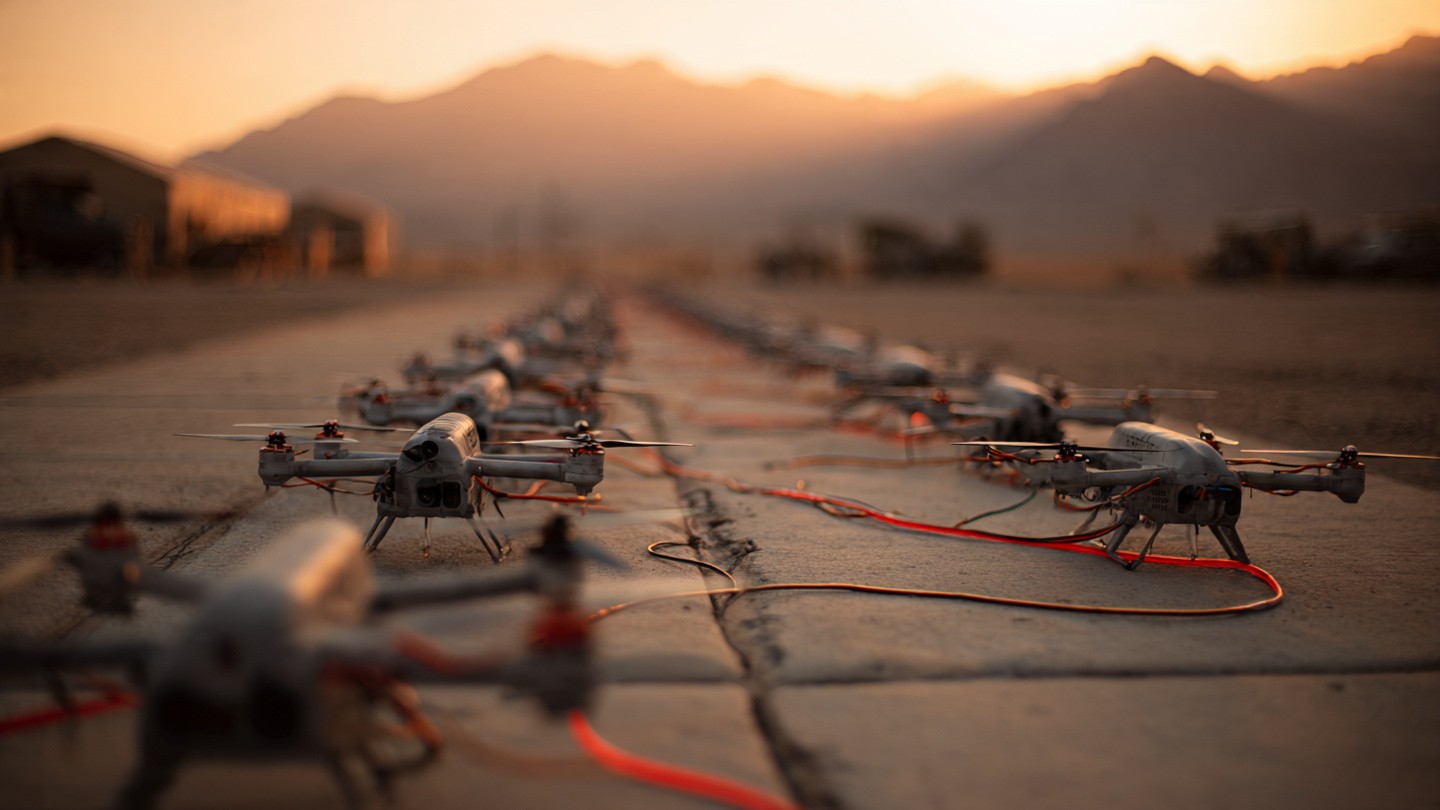
The Pentagon Spent $225 Million on Drones Last Year. Now It Wants $55 Billion. Here’s the Math That Forced the Pivot.
The FY2027 defense budget requests a 244-fold increase in drone spending, but the Pentagon's entire multi-year production target equals one month of Ukraine's current consumption.

The FDA Hasn't Changed How It Runs Clinical Trials in 60 Years. That Ended Monday.
FDA Commissioner Marty Makary says 45% of drug development time is administrative dead time. J&J cut clinical trial report preparation from 700 hours to 15 minutes with AI. Now the FDA has launched a pilot with AstraZeneca and Amgen to stream aggregated trial signals to regulators in real time, a structural reform that could eliminate years of delay from the $2.6 billion, 10-to-15-year process of bringing a single drug to market.

Try to Automate Your Entire Job. What's Left Is Why You're Valuable.
Klarna replaced 700 customer service agents with AI, bragged about it, then had to rehire humans when quality cratered. BCG found 74% of AI projects fail to scale. The common thread: someone who doesn't do the job decided what AI should replace.

Bill Gates’ Nuclear Reactor Just Broke Ground. At $11,594 Per Kilowatt, Here’s What ‘Affordable’ Actually Means.
TerraPower began construction on the first non-light-water commercial reactor permitted in the United States in over 40 years. At $4 billion for 345 megawatts, the cost per kilowatt looks 28% cheaper than Vogtle. But the fuel it needs barely exists on American soil, and the nth-of-a-kind target requires a cost reduction steeper than any nuclear program has ever achieved this early.

The First Smart Glasses Company to Publish Audited Financials Ships 130,000 Units a Year. Meta Ships 7 Million.
XREAL's Hong Kong IPO prospectus is the first window into audited unit economics for a pure-play smart glasses maker. An original per-unit decomposition reveals gross profit and R&D cost are identical at $195 per pair, the company burns $19.7 million in cash per year, and its market share is falling even as the market grows 56% annually.
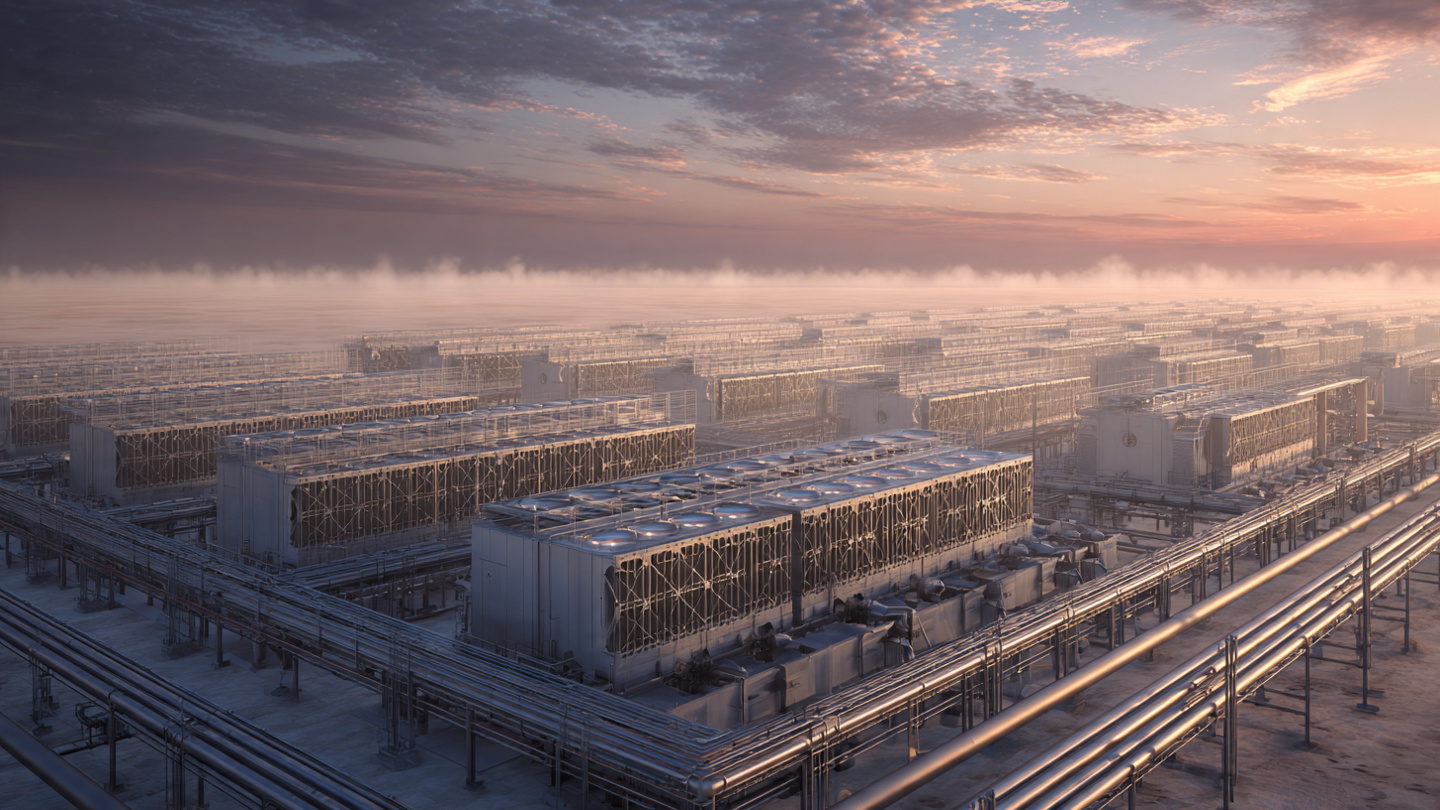
STRATOS Will Remove 500,000 Tons of CO₂ Per Year. The Planet Emits 40 Billion. Here’s the Math Nobody Wants to Do.
The world's largest direct air capture plant opens in Texas at 125 times the scale of the first commercial DAC facility. An original learning-curve analysis reveals DAC must double capacity every 2.2 years, match solar's best decade of cost decline, and consume 7% of global electricity to hit the IEA's 2050 target.
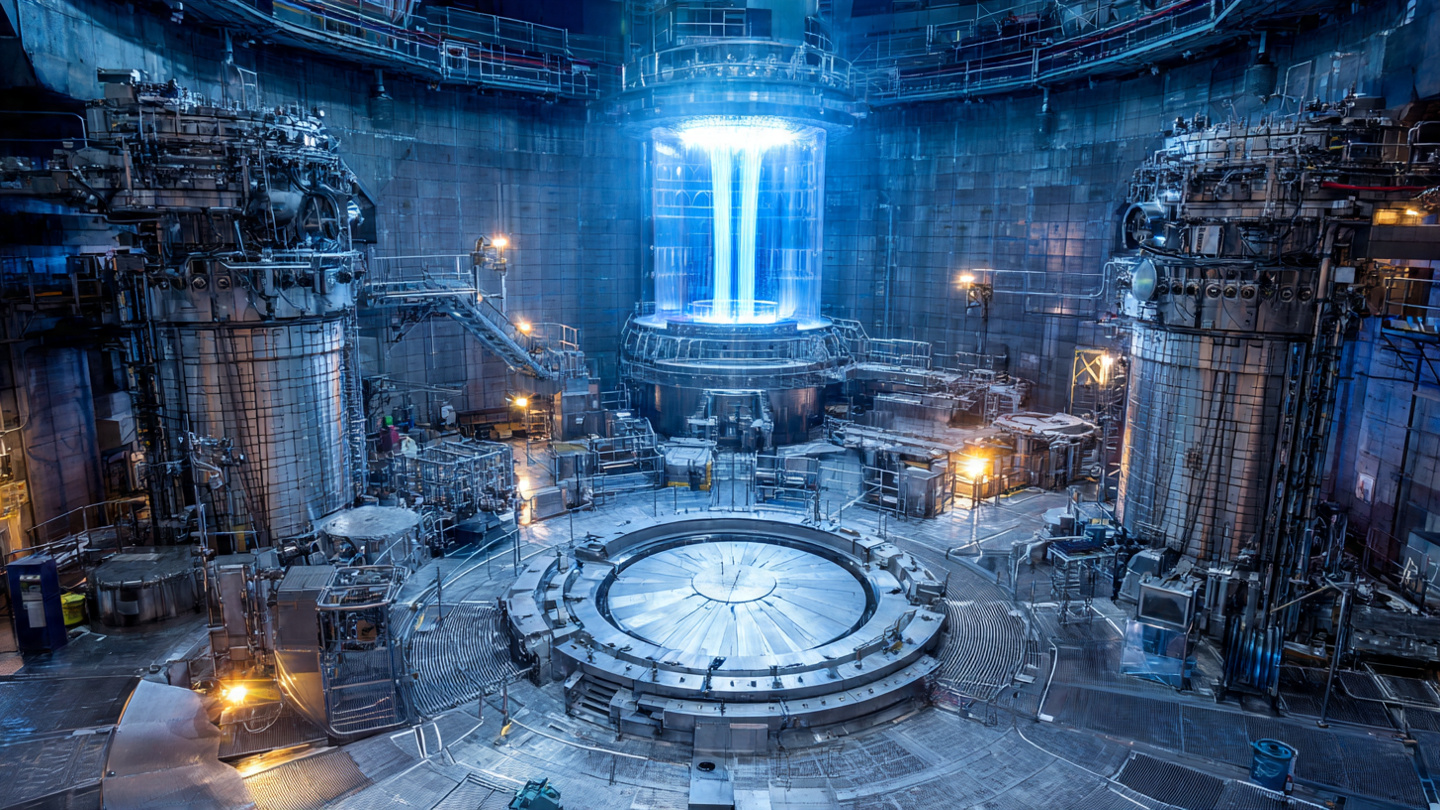
A Fusion Company Just Applied to Join America's Largest Power Grid. Here Are the 7 Things That Must Go Right.
Commonwealth Fusion Systems became the first fusion company to file a grid interconnection request with PJM, which serves 67 million people across 13 states. Between the application and the first electron lies a critical path with 7 sequential gates, an 80% historical dropout rate, and at least 6 years of execution risk.
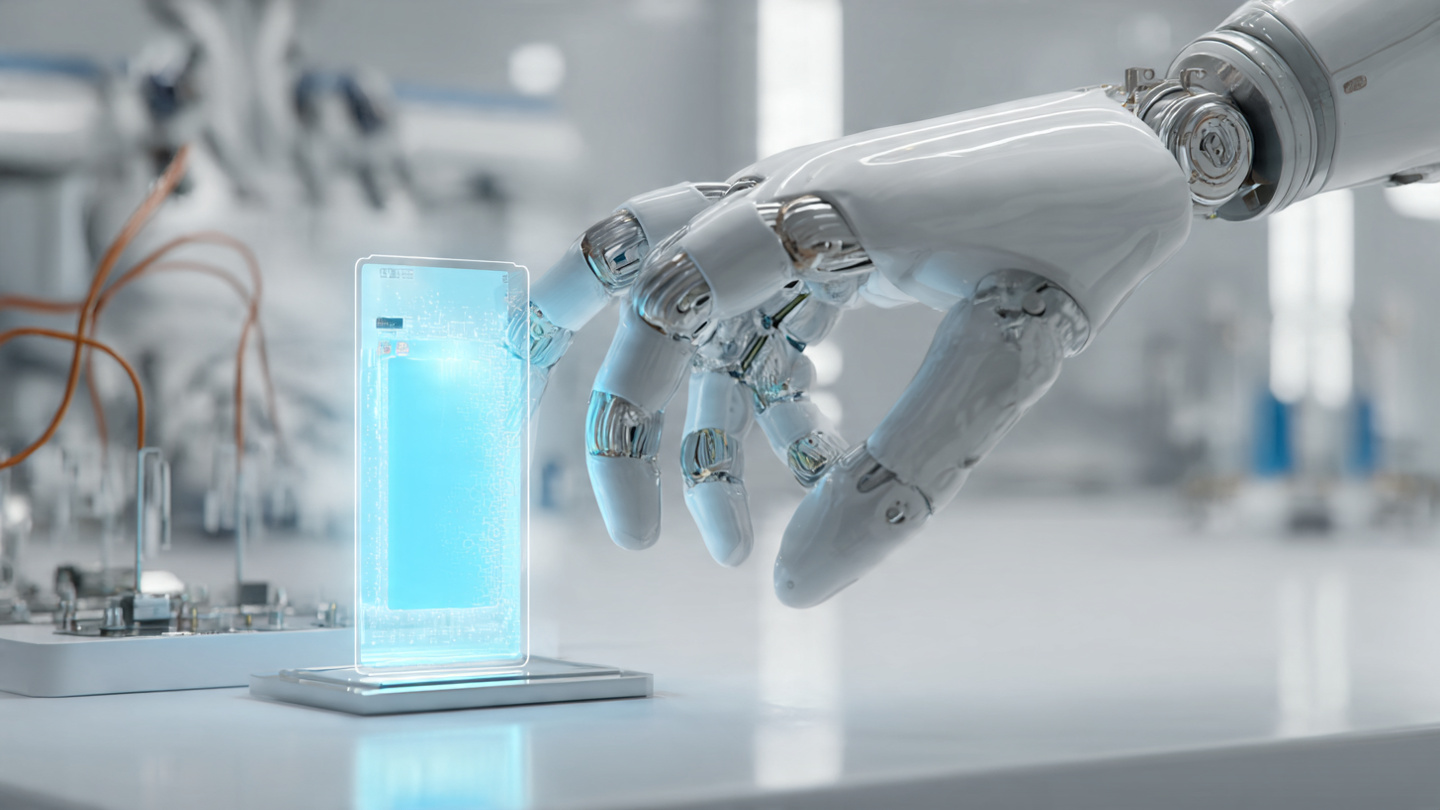
Solid-State Batteries Arrive in 2027. Robots Will Get Them First. Here's the $800 Reason Why.
Samsung SDI's CEO listed humanoid robots before electric vehicles in their solid-state production priority. Run the unit economics and the ordering makes brutal sense: an $800 battery premium is invisible on a $100,000 robot, catastrophic on a $35,000 car.

The Navy Spent $489 Million on Two Underwater Drones. Now DARPA Wants to Build Dozens for the Same Price.
Four actions in five days reveal the U.S. Navy's underwater drone strategy has pivoted from giant single platforms to swarms of miniature autonomous vehicles. Run the cost-per-ocean-coverage math, and the pivot makes brutal sense.

A Quantum Computer Just Cracked a 15-Bit Key. Bitcoin Uses 256. The Math Between Them Is Changing Faster Than Anyone Expected.
In seven months, the largest public quantum attack on elliptic curve cryptography jumped from 6 bits to 15 bits, a 512-fold increase in search space. In seven years, the estimated qubit requirement for a full-scale break dropped from 20 million to 10,000. Roughly 6.9 million Bitcoin with exposed public keys have no migration plan. Ethereum published one two months ago.

The Closed-Loop Human Is 7 Years Away. Here Is What Already Works.
An FDA-approved brain implant auto-tunes neural circuits every 250 milliseconds. A wristband tracks stress hormones in your sweat at picomolar resolution. Engineered cells produce insulin on demand for 90 days without immune suppression. An ultrasound-powered chip releases drugs based on electrochemical feedback. The four layers of autonomous human biochemical optimization each exist somewhere. Nobody has connected them.
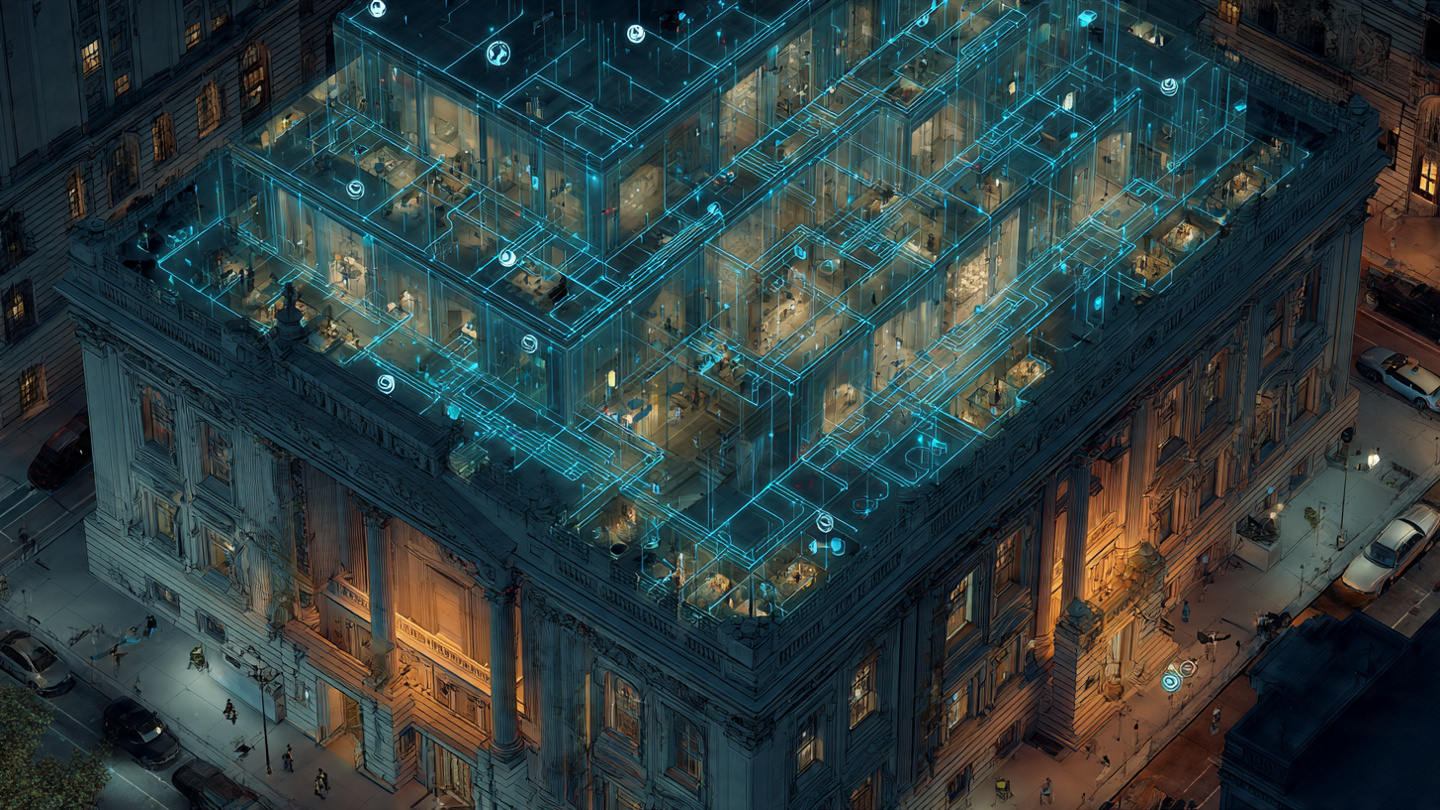
Every Public Employee in America Is Already Legally Observable. AI Agents Could Actually Do It.
There are 22.4 million government workers in the United States. Transparency laws already entitle the public to monitor nearly everything they do on the job. The only reason nobody exercises that right comprehensively is bandwidth. A framework called Agentic Government Oversight eliminates bandwidth. Here is the blueprint.
More articles load as you scroll.