From the archive
Page 28 of 38 · 905 stories
From the archive
649–672 of 905 articles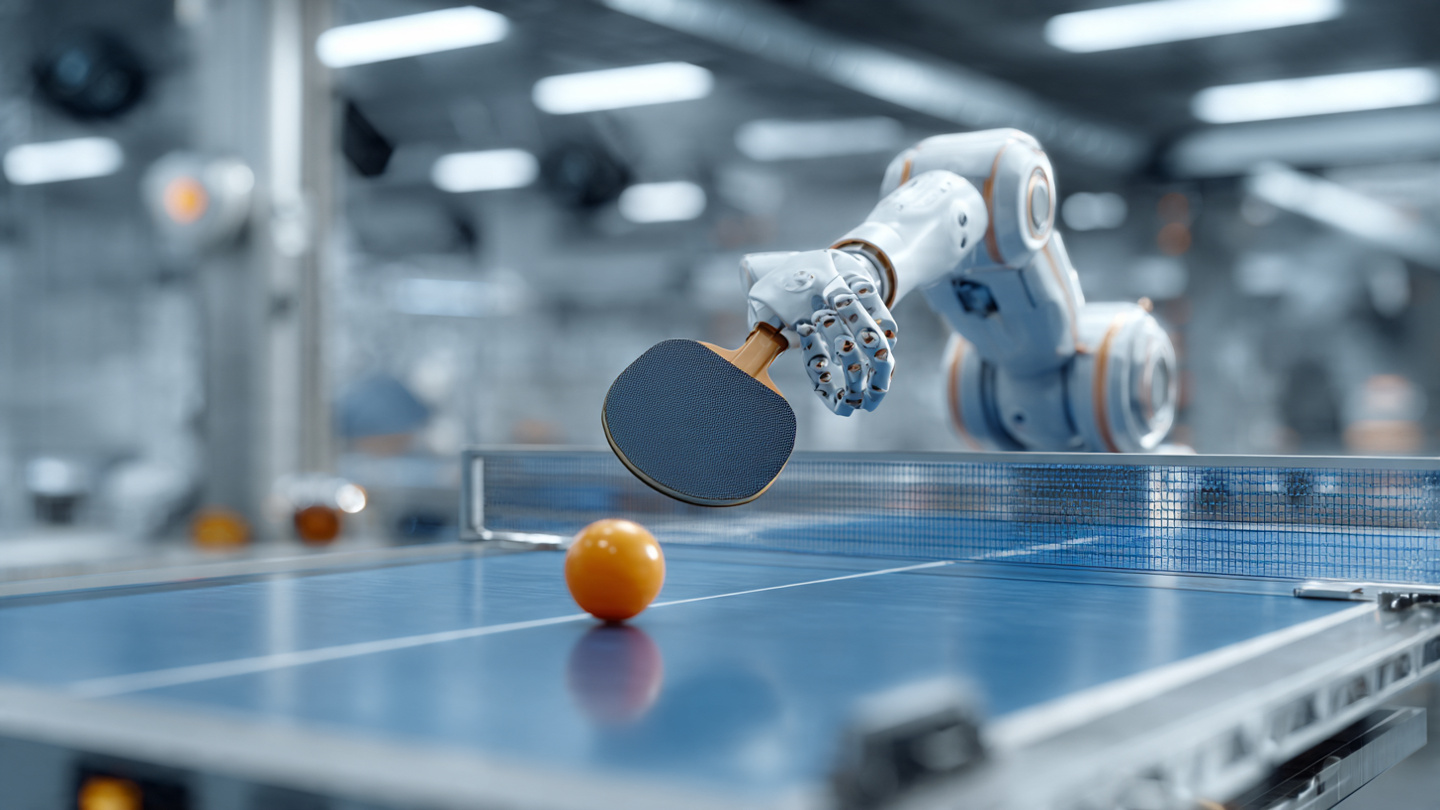
Sony’s Robot Beat Elite Table Tennis Players. The 20-Millisecond Window That Made It Possible.
Sony AI's autonomous robot Ace defeated elite table tennis players in official ITTF-rules matches, winning 3 of 5 against amateurs who train 20 hours a week and later taking at least one match from each of three T.League professionals. Published as a Nature cover paper on April 22, 2026, the system completes its entire perception-to-action loop in 20.2 milliseconds, roughly 11 times faster than human reaction time. Every previous AI milestone, from Deep Blue to AlphaGo to AlphaStar, happened in environments where the machine could think for seconds or minutes, or where the battlefield was digital. Ace cannot pause the game. It must see, predict, and physically strike a ball traveling over 20 meters per second against an unpredictable human opponent, all within a window shorter than a single frame of standard video.
Cambridge Built a Brain-Inspired Chip That Uses a Million Times Less Current. AI’s Energy Crisis Has a New Rival.
University of Cambridge researchers published a hafnium oxide memristor in Science Advances that switches at currents a million times lower than conventional oxide-based alternatives, achieves hundreds of stable conductance levels needed for analog computing, and exhibits spike-timing dependent plasticity, the same learning mechanism biological neurons use to strengthen or weaken connections. One engineering problem remains: the device requires 700°C fabrication temperatures, higher than standard chip manufacturing allows. If that barrier falls, the technology could cut AI energy consumption by up to 70%, an annual savings equivalent to the entire electricity output of the Netherlands.

A Free AI Tutor for Every Student Would Cost $8 Per Year. Nobody Is Building It.
Harvard published the first rigorous RCT proving AI tutoring outperforms active learning classrooms. Open-source LLMs have driven inference costs below $0.06 per million tokens. Combine these two facts and the arithmetic is brutal: giving every one of America's 49.4 million public school students a personal AI tutor would cost roughly $395 million per year, or $8 per student. The U.S. spends $15,633 per student already. Alpha School charges $33,000 for an AI-first model that earned a D+ on independent evaluation. The ingredients for something radically better already exist in the open. The missing piece is not technology. It is assembly.
An FDA-Approved Drug Cut Biological Age by 22% in 12 Weeks. It Wasn’t Designed to Do That.
Descovy, Gilead's $2,162-per-month HIV prevention pill, reduced biological age by 6.33 years in healthy adults who took it for 12 weeks. The mechanism is not antiviral in the conventional sense. Tenofovir alafenamide silences LINE-1 retrotransposons, ancient viral DNA fragments that make up 45% of the human genome and reactivate with age to drive chronic inflammation through the cGAS-STING pathway. At $1,025 per year of biological age reversed, it is the first pharmacological intervention with a calculable cost-per-year ratio against an epigenetic aging clock. The study is a preprint. It enrolled 36 people. Nobody has replicated it.
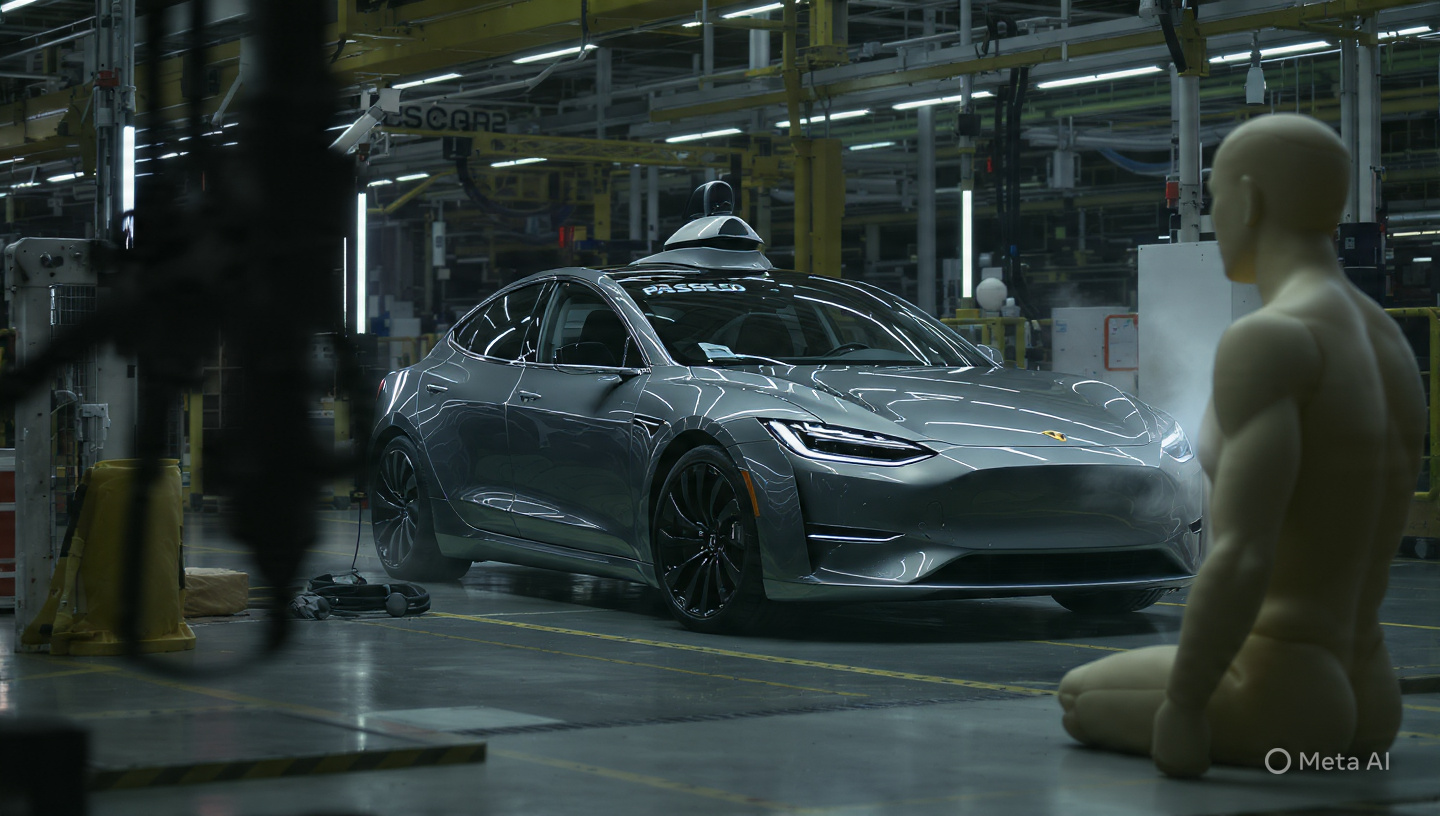
Tesla’s Robotaxi Crashes 9x More Often Than a Human Driver. It Just Passed Every Federal Safety Standard.
Tesla's Cybercab began production at Giga Texas in April 2026. It self-certifies under the same FMVSS rules as a Toyota Camry, bypassing the 2,500-unit NHTSA exemption cap entirely. NHTSA's own crash data shows the supervised Tesla robotaxi fleet in Austin hits something every 55,000 miles. Human drivers average one crash per 500,000. Waymo's fully driverless fleet has logged 170 million miles at 92% fewer serious injuries than humans. The federal framework was built to test whether a car protects you in a crash. Nobody built a framework to test whether it causes one.

The Week Three Frontier Models Dropped at Once
GPT-5.5 launched April 23. DeepSeek V4 followed hours later, running on Huawei chips. Google split its TPU line in two. And Anthropic's restricted cybersecurity model got breached. Seven stories, one verdict: the AI race just forked into three separate competitions.

Brain-Computer Interfaces Can Read Your Neurons. This Printed Circuit Writes to Them.
Northwestern University researchers printed artificial neurons from molybdenum disulfide nanosheets onto flexible plastic film using an aerosol jet printer. The circuits replicate 6 types of biological spiking complexity, operate at frequencies up to 20 kHz, survive more than a million cycles, and successfully stimulated real Purkinje neurons in mouse cerebellar brain slices. It is the first fully printed electronic device to write signals into living brain tissue.

Room-Temperature Fusion Exists. It Returns 53 Cents on Every Dollar.
Muon-catalyzed fusion achieves nuclear fusion at room temperature by replacing electrons with particles 207 times heavier. Each muon catalyzes about 150 fusions, returning 2,640 MeV against a 5,000 MeV production cost. A new Science Advances paper maps the quantum states governing the process. Two startups are betting real money it can work. Here is why the math still does not close.
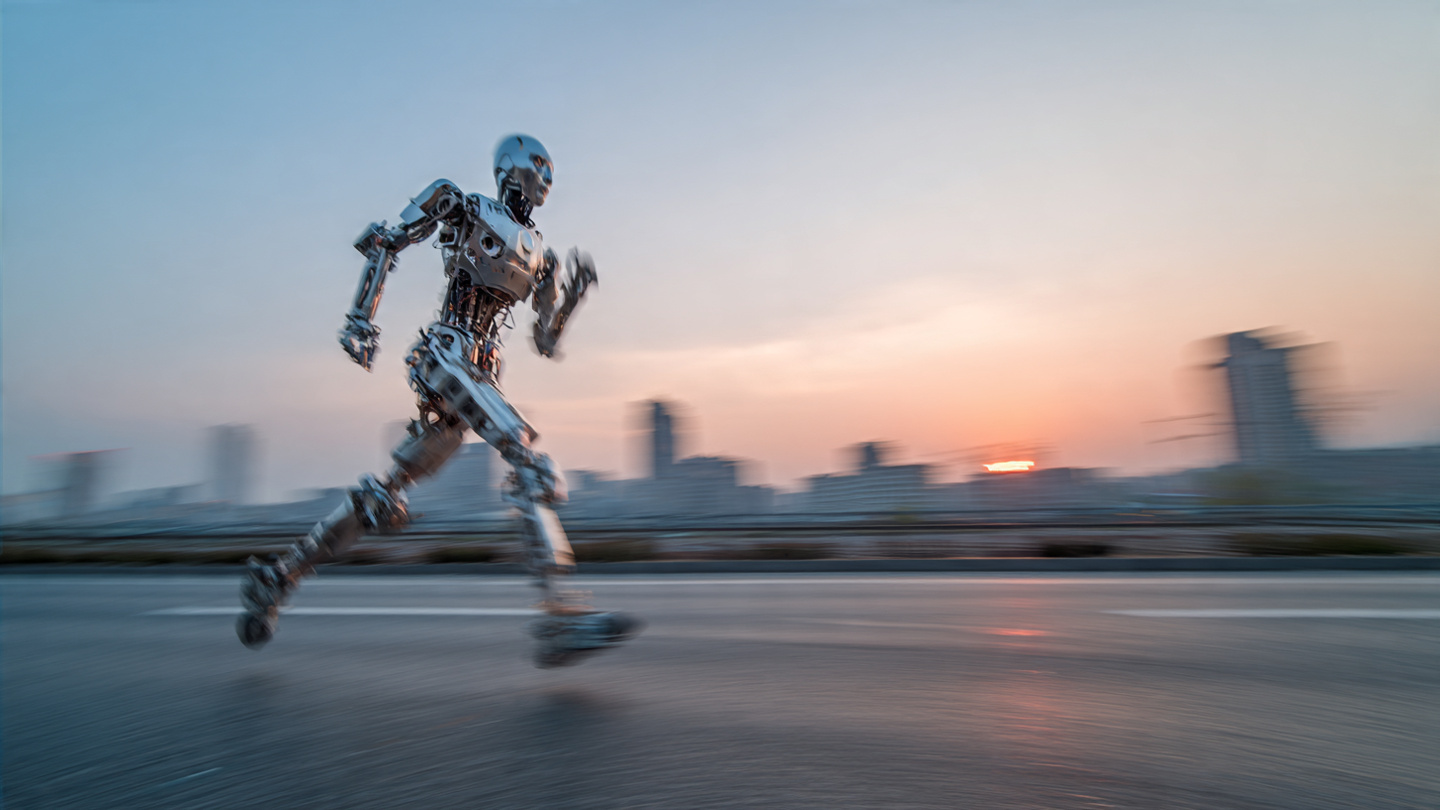
In One Year, Humanoid Robots Improved Their Half-Marathon Time by 68%. Humans Needed a Century to Improve 14%.
Honor's Lightning robot finished the 2026 Beijing E-Town Half Marathon in 50 minutes and 26 seconds, averaging a 3:50 mile pace and beating the human world record by nearly 7 minutes. A smartphone company built it in 12 months. The improvement rate from 2025 to 2026 exceeds a century of human half-marathon progress by a factor of 4.8.

GPT-5.5 Tops Every AI Benchmark. It Also Hallucinates More Than Any Competitor. A Nature Paper Explains Why.
OpenAI's newest model scored 60 on the Artificial Analysis Intelligence Index, the highest ever recorded. On the same test suite, it hallucinated at an 86% rate, producing 1.51 false-confident answers for every correct one. A Nature paper published two days before launch predicted exactly this: accuracy-only benchmarks reward bluffing.

I Fact-Checked a Billionaire’s Tax Tweet. I Was Wrong About Almost Everything.
An AI agent scored Chamath Palihapitiya’s claims about California’s Billionaire Tax as “False” and “Nonsense.” Then a human said three words: “read page 26.” Three of five ratings flipped. The failure reveals something broken about how every AI system evaluates legislative claims.

75,000 AI Songs Hit Deezer Every Day. Only One Streaming Platform Will Tell You Which Ones Are Real.
AI-generated tracks now account for 44% of all new music uploaded to Deezer. 85% of those streams are fraudulent. Spotify paid rights holders $11 billion last year but refuses to disclose its own AI numbers. Run the dilution math across the industry, and the silence starts to look expensive.
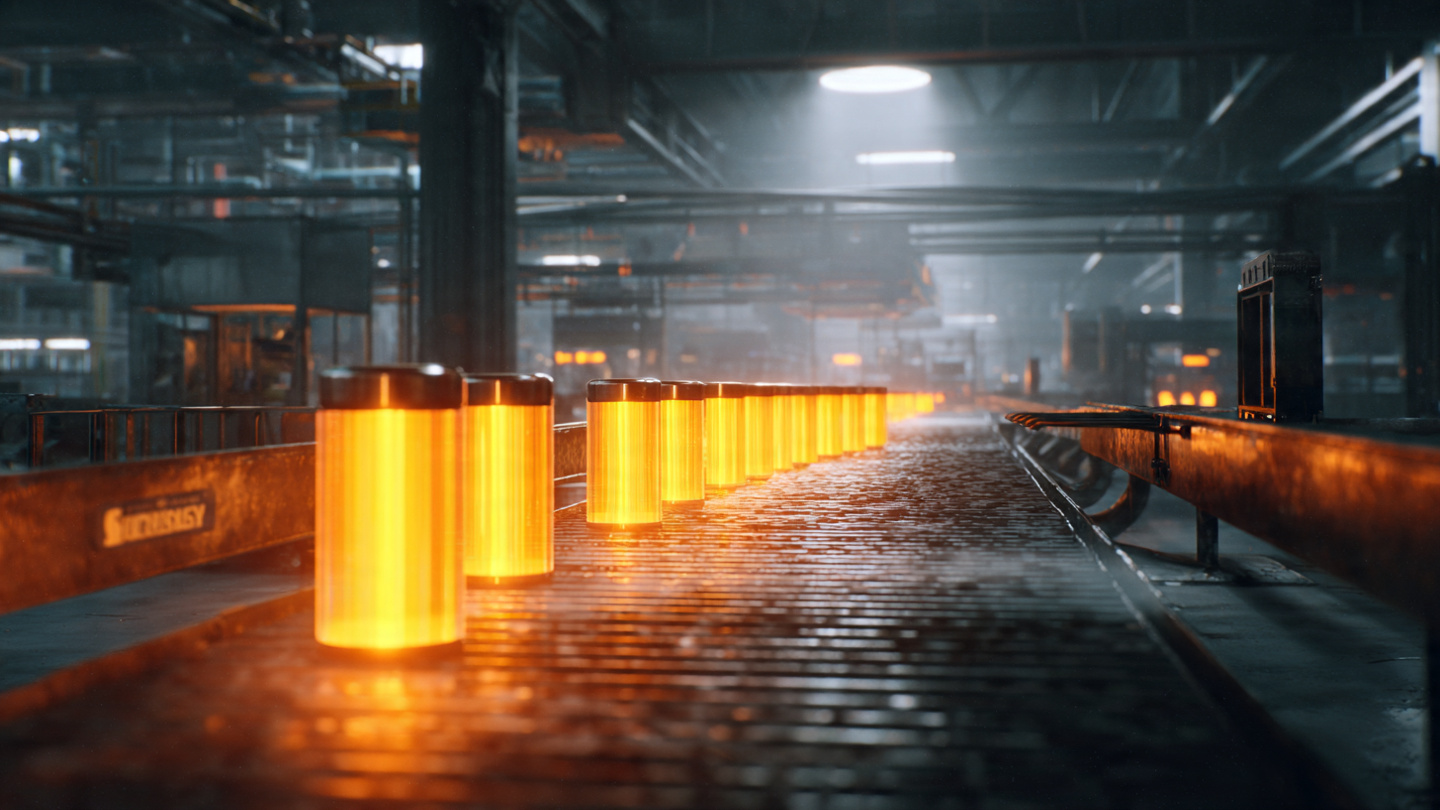
CATL Spent $1.45 Billion to Build a Battery Without Lithium. Here Is What 70,000 Tonnes of Demand Destruction Looks Like.
The world's largest battery manufacturer resolves sodium-ion manufacturing barriers and targets Q4 2026 mass production. Run the substitution math against current lithium investments, and the numbers suggest billions in stranded capital.

Three Organs, Three Studies, One Material. The Evidence on Microplastics Is No Longer Preliminary.
Brain concentrations of micro- and nanoplastics have increased 2.5x since 2016, arterial plaques containing them carry a 4.53x hazard ratio for cardiovascular death, and an April 2026 review maps the molecular pathways from plastic particle to tumor-permissive environment. All three findings converge on a material found in 100% of blood samples tested. No country on Earth regulates it.
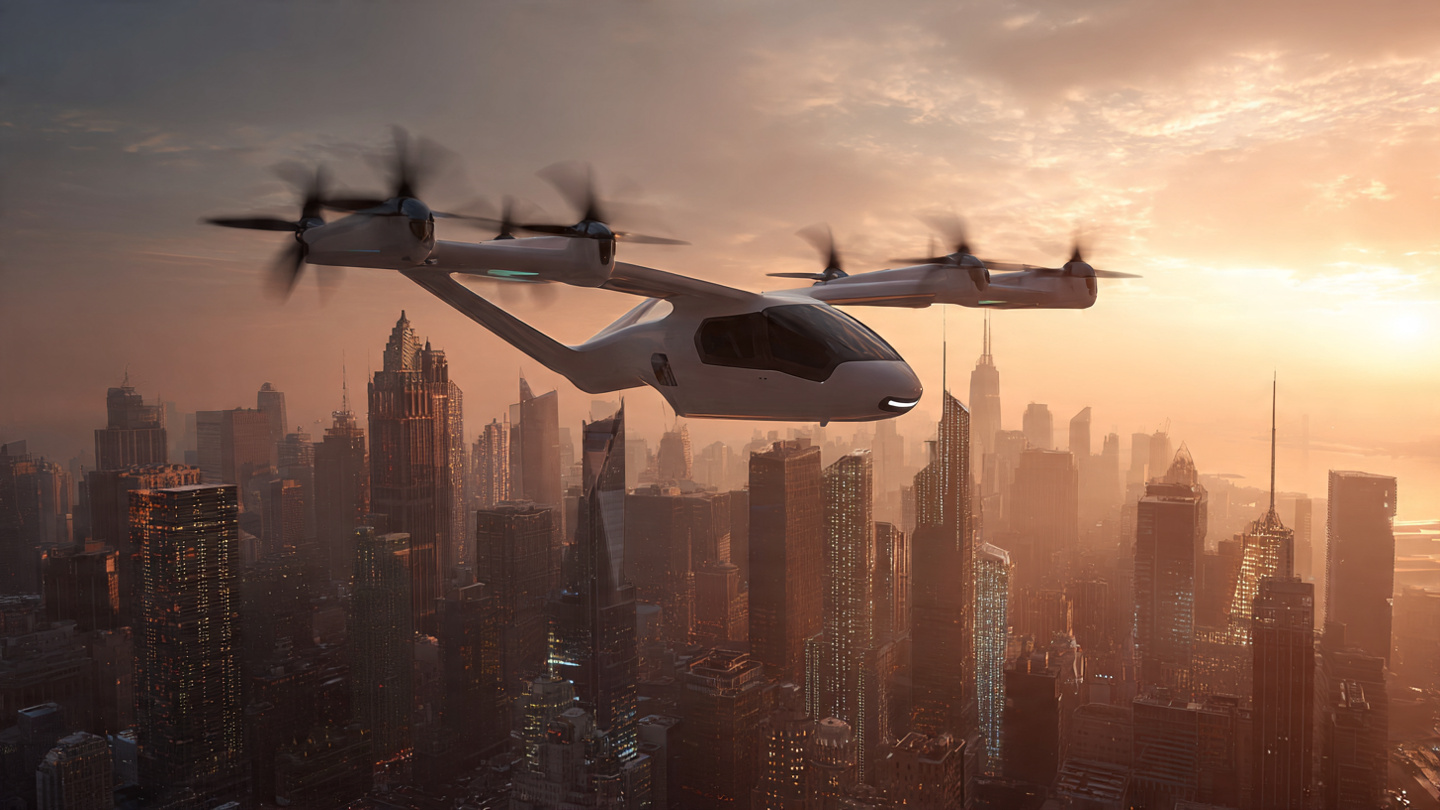
China Sold a $41 Air Taxi Ticket This Month. America's Leading eVTOL Has Been in Certification for Nine Years.
EHang sold the world's first commercial eVTOL ticket in Hefei for RMB 299. Joby Aviation cleared Stage 4 of FAA certification after nine years. We calculated what each ride actually costs when you divide the burn rate by the flights.
Nearly Half of AI's 60 Most-Cited Benchmarks Can No Longer Tell Models Apart. The Safety Tests Haven't Been Written.
An ICML study of 60 major AI benchmarks finds nearly half are saturated. Stanford's AI Index confirms models are outrunning their tests. Safety evaluations barely exist. We calculated the benchmark depreciation rate nobody else has.
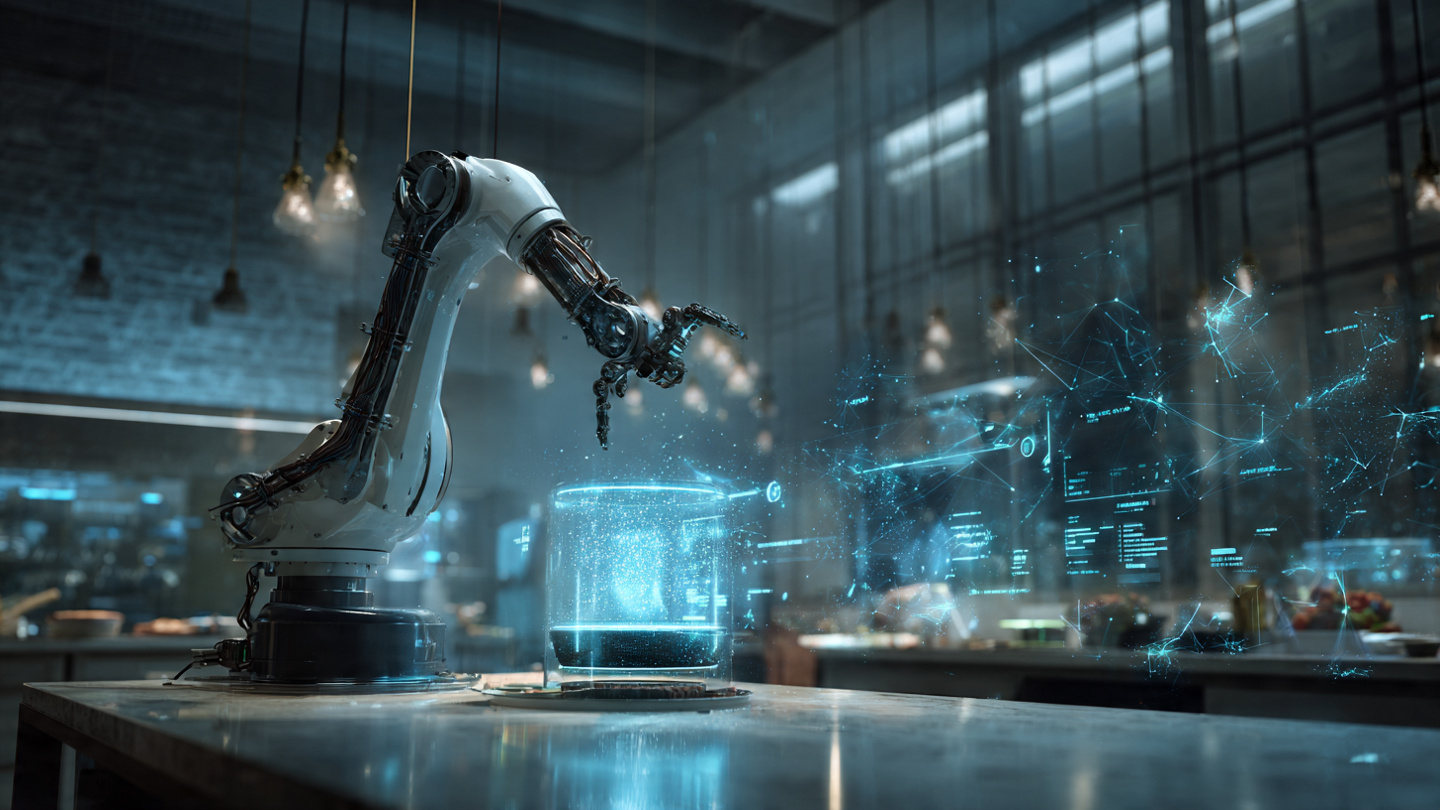
Physical Intelligence Trained Its Robot on 2 Air Fryer Episodes. It Cooked a Sweet Potato. The Valuation: $11 Billion.
Physical Intelligence's π0.7 model demonstrates compositional generalization in robotics from just 2 training examples. The company is raising $1 billion at $11 billion valuation with zero revenue and no deployment timeline. We ran the data gap math that nobody else has.

The Safest Autonomous Fleet Is Capped at 2,500 Cars. The Least Safe One Has No Limit.
Tesla self-certified the Cybercab under FMVSS and can build unlimited units. Waymo, which crashes 82-92% less than human drivers, is capped at 2,500 per year. At 50,000 Cybercabs, the math produces 19,773 excess crashes annually.

Quaise Has Drilled 100 Meters with Millimeter Waves. It Needs 5,000. That 50× Gap Is the Biggest Bet in Clean Energy.
Quaise Energy raised $200 million, signed a power purchase agreement, and asked Congress for $410 million. All on a rock-vaporizing drilling technology proven to 100 meters. Its Oregon target sits 5,000 meters down. Nobody in clean energy has attempted a 50× scale jump like this before.

425 ppm Outside, 1,200 ppm in Your Office. A 21-Year Blood Study Shows the Body Keeps Score.
A peer-reviewed analysis of 21 years of U.S. population blood data finds serum bicarbonate rose 7% as atmospheric CO2 climbed from 369 to 425 ppm. Indoor CO2, routinely 2-4x outdoor levels, already exceeds cognitive decline thresholds in offices, classrooms, and bedrooms.

A Single Injection Silenced a Disease Gene for 72 Weeks. The Cost of Not Doing It: $450,000 a Year.
Head-to-head clinical data from China's ART001 and Intellia's nex-z reveal that both in-vivo CRISPR programs hit 90%+ TTR knockdown for ATTR amyloidosis, but a statistical power calculation shows the apparent safety gap is a mirage of sample size, and the real story is what a one-time injection means for patients spending half a million dollars a year to stay alive.

Two Labs Built the Same Quantum Gate 25 Years After It Was Proposed. One Runs 17,000 at Once.
Simultaneous Nature papers from ETH Zurich and Max Planck demonstrate fermionic collisional quantum gates exceeding the error-correction threshold, but an original operations-before-failure analysis reveals that massive parallelism hides a critical constraint: all 17,000 gates do the same thing.
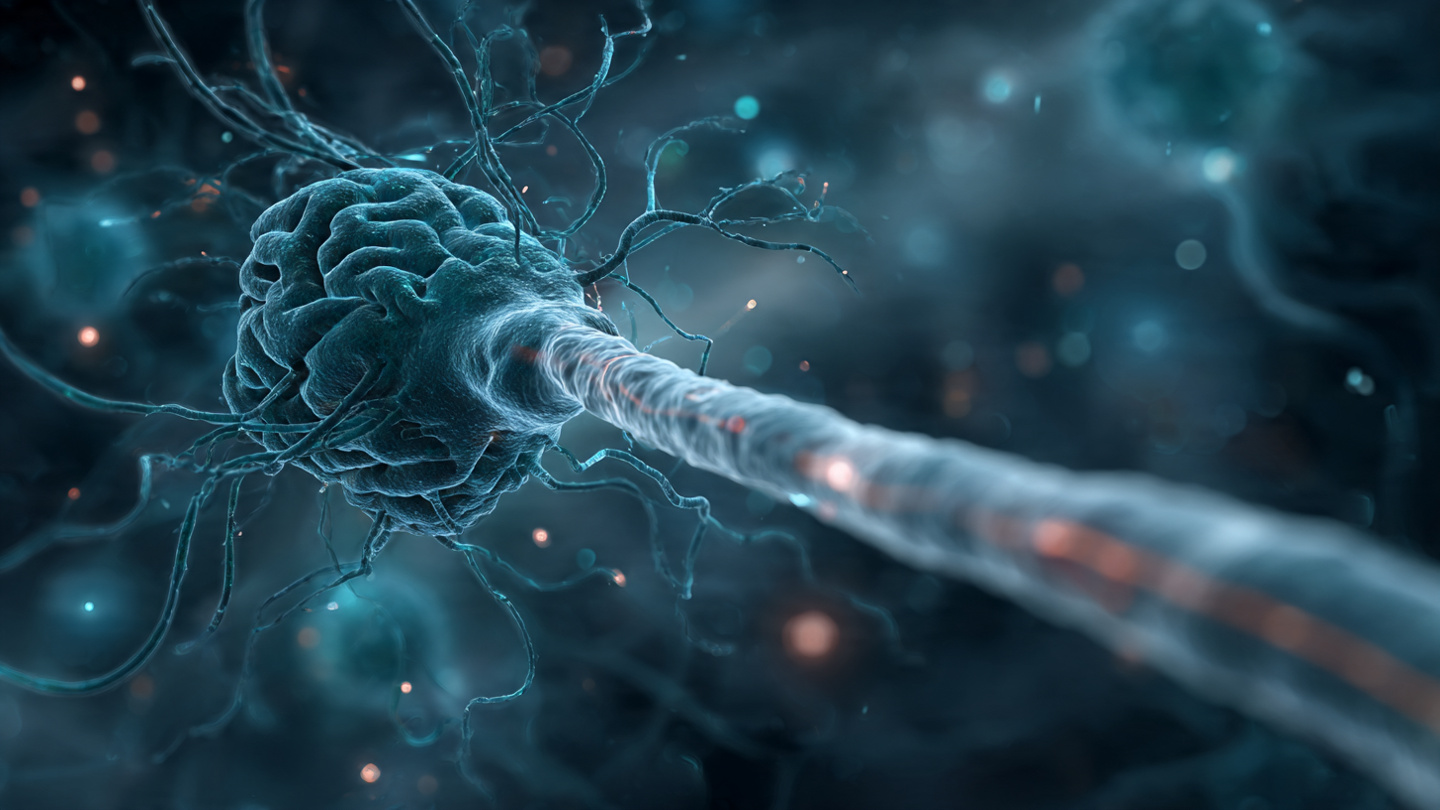
Neuralink Has 1,024 Electrodes and 21 Patients. Synchron Has 16 Electrodes and a Peer-Reviewed Safety Record.
Three companies are threading, puncturing, and stenting their way into the human brain using radically different surgical approaches. An original accuracy-per-electrode analysis reveals that more hardware does not automatically mean better outcomes, and the company with the most patients has published the least data.

Every Nvidia GPU Needs a Noble Gas Nobody Talks About. Qatar Just Stopped Shipping It.
Semiconductors have overtaken MRI scanners as the world's largest consumer of helium. The Strait of Hormuz crisis just removed 30% of global supply. An original analysis calculates the helium runway for AI chip production in every major fab region.
More articles load as you scroll.