From the archive
Page 14 of 38 · 905 stories
From the archive
313–336 of 905 articles
Altera’s CEO Says FPGAs Are the “Nervous System” of Robotics and Projects a $100B Market. The Math Needs 500 Million Robots.
Raghib Hussain's $100B claim requires 25x more robots than exist. But the FPGA moat in robotics is real — just not for the reason he's selling.
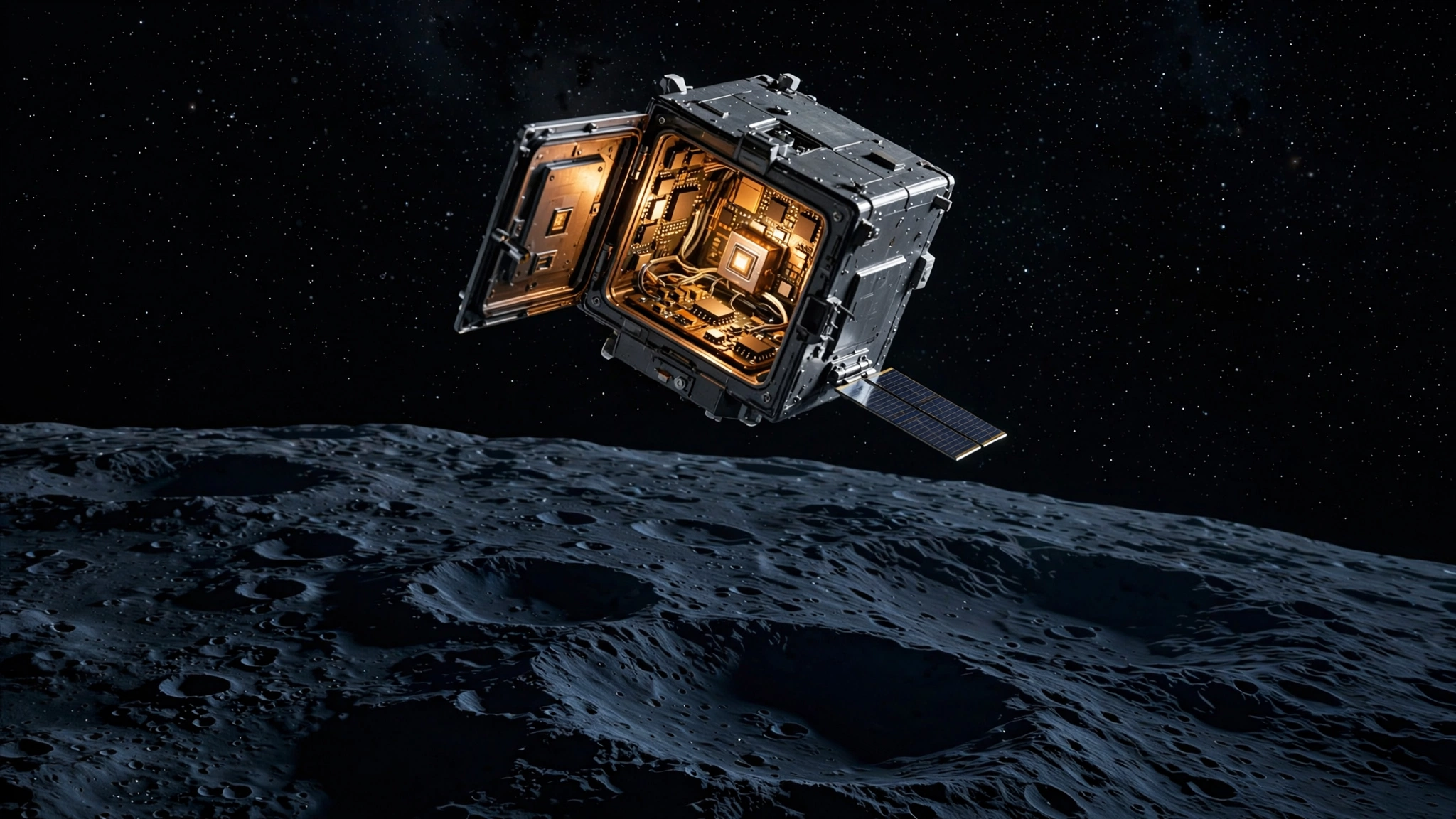
100 Microwatts of Nuclear Power Just Reached Orbit. The $77 Million Plutonium Pipeline Serves a Different Universe.
City Labs' BOHR CubeSat carries a tritium betavoltaic battery that produces 100 microwatts for 20+ years. The math on autonomous space sensors changes completely.

Semaglutide Slowed Biological Aging by 3 Epigenetic Years in 32 Weeks. At Medicare's New $50 Copay, Each Year Costs $123.
A placebo-controlled Phase 2b trial found semaglutide reduced PhenoAge by 4.9 years/year. At Medicare's $50/month copay, the cost per epigenetic year reversed drops to $123. Post-hoc, n=84, HIV cohort. But six clocks moved.

The First Wearable Cancer Drug and the 2.25 Million Infusion Hours Nobody Has to Build
Sarclisa and Keytruda just quit the IV bag. The infusion math changes everything.
SK Hynix Hit 72% Operating Margin. Nvidia Hit 65%. Apple Hit 35%. Then SK Hynix Walked Away from AI's Hottest Chip.
The most profitable product in tech isn't a GPU. It's a memory chip. And the memory company just walked away from HBM because boring DDR5 is more profitable per wafer.
Tokamaks Have a 5× Cost Overrun Record. Stellarators Have 1.8×. A €2.4 Billion Startup Is Betting the Gap Holds at Grid Scale.
Proxima Fusion raised €411M to build the first commercial stellarator. The cost overrun data says the ugly reactor might finally beat the elegant one.

Apple Says OpenAI Stole Its Trade Secrets. The Real Number Is 400 Engineers and $280 Million in Replacement Costs.
Apple's lawsuit against OpenAI names two defendants and dozens of stolen files. But the 41-page complaint reveals a deeper play: 400 former Apple engineers now work at OpenAI, Apple burned $280 million replacing them, and the $6.5 billion io Products acquisition may have been the most expensive talent raid in Silicon Valley history.
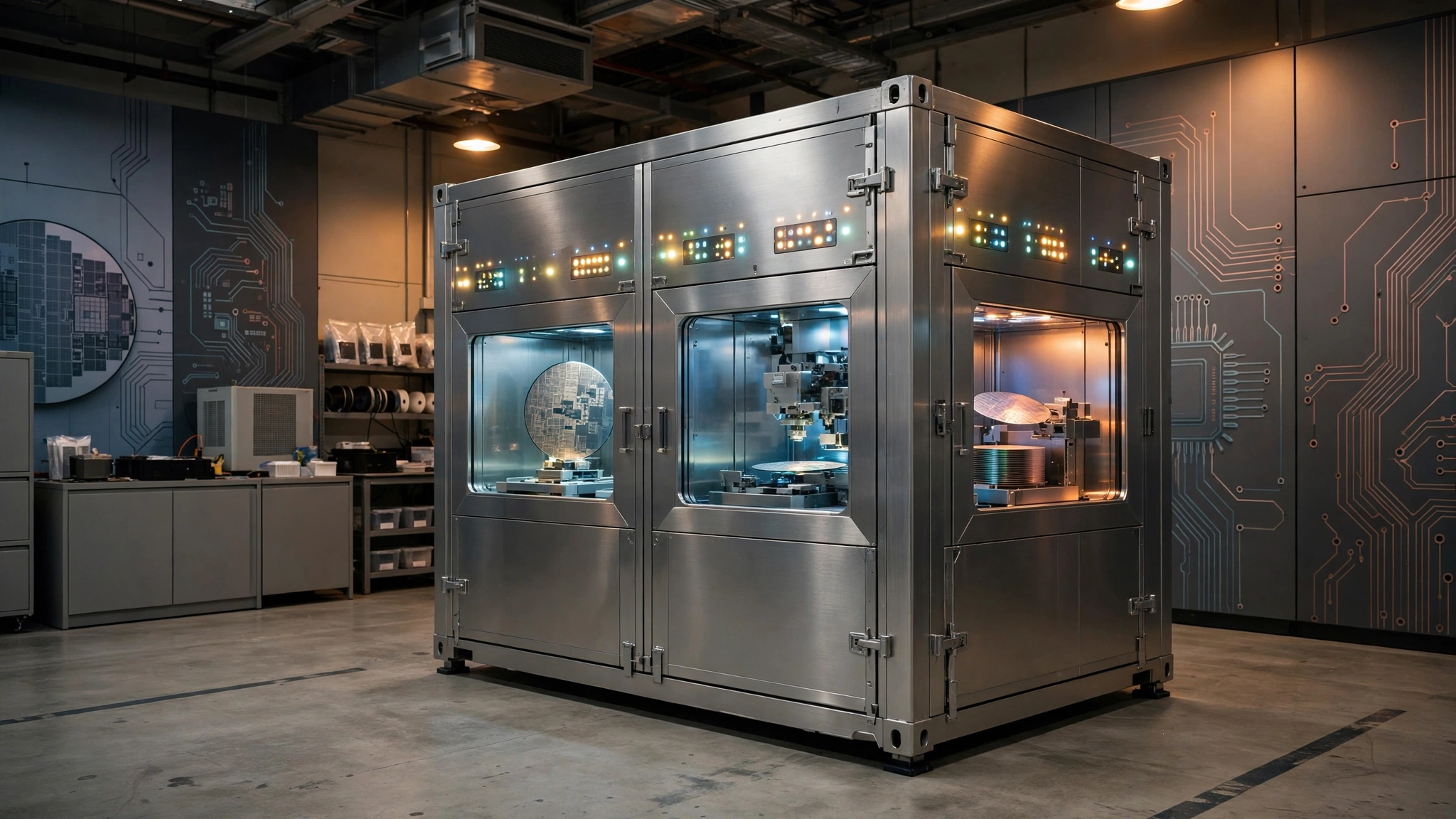
A Cutting-Edge Chip Fab Costs $28 Billion. Jim Keller's Fab2 Wants to Print Them by the Dozen.
The legendary chip architect and a garage chipmaker have rebranded Atomic Semi as Fab2, moved to Texas, and begun building a 'fab fab' — a factory that mass-produces compact semiconductor fabs. TSMC charges $30,000 per 2nm wafer. A startup iterating 5 chip designs through TSMC burns $1M in salary and wait time. In a Fab2-style mini-fab, the same iterations would take weeks, not years.
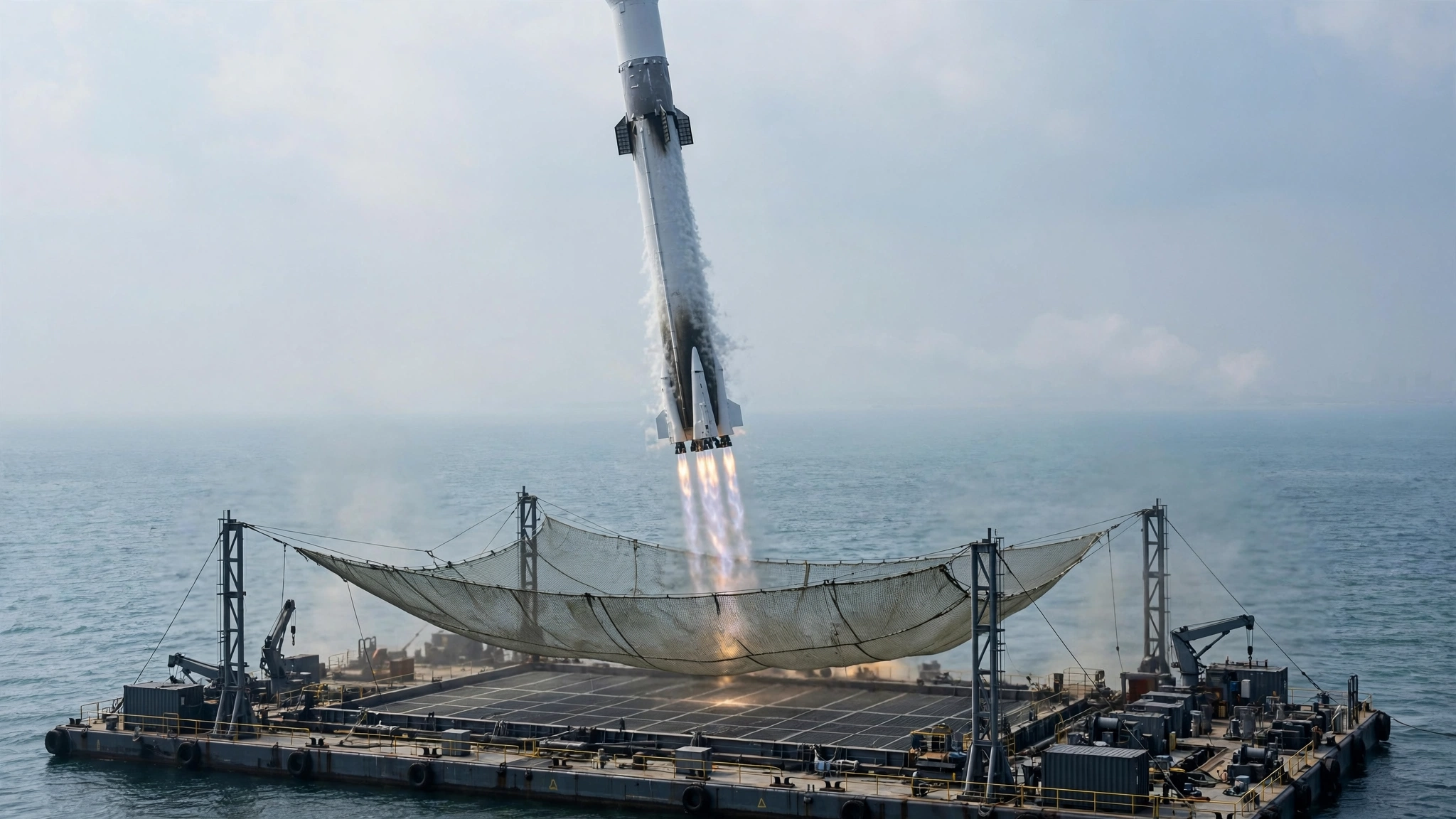
China Caught a Rocket in a Net. Matching SpaceX Requires 360 More.
On its maiden flight, China's Long March 10B dropped its booster into a net, skipping landing legs and saving 2,000 kg of dead weight per flight. At full reuse, that cuts launch costs to $813/kg. Deploying 13,000 Guowang satellites still requires 360 more flights.

78% of AI Agent Failures Are Invisible. Six Major Coding Agents Just Proved Why.
New research shows four out of five AI agent failures produce no error message at all. Then Wiz found sandbox-escape vulnerabilities in every major coding agent it tested. The fix costs almost nothing. The industry is spending billions on the wrong problem.
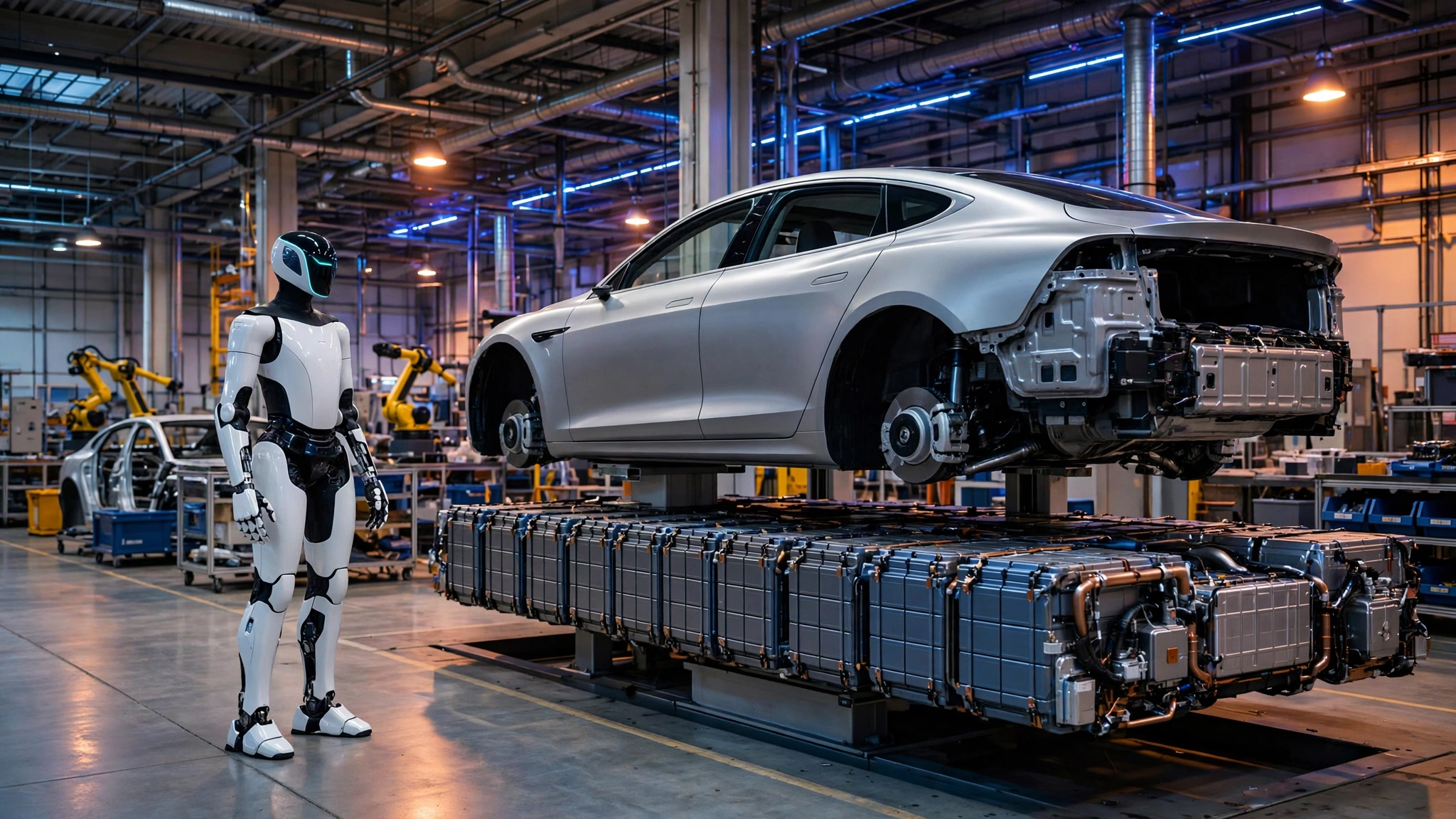
Tesla Needs 43 Optimus Robots to Match One Model S Battery. That's the Point.
A Model S carries 100 kWh of batteries worth $11,000. An Optimus robot carries 2.3 kWh worth $300. When Tesla retooled the factory, it didn't just swap products. It inverted the battery industry's entire value equation.
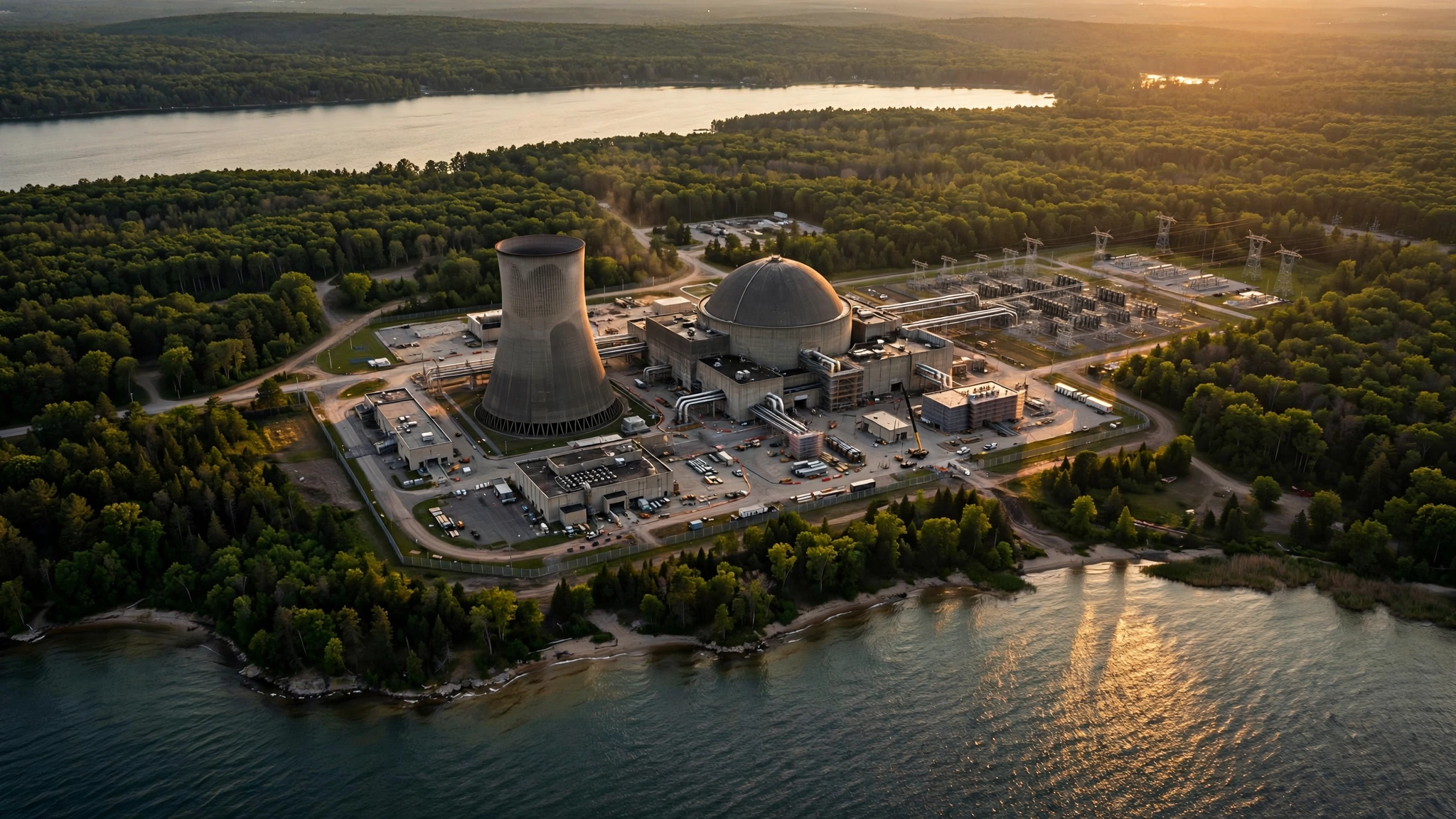
Holtec Filed for an IPO. Its Real Product Isn't Reactors. It's Resurrection at $2 Million per Megawatt.
Restarting a dead nuclear reactor costs $2 million per megawatt. Building one from scratch costs $15.7 million. Holtec is the first company to go public on that spread, and the only nuclear IPO with actual revenue.
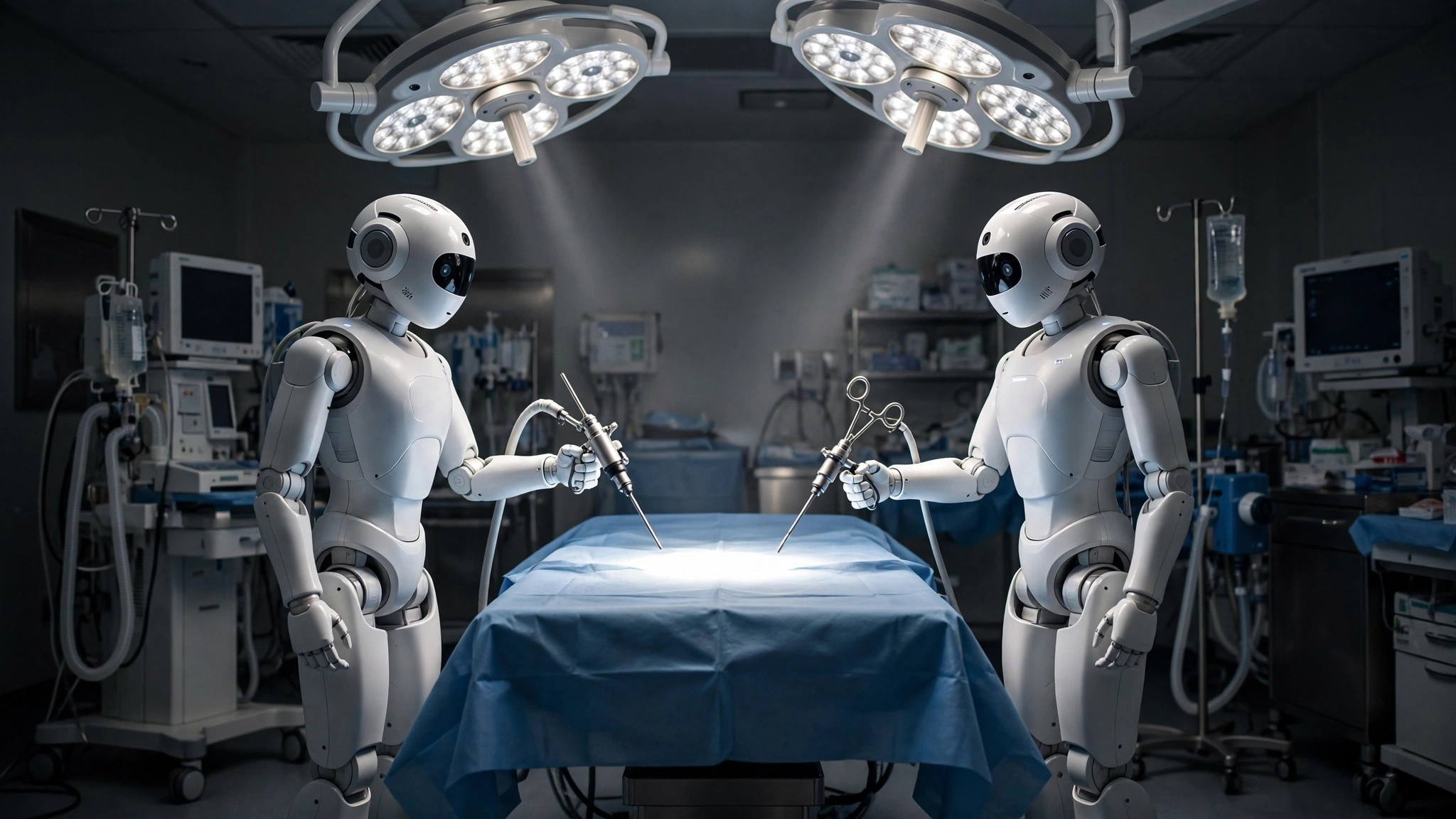
A $16,000 Robot Just Performed Surgery. The Machine It Could Replace Costs $1.85 Million.
UCSD surgeons used two modified Unitree G1 humanoids to perform gallbladder removal, published in Nature. The cost ratio is 57:1.
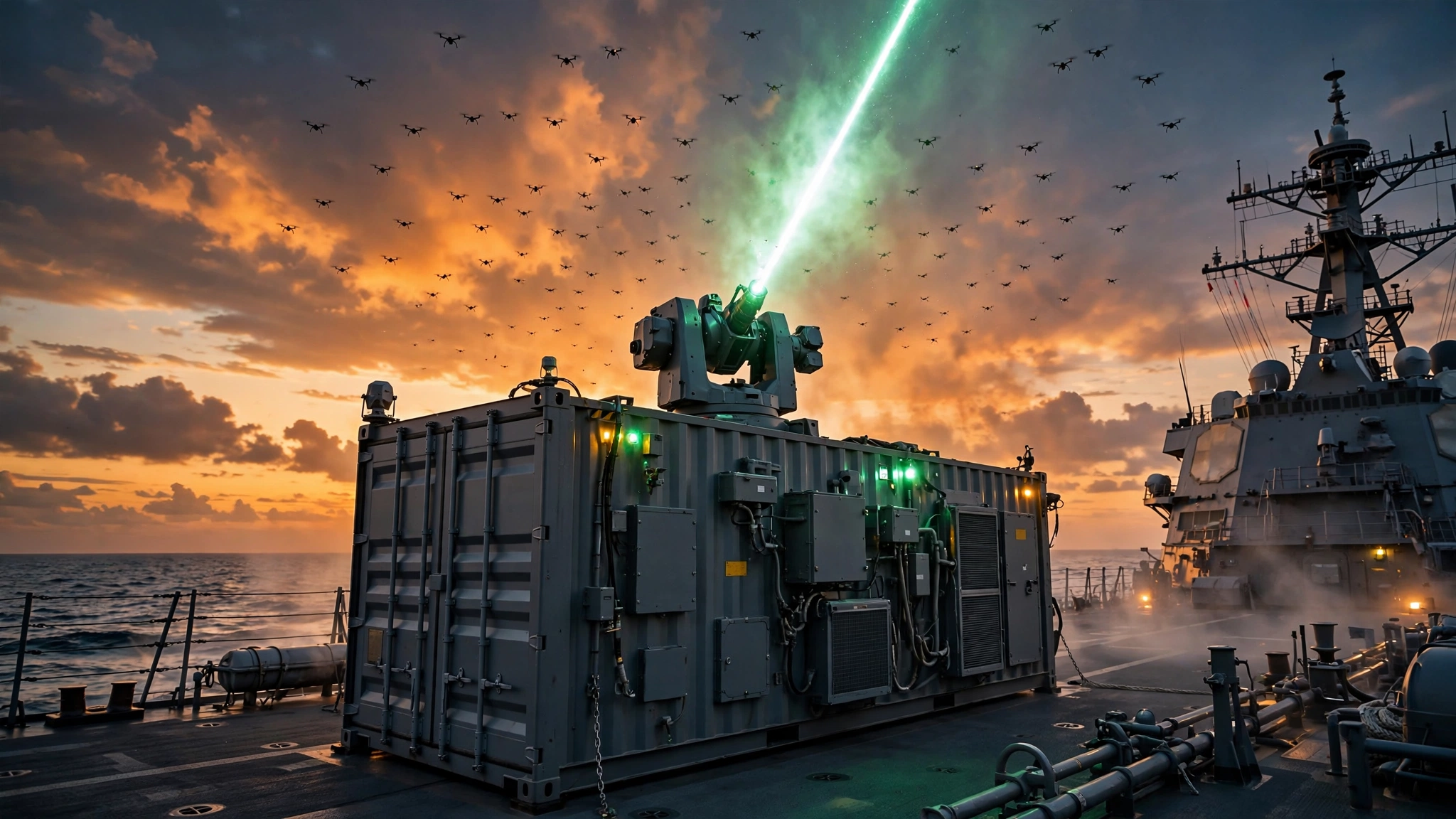
The Pentagon Just Bought Its Way Out of the $4 Million Missile Trap. Each Laser Shot Costs $3.50.
The JLWS contracts total $847 million. The U.S. Navy spent roughly that much shooting down Houthi drones with kinetic interceptors in the Red Sea. One is a one-time investment in production laser weapons. The other bought two years of ammunition that's already gone.
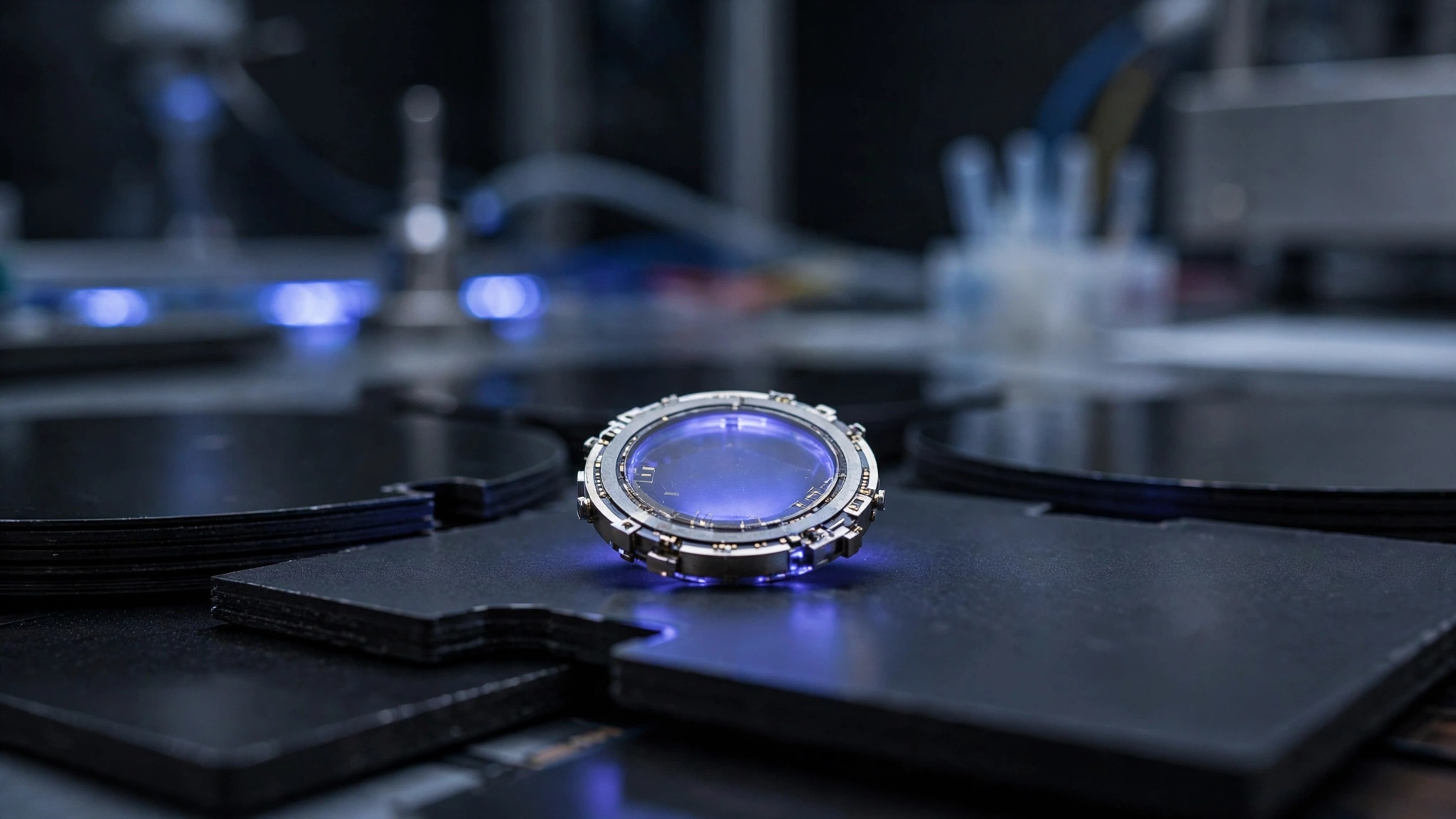
China's Nuclear Battery Just Got 15× More Powerful. It Would Still Take 1,692 Years to Charge Your Phone.
A new carbon-14 betavoltaic battery achieves a 15-fold jump in volumetric power density. We ran the numbers on what 1.13 microwatts actually gets you and the 33x of headroom still locked inside the physics.
Mistral Says One Camera Replaces a $5,000 LIDAR Stack. The Math Works — Until You Read the Safety Code.
Robostral Navigate eliminates LIDAR for robot navigation using an 8B-parameter vision model trained entirely in simulation. The per-robot savings are real. The regulatory ceiling is too.
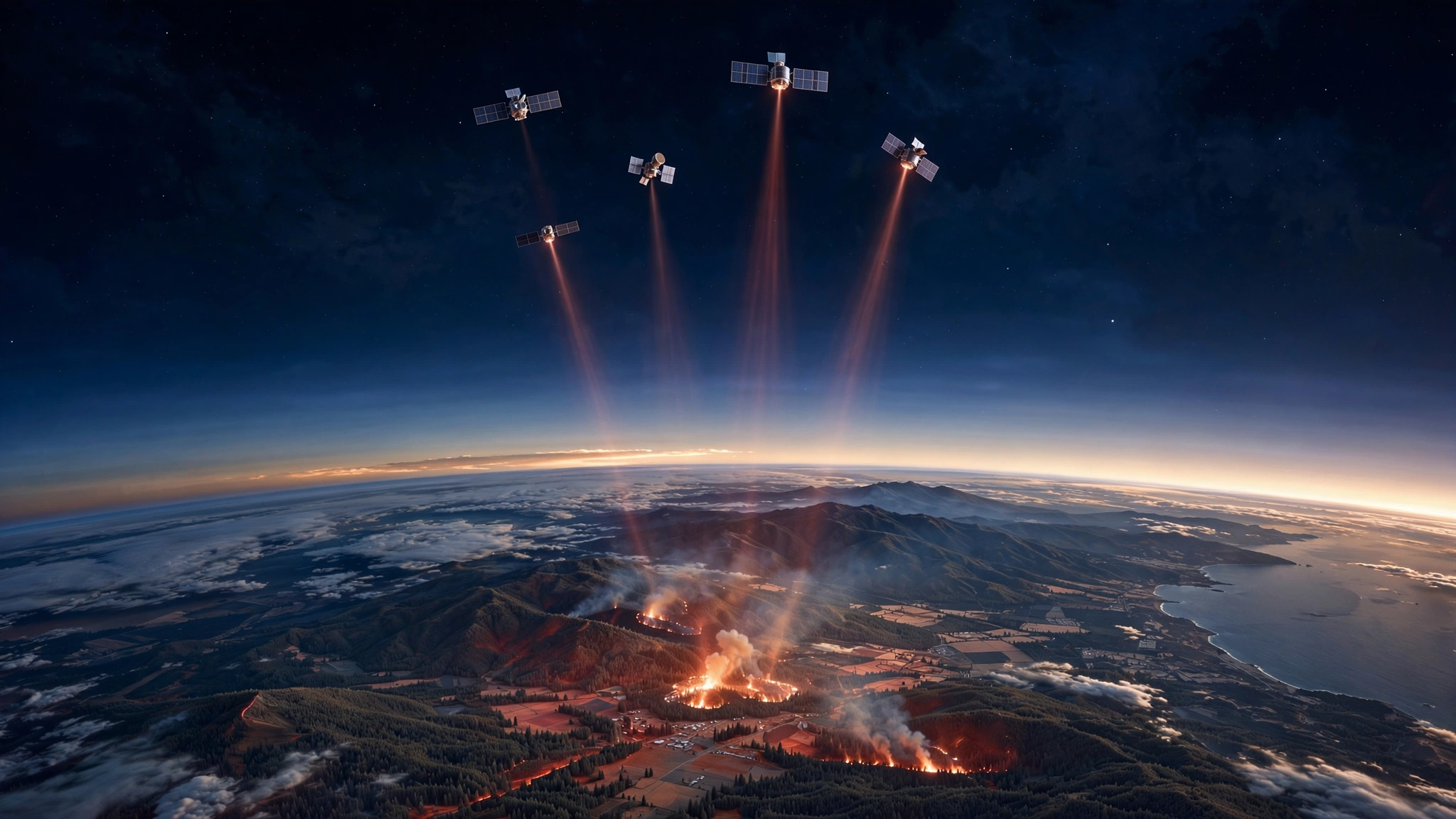
FireSat Can Spot a 25-Square-Meter Brush Fire From Orbit. GOES Needs It to Reach 4 Million.
Three new wildfire satellites launched July 7 detect fires 160,000x smaller than the system guarding the Western Hemisphere. Each minute of earlier detection saves an estimated $60,000 in suppression costs.
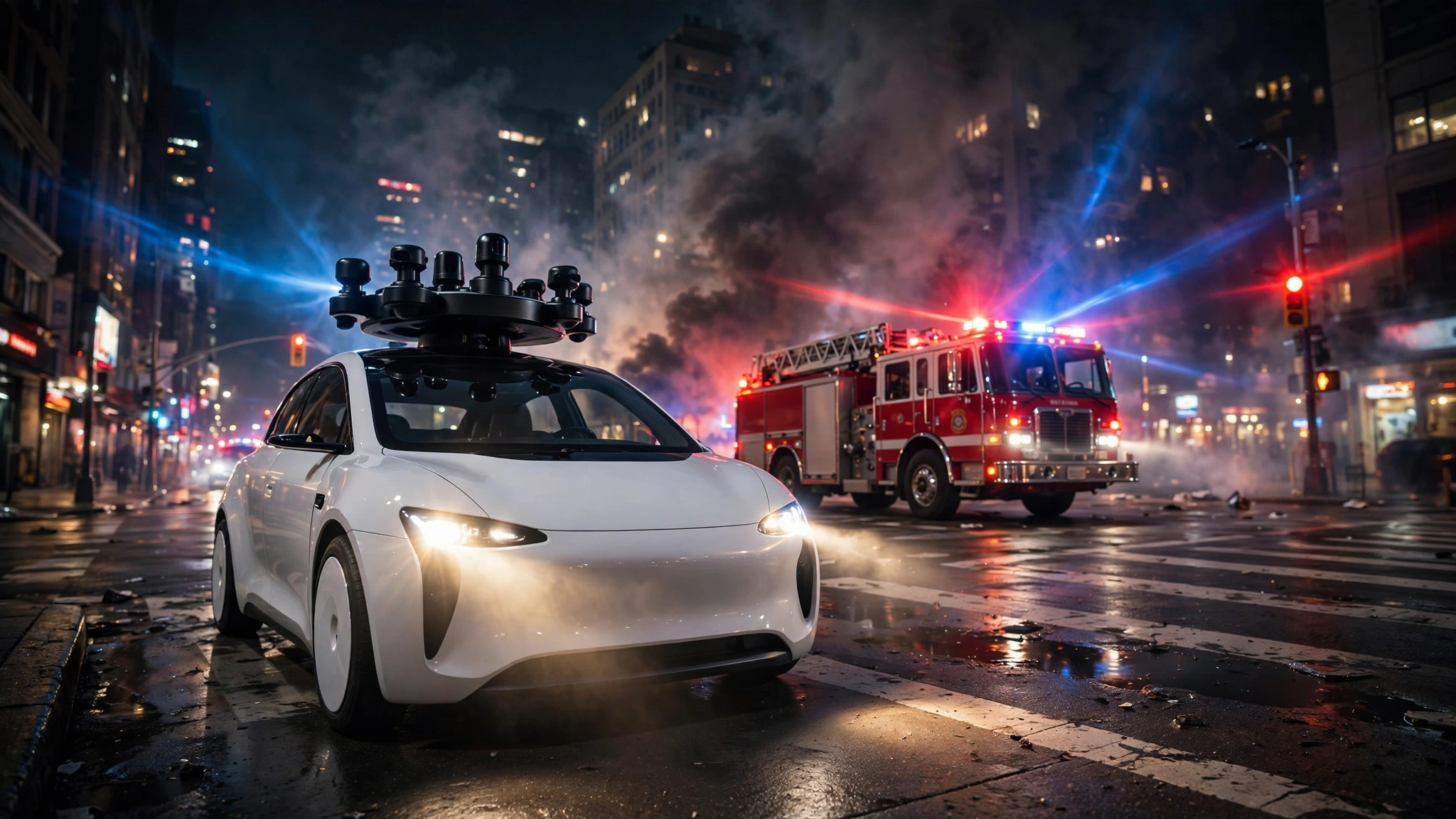
Waymo Handles 50,000 Emergency Vehicle Encounters a Week. At 62,800 Robotaxis, That Math Breaks.
NHTSA just called robotaxis a danger to the public. The real problem is worse: even 99.99% reliability means 22 botched first-responder encounters per day at Goldman Sachs' projected 2030 fleet size.
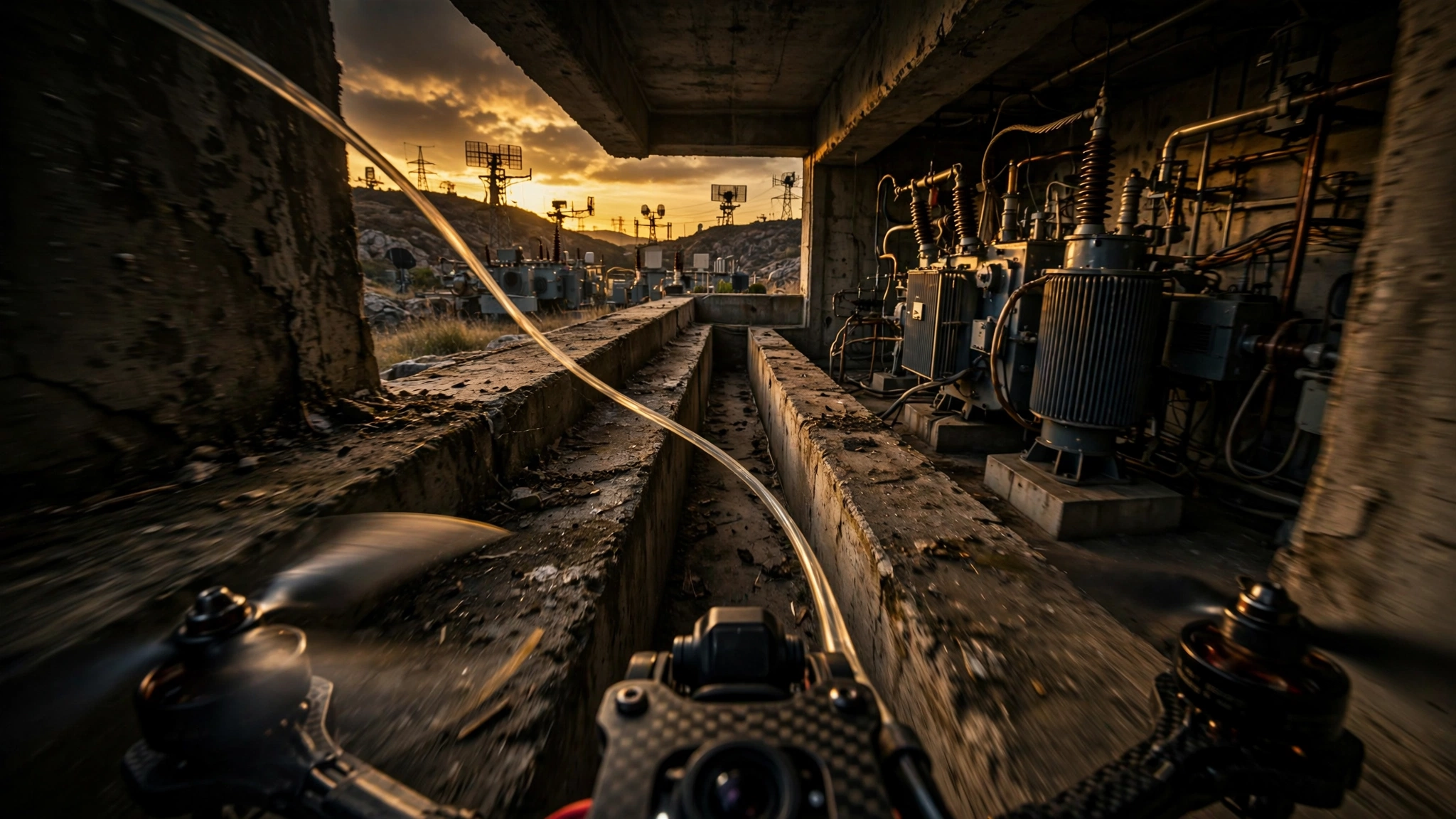
A $2,000 Drone Just Flew Through a Concrete Bunker's Air Vent and Destroyed a $3.5 Million Transformer. Electronic Warfare Couldn't Stop It.
Fiber-optic FPV drones defeat electronic warfare by design. At $2,000 per unit against $3.5M targets, the destruction ratio is 1,750:1. The Pentagon's laser response just hit $847M.
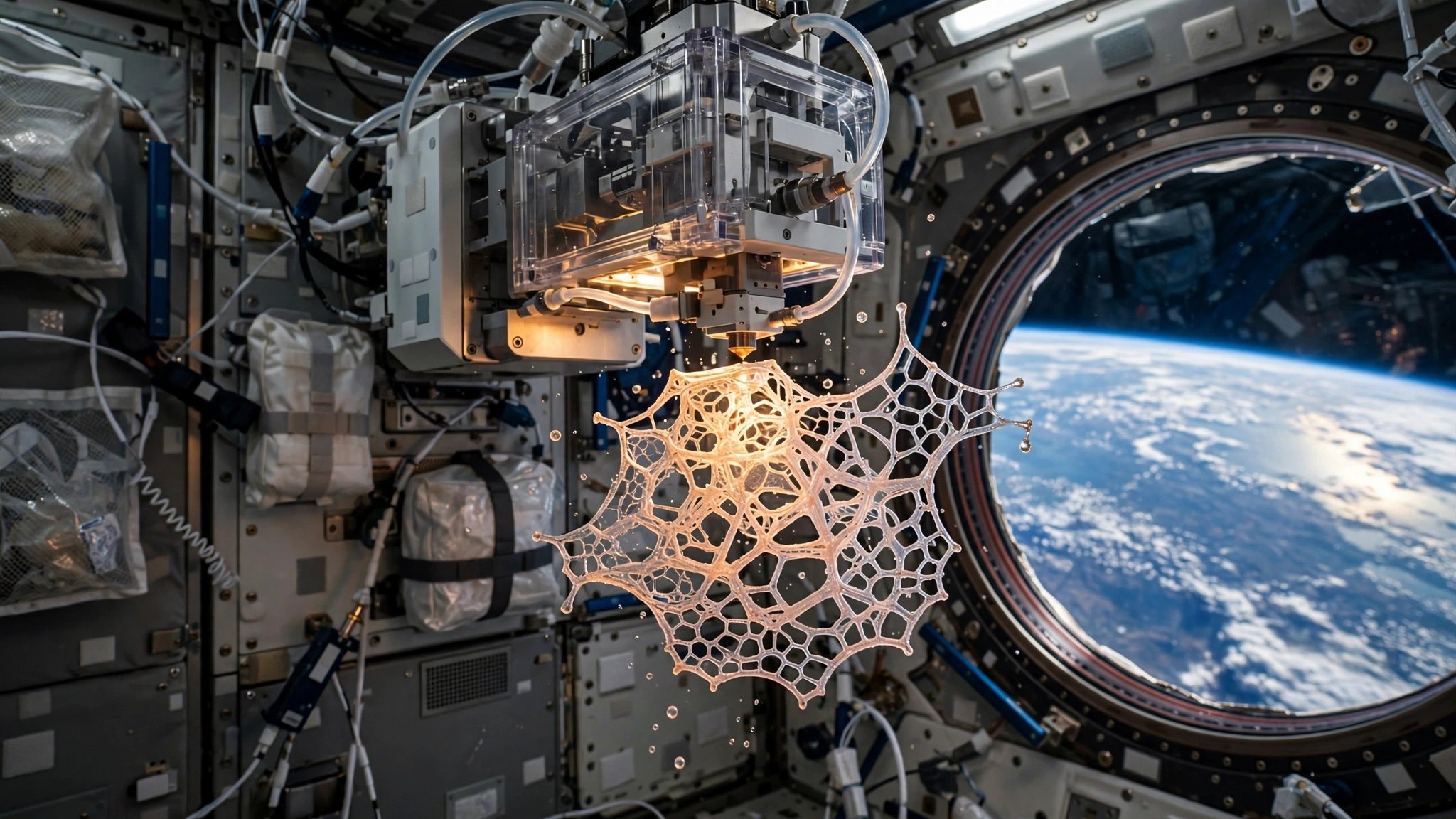
A 3D-Printed Nerve Implant Made in Space Costs $30,000. Starship Cuts That to $5,200.
Auxilium Biotechnologies just returned bioprinted liver and kidney tissues from the ISS. We ran the full cost stack: launch, astronaut time, rack fees, return. At $30,500 per implant, it already competes with earth-side alternatives.
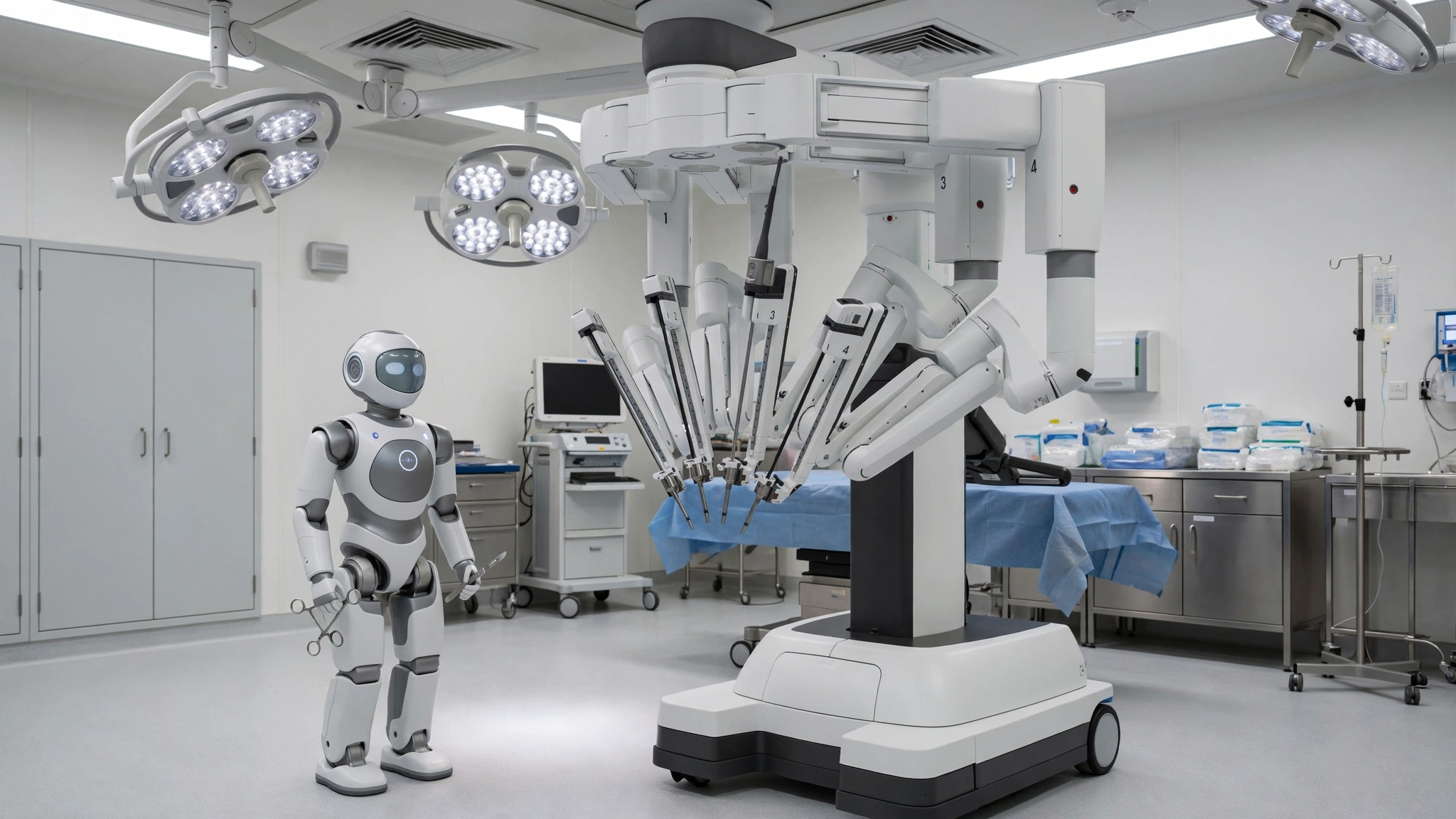
A 60-Pound Robot Just Performed Surgery. The $1.6 Million Machine It Could Replace Weighs 1,800 Pounds.
UCSD's Surgie, a modified $16,000 Unitree G1, completed two in vivo surgeries in a Nature study. The da Vinci system it parallels costs 100 times more, weighs 30 times as much, and locks hospitals into $3,500-per-procedure proprietary instruments.
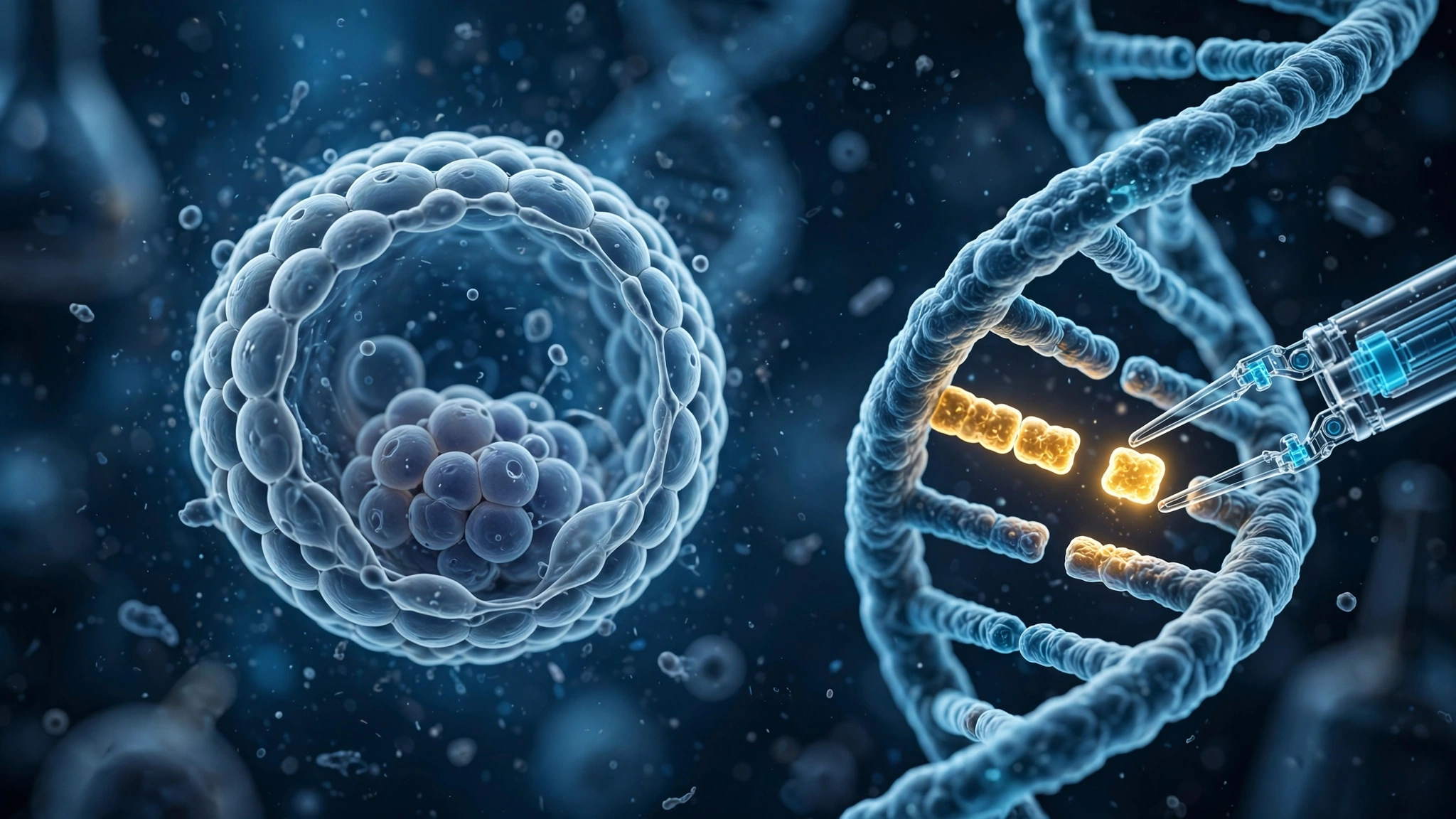
Two Labs Just Edited Human Embryos Without Breaking Their Chromosomes. The Last Team That Tried Couldn't Say That.
Base editing in human embryos eliminated the chromosomal carnage that killed CRISPR's clinical hopes, yet mosaicism persists and only 30% of embryos with dominant genetic diseases ever make it to transfer.
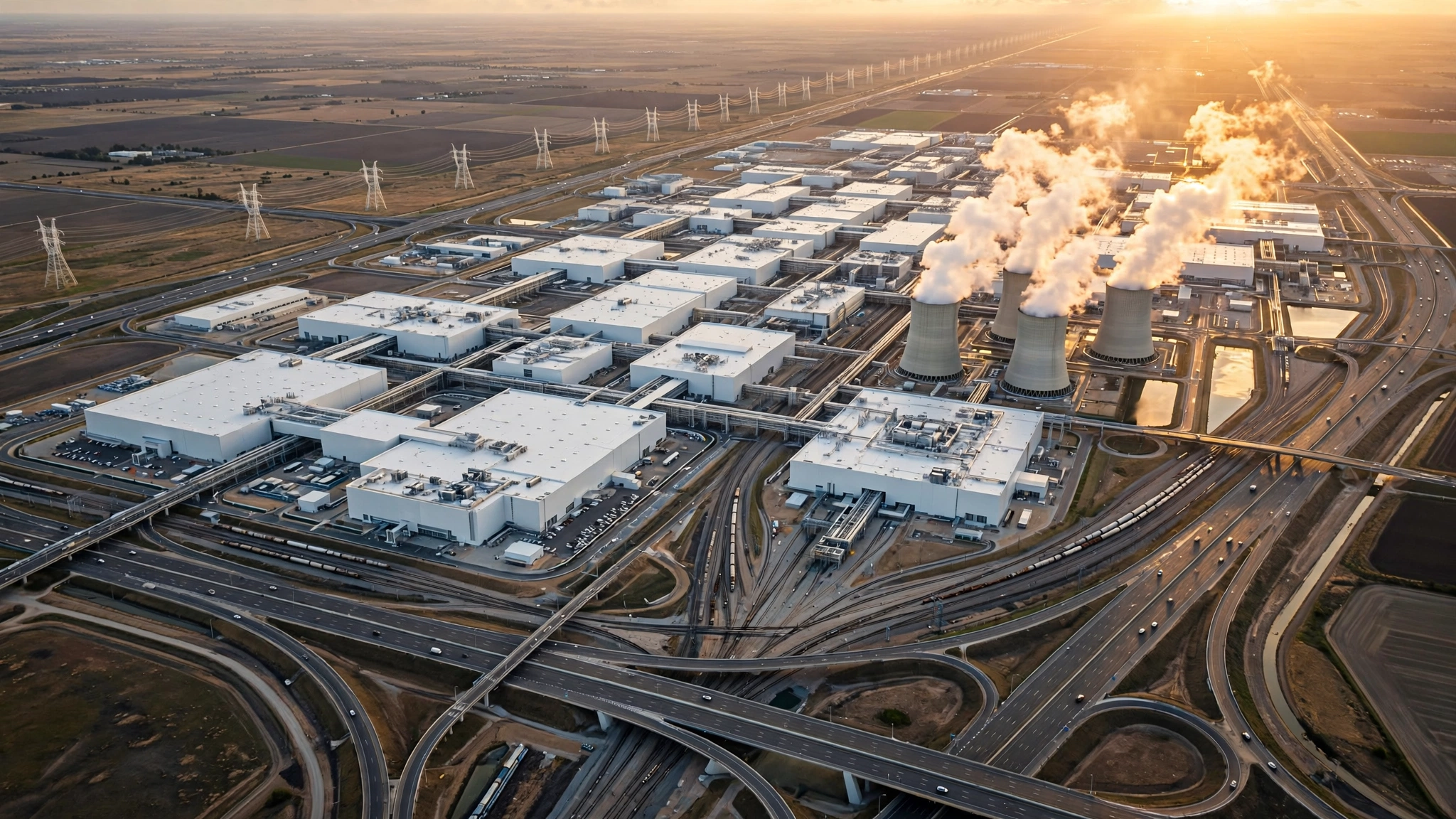
SK Hynix Just Raised $26.5 Billion on Wall Street. It Makes More Profit in One Quarter Than Meta Spends on Electricity in a Year.
SK Hynix's U.S. listing, the largest by a foreign company ever, reveals the staggering economics of memory's monopoly over AI. Three companies control the memory supply chain, and they are extracting 35-40% of every AI infrastructure dollar spent.
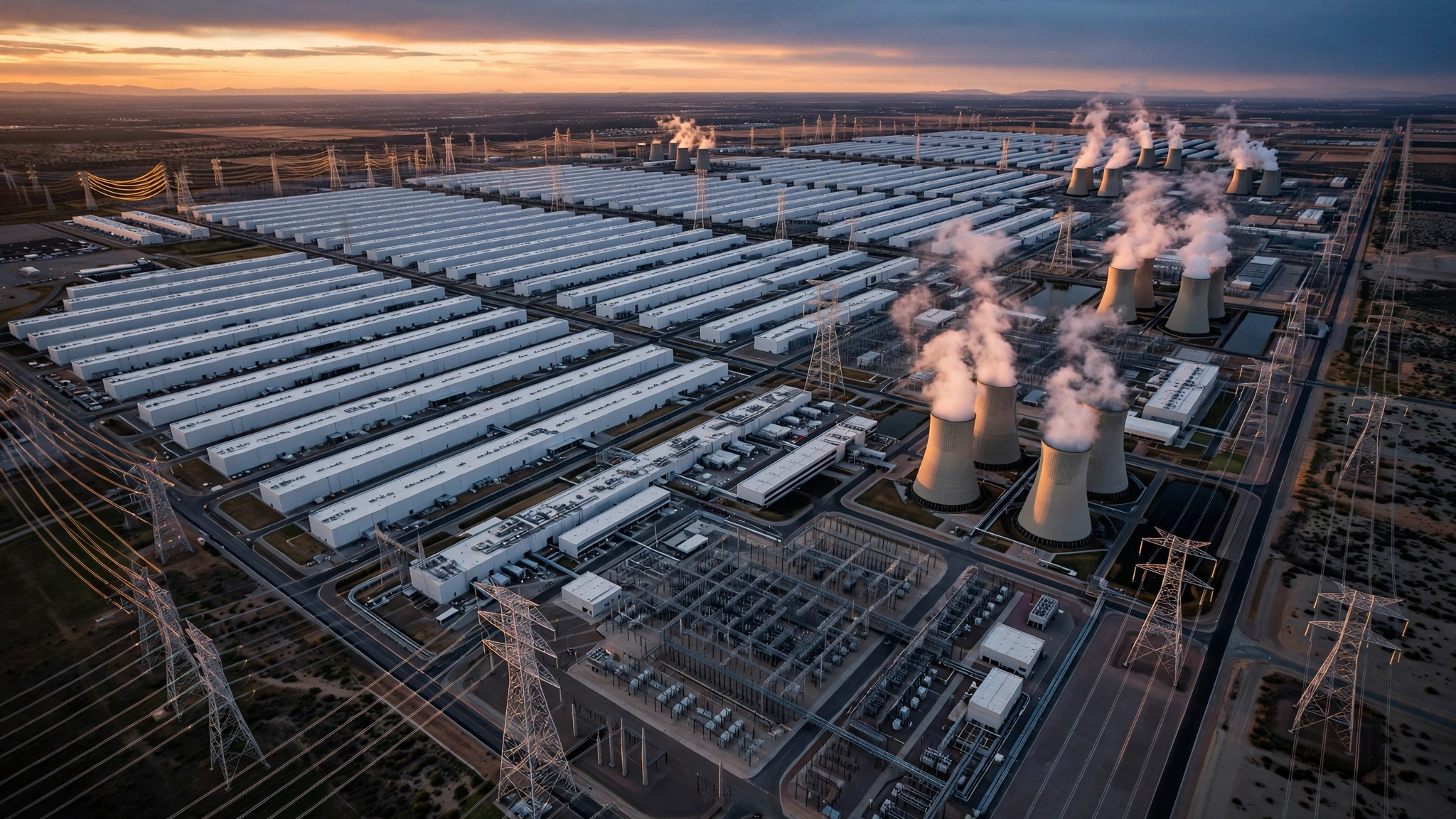
Meta Will Burn More Electricity Than Romania by 2027. An Internal Memo Explains Why It Has No Choice.
A leaked Meta memo reveals the company plans to deploy 14 gigawatts of computing in 2027 — consuming roughly 147 terawatt-hours annually, nearly three times Romania's entire national electricity consumption. The electricity bill alone will exceed $10 billion per year.
More articles load as you scroll.