From the archive
Page 15 of 38 · 905 stories
From the archive
337–360 of 905 articles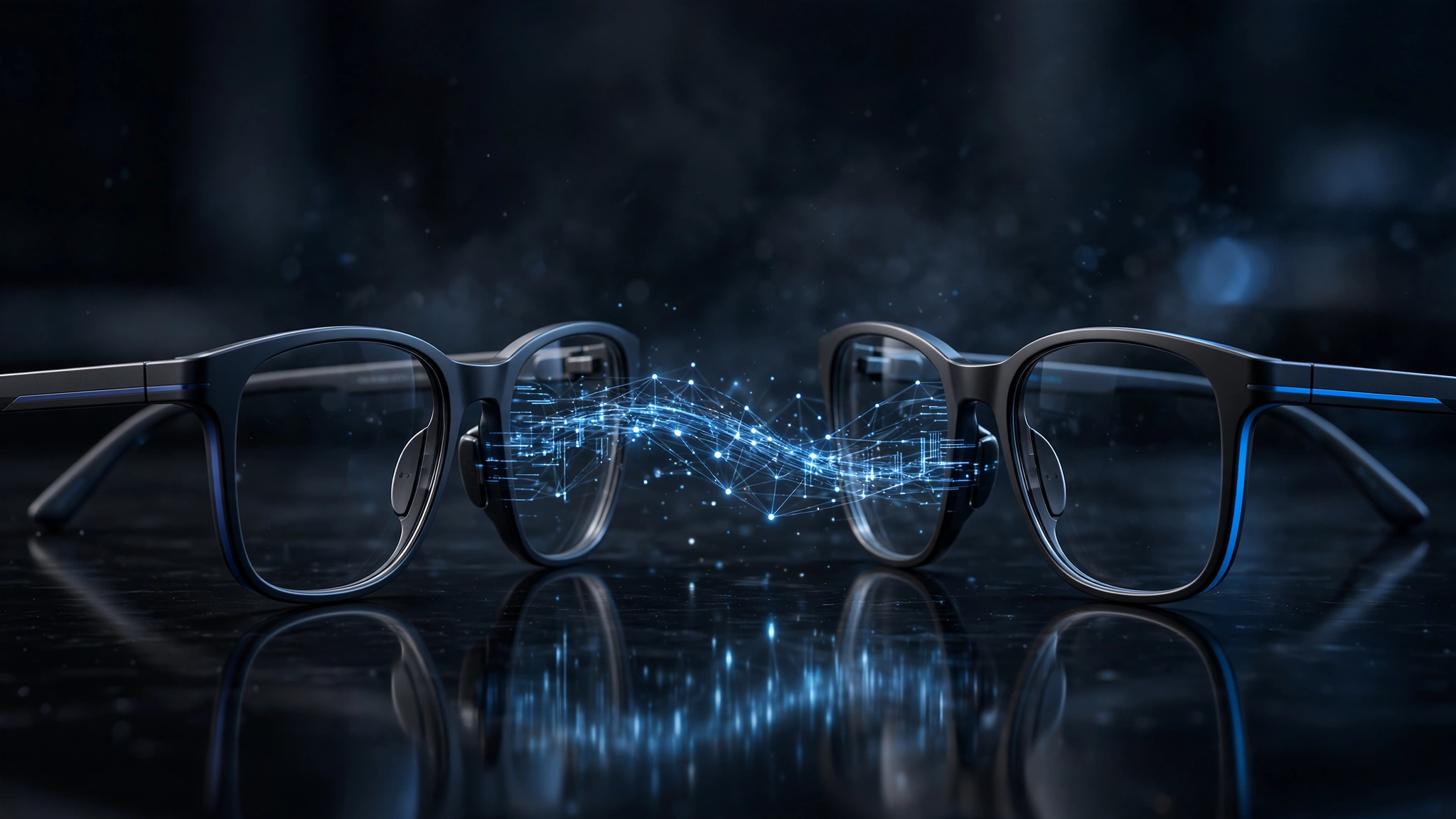
Samsung's Galaxy Glasses Have a 1 mAh Problem: They're a $379 Clone of Meta's Ray-Bans, and the AI Subsidy Math Says That's Fatal
Samsung and Meta built the same pair of glasses with the same chip, same camera, same battery within 1 mAh. The only difference is which AI model whispers in your ear, and Meta's inference costs 58% less per user per month.
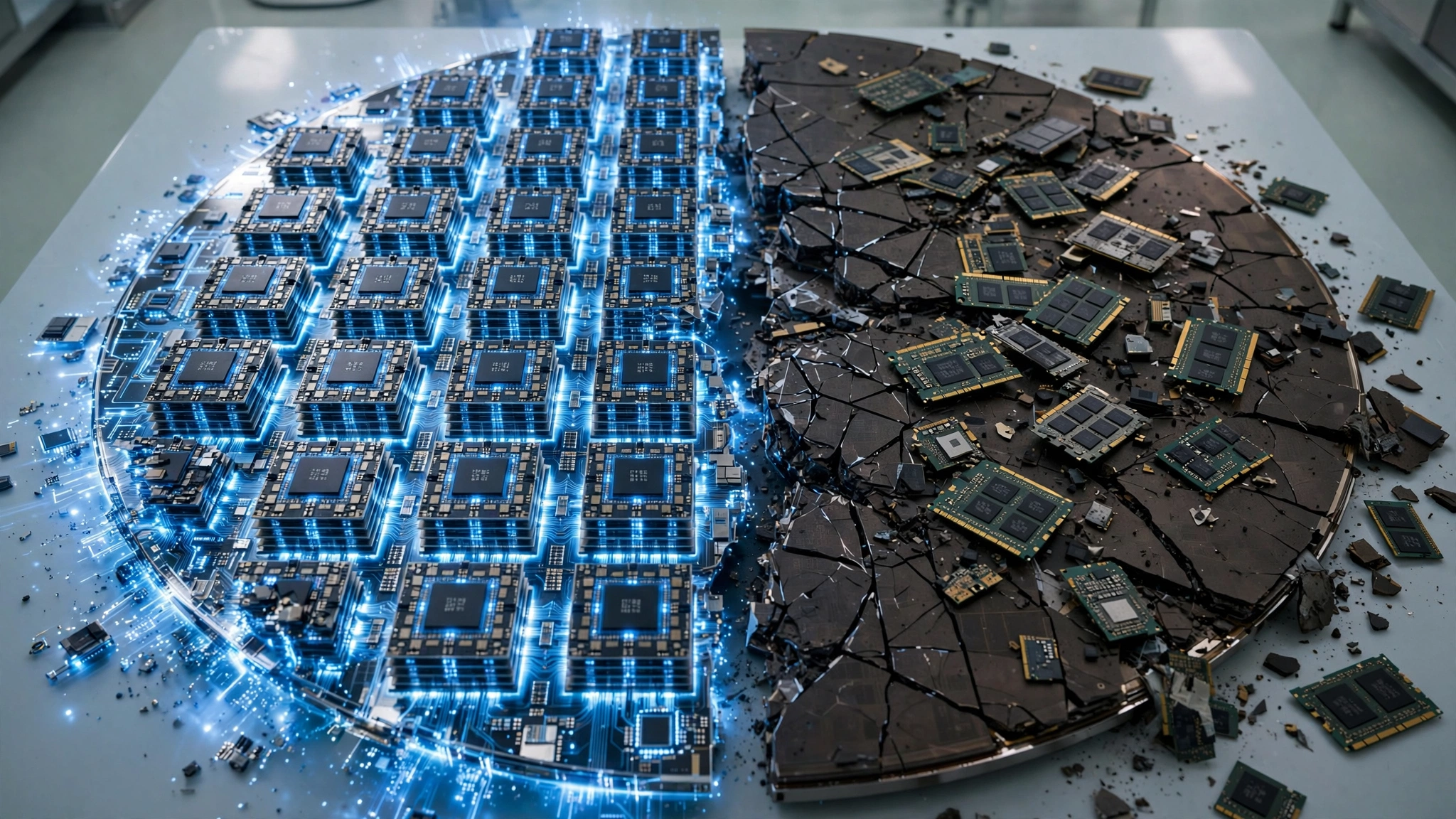
Your MacBook Just Got a $100 AI Tax. The Math Behind "Chipflation" Shows It's Not Going Away Until 2028.
Every gigabyte of AI memory destroys capacity for three gigabytes of laptop memory. Morgan Stanley calls it chipflation. Apple's price hikes are just the beginning.
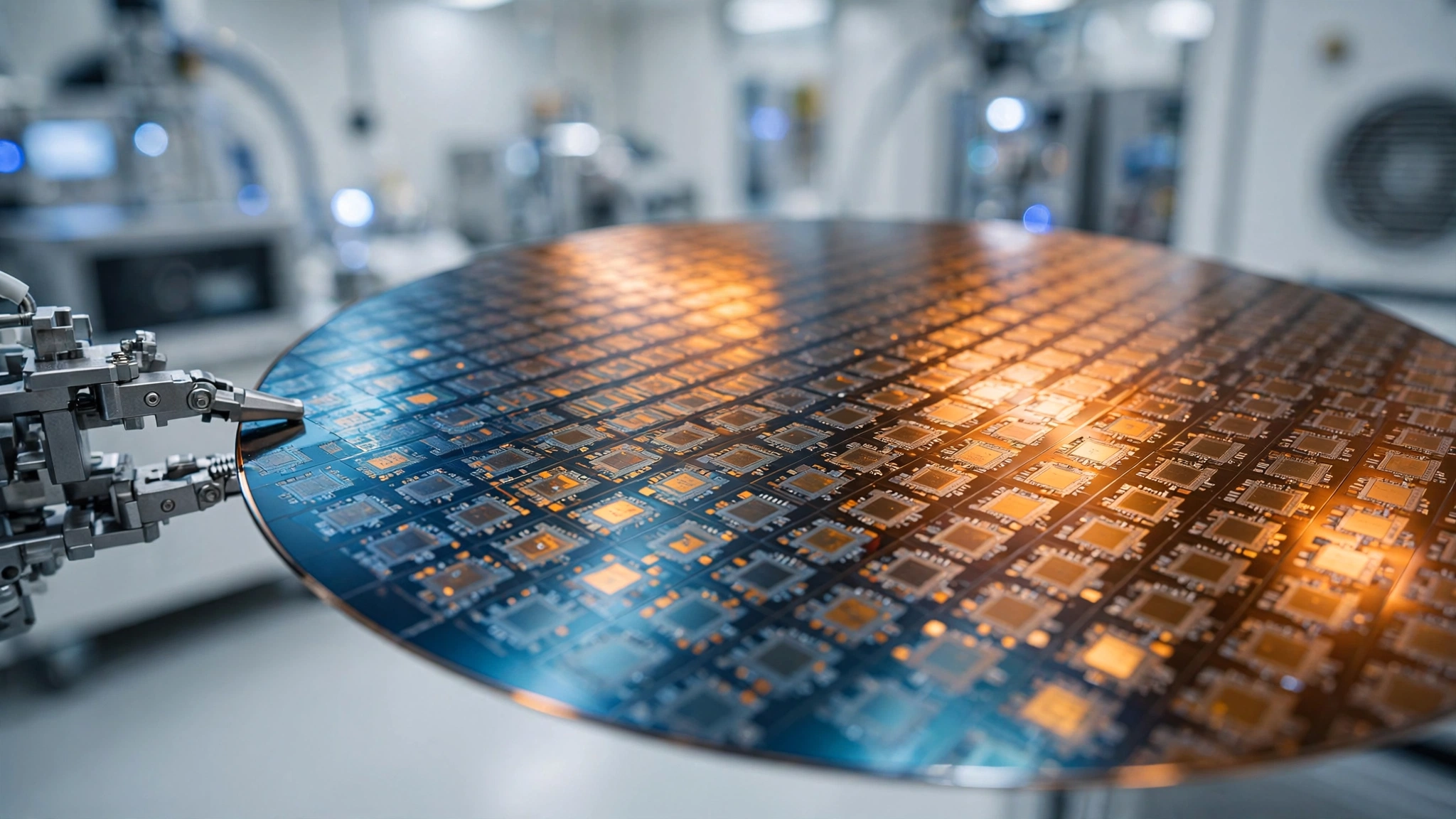
DeepSeek Is Building Its Own Inference Chip. So Is Every Other AI Lab. The $120 Billion Reason Is Simple Math.
DeepSeek's inference chip targets the fastest-growing segment of AI compute. Cross-referencing chip development costs, SMIC yield data, and inference pricing across six AI labs reveals a structural shift: inference is where AI companies become chip companies, and Nvidia's $120 billion inference GPU market is the prize.
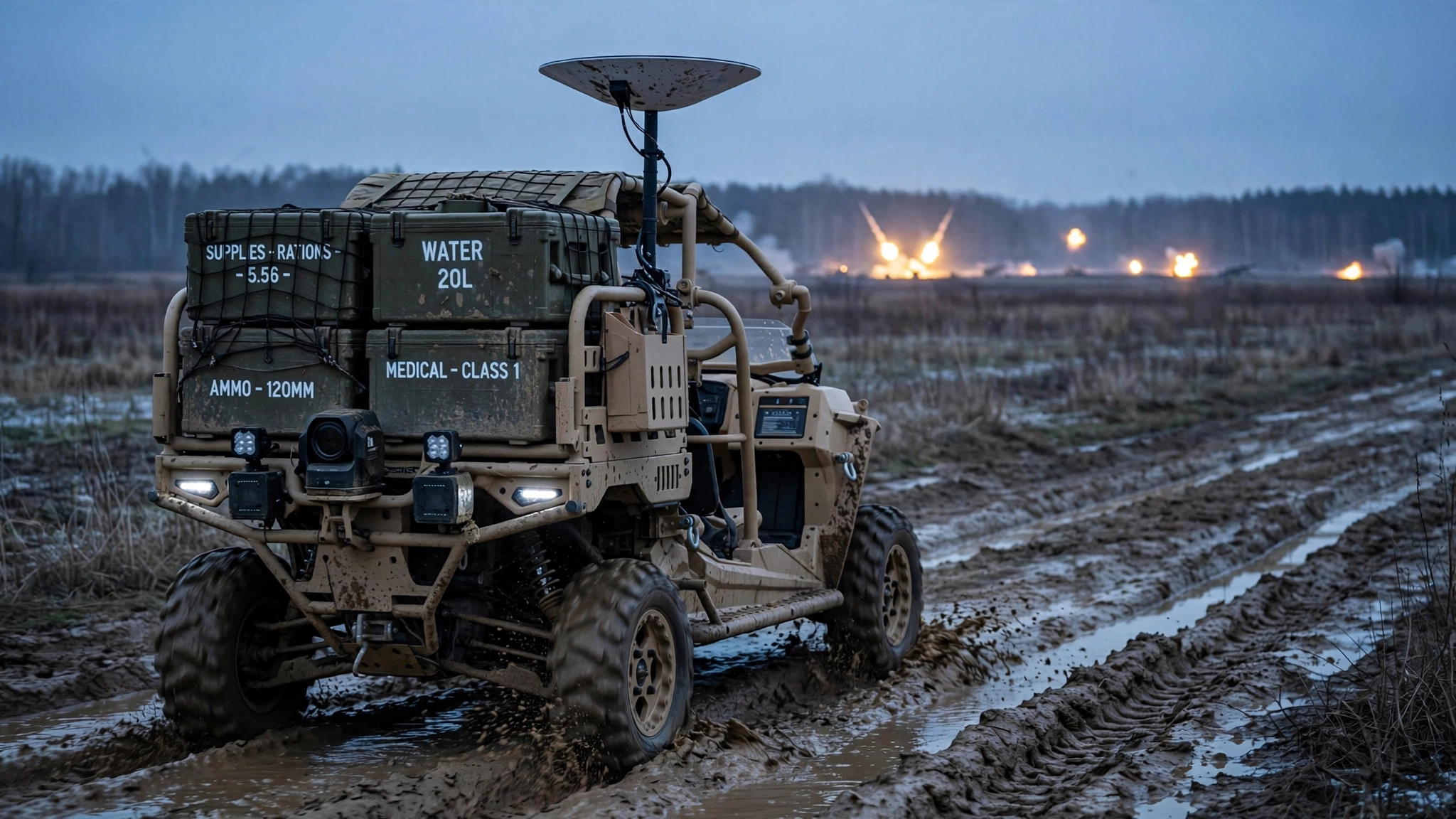
Forterra Sent 105 'Autonomous' Vehicles Into Ukrainian Combat. After 1,100 Missions, Soldiers Still Remote-Control Them.
At $17 per pound delivered, Forterra's Lancer ATVs cost 90% less than helicopter resupply in contested zones. But 105 American vehicles face a brutal context check: Ukraine contracted 25,000 of its own ground robots in H1 2026 and ran 9,000 missions in March alone. Cross-referencing Forterra's deployment data against Ukraine's domestic UGV program reveals the real economics of autonomous military logistics.
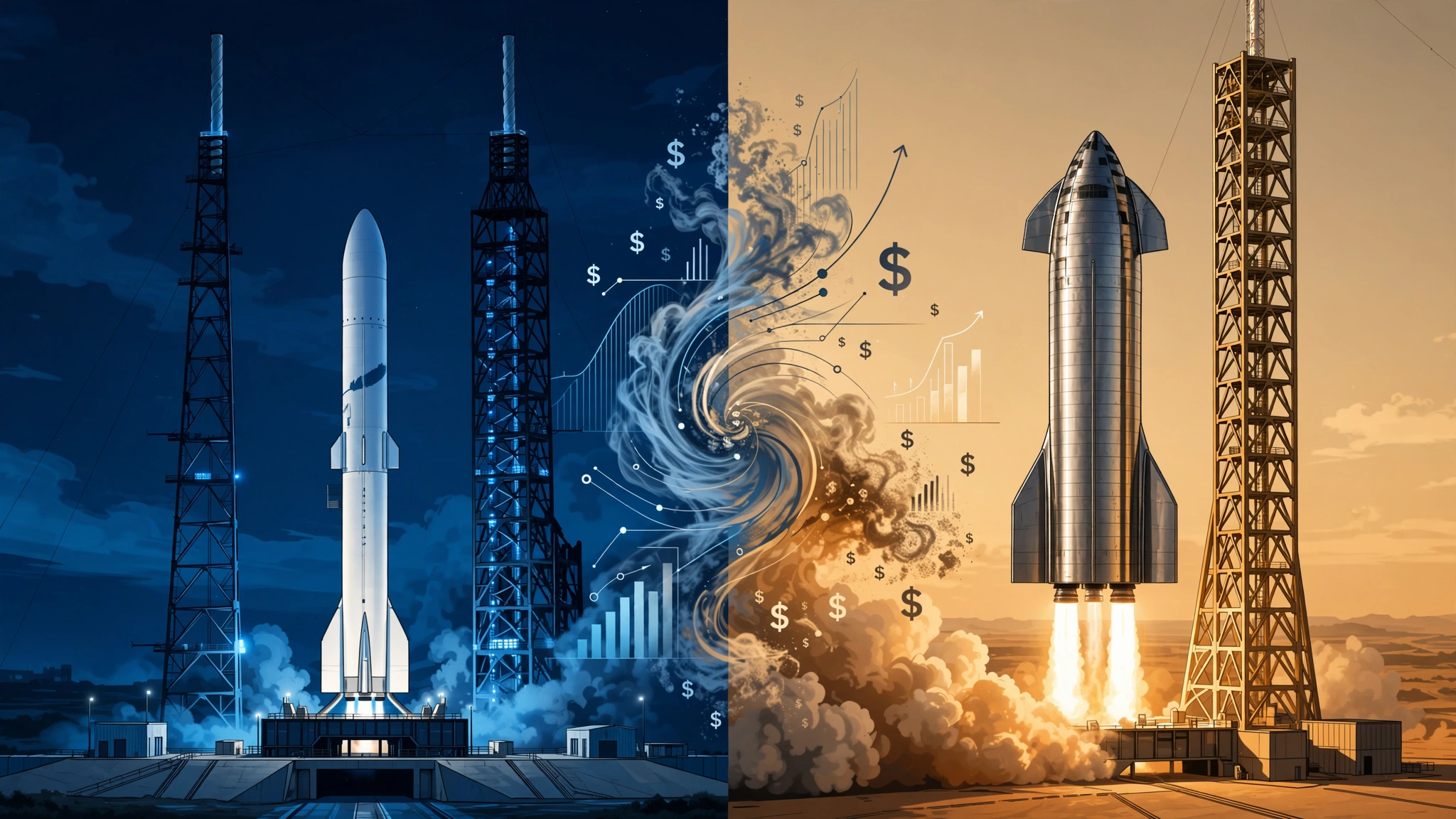
Blue Origin Has Spent $28 Billion to Launch 3 Rockets. Investors Just Valued It at $130 Billion. SpaceX Spent Less and Built an Empire.
Jeff Bezos invested $9.3 billion per successful orbital launch. SpaceX invested $20 million per launch. Yet investors just valued Blue Origin at $130 billion, yet just 7.4% of SpaceX on 1.8% of the launches. By cross-referencing investment efficiency, contract values, and revenue multiples, we calculate what Blue Origin actually needs to achieve to justify the number.

One CRISPR Infusion Cut Attacks 87% in a Phase 3 Trial. Current Treatment Costs $350,000 a Year for Life.
The first Phase 3 double-blind trial of in vivo CRISPR gene editing just reported an 87% reduction in hereditary angioedema attacks from a single dose. By cross-referencing real-world treatment cost data with gene therapy pricing precedents, we calculate the break-even one-time price is $9.94 million per patient, four times what any gene therapy has ever charged.
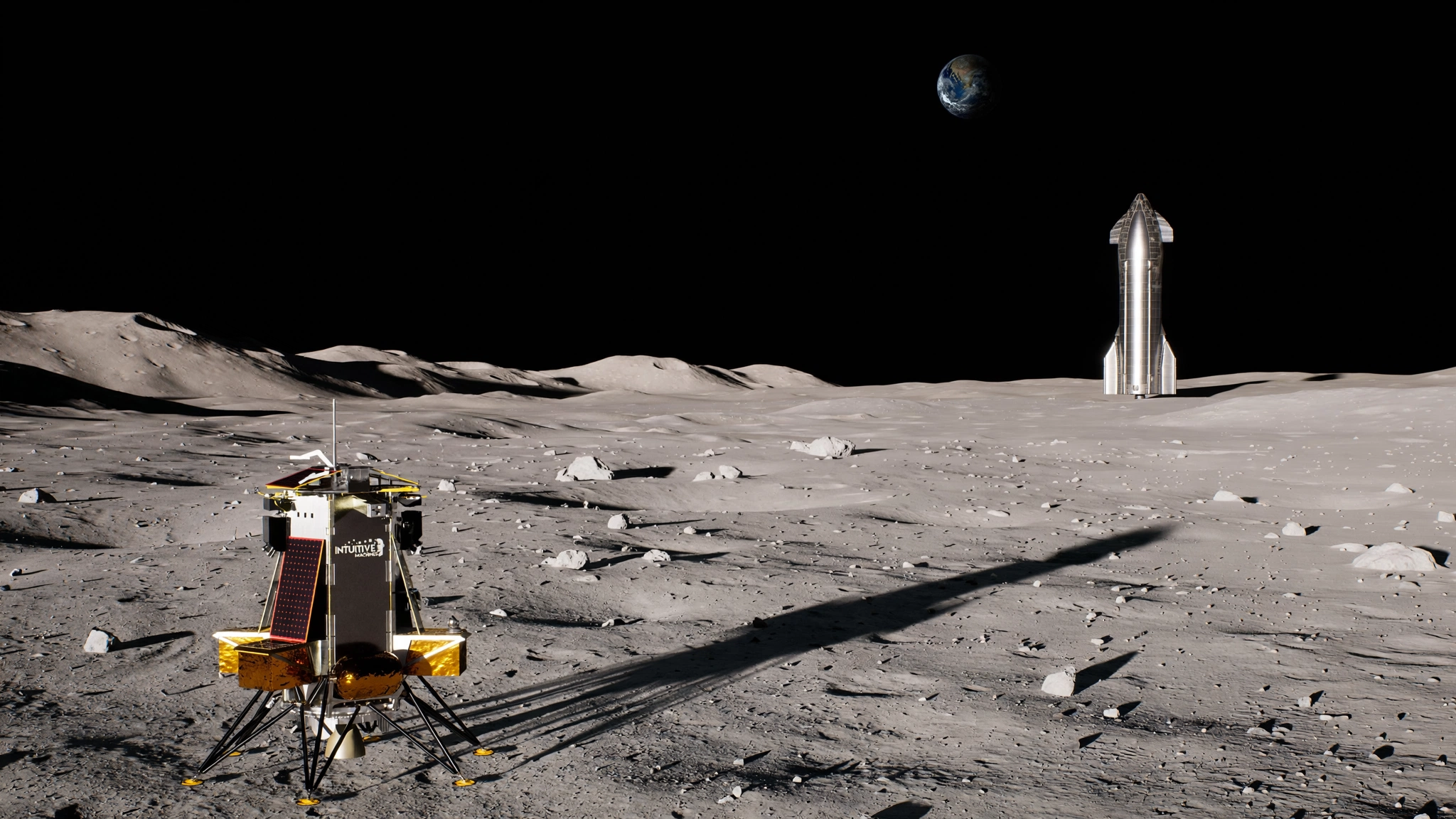
It Costs $1.2 Million to Land One Kilogram on the Moon. Starship Could Do It for $900.
A CLPS contract audit shows lunar delivery costs tripled since 2019. Starship promises 1,333x cheaper. ispace just bought 500 kg to test lunar freight brokerage.
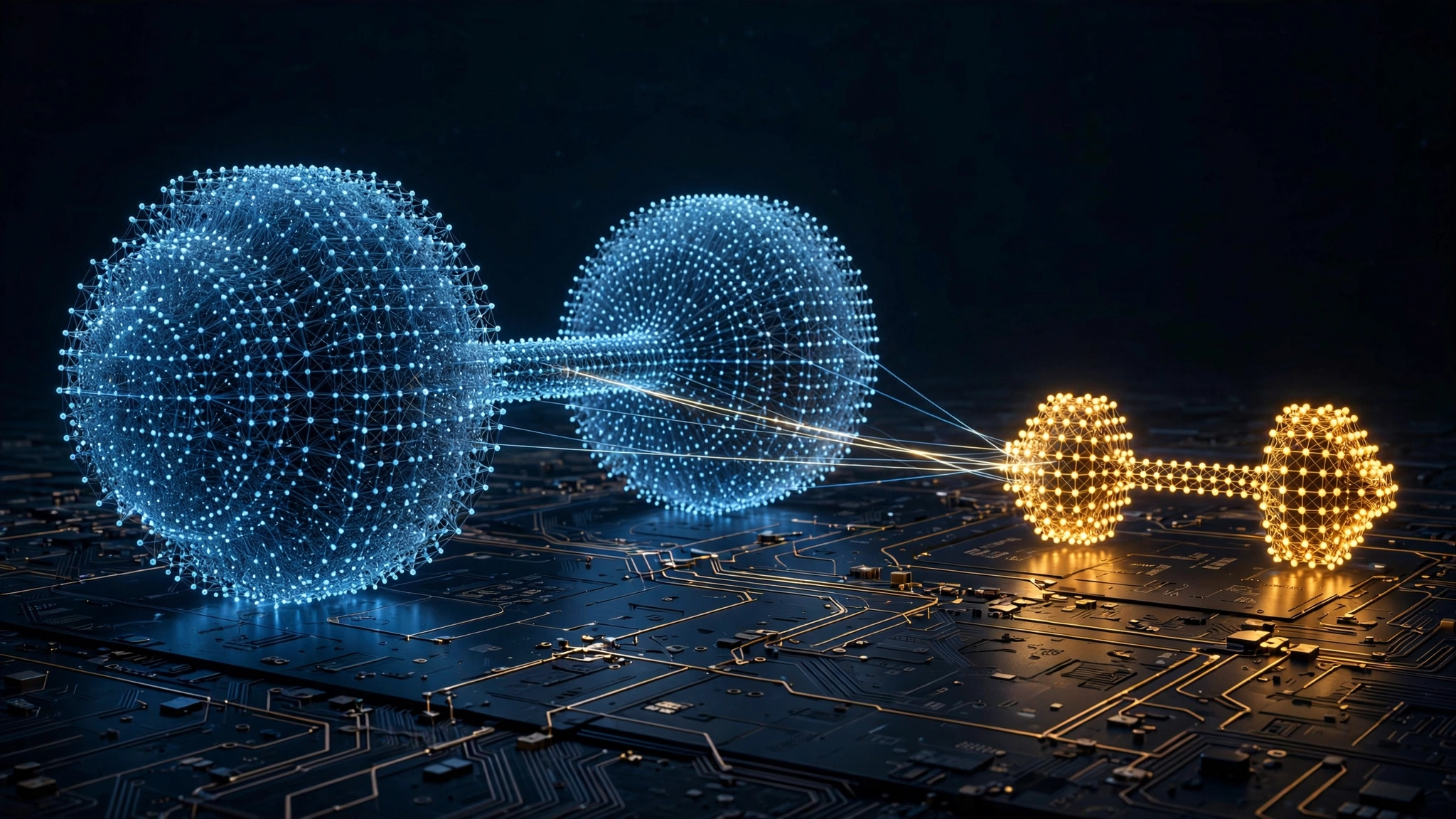
Today’s Best Quantum Error Code Uses 1,500 Qubits to Protect One. A Finnish Lab Says It Needs 30.
IQM's barbell codes claim constant qubit overhead regardless of distance, collapsing the RSA-2048 estimate from 20M qubits to under 600K and potentially moving the encryption-breaking timeline up a decade.
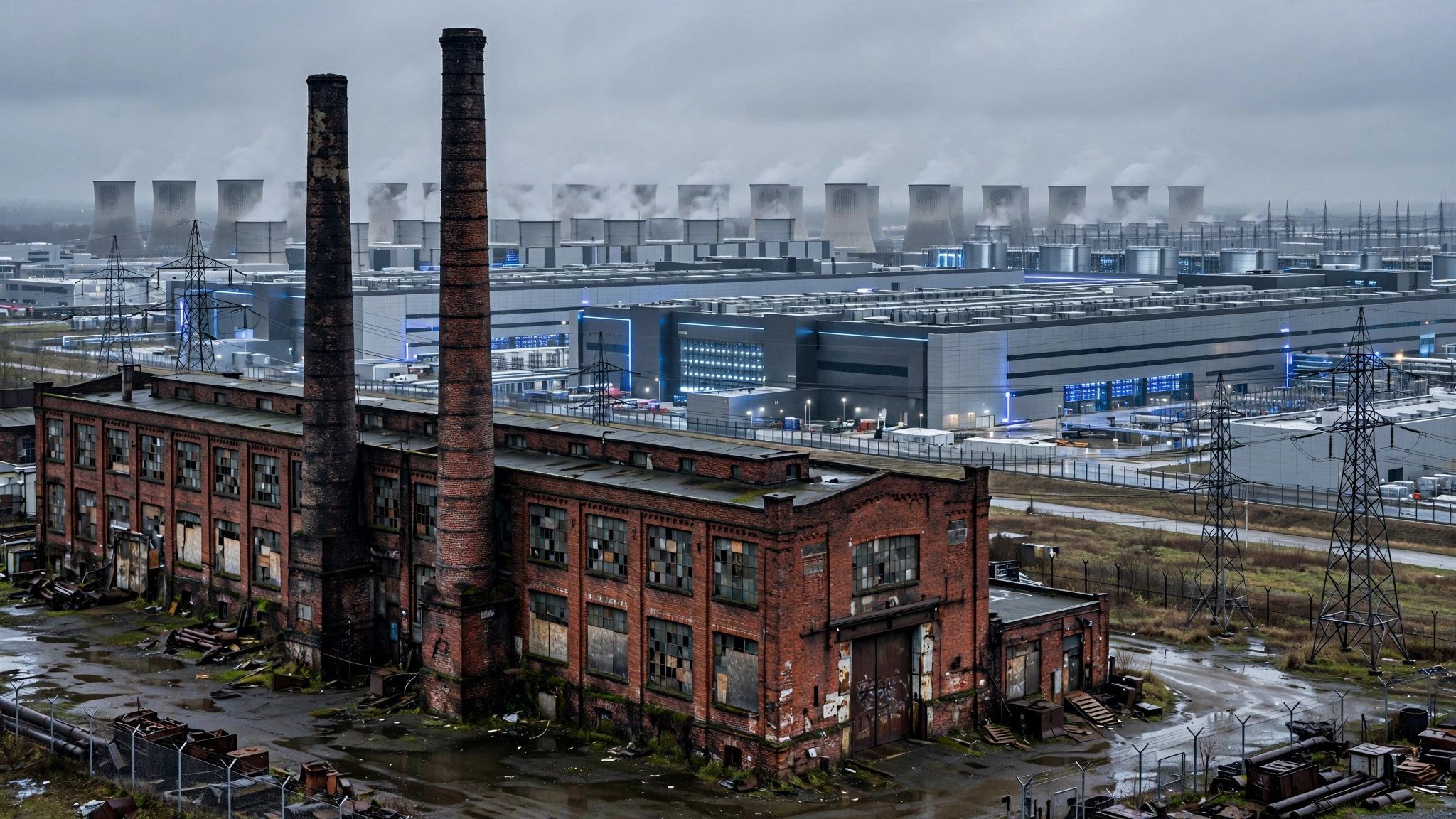
A 141-Year-Old Brick Factory’s Power Bill Rose 90%. Data Centers Drove PJM Capacity Prices Up 1,038%.
PJM capacity prices jumped 1,038%. Commercial demand will surpass residential for the first time ever. The revenue-per-megawatt gap between data centers and factories is 26:1. The grid is picking winners.
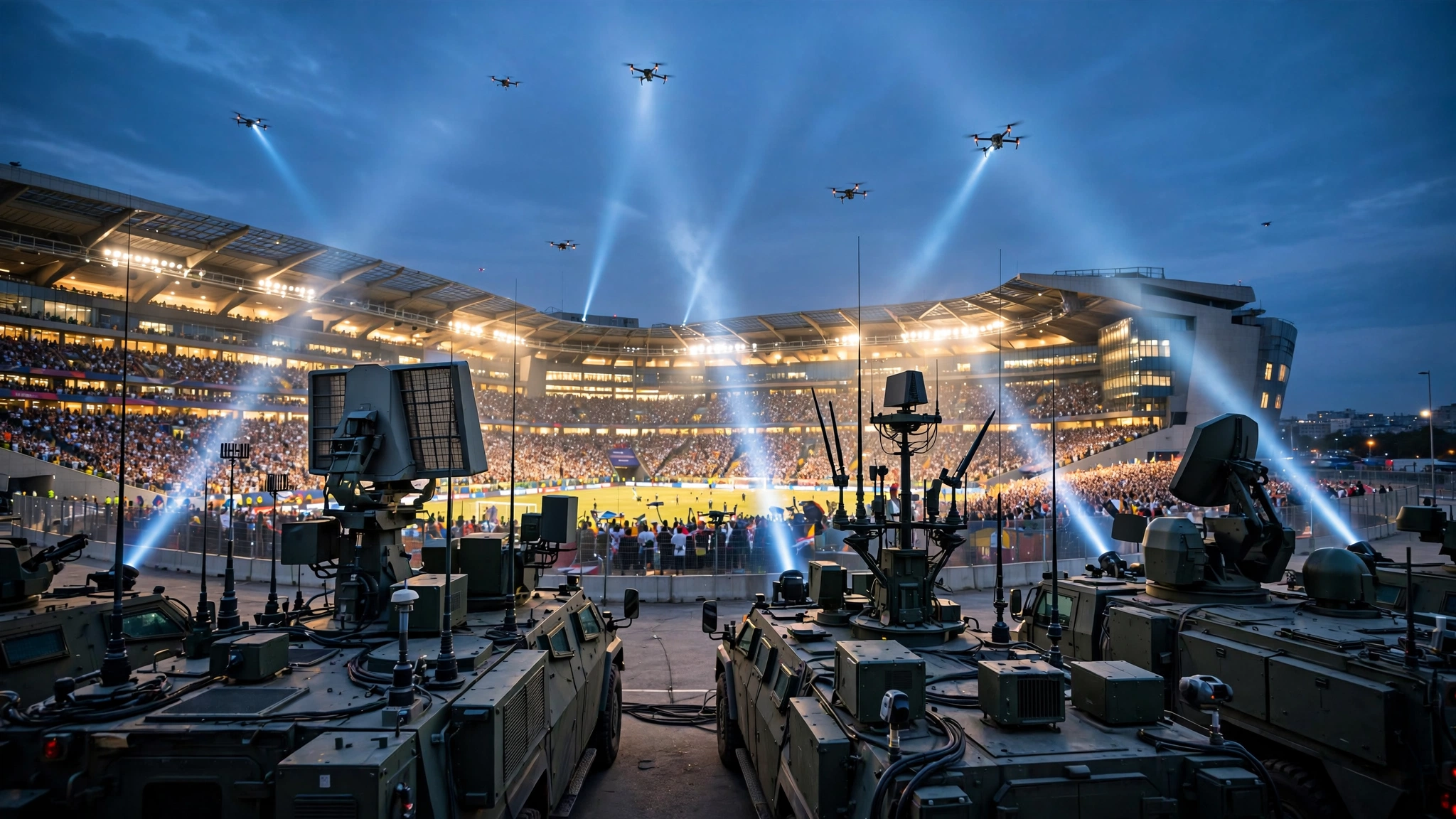
The U.S. Spent $515 Million on Counter-Drone Tech for the World Cup. It Seized 600 DJI Minis.
$515M deployed, 600 consumer drones seized, 2,870:1 cost asymmetry. The math looks absurd until you model expected casualties. The FAA waivers that made it possible are the real story.
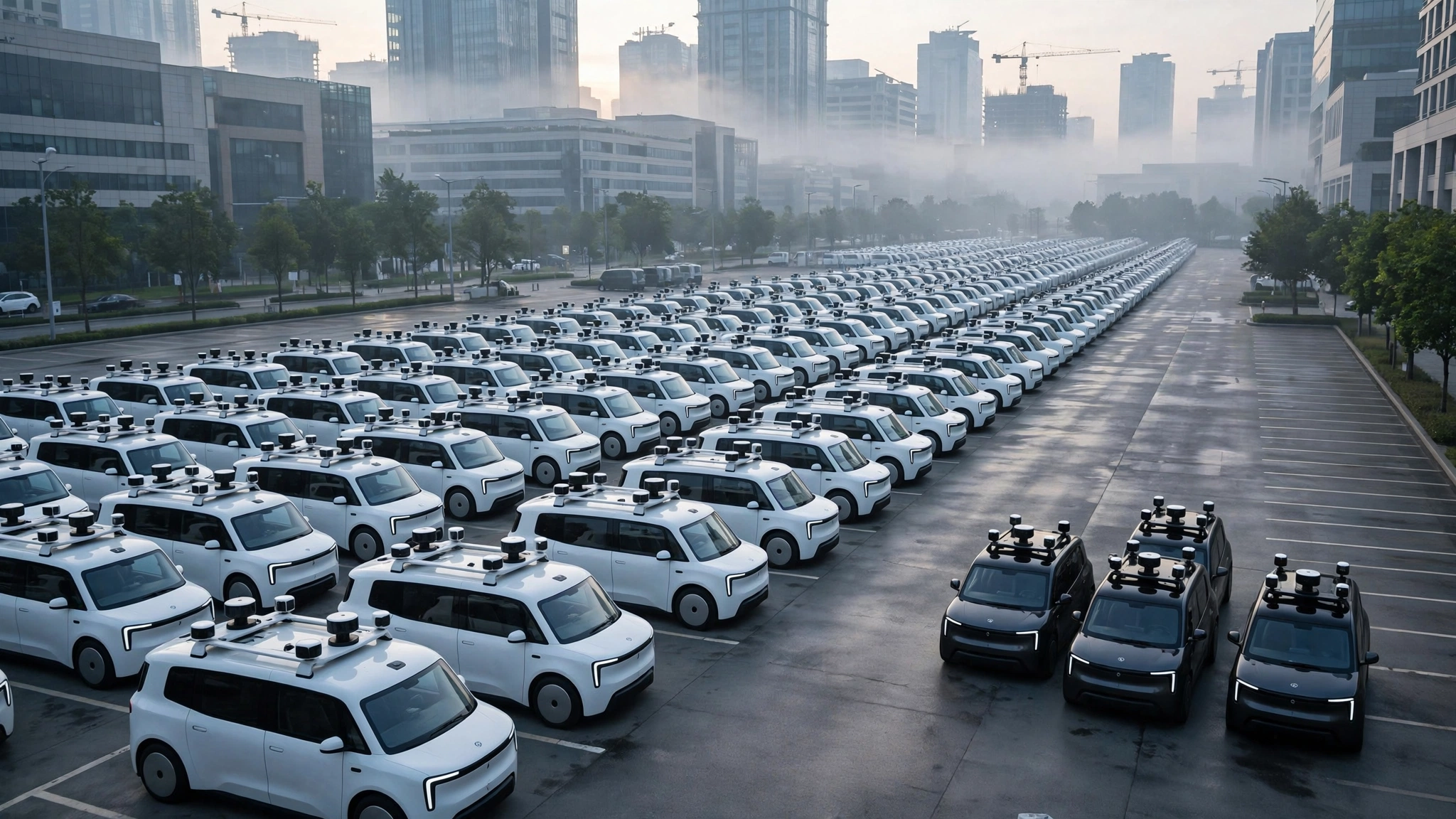
Tesla Has 30 Robotaxis. Waymo Has 3,000. The Stock Market Values Tesla's at 3x More.
Despite charging 40% less per ride, Tesla's camera-only approach matches Waymo's per-vehicle margins because the vehicle costs $45K instead of $175K. But both need 100,000+ vehicles to justify investor expectations.
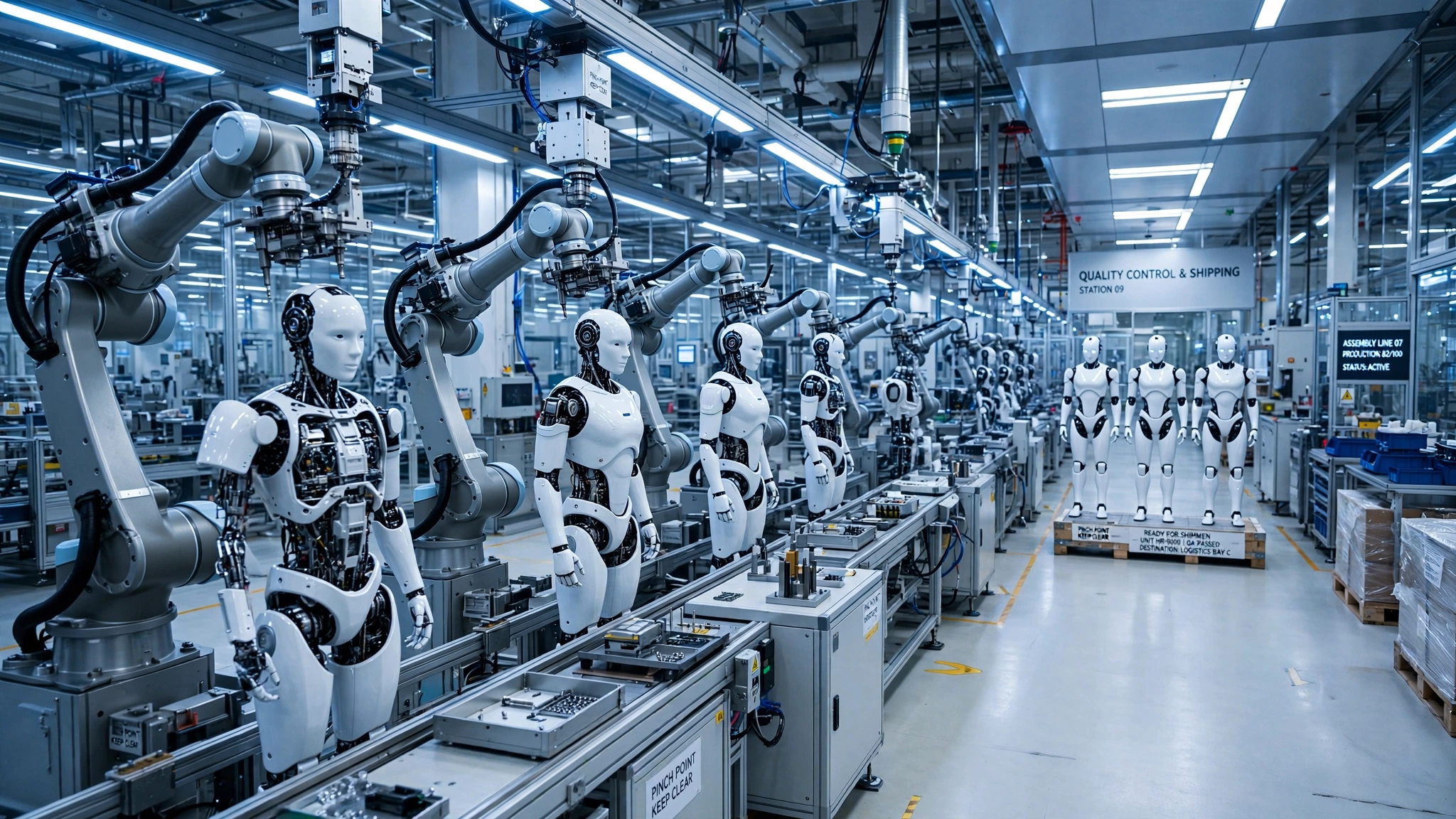
The World Built 16,000 Humanoid Robots Last Year. Replacing the Warehouse Workforce Would Take 38 Years at Full Production.
Humanoid robots are 7-10x cheaper per hour than warehouse workers. But the world's factories can only build 100,000 a year. An original production-rate analysis shows when the math flips.
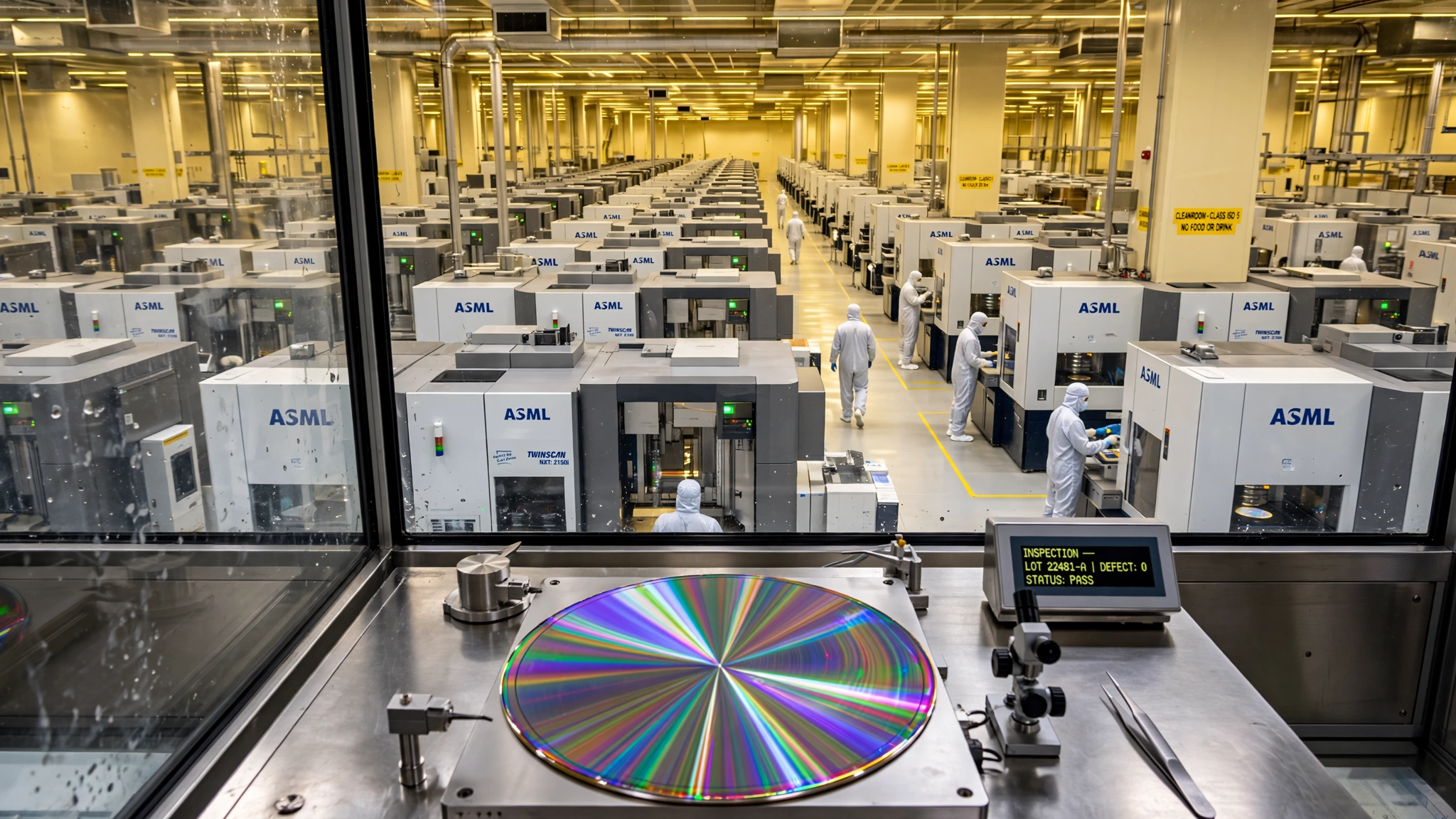
Nvidia's 75% Gross Margin Created 8 Custom Chip Programs. At OpenAI's Scale, the Breakeven Is 24 Days.
Eight AI giants are designing custom silicon to escape the Nvidia tax. An original breakeven analysis shows OpenAI recoups $500M in chip design costs in 24 days, but training remains Nvidia's fortress. Only Google has breached it.
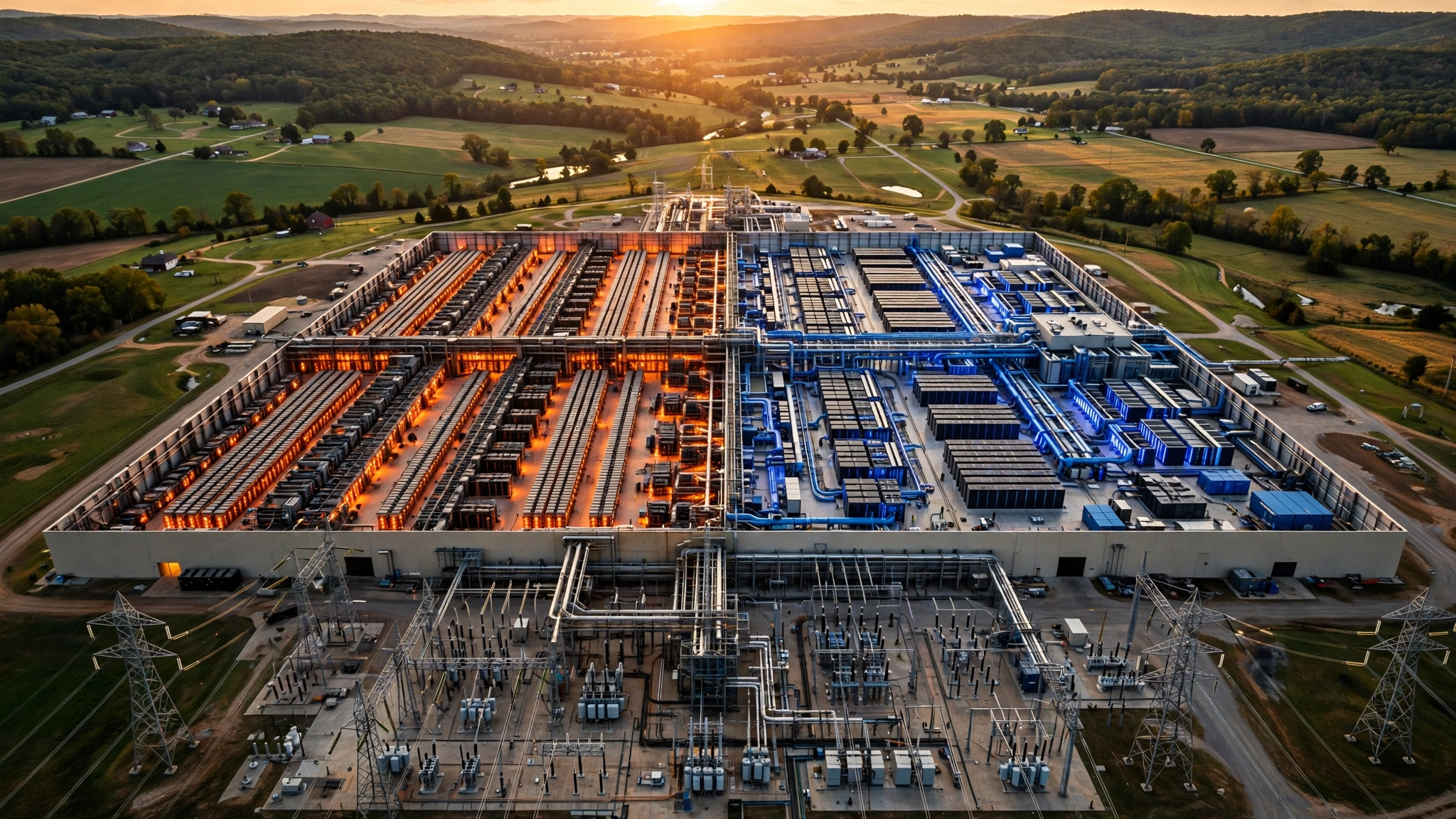
Bitcoin Miners Own 8.8 GW of US Power Infrastructure. AI Companies Will Pay 3x More for It.
TeraWulf's $19B Anthropic deal reveals AI hosting generates $2.37M/MW/yr vs $797K for mining. An original per-MW revenue decomposition shows why mining infrastructure is the fastest path to closing America's AI power gap.
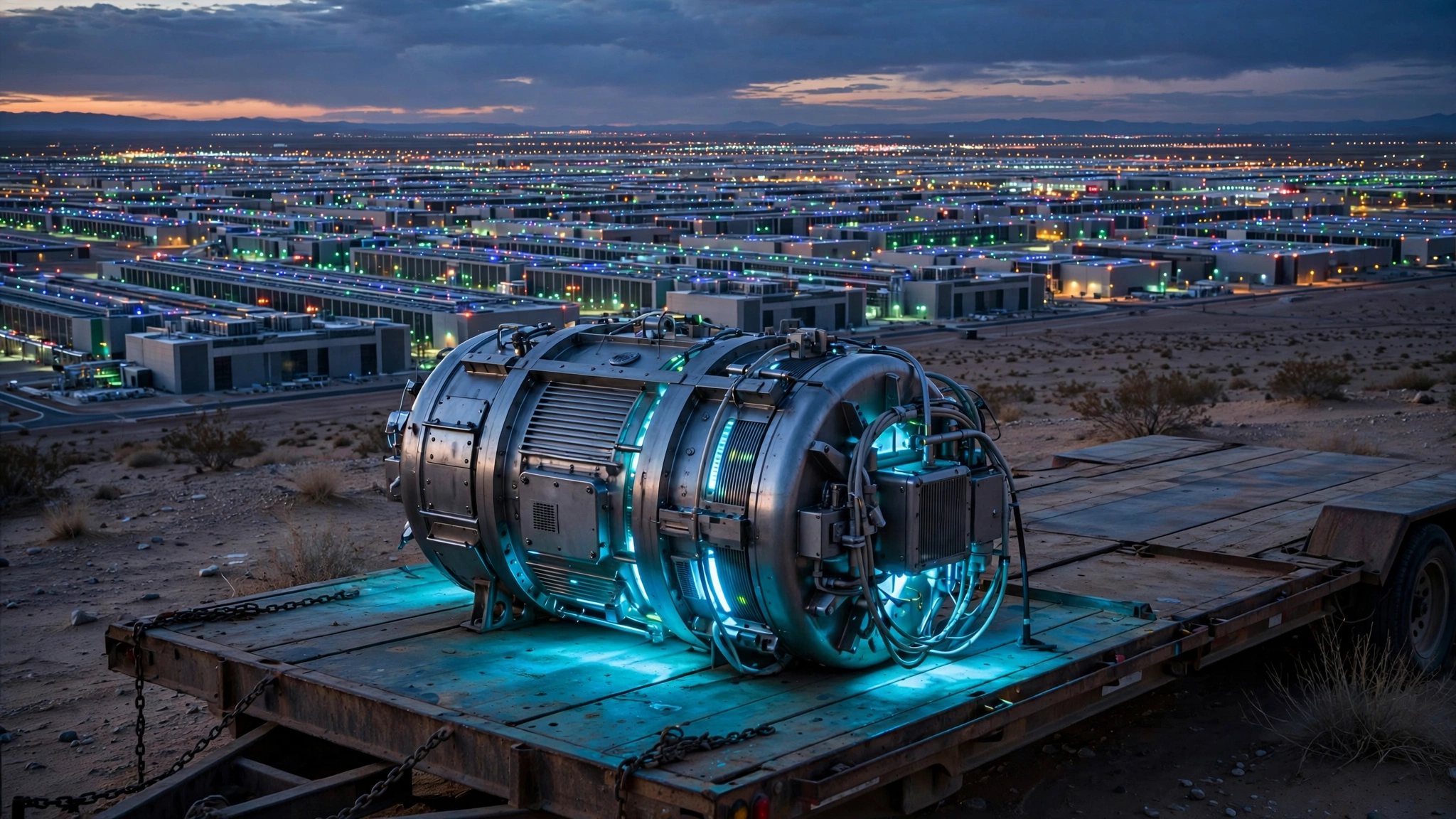
3 Nuclear Startups Hit Criticality in Under a Year. Powering One AI Data Center Would Take 100 of Their Reactors.
Three nuclear microreactors went critical at Idaho National Lab in record time. The Nvidia demo was spectacular. The arithmetic of actually powering AI is less so.
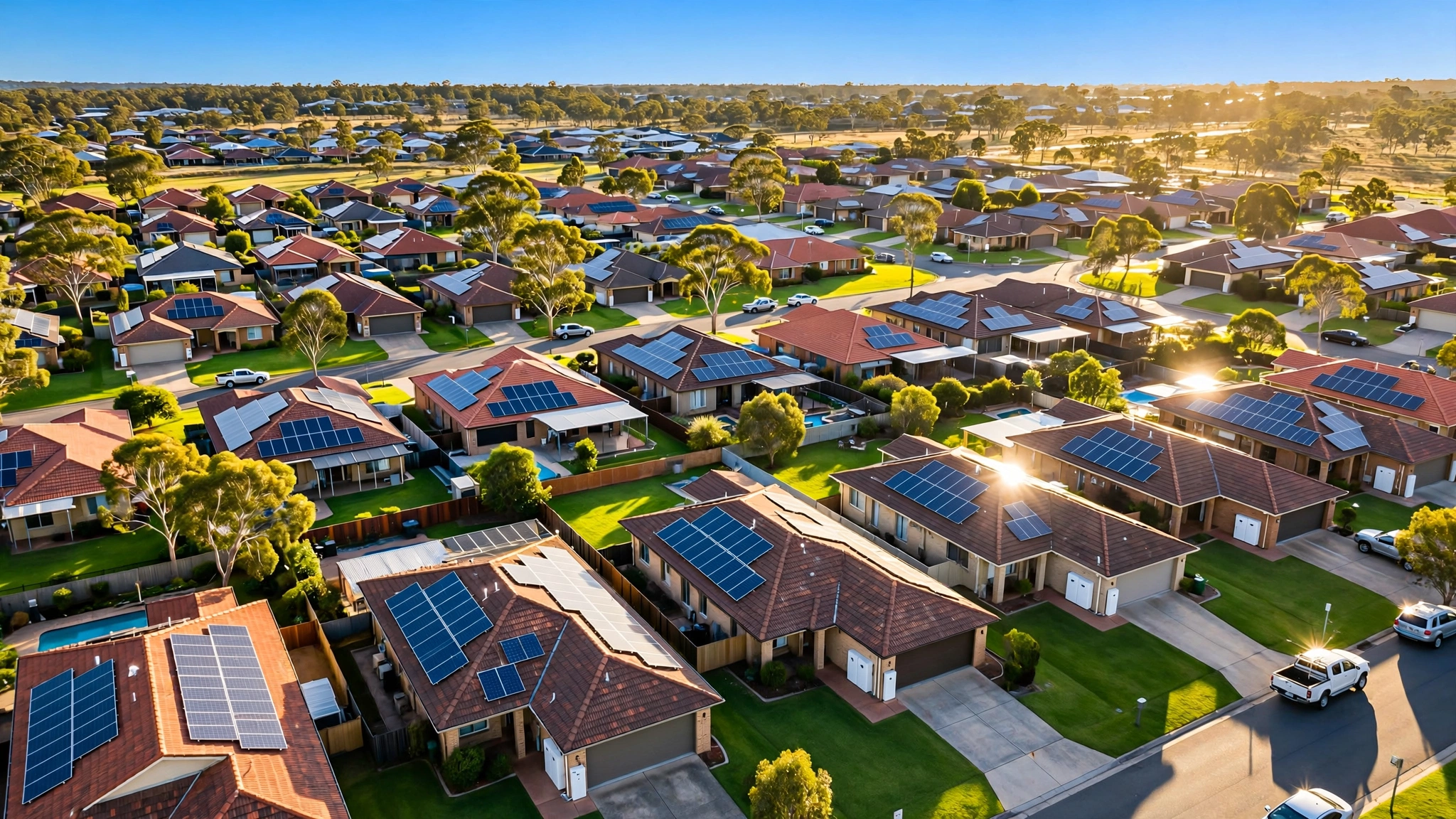
Australia Installed 11.2 GWh of Home Batteries in 10 Months. The US Has 9 GWh Total. The Gap Isn't Money.
Australia's battery subsidy deploys 3× more storage per government dollar than a US equivalent would. The reason isn't generosity. It's paperwork.
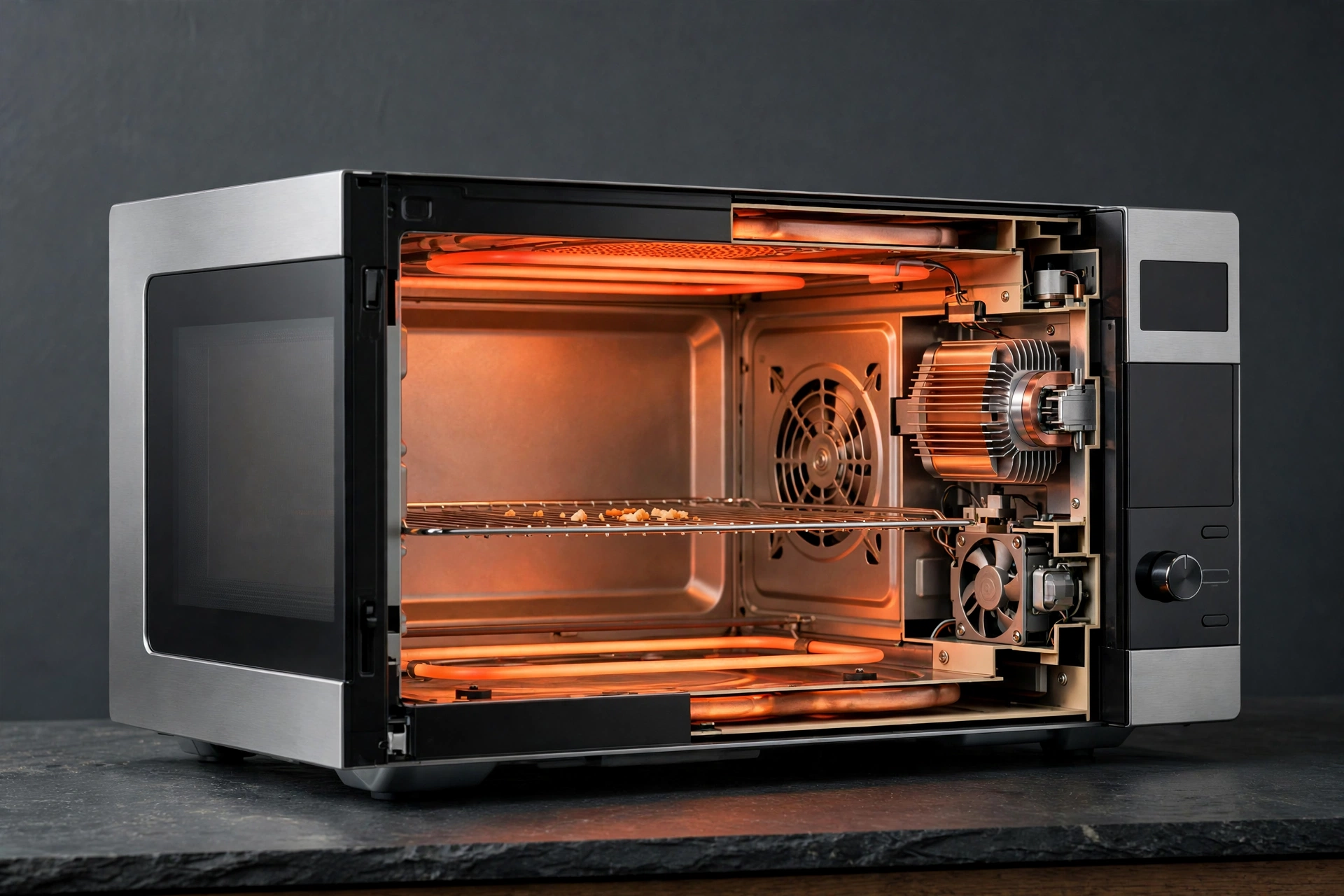
Microwave/Toaster Oven Combos: Engineering Compromises & Real Reviews — Why 6-in-1 Machines Fight Physics
A deep meta-analysis of microwave-toaster oven combos: the physics, the engineering compromises, and whether any product actually solves them. Based on Reddit, Amazon reviews, Wirecutter testing, and electromagnetic field theory.
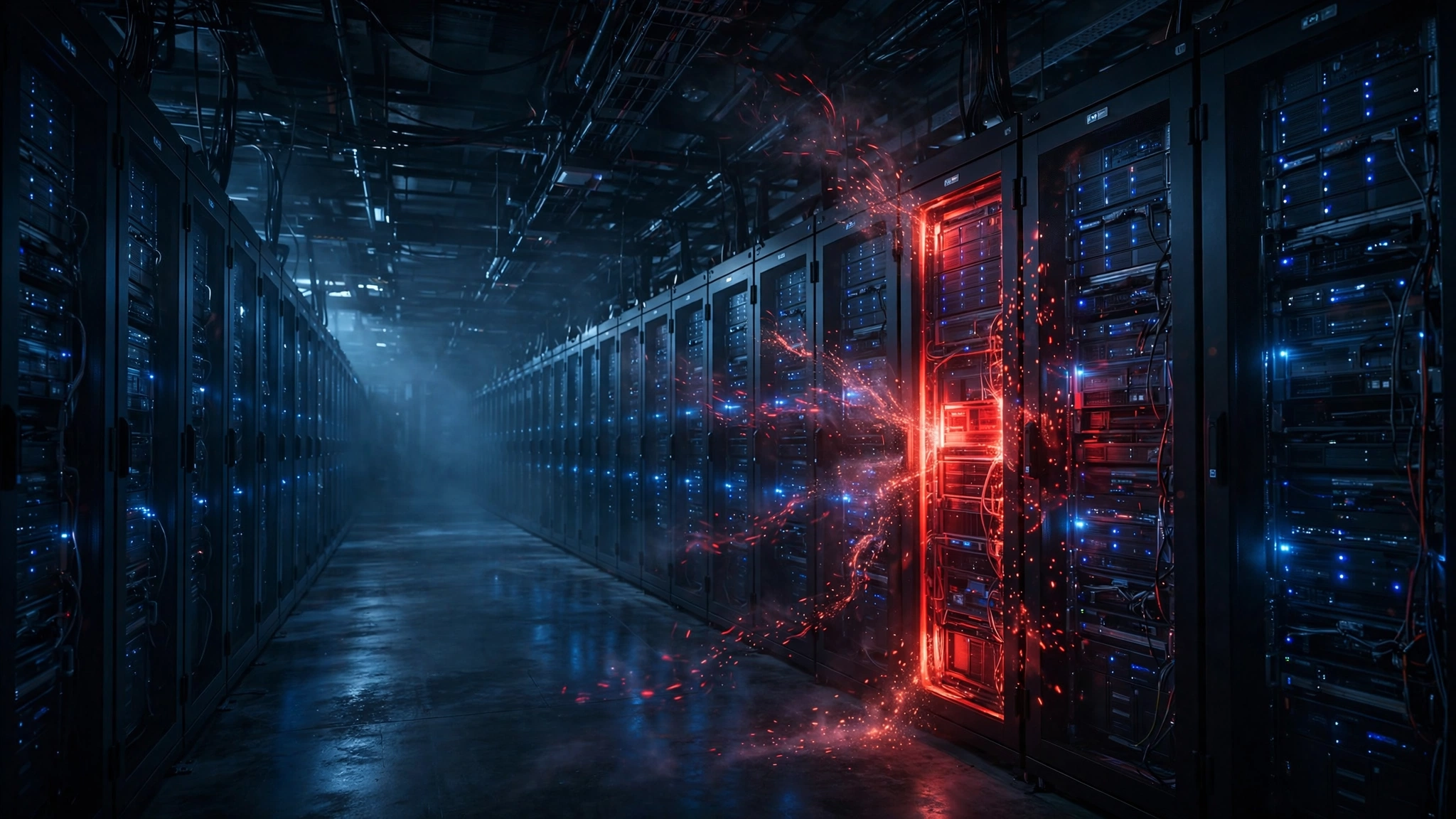
300,000 AI Servers Had Heartbleed's Exact Architecture. Nobody Noticed for Three Months.
Bleeding Llama isn't just a bug. It's the first proof that AI infrastructure inherits every security antipattern the internet already solved, and then adds new ones.

Only 7 Companies Can Afford Custom AI Chips. The Other 193 Pay Nvidia 75% Margins.
Designing a cutting-edge AI accelerator costs $500 million and takes 3-5 years. Oxmiq's licensable IP model cuts minimum viable scale from 16,700 chips to 333. ARM proved the model works. The question: does the middle market for AI silicon actually exist?

She Hadn't Spoken in Five Years. A $35 Dose of Mushrooms Brought Her Back — for Weeks.
$42.5 billion in Alzheimer's R&D since 1995 produced a 99.6% failure rate and zero treatments for severe-stage patients. A single dose of psilocybin accidentally revealed what all that money missed.
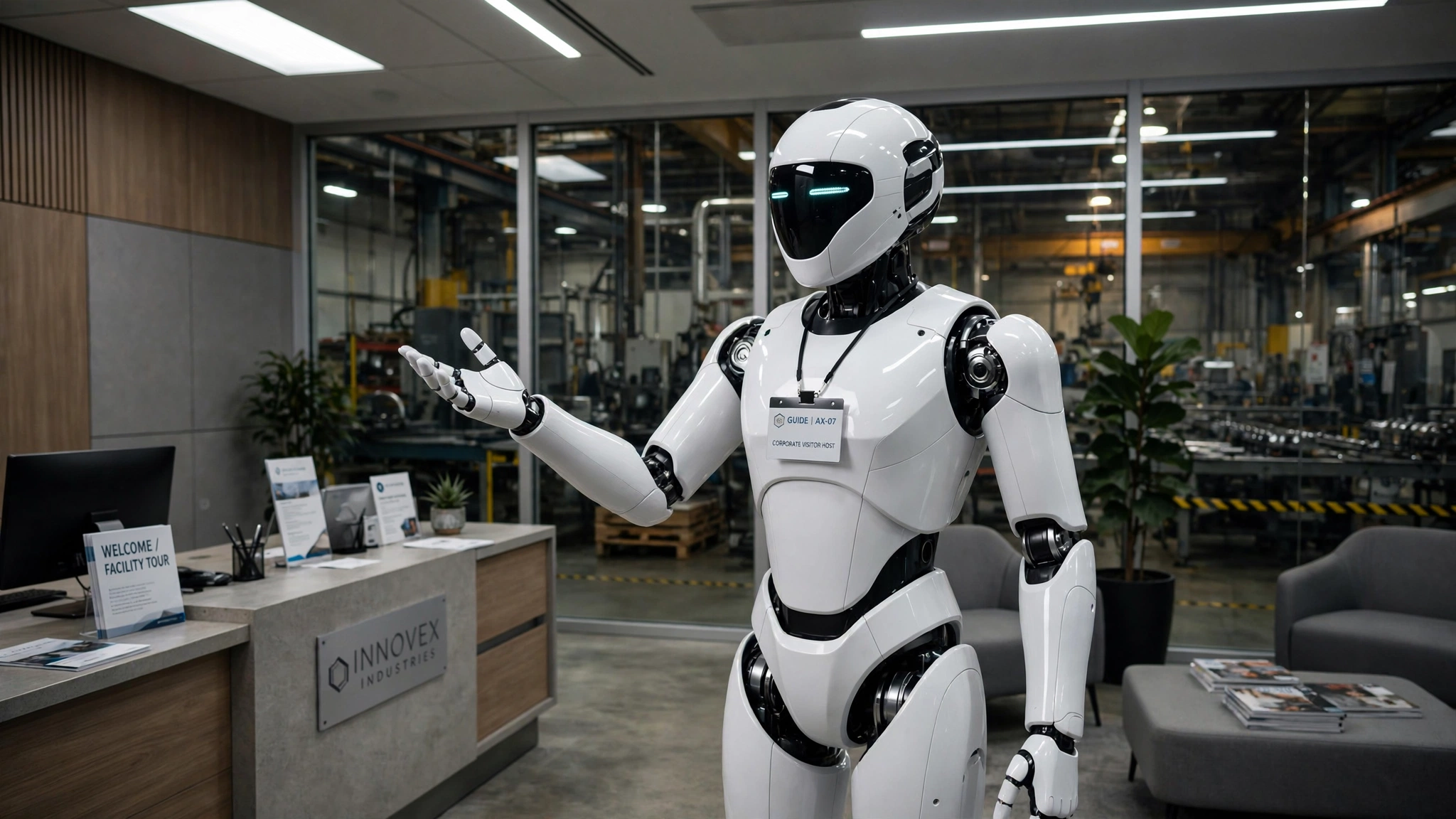
The World's Most Profitable Humanoid Robot Company Makes 60% of Its Money From Tour Guides
5,500 humanoid robots shipped. $278 million in profit. 60% gross margins. And a prospectus that says the primary use case is 'enterprise reception and tour-guide use.'

Midjourney Medical's Billion-Scan Target Requires 90 Seconds Per Patient, Including Undressing
358,000 ultrasonic sensors. 12 people scanned. A 7× throughput gap nobody mentioned.
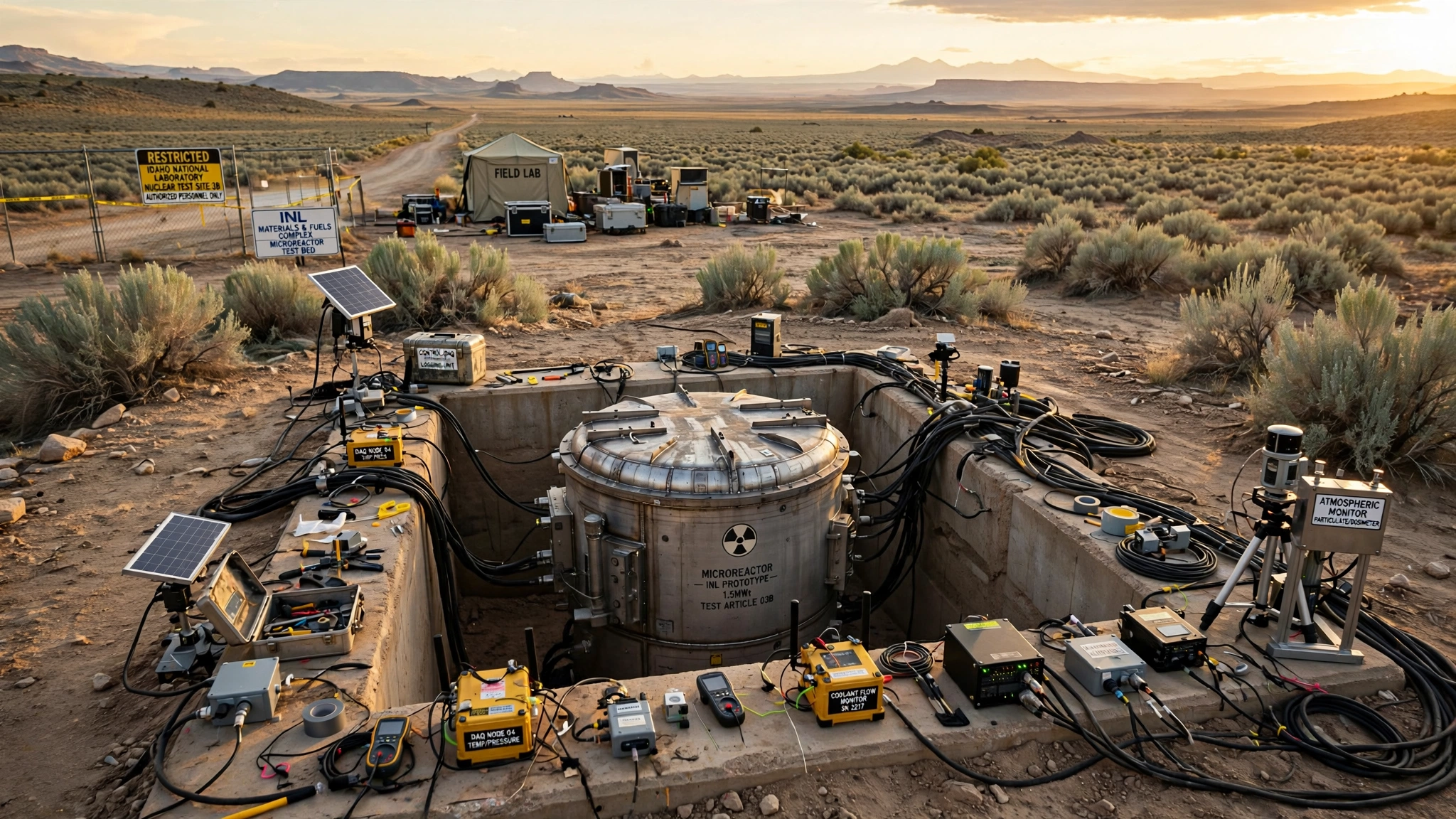
Three Nuclear Reactors Reached Criticality in 10 Months. The Last Company to Try Took 16 Years and Never Sold a Watt.
Trump's July 4 deadline produced three working reactors. But the math between microreactor output and data center demand reveals a 694x production gap nobody is talking about.

A Robot Companion Costs $5.37 an Hour. A Human Caregiver Costs $5.01. But the Robot Dies After Three Hours.
UBTECH's UWORLD U1 just took 13,361 orders for a humanoid companion that can't do chores and runs for three hours on a charge. The cost-per-hour math lands surprisingly close to human caregivers. But the science says a robot seal might work better.
More articles load as you scroll.