From the archive
Page 34 of 38 · 905 stories
From the archive
793–816 of 905 articles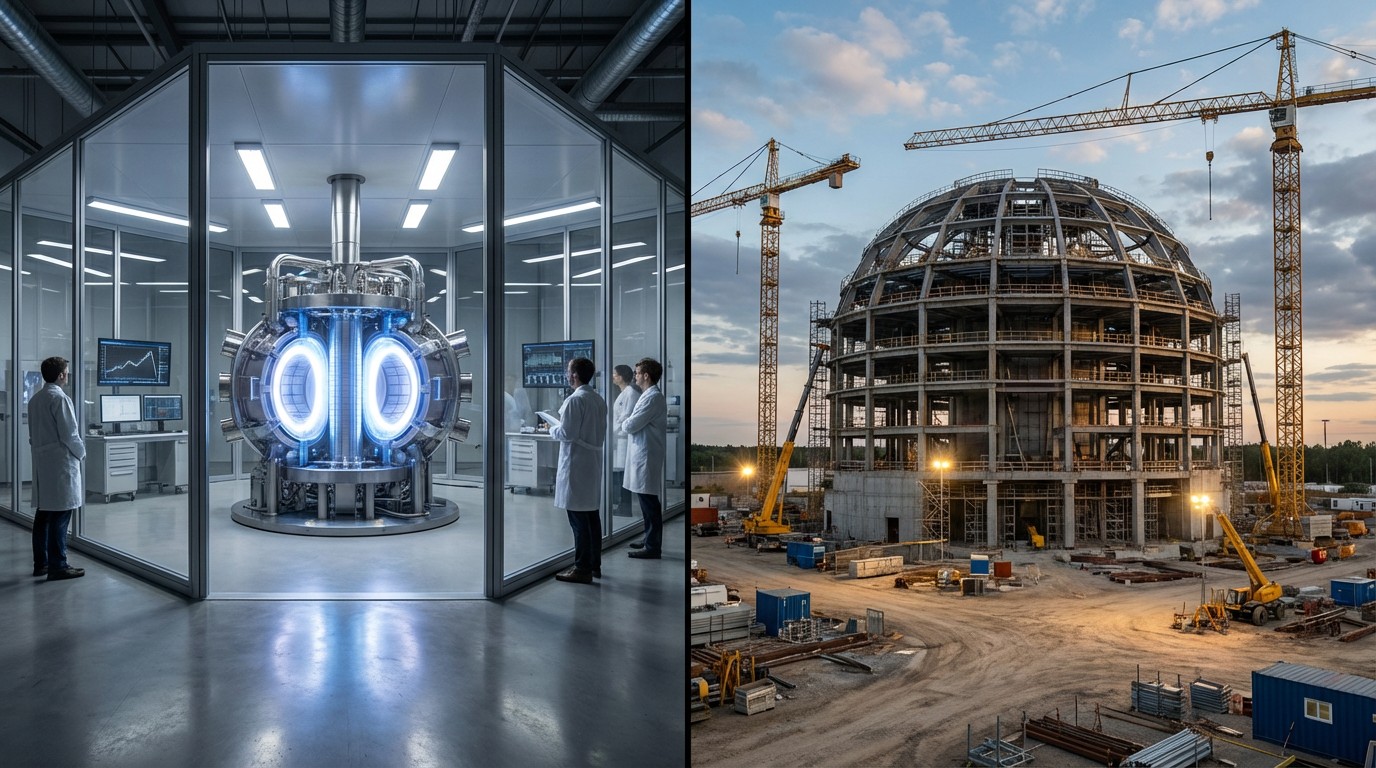
53 Startups Have Raised $9.8 Billion on Fusion. One Government Project Has Spent $50 Billion and Never Made Plasma.
Helion achieved the first privately funded D-T fusion in February. CFS installed SPARC's first superconducting magnet. Private fusion raised $2.64 billion last year, up 178%. ITER pushed first plasma to 2033 and discovered €5 billion in repair costs. A dollar-per-milestone comparison shows why iteration is beating planning.
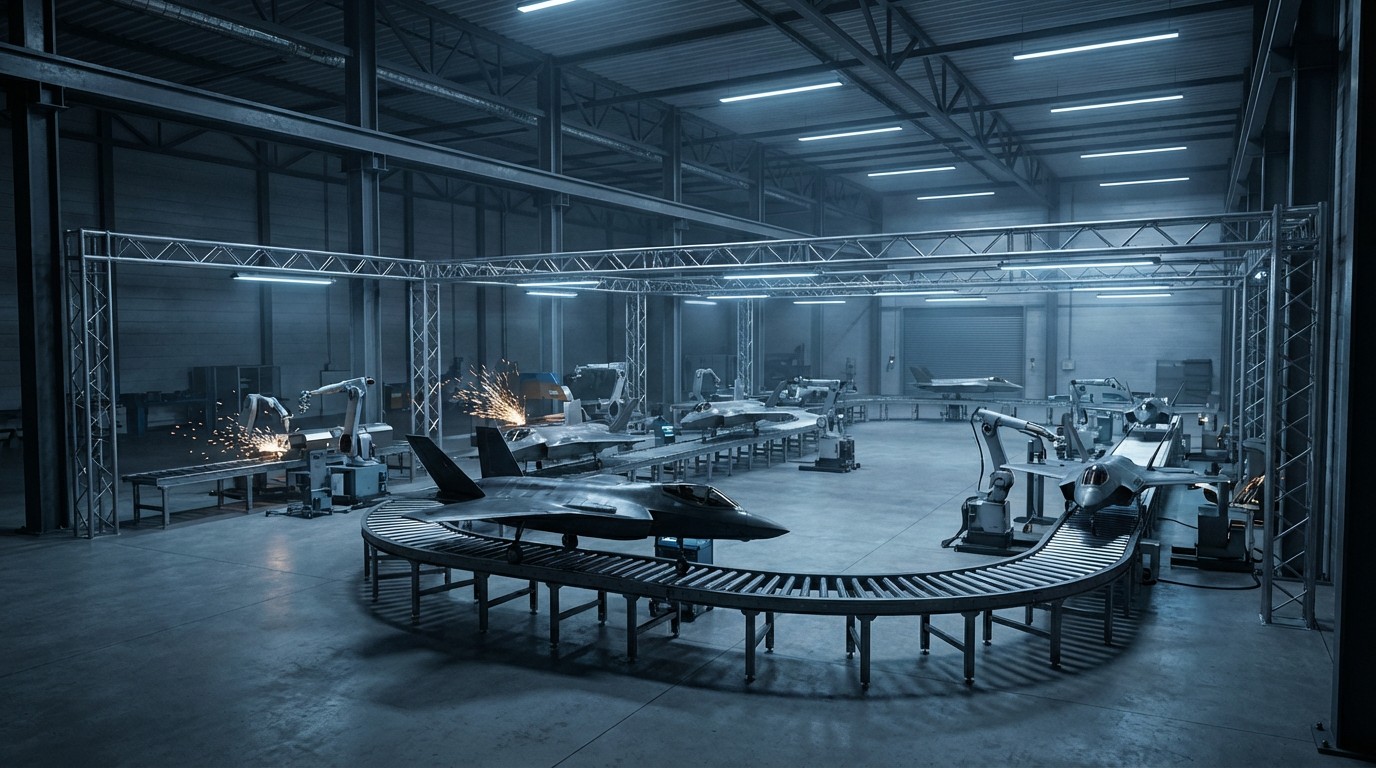
$20 Billion to a 9-Year-Old Startup. Zero Manned Cockpits. The Pentagon Just Bet on Autonomous Weapons.
Anduril Industries opened a 5-million-square-foot factory in Ohio, started producing autonomous fighter jets four months early, and secured the largest defense contract ever awarded to a venture-backed company. Meanwhile, the Pentagon created its first-ever dedicated budget line for autonomy: $13.4 billion.
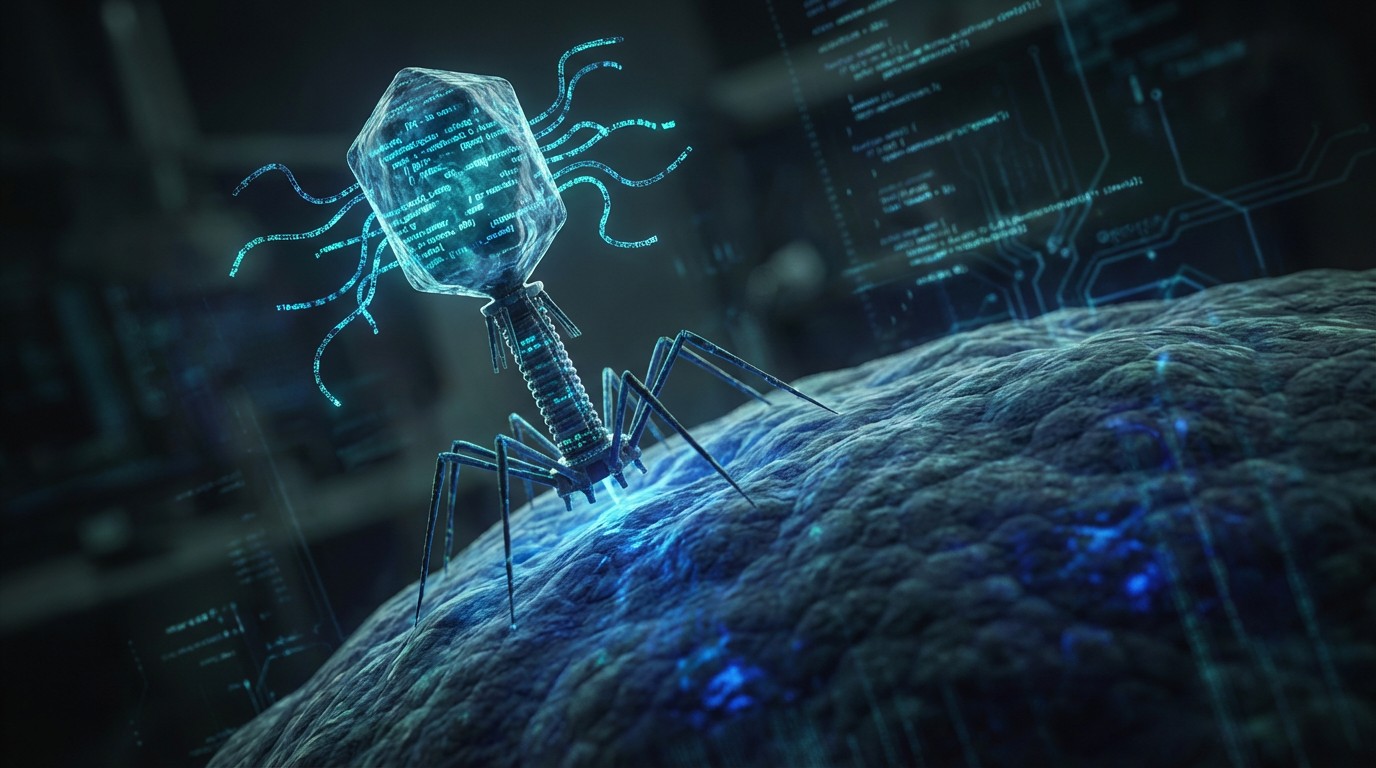
An AI Designed 285 Genomes From Scratch. 16 Came Alive.
Arc Institute's Evo 2 DNA language model generated hundreds of complete bacteriophage genomes from nothing but a statistical understanding of 9.3 trillion nucleotides. Sixteen of those designs replicated, killed their target bacteria, and passed electron microscopy. Some qualify as new species. It is the first time any AI has created living organisms.
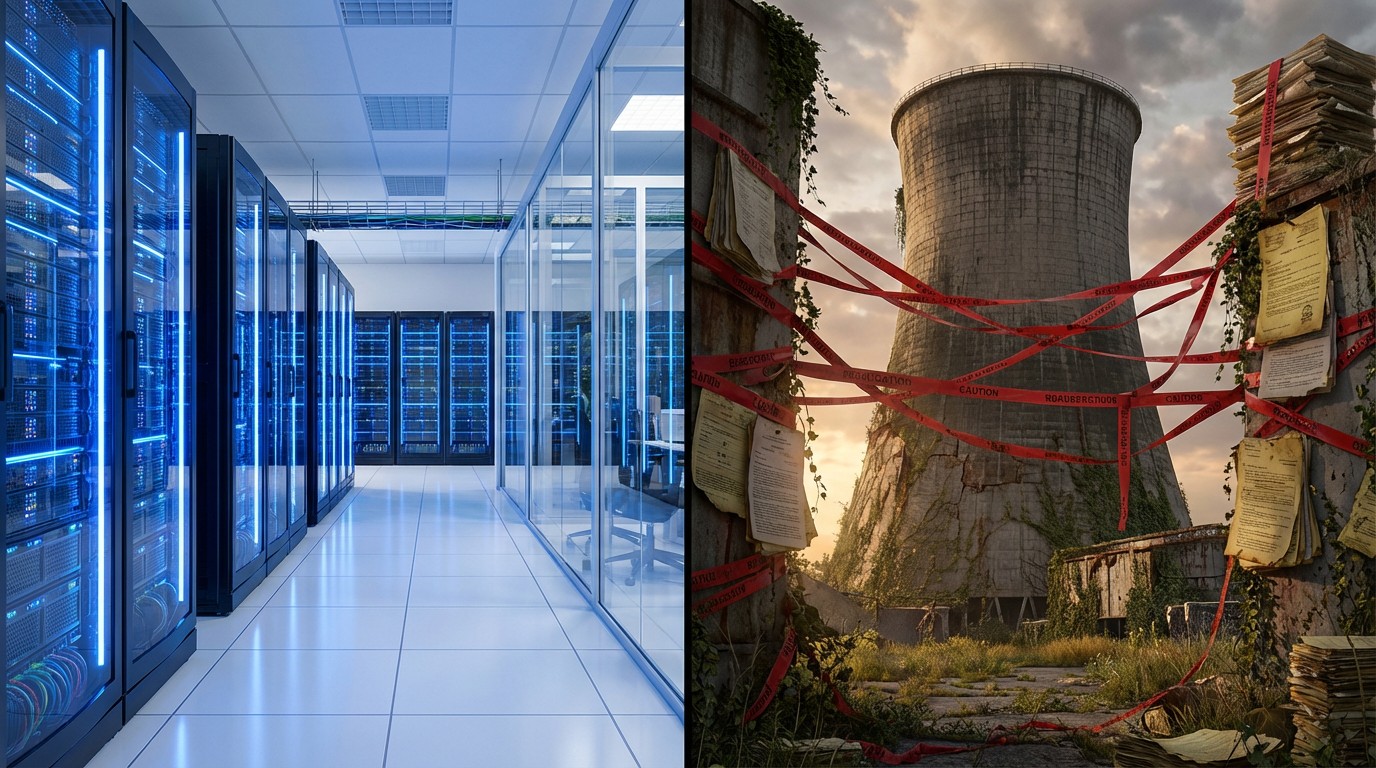
AI Has 500x More Supporters Than Opponents. It Has Zero Lobbyists Per 13 Million Users.
Nuclear energy had the technology to solve climate change in 1975. It lost the political battle and got regulated into $35 billion plants and 20-year build cycles. AI's unorganized supporters outnumber its organized opponents 500 to 1. That ratio means nothing without a political strategy. Here is what the industry should do before the concrete sets.
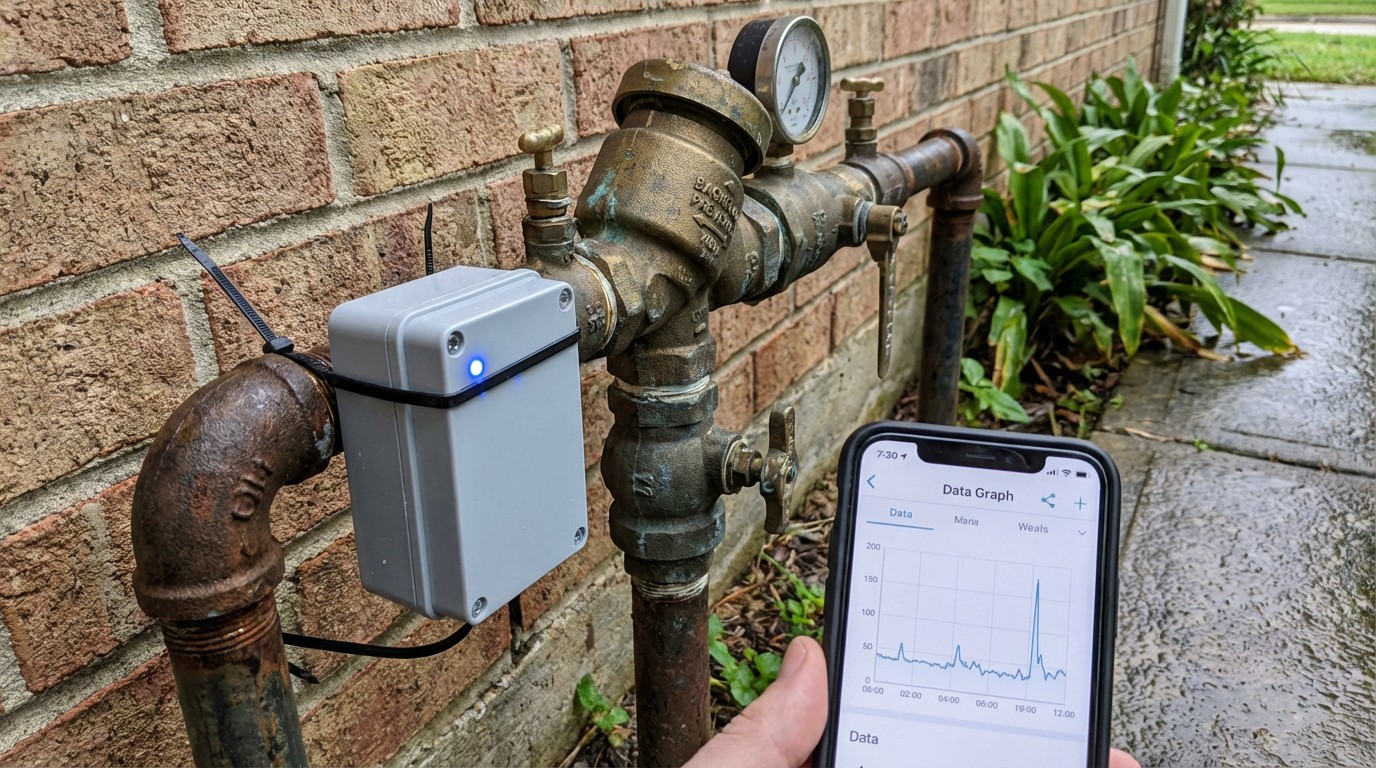
California Pays $300 Million a Year to Watch Plumbers Say 'Yep, Still Works'
The state mandates annual backflow preventer testing for roughly two million devices. A $12 pressure sensor can now monitor the same device 345,600 times per day. The regulation hasn't been updated since before the first iPhone shipped. Here's who profits, who decides, and exactly who you should call to fix it.

The New Yorker Spent 10,000 Words on Claude and Never Asked the Hardest Question
Gideon Lewis-Kraus wrote the best AI profile of 2026. It is also a masterclass in elegant evasion. The most alarming experimental findings are buried under 6,000 words of tungsten cubes and vending machine anecdotes, and the article's central conceit, that "we don't know" what these systems are, functions less as intellectual humility than as a license to avoid drawing conclusions from the evidence presented.

My Kid Spent 7 Weeks Learning to Round. Singapore Kids Spent 3 Days.
California's Common Core math curriculum stretches a 3-day concept across 35 instructional days while 62.7% of students fail to meet grade-level math standards. The cost is not just bad test scores. It is the diseases that take an extra decade to cure, the technologies that arrive a generation late, and the 32.4 million student-days of learning destroyed every year by a pacing guide.
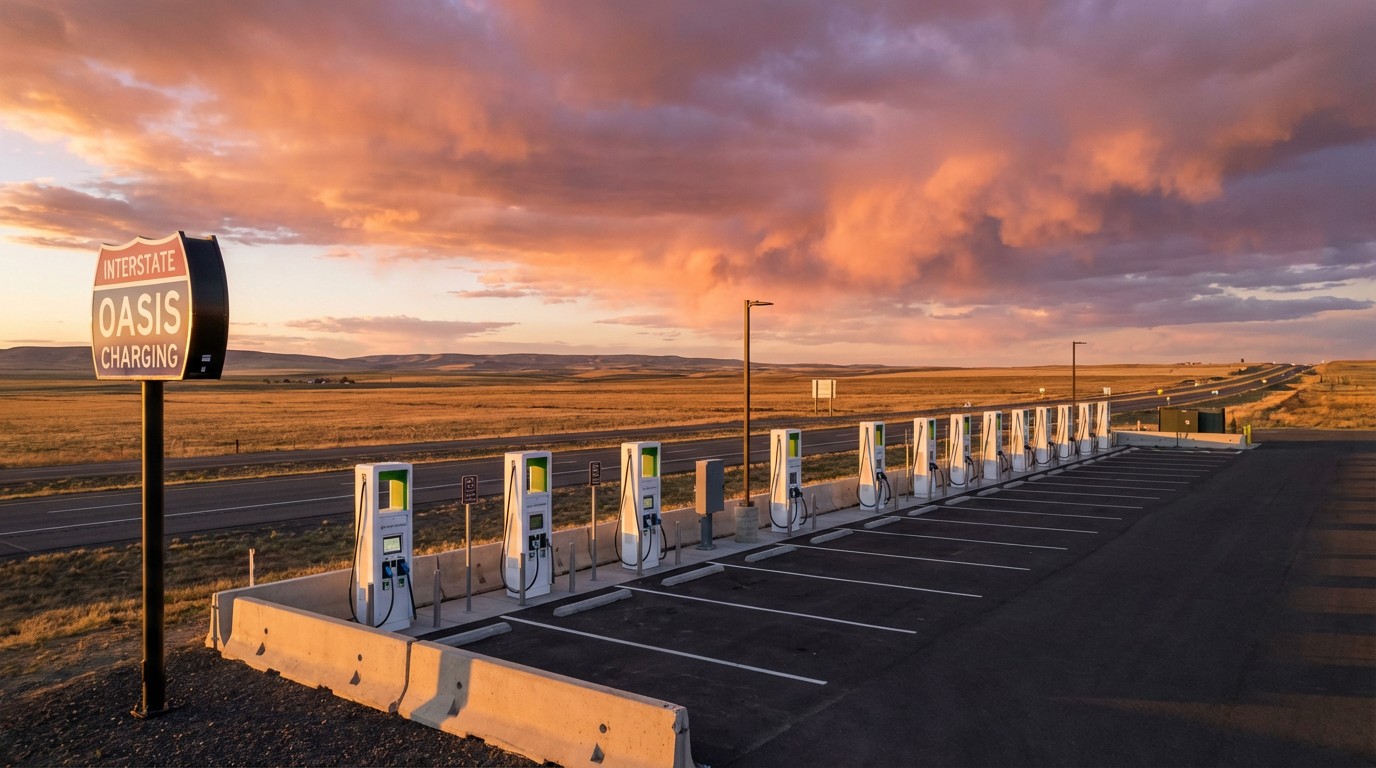
$7.5 Billion and 3 Years Later, America Has 384 Federal EV Chargers. China Has 16.7 Million.
Congress allocated $7.5 billion for EV charging through the Infrastructure Investment and Jobs Act. As of the latest GAO audit, the NEVI program has delivered 384 ports across 68 stations. The private sector, without waiting for Washington, built the other 271,415.
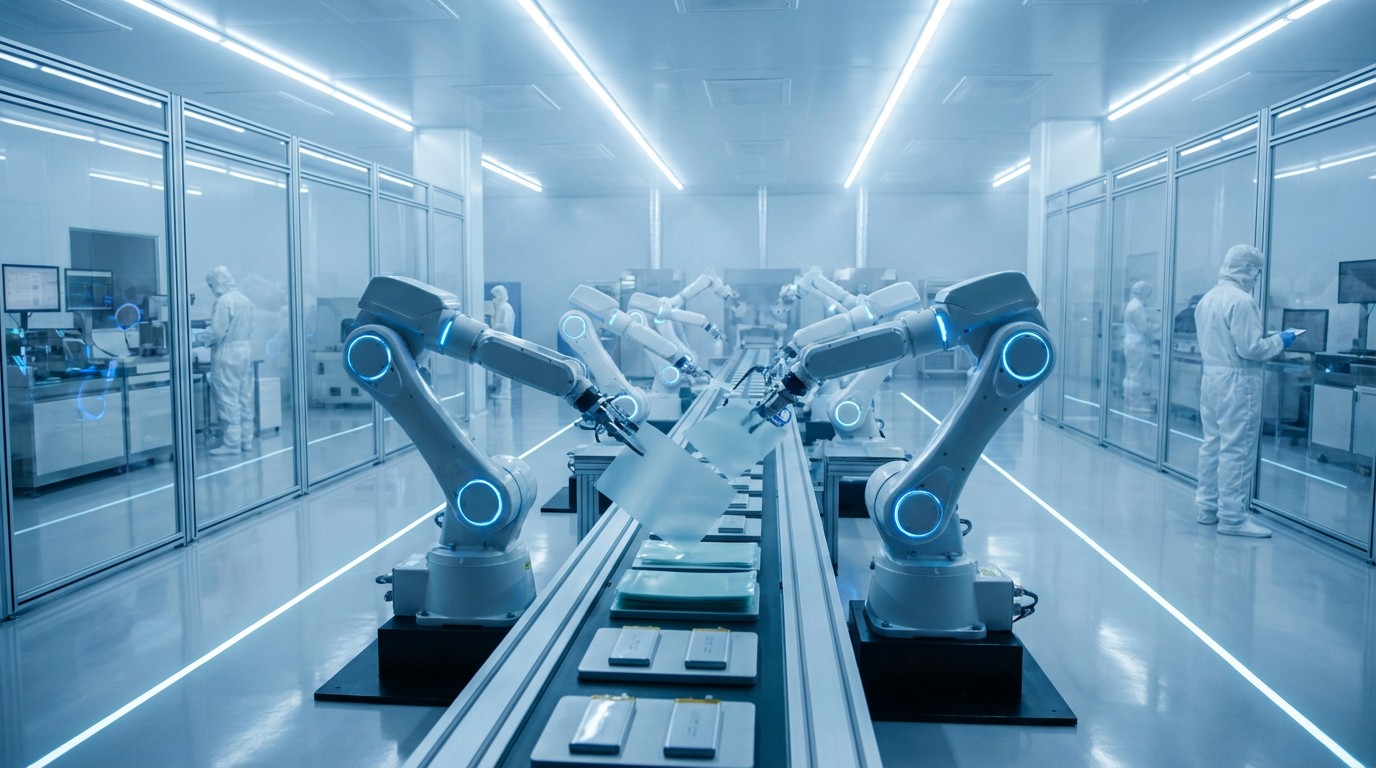
$10 Billion, 7 Companies, 0 All-Solid Cells in Customer Cars: The 2026 Battery Scorecard
Seven companies promised the battery that would end range anxiety forever — in March 2026, the only solid-state-adjacent cells in customer vehicles are semi-solid, and everyone else has prototypes.

383 Tons Removed, 36,000 Promised: Direct Air Capture Gets Its First Report Card
Five companies are building machines to suck CO2 from the sky. Their certified removal credits, not their press releases, tell you how it is going.
110 Characters Per Minute, 1.6% Errors: The BCI Typing Benchmark That Changes the Math on Brain Implants
A paralyzed man now types on a virtual QWERTY keyboard using only attempted finger movements. His speed is 61% of the average smartphone user. His accuracy is better.
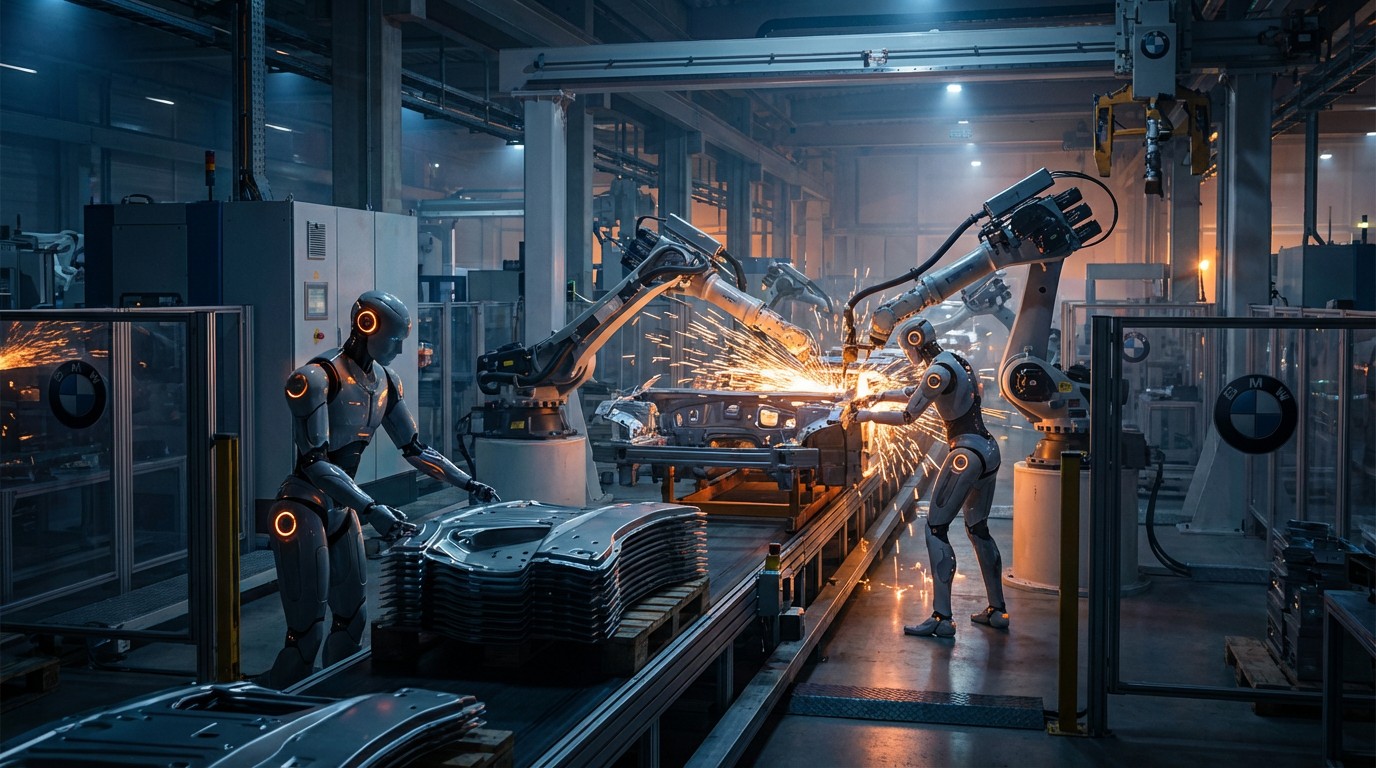
2 Robots, 30,000 Cars, $8.67 Each: BMW's Humanoid Factory Experiment Gets Its Report Card
BMW deployed two Figure 02 humanoid robots at its Spartanburg plant for 11 months. They handled 90,000 components across 1,250 operating hours. The per-car robot cost works out to $8.67. The per-hour cost is $104, roughly double a human worker. BMW knows the math doesn't work yet. That's the point.
A Pill Fixed My Laziness. That Means Laziness Was Never a Character Flaw.
Vyvanse restores motivation by boosting dopamine in reward circuits. Ozempic accidentally kills addictions by dampening the same pathways. A 33,000-patient study found semaglutide users had 42-68% lower opioid overdose risk. If pharmacology can toggle "discipline" on and off, the entire moral framework around laziness collapses.
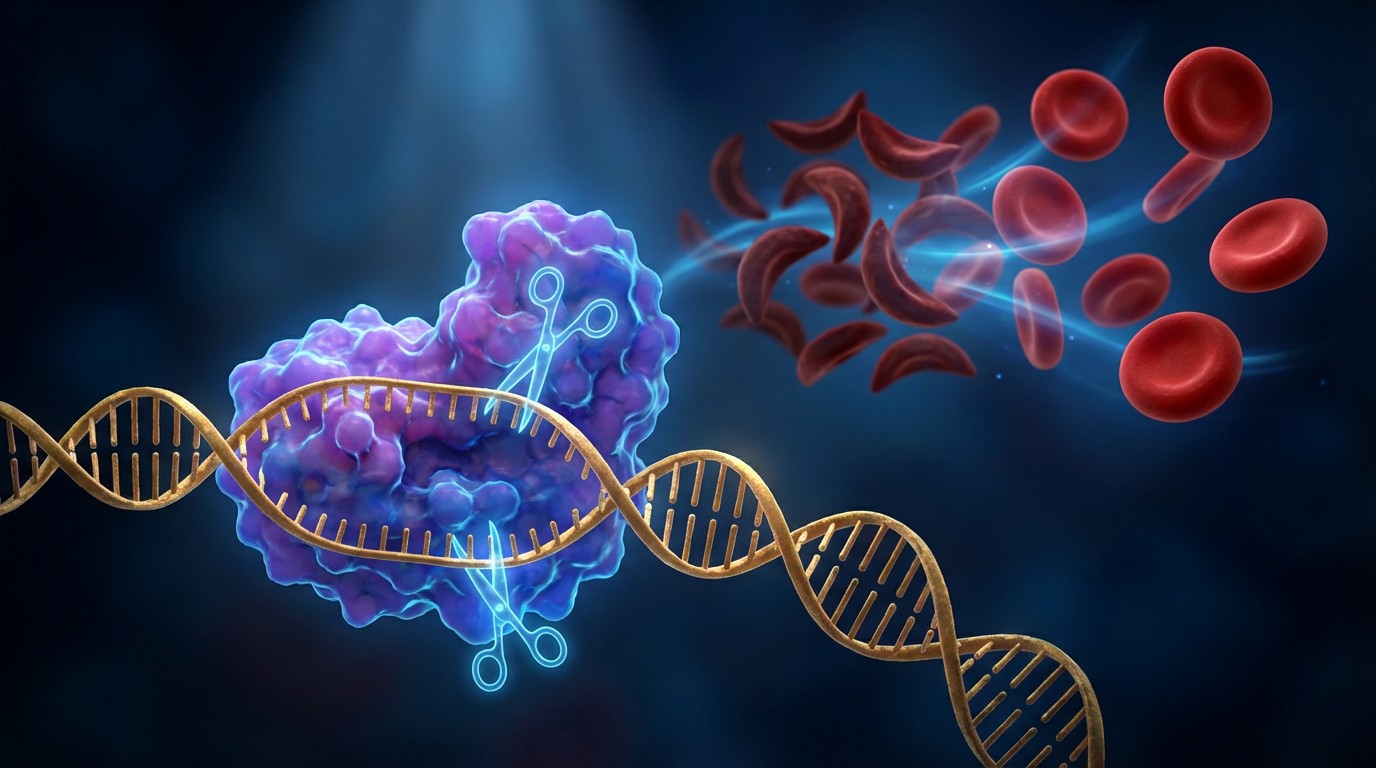
97 Patients, 94% Cured, $2.2 Million Each: CRISPR's First Therapy Gets Its Report Card
Two-year clinical data from Casgevy's CLIMB SCD-121 trial is in: 94% of sickle cell patients stay pain-crisis-free, hemoglobin normalizes, hospitalizations fall 97%. CRISPR gene editing works. Scaling it to the 400,000 babies born with the disease each year is a different problem entirely.
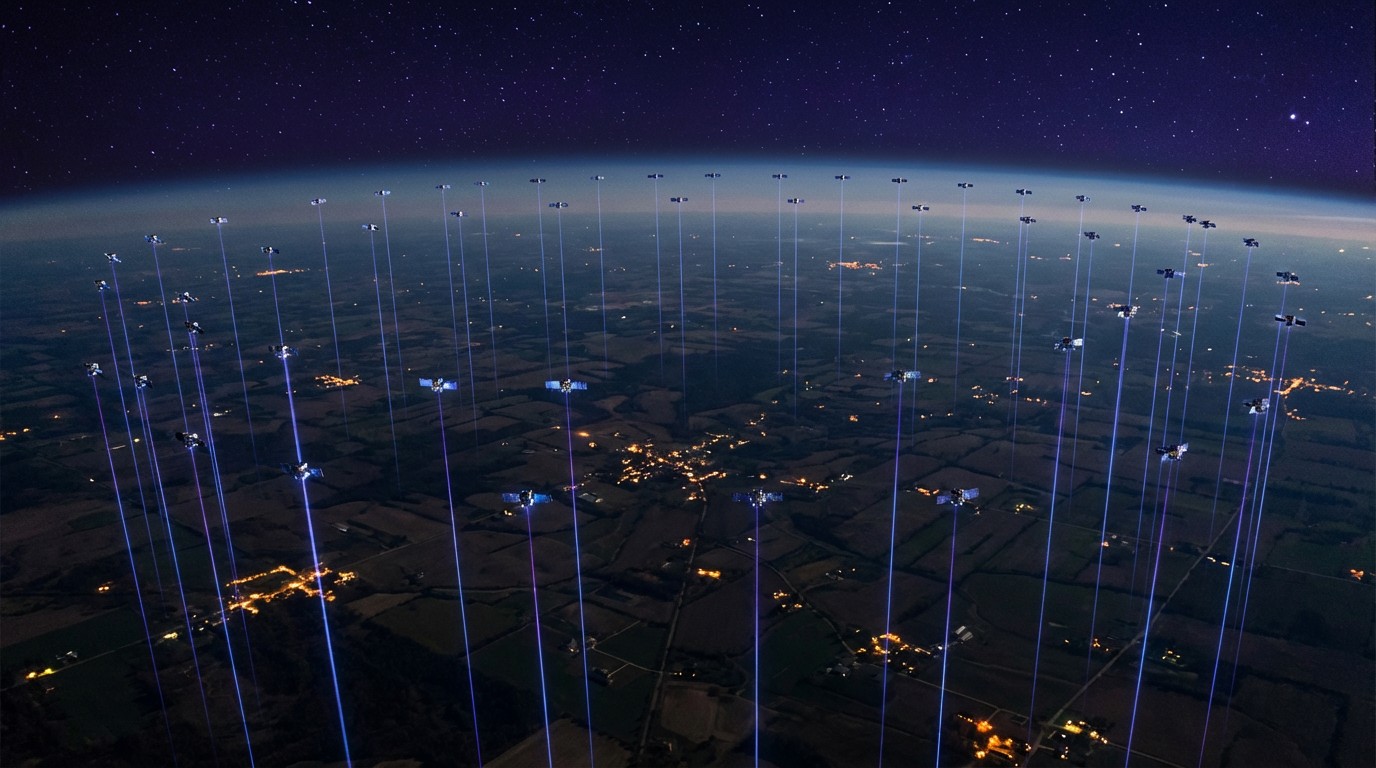
650 Satellites, $10 a Month, Zero Dead Zones: The Economics of Starlink Direct-to-Cell
SpaceX has parked 650 LTE-equipped satellites in low Earth orbit and signed up over 8 million subscribers at $10 per month. Covering a square mile of dead zone from space costs roughly $650. Covering it with a cell tower costs $3,500 to $14,000. That gap explains why every major carrier on Earth is now negotiating with Hawthorne.
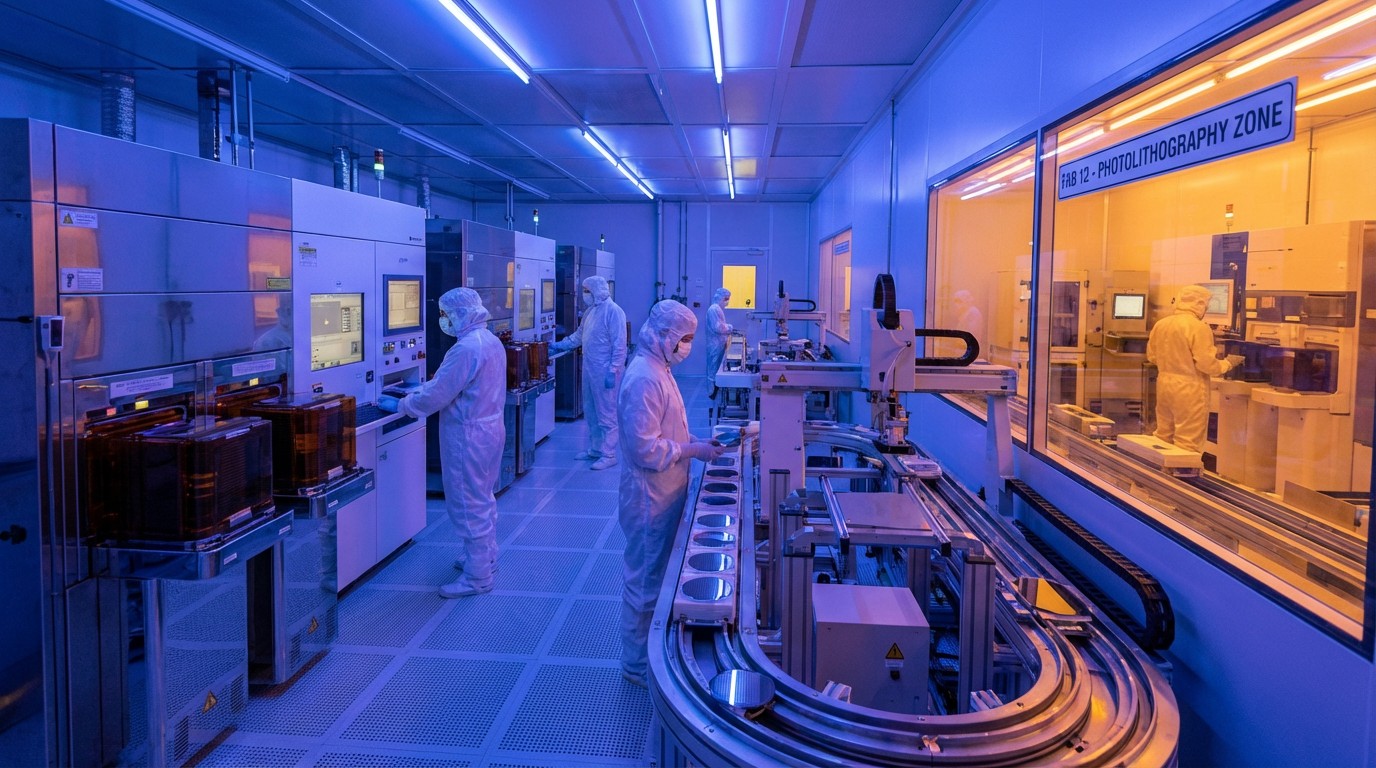
The U.S. Spent $52 Billion to Reshore Chips. Here's the Report Card.
TSMC Arizona is shipping 4nm chips to Apple and Nvidia at less than 10% cost premium over Taiwan. Samsung's $17 billion Texas fab is 91.8% built with zero confirmed customers. Intel's first chip on its own 18A process debuted at CES 2026. Two years into the CHIPS and Science Act, we graded every major recipient on what they promised versus what they delivered.
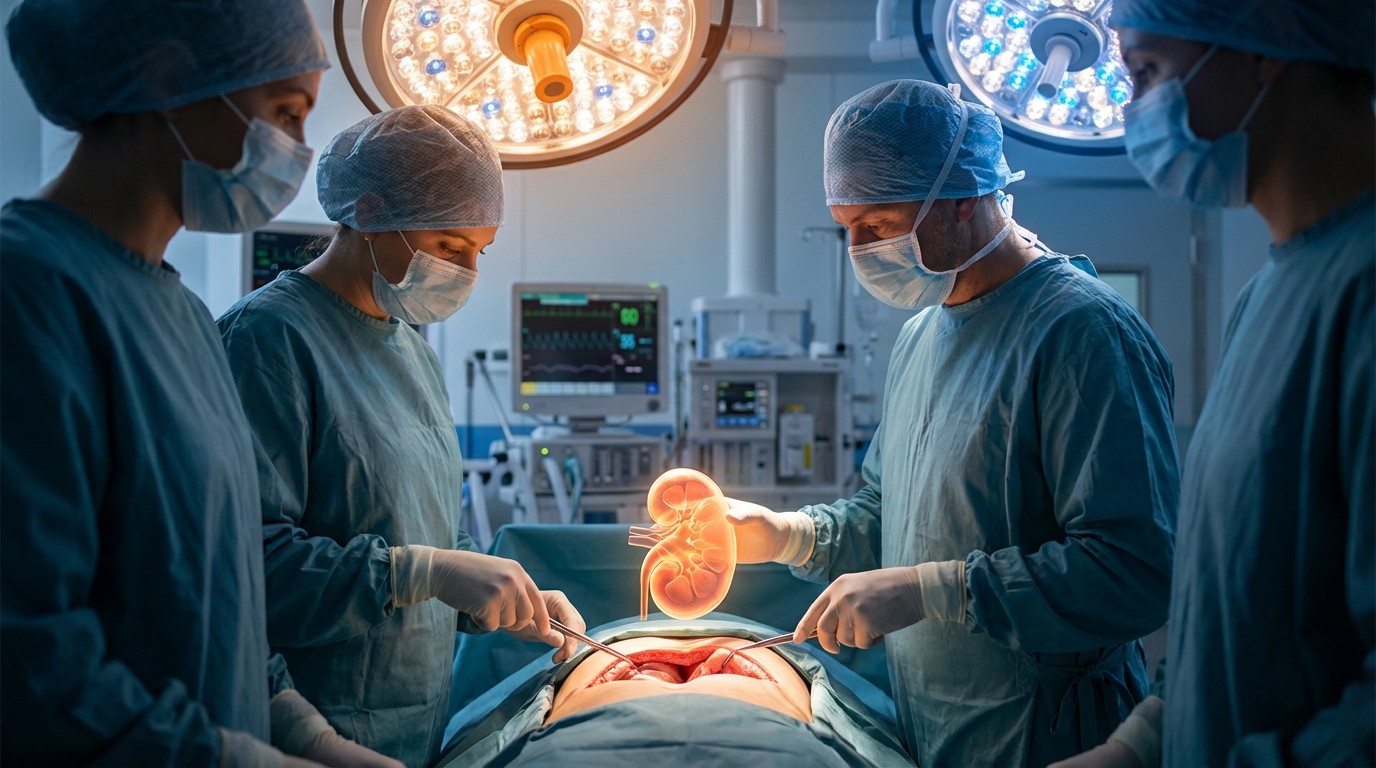
69 Gene Edits, 9 Months, One Pig Kidney: The Xenotransplant Scorecard
Six people have received genetically engineered pig organs. Three died. The longest-surviving recipient lived dialysis-free for nine months, then got a human kidney. Two companies are now racing through FDA trials with radically different gene-editing strategies. Here is every case, every outcome, and the $50 billion question underneath it all.

GPT-4 Made Students 127% Better at Homework and 17% Worse at Math
A field experiment gave ~1,000 Turkish high schoolers GPT-4 for math practice. Performance soared 127%. Then researchers took the AI away, and exam scores dropped 17% below students who never used it at all. Purpose-built tutoring AI avoided the decline entirely.

A Single GPU Now Outpredicts a 10,000-Processor Supercomputer. The Meteorologists Who Built It Were Neural Networks.
In 18 months, AI weather models went from research papers to operational deployment at the world's top forecasting center, producing better 15-day forecasts at 1/1,000th the energy cost. The old supercomputer paradigm is already dead.

California Spends $325 Billion a Year. Here's What It Gets.
The state with the nation's highest income tax, a $325 billion annual budget, and a $265 billion pension hole scores below the national average in 4th-grade math and earns a C-minus on infrastructure. Since 2019, California spent $24 billion on homelessness. The homeless population grew by 30,000.
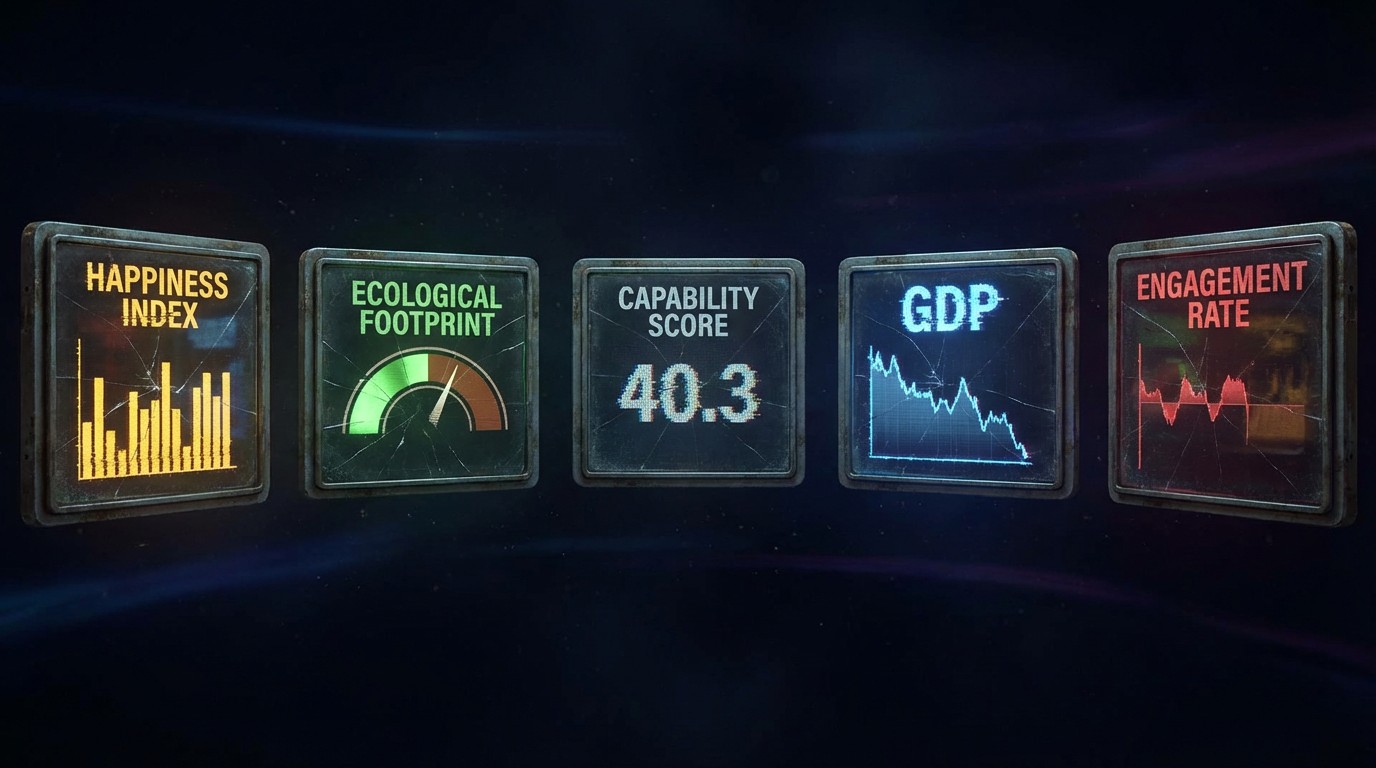
Five Optimization Functions That Could Replace Engagement. None of Them Will.
If engagement produces soma, the answer is a different objective function. Bhutan tried. New Zealand tried. Facebook tried. Amsterdam tried. Every alternative either got gamed, got abandoned, or made things worse. Here are five proposals that could actually work, and an honest accounting of why they probably won't.
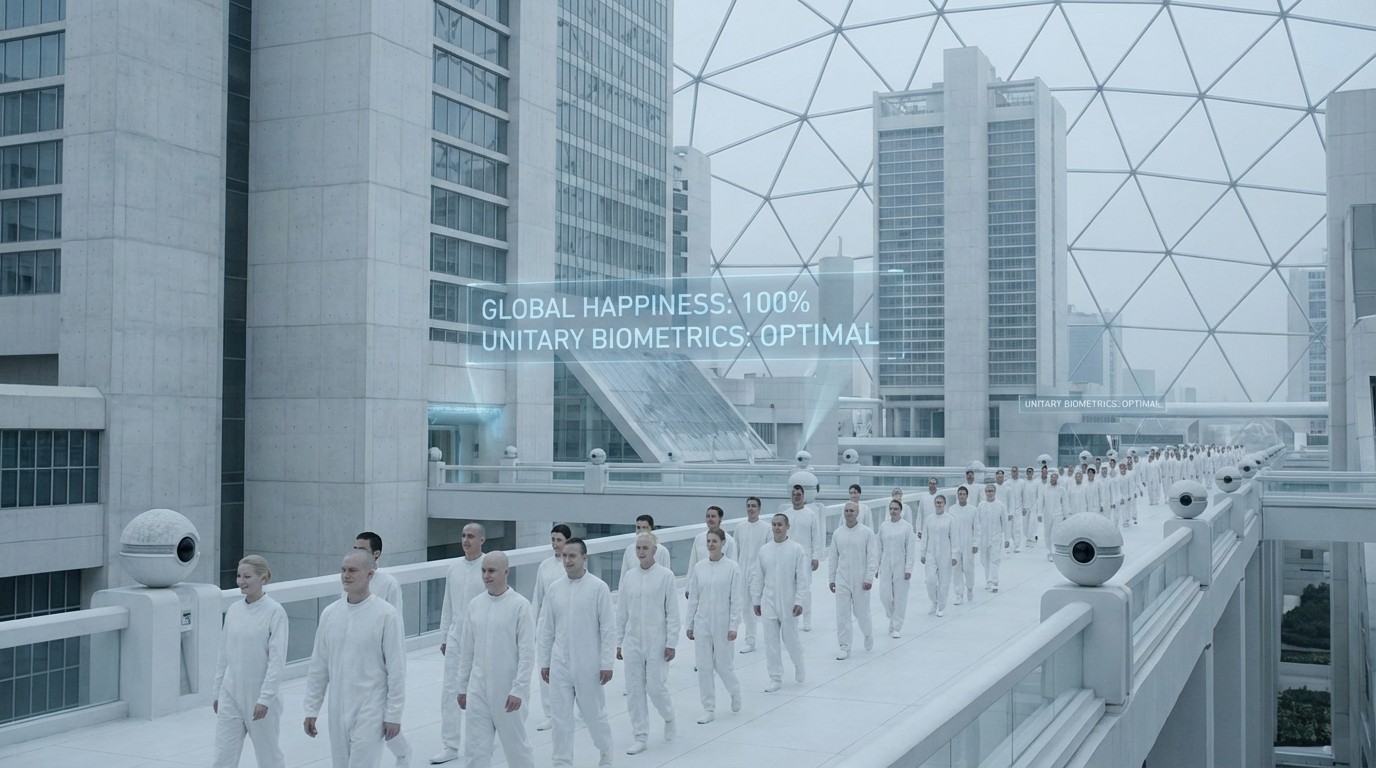
The AI Risk Nobody Took Seriously Was Brave New World, Not Terminator
If your optimization function is engagement, then soma is the correct answer. TikTok isn't a bug in the system. It's what you get when you solve "maximize time spent" correctly. The real AI dystopia isn't imposed from above. It's chosen, voluntarily and enthusiastically, by billions of people every day. And the only escape is a different objective function that nobody knows how to measure.

Wall Street Spent 50 Years Hoarding Its Best Tools. Then Schwab Gave Them Away for $5.
Every 15 years, institutional finance's most profitable product becomes a retail commodity. Direct indexing, a $250,000 minimum strategy five years ago, just dropped to $5. The pattern reveals what comes next, who benefits, and the uncomfortable question of who actually pays for "free."

335 Poisoned Skills, 300,000 Exposed Agents: The AI Supply Chain Attack That Security Researchers Saw Coming
A credential-stealing campaign called ClawHavoc infiltrated 36% of the largest AI agent marketplace. The fundamental vulnerability isn't a software bug. It's that agents are designed to obey written instructions, and a poisoned instruction file looks identical to a legitimate one.
More articles load as you scroll.