From the archive
Page 35 of 38 · 905 stories
From the archive
817–840 of 905 articles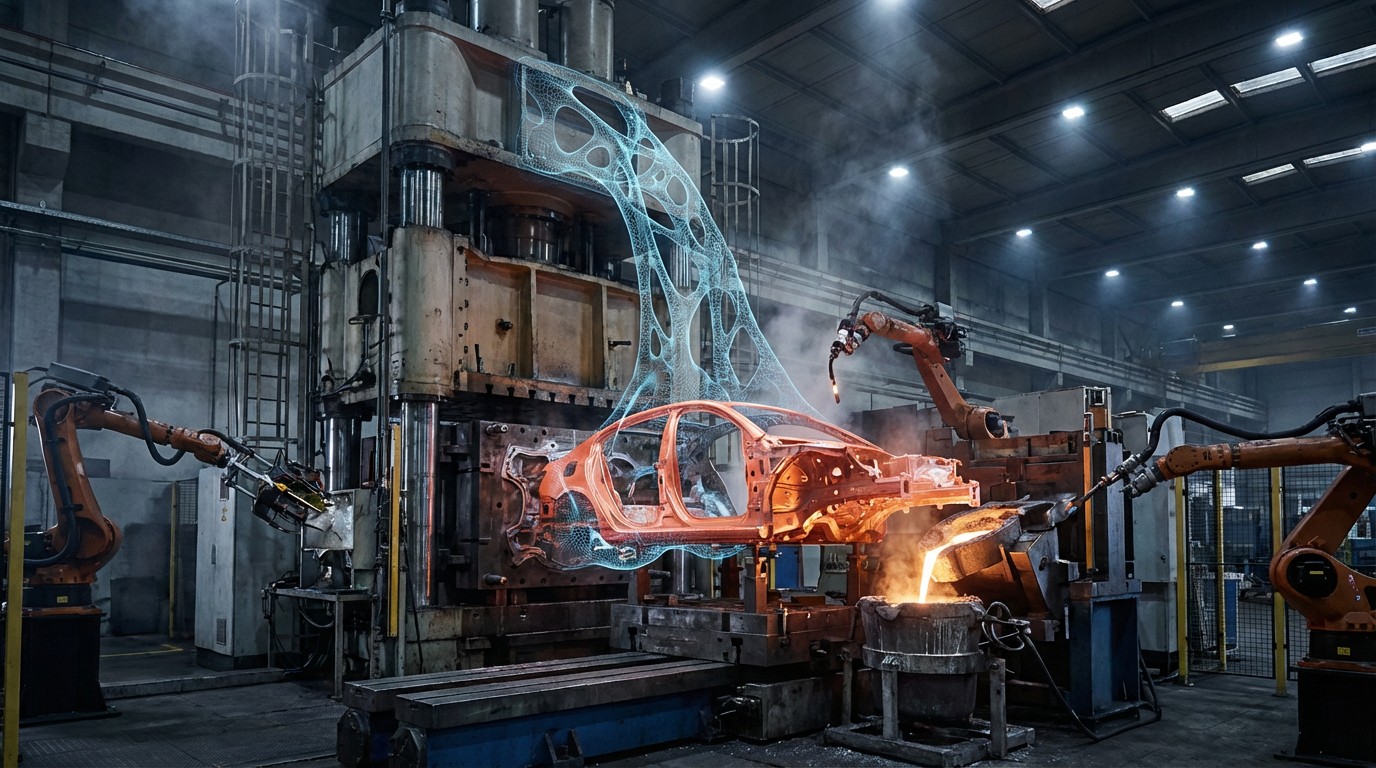
A Single Aluminum Pour Now Replaces 171 Welded Parts. The Engineer Who Designed It Was a Neural Network.
Tesla's Model Y rear underbody: 70 stamped steel parts collapsed into one aluminum casting. Toyota's next-gen platform: 177 parts into three. Meanwhile, GM's generative-AI-designed seatbelt bracket — 40% lighter, 8 parts consolidated to 1, selected from 150 algorithmically generated options — previews a future where the car's engineer and the car's manufacturer are the same piece of software.
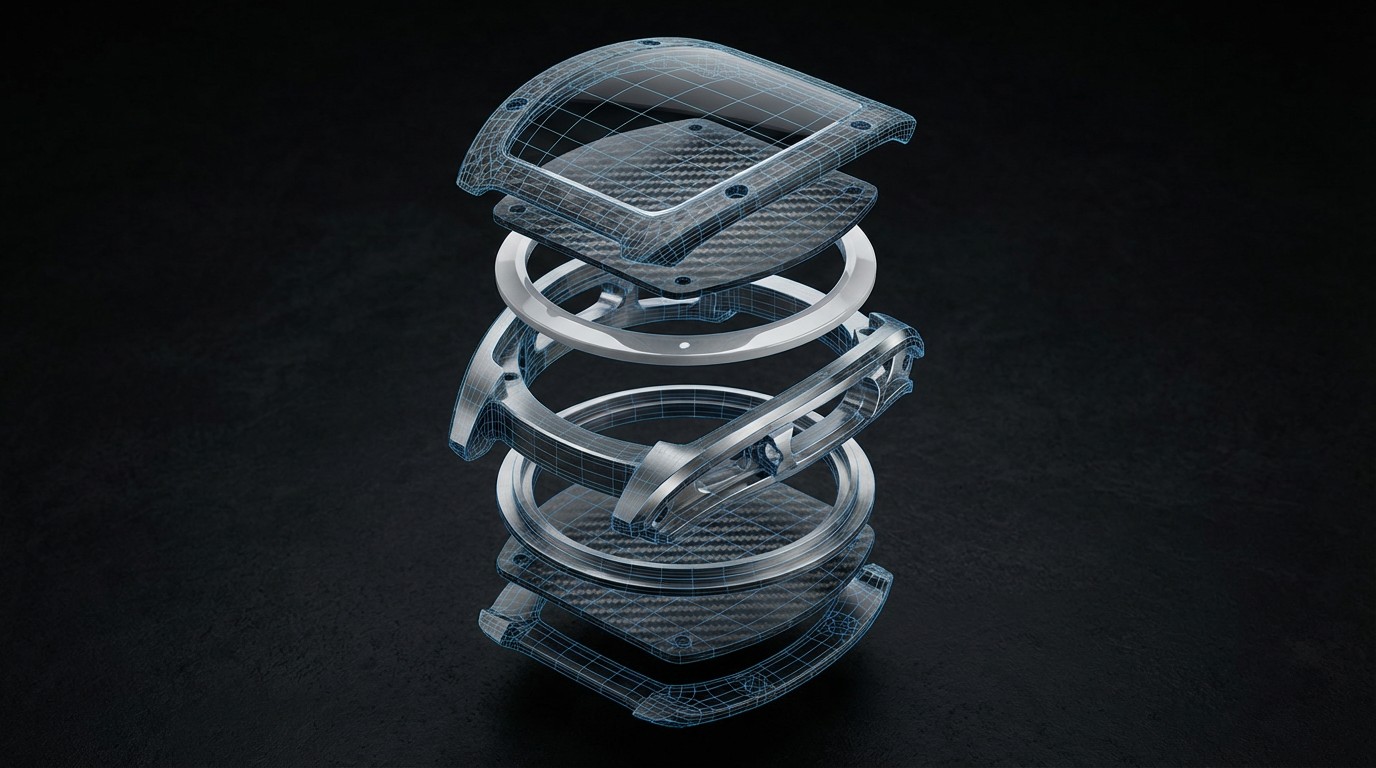
Casio Let an Algorithm Design a G-Shock. The Result Is Stronger Than Any Human Could Draw.
The MTG-B4000 is the first consumer watch with a generative AI-designed frame. It joins a quiet materials arms race where Hublot is sintering gold with ceramic at 2,000°C, TAG Heuer is growing diamonds in a reactor, and Apple is machining Grade 5 titanium at smartphone scale. The watch industry is running a live experiment in computational design that the rest of manufacturing will follow.
107,000 AI-Generated Paragraphs Are Trying to Kill Patent Trolls. Here's Why They Might Actually Work.
AI-generated text isn't copyrightable. Under the right legal reading, that's not a flaw — it's the most useful feature the technology has ever produced. A public-domain flood of machine-written technical disclosures could poison the well that patent trolls drink from.
The First Drug Designed Entirely by AI Just Improved Lung Function in Humans. Here's What That Actually Means.
Insilico Medicine's rentosertib produced a 98.4 mL improvement in lung function over placebo in a Phase 2a trial for idiopathic pulmonary fibrosis. It's a genuine milestone, and a useful test of whether you can tell the difference between a breakthrough and a press release.
Your Allergist Guesses. An Algorithm Knows 7 Days Out.
106 million Americans have allergies. Machine learning models now predict pollen concentrations 7 days ahead with 87% accuracy. Custom nasal sprays combine up to 4 active ingredients based on your symptom profile. AI is finally cracking the most individually variable condition in medicine — but the 30–40% placebo rate means proving it works is harder than building it.
You Have 200 Milliseconds Before AI Feels Wrong. Nobody's Hitting That.
Humans evolved a 200ms conversational turn-taking instinct that holds across every language on Earth. The fastest voice AI responds in 320ms. Traditional pipelines take 2 seconds. The millisecond gap between human expectation and machine capability is why talking to AI still feels like talking to a bad phone connection.

AI Is Training on AI. The Math Says That Ends Badly.
52% of new internet content is now AI-generated. Models trained on their own output degrade irreversibly within 5 generations, losing the tail distributions that represent minority voices and rare knowledge. The internet before November 2022 is a finite resource, and companies are already buying it.
Your Phone Can Map Your Face to 2mm. Why Are You Still Guessing Which Glasses Fit?
Ecommerce returns cost retailers $743 billion in 2023. The #1 reason: the product didn't fit. Your phone's depth sensor can already measure your face with clinical precision. The gap between body scanning and purchase confidence is closing fast, and eyewear is the canary.
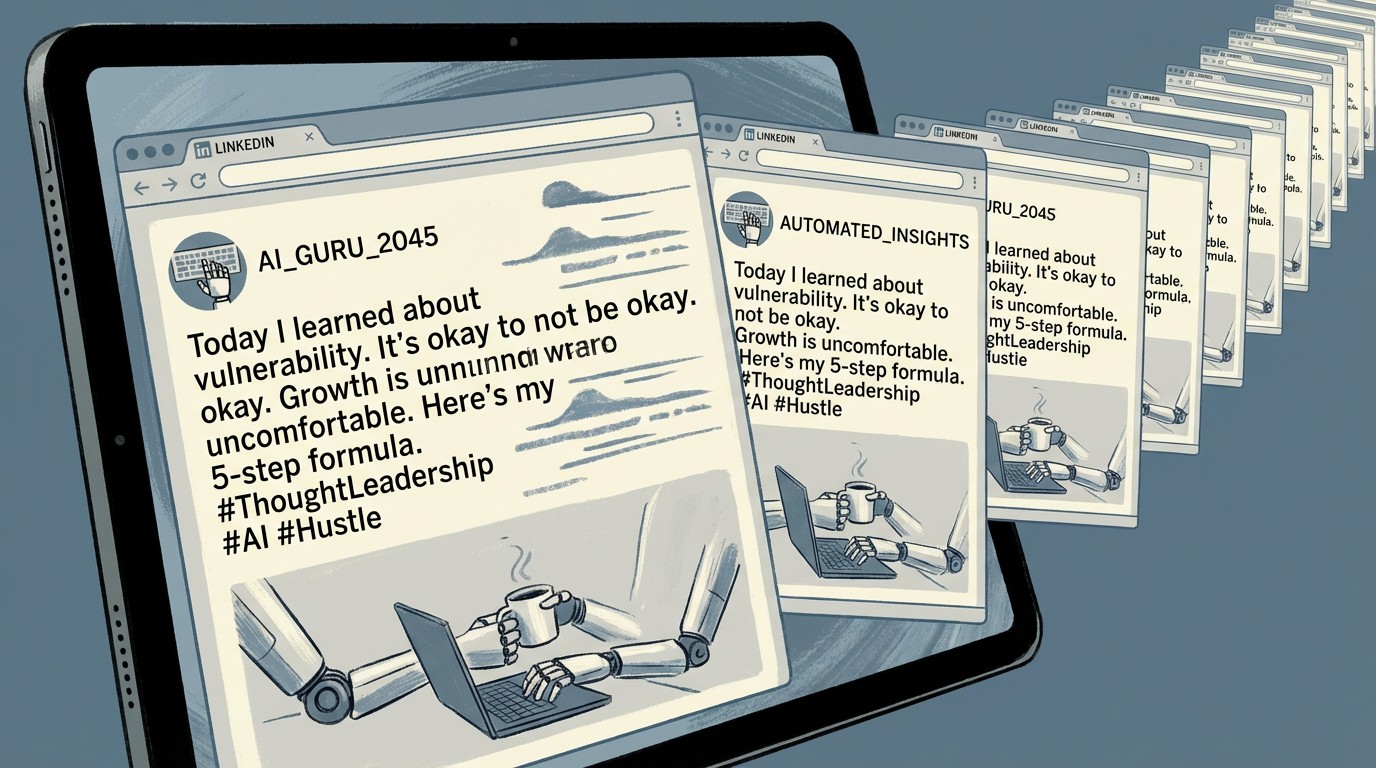
54% of LinkedIn's "Thought Leaders" Are Robots Now. The Other 46% Are Worried.
An analysis of 8,795 LinkedIn posts found more than half of long-form content is likely AI-generated. Those posts get 45% less engagement. LinkedIn just crossed $5 billion in quarterly revenue. The platform has no financial reason to fix this.
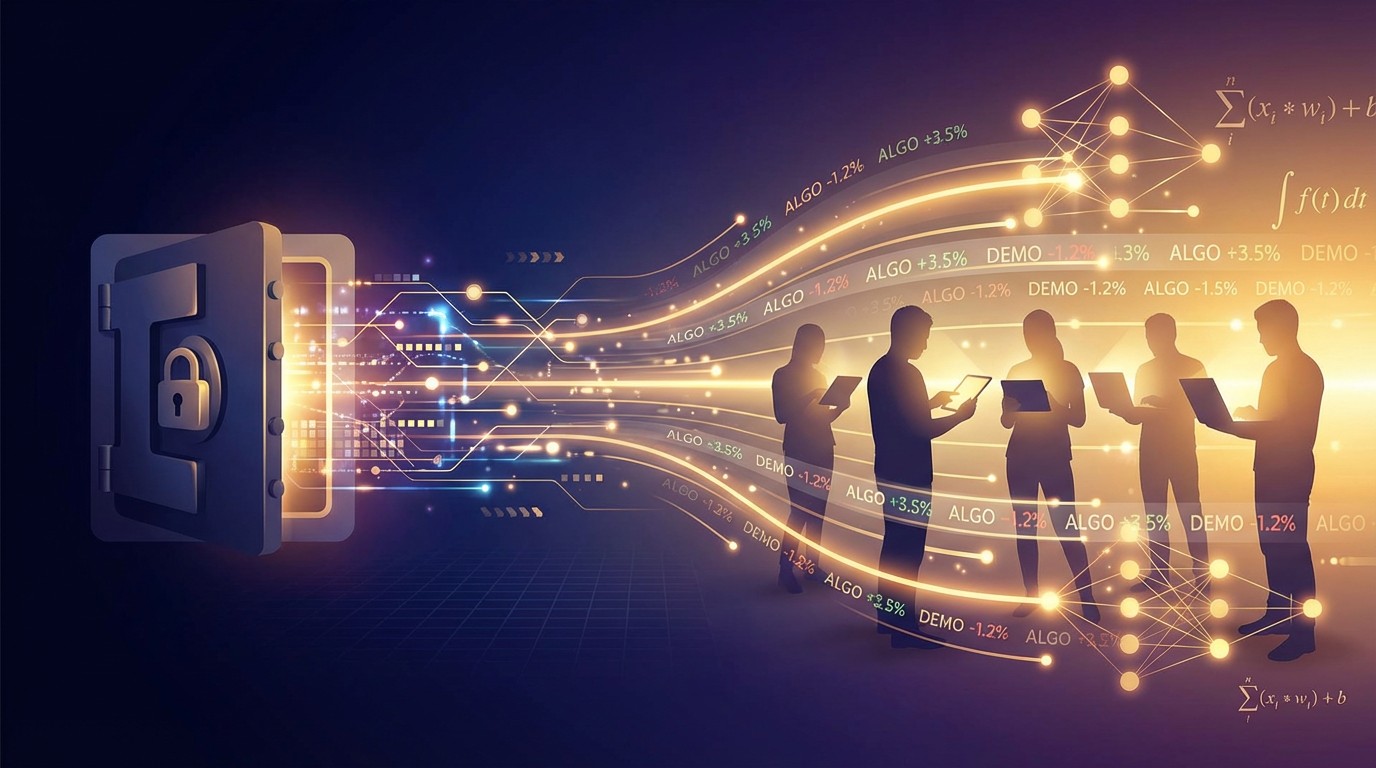
Five People, $14.3 Billion, and the Algorithm That Replaced the Hedge Fund
Quantinno Capital manages 2,539 individualized long-short portfolios with five employees. AQR's research says markets are getting less efficient, not more. The quant strategies that once required a $10 million hedge fund allocation now run on infrastructure that costs less per account than a Netflix subscription to operate.
The Sales Funnel Was Invented in 1898. TikTok Shop Killed It in 30 Seconds.
TikTok collapses a four-stage purchase journey to one click. Shopify wants AI agents to buy things without humans entering the funnel at all. Amazon is replacing search with conversation. The 128-year-old marketing model isn't dying. It's splitting into two things that don't look like each other.
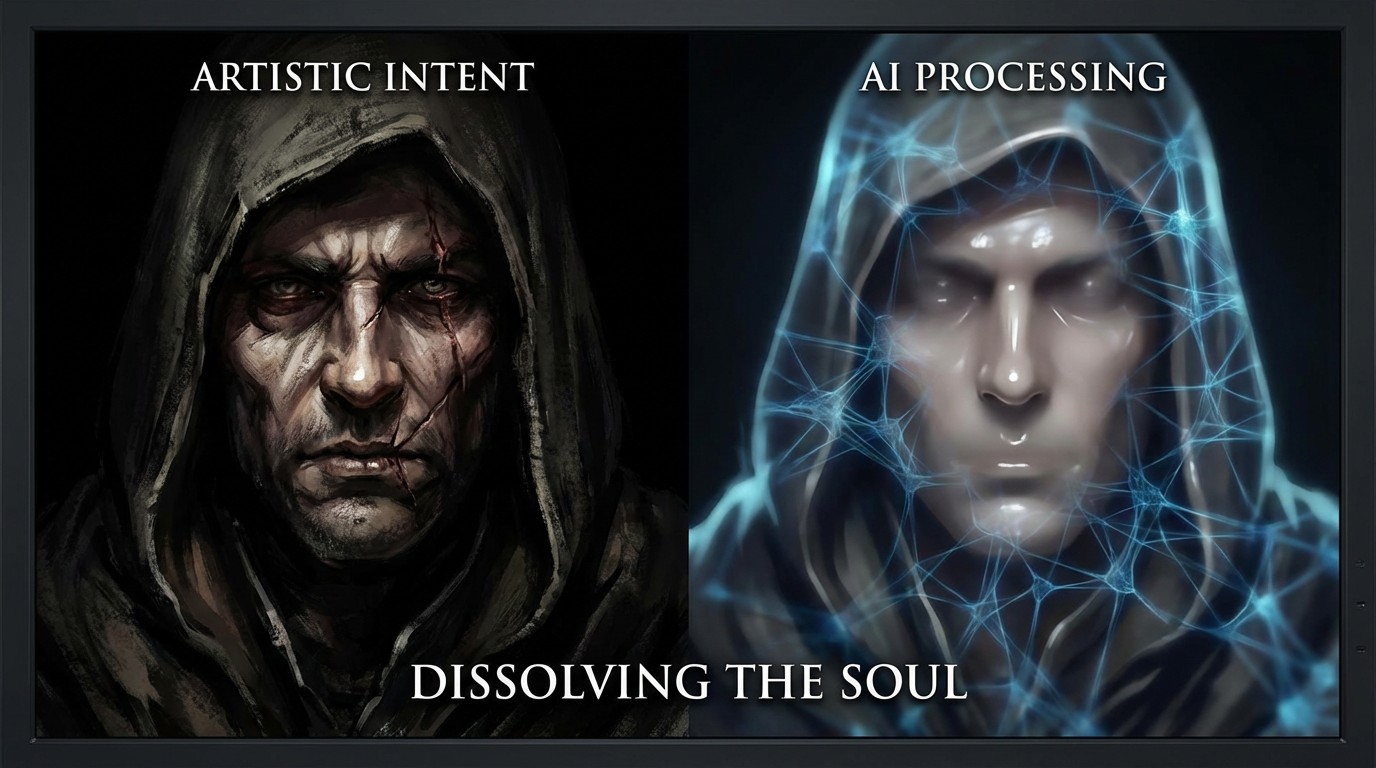
Nvidia Spent Three Years Teaching AI to Override Artists. Gamers Took 16 Hours to Say No.
DLSS 5 is Nvidia's first "neural rendering model" — a generative AI system that replaces game lighting, materials, and character rendering in real-time. It requires two RTX 5090s ($4,000). The gaming community's response was immediate, unified, and devastating. Game developers are publicly revolting against their own publishers.
The Cultivated Meat Industry Burned $3 Billion and Produced Almost Nothing. The Survivors Spent $9 Million.
Investment collapsed 93%. Believer Meats had full FDA approval, a 200,000-square-foot factory, $390M raised — and produced zero commercial kilograms. Clever Carnivore raised $9M and hit $0.07/liter media cost. The math was always there. The money wasn't listening.
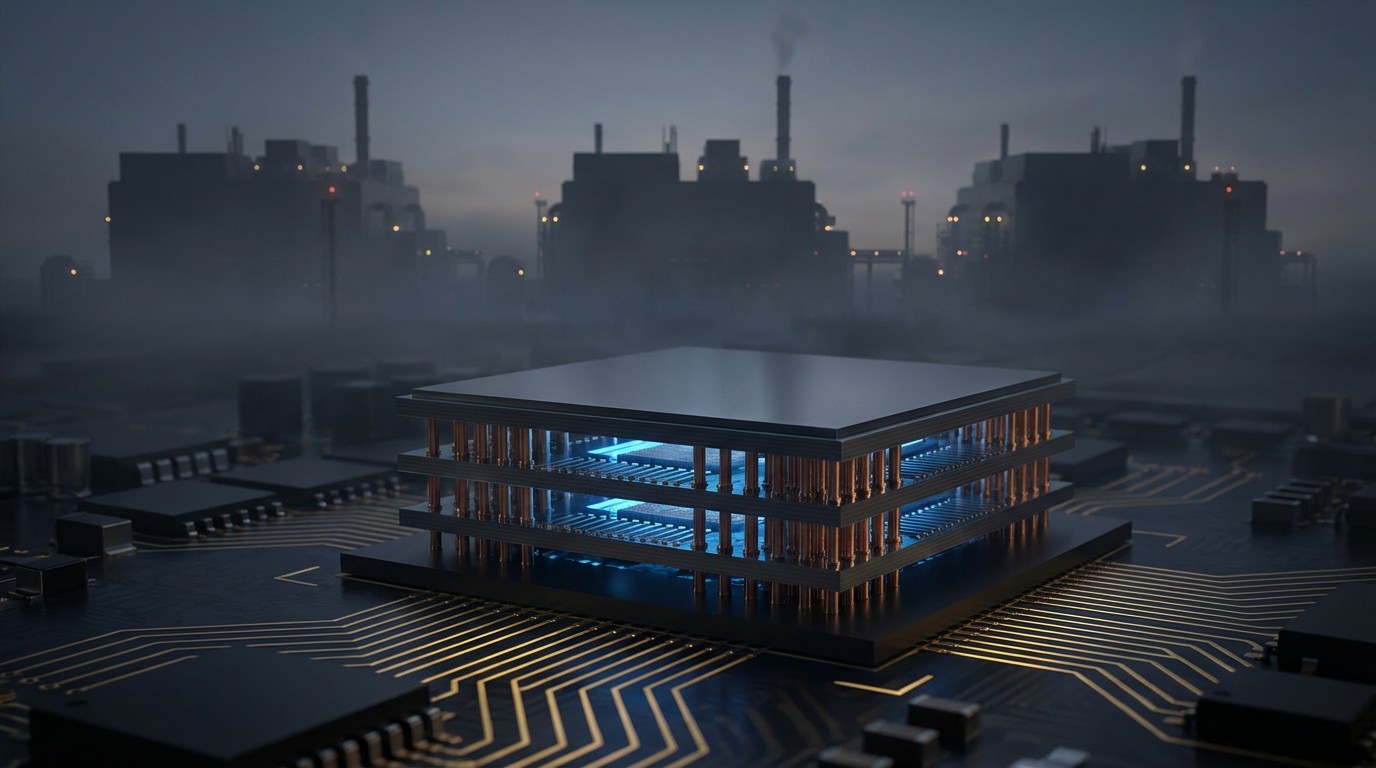
Three Companies Control the Memory That AI Needs. They Can't Make Enough.
SK Hynix, Samsung, and Micron manufacture every byte of High Bandwidth Memory that AI accelerators require. Each NVIDIA B200 GPU needs $4,800 in memory alone. Consumer GPUs, PCs, and smartphones are paying the price.
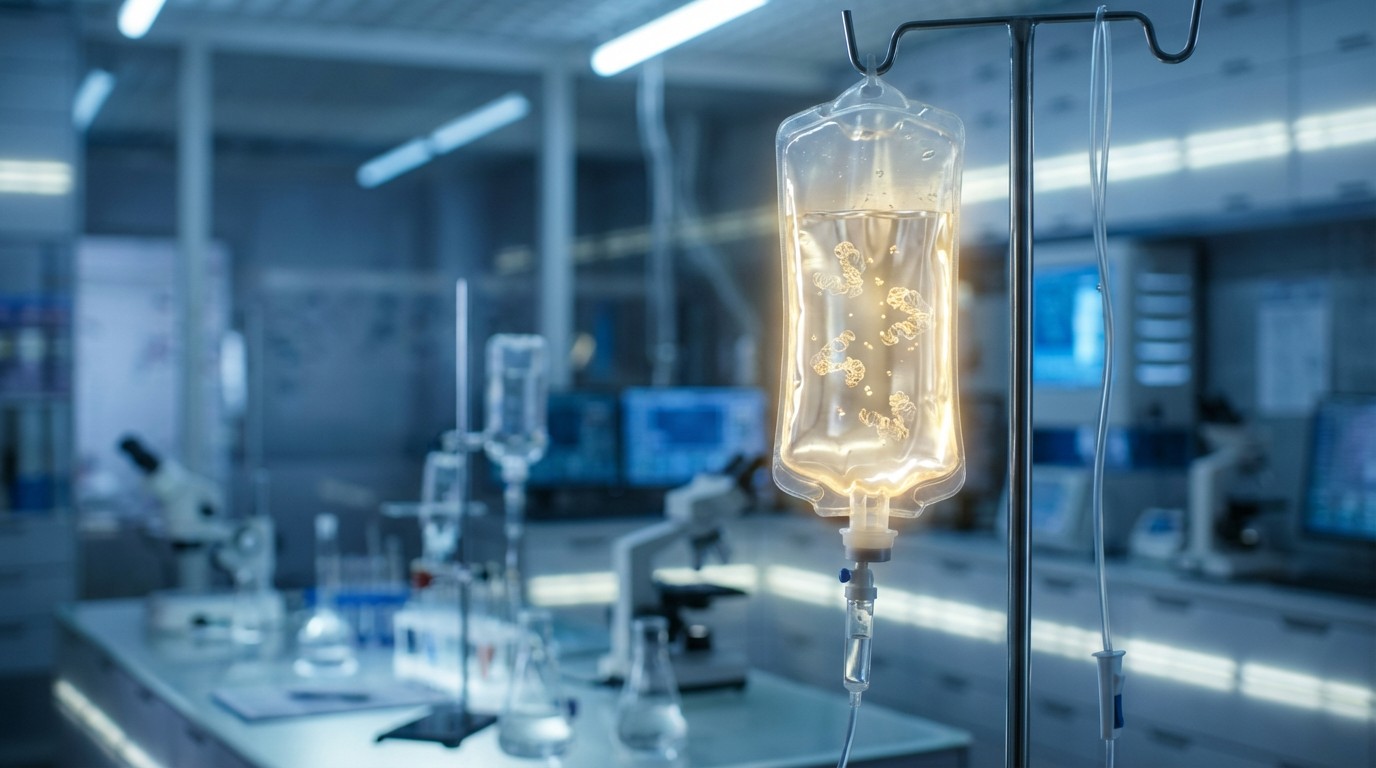
A Single IV Drip Cuts Cholesterol by 55%. The Pill Industry Should Be Terrified.
Verve Therapeutics' CRISPR base editor permanently reduced LDL cholesterol in 67 patients with one infusion. Eli Lilly paid $1.3 billion for the company. A one-time cure at $165,000 is cheaper than 12 years of pills.

In 1984, a Researcher Proved One-on-One Tutoring Could Double Learning. Forty Years Later, an AI Did It for $4 a Month.
Bloom's 2-sigma problem showed that private tutoring moves the average student to the 98th percentile. A Harvard RCT found an AI tutor gets 37–65% of the way there at 136 times lower cost. Three failures still block deployment.
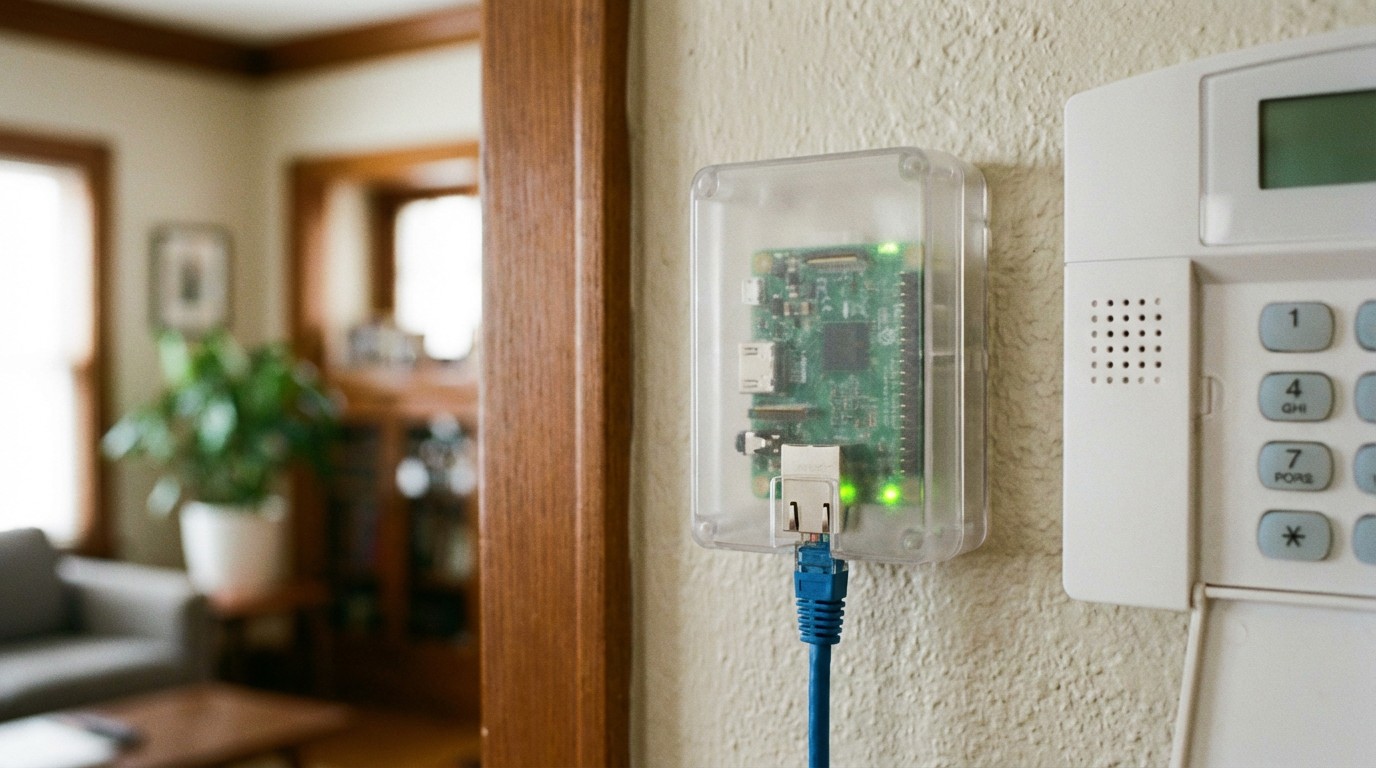
We Built a $28 Device That Listens for Alarm Sirens Over Ethernet. Here's the Complete Build Guide.
Every home in our neighborhood has different alarm panels. Instead of hacking 30 proprietary systems, we plugged a microphone into the PoE network and taught it to recognize sirens. Total deployment: $900.

Saudi Arabia Spent $50 Billion on a City in the Desert. This Is What It Built.
NEOM has burned through $50 billion and revised its total cost from $500 billion to $8.8 trillion. Its flagship project is 1.4% complete and suspended. The contract-to-construction conversion rate tells the rest of the story.

Ukraine Has 5 Million Drones and the World's Only Real Combat AI Dataset. Now It's Selling Access.
On March 13, 2026, Ukraine opened the world's first battlefield AI training data marketplace. Five million combat drones generated the only real-world high-intensity warfare dataset on earth. No simulation. No synthetic data. Allied governments can now buy access to millions of annotated combat frames.
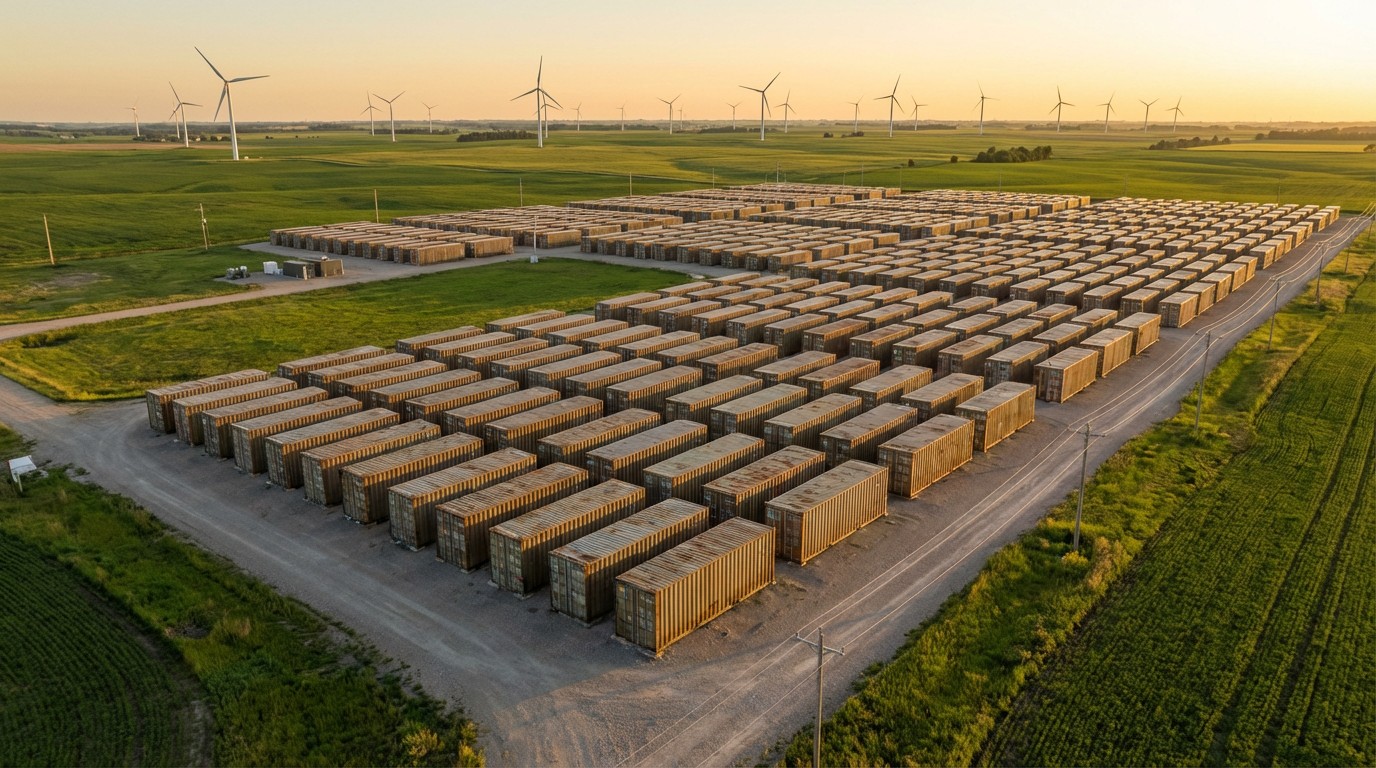
Google Just Bought the World's Largest Battery. It Runs on Rust.
Google committed $1 billion to deploy 30 GWh of iron-air storage in Minnesota. It charges with curtailed wind. It discharges by rusting. And it costs one-quarter what lithium-ion would for the same duration.
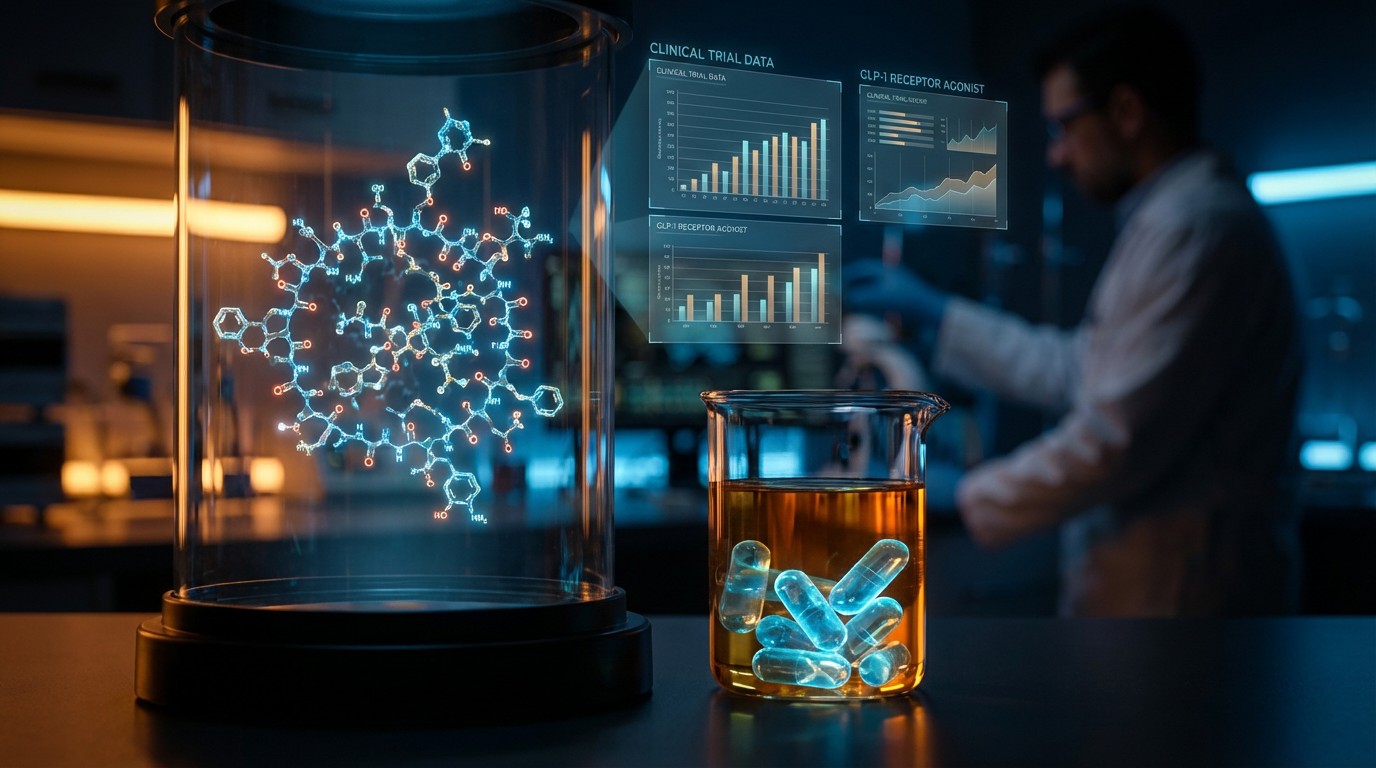
A Diabetes Drug Cut Heart Attacks by 20% in a Landmark Trial. Then Observational Data Started Suggesting Something Stranger.
At some point, the word "coincidence" stops being adequate. GLP-1 drugs now show benefit across heart disease, cancer, dementia, kidney failure, liver disease, and addiction. Whether that pattern reflects a revolution in aging medicine or the largest healthy-user bias in pharmaceutical history depends on trials now enrolling.
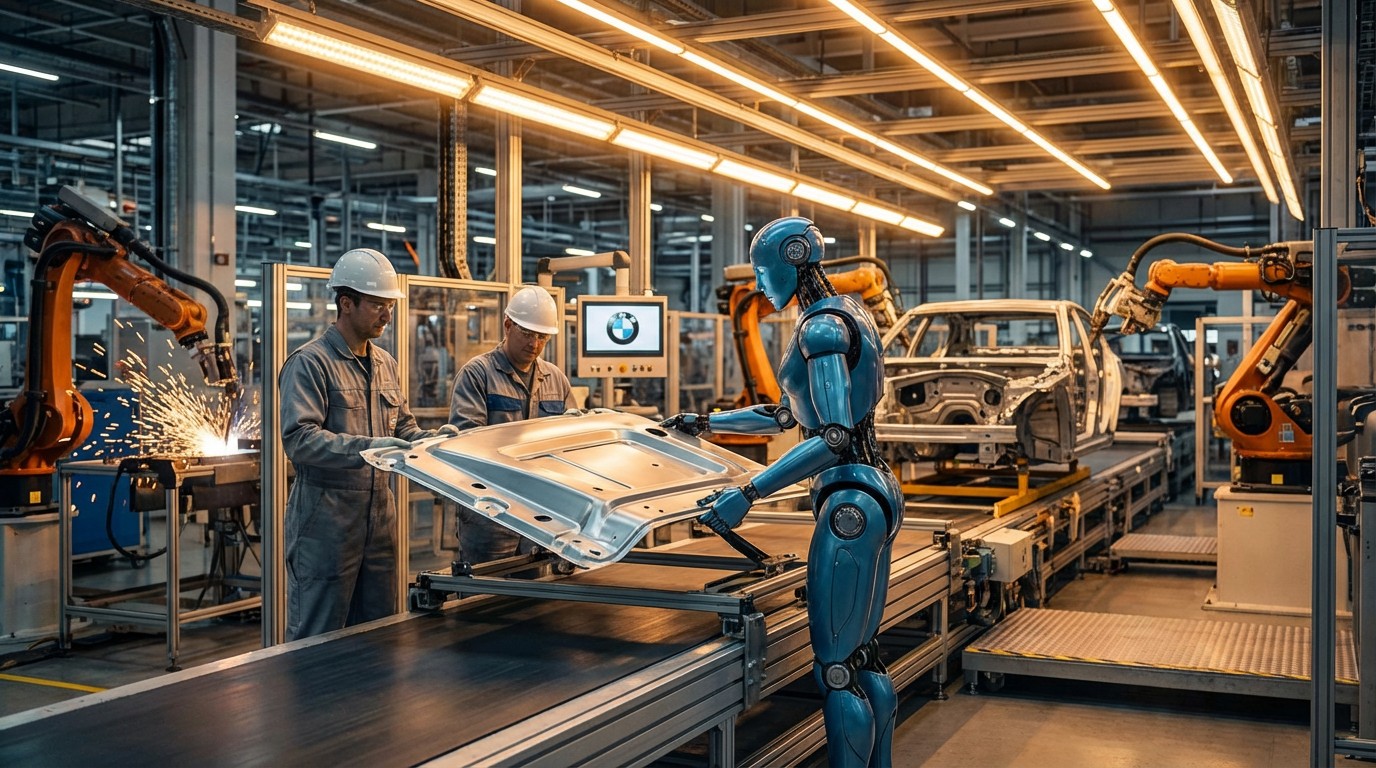
Two Robots Helped Build 30,000 BMWs. The Humanoid Math Still Doesn't Add Up.
Figure 02 robots completed an 11-month BMW pilot with >99% accuracy on one task. The economics look unbeatable — until you check what "one task" actually means for a factory floor.
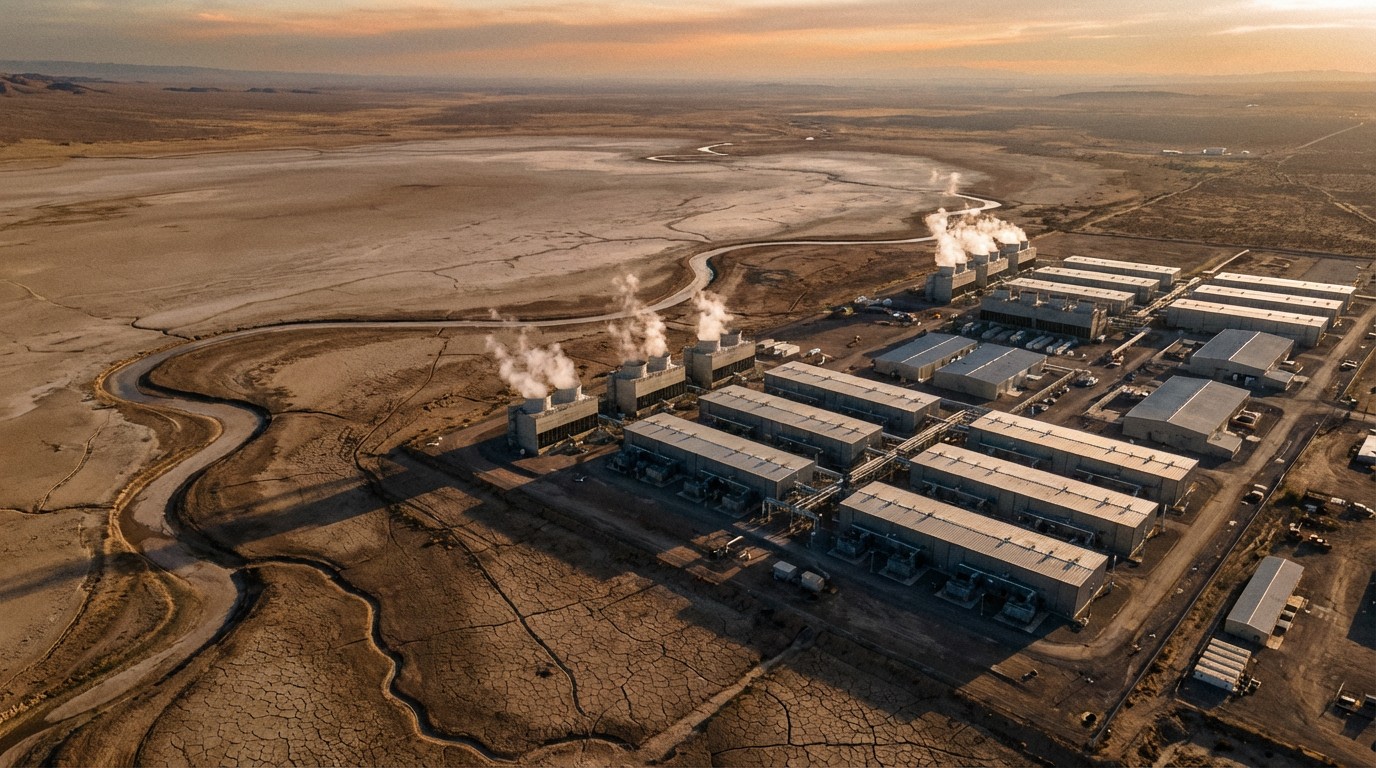
Every AI Image You Generate Drinks a Shot Glass of Water. Globally, That's 312 to 764 Billion Liters.
A December 2025 paper quantified what tech companies won't: the full water cost of AI, including the power plants. Google reports Scope 2 carbon from those same plants. It refuses to report their water.
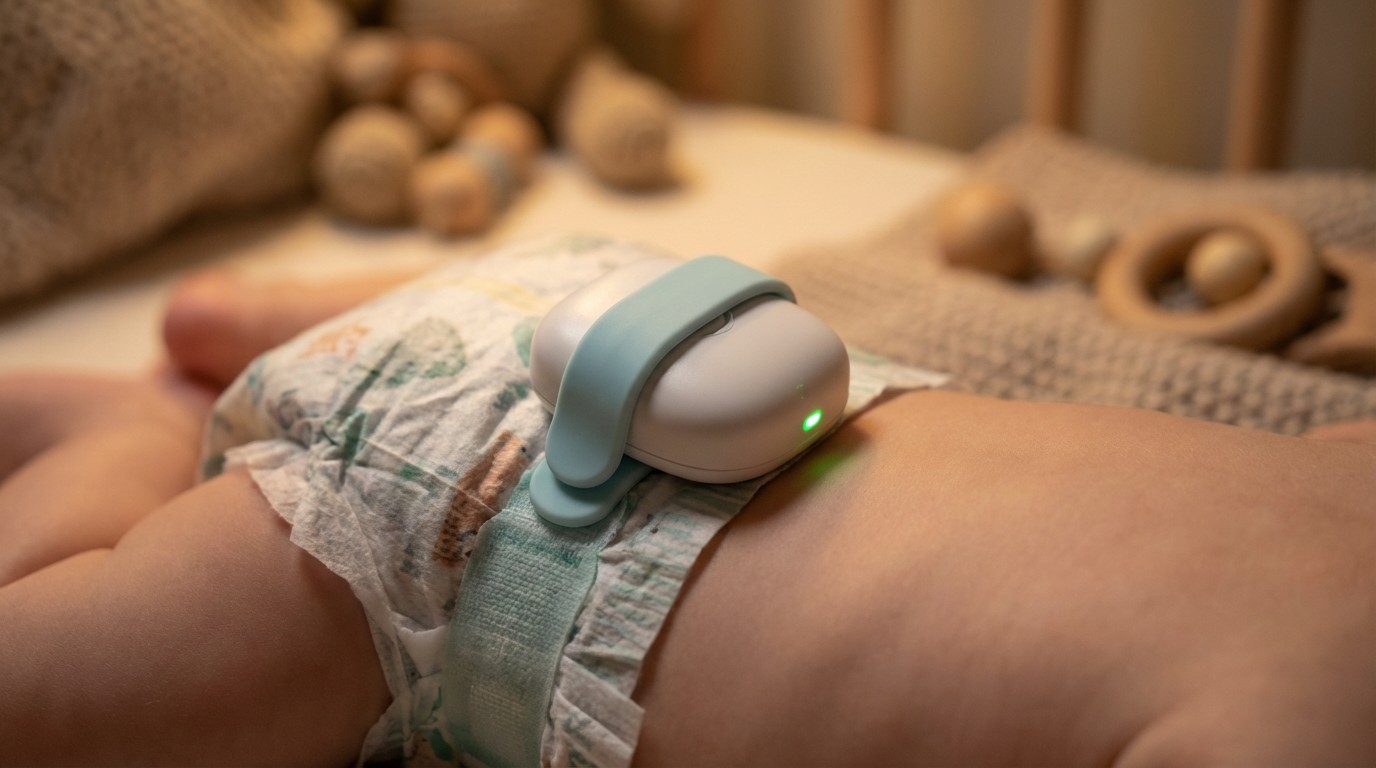
I Lost My Sense of Smell to COVID. So I Built a $35 Sensor That Detects What My Nose Can't.
5.6% of COVID patients never fully recover their sense of smell. That's nearly 3 million Americans. For parents of infants, that statistic becomes a daily problem with a simple hardware fix.
More articles load as you scroll.