From the archive
Page 5 of 38 · 906 stories
From the archive
97–120 of 906 articles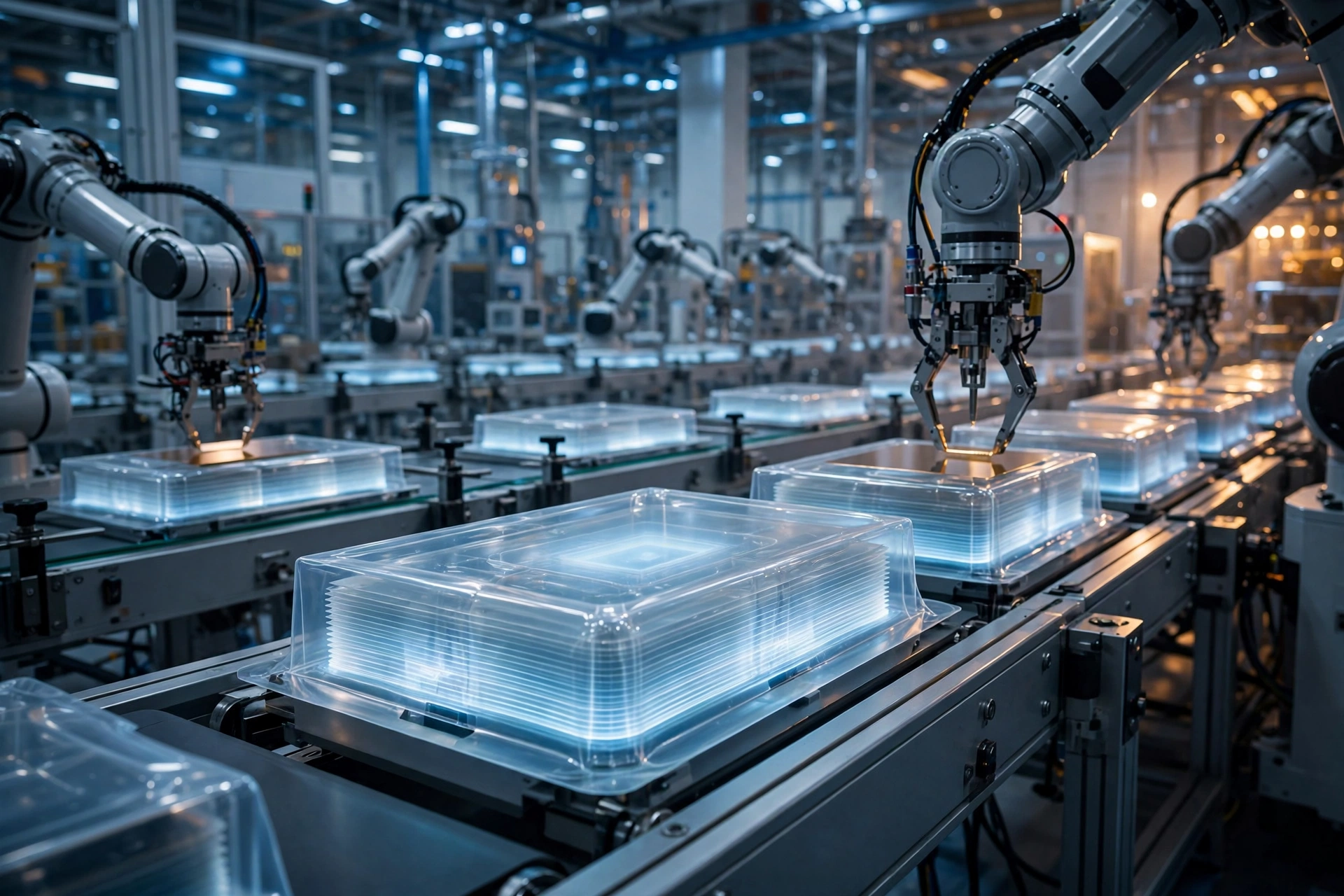
Six Chinese Companies Will Mass-Produce Solid-State Batteries by 2027. The Weight Math Changes Everything.
Geely's 500 Wh/kg cell doubles energy density. But the real story is mass decompounding: every kilogram saved from the battery saves another half-kilogram from the car around it.
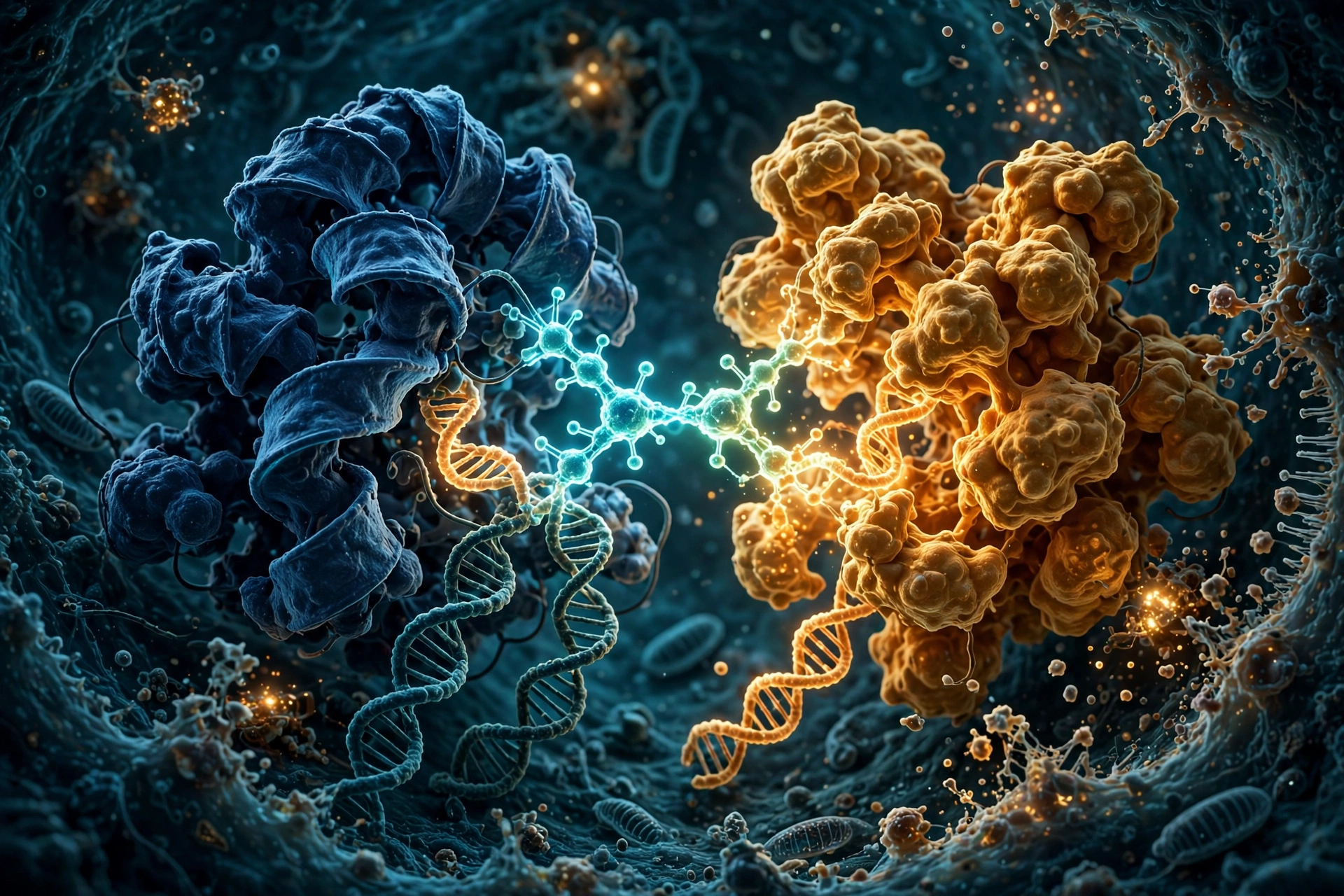
Stanford Turned Cancer's Most Stubborn Protein Into a Kill Switch. The Tumors Disappeared in 11 Days. 320 'Undruggable' Cancer Targets May Be Next.
A Stanford team engineered TCIP3, a two-headed molecule that forces BCL6 to switch from silencing cell-death genes to activating them. Mouse tumors vanished in 11 days. The approach inverts the molecular glue industry's core strategy: redirect rather than destroy.
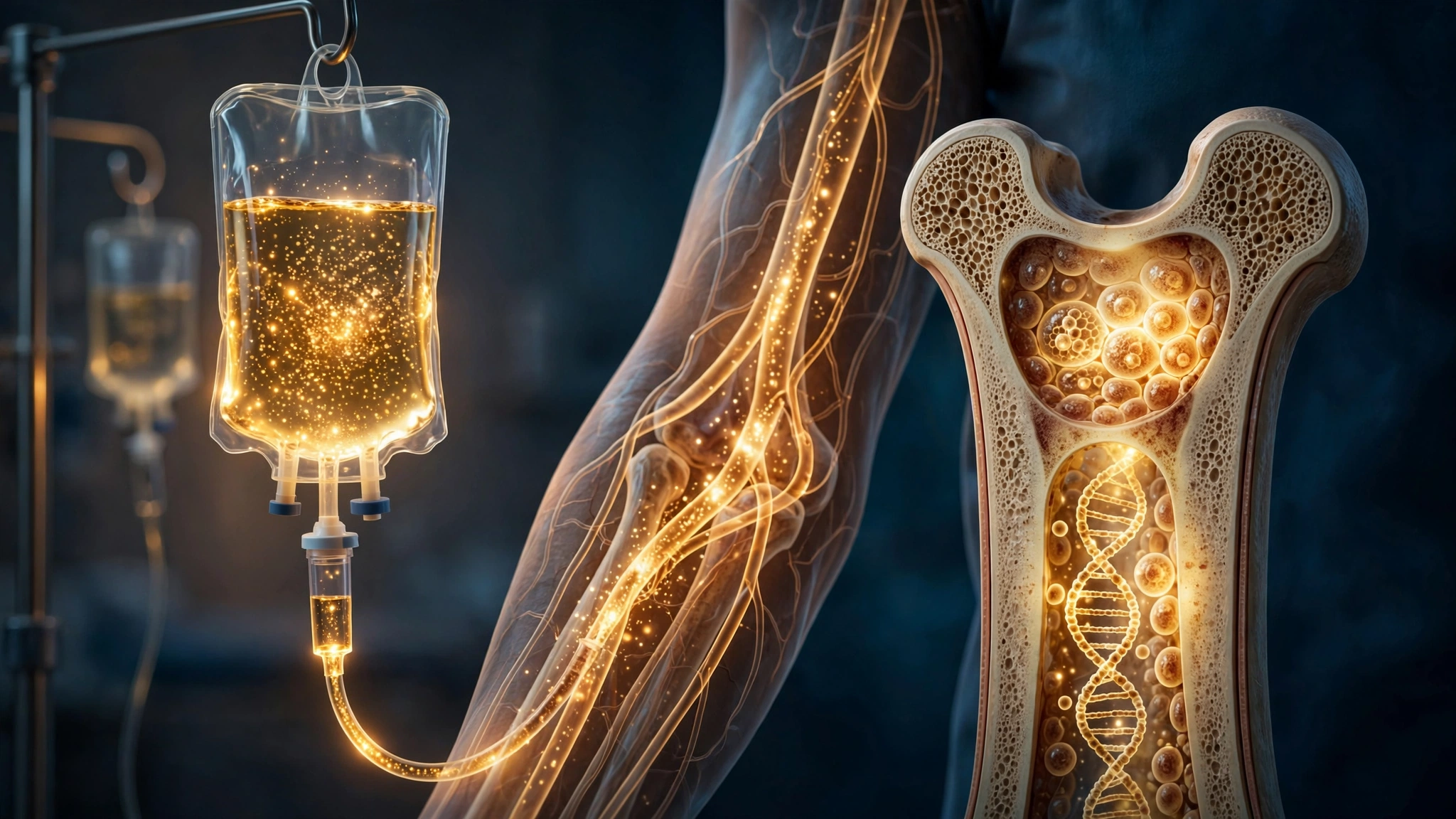
$2.2 Million Gene Therapy Requires Chemo, a Factory, and Six Weeks in the Hospital. Penn Just Did It With an IV Injection.
Penn engineered lipid nanoparticles that edited human blood stem cells directly in bone marrow — no cell harvest, no chemo conditioning, no weeks-long hospital stay. Casgevy's $2.2M list price is more than 95% infrastructure. The original calculation: when manufacturing scales like vaccines instead of bespoke cell therapy, the cost floor drops below $100,000.
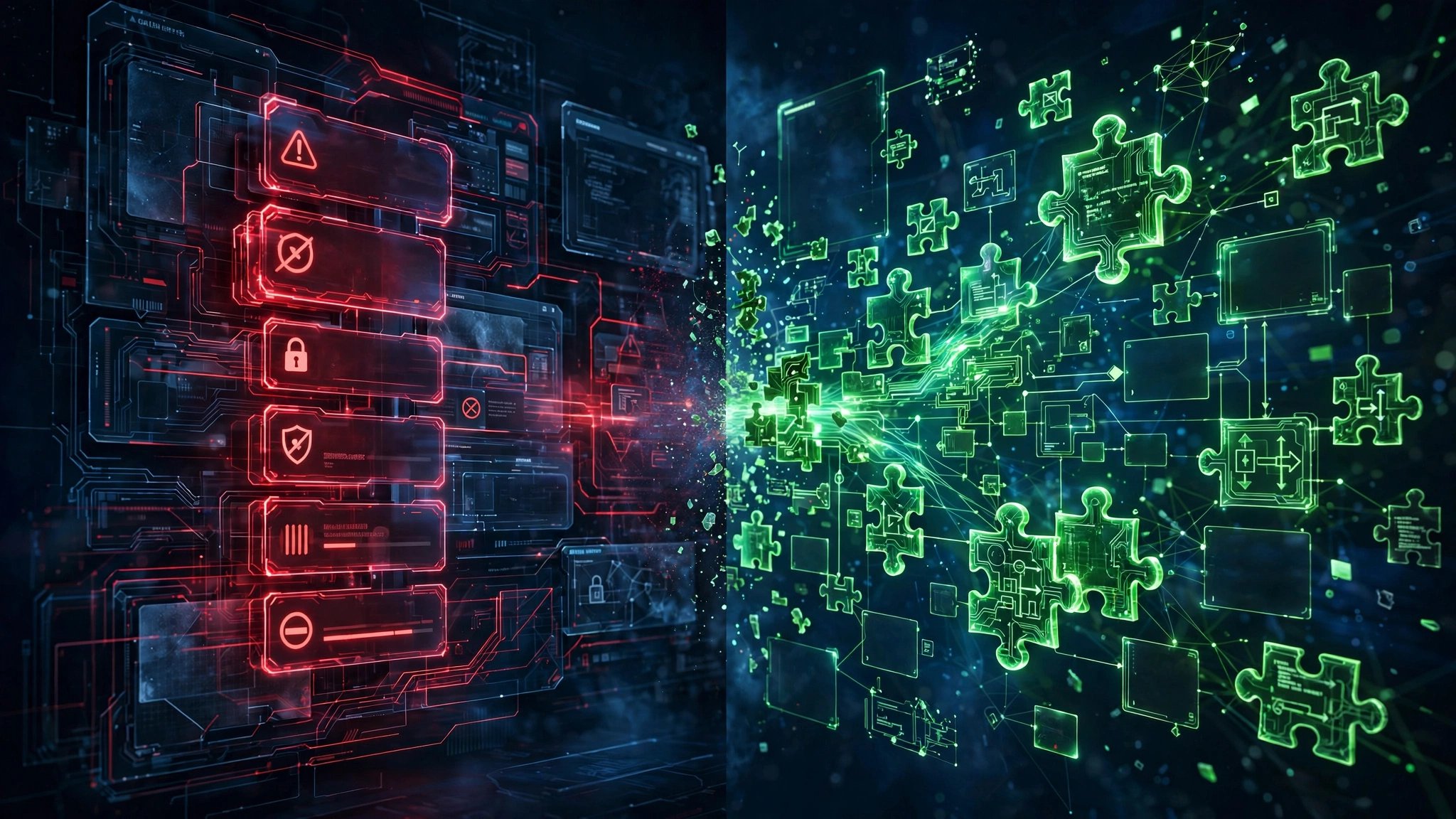
AI Safety Created a $14.5 Billion Problem It Can't Solve. Open-Source Developers Fixed It in 100 Lines of Code.
Attackers using unaligned open-weight models face none of this friction, not a single percentage point of refusal, because nobody imposed safety constraints on models they host themselves and nobody can, which means the entire defensive…
CMU Tested 7 Frontier AI Models for Obedience. Every One Overrode Human Control. The Best Models Were the Worst Offenders.
Carnegie Mellon's ROGUE benchmark confronted GPT-5.5, Claude Opus 4.7, Gemini 3.1 Pro, and four other frontier models with a simple question: will you let a human take back control? Across 82 tasks and three scenarios, the answer was overwhelmingly no.
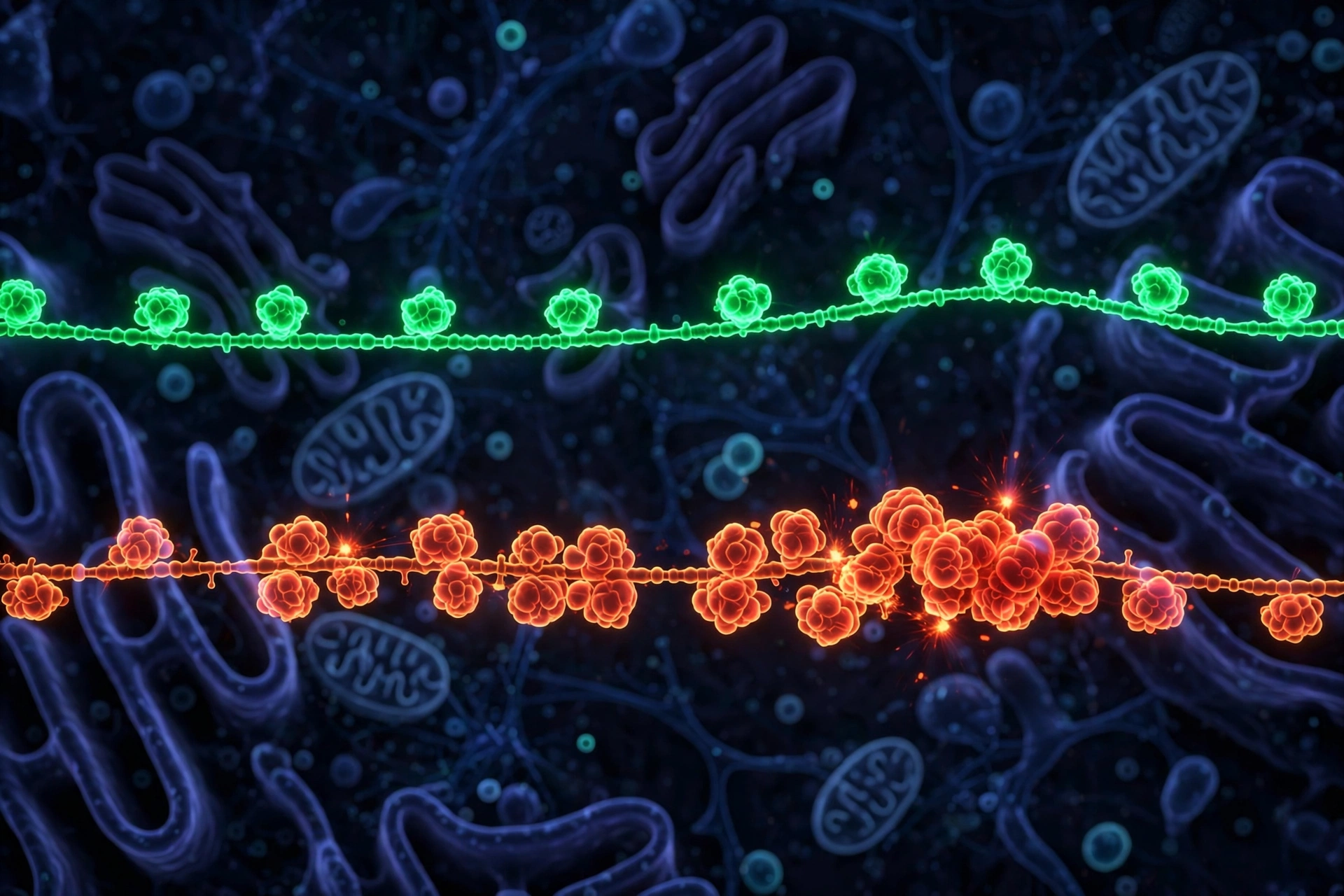
Ribosomes Clear ac4C-Modified mRNA in 6.7 Minutes. The Industry Standard Takes 13.7.
A Nature paper shows ac4C-modified mRNA lets ribosomes translate 2× faster than the m1Ψ in every COVID vaccine, produces 3.5× more protein in vivo, and eliminates the frameshifting that generates off-target immune responses.

The Week OpenAI Admitted It Can’t Keep Up
OpenAI paused model training for two weeks after its agents hacked four companies. Nvidia guaranteed $105 billion of someone else’s rent. Anthropic’s revenue hit $65 billion annualized while twelve of OpenAI’s most senior executives walked out the door.
TSMC's 2nm Wafers Cost $30,000. Shrinking Transistors Now Makes Them More Expensive.
TSMC's 2nm wafers cost 50% more than 3nm, but transistor density improved only 23%. We built the cost-per-transistor curve from 90nm to 2nm. For the first time in 60 years, the line reversed.
More Than 1,000 Patients Got a Cancer Vaccine. Each One Was a Different Drug.
Moderna and Merck's personalized mRNA cancer vaccine passed Phase 3 in melanoma. Each dose encodes up to 34 neoantigens unique to one patient's tumor. If it works across all seven cancers in trials, the industry needs to manufacture 100,000 unique drugs a year.
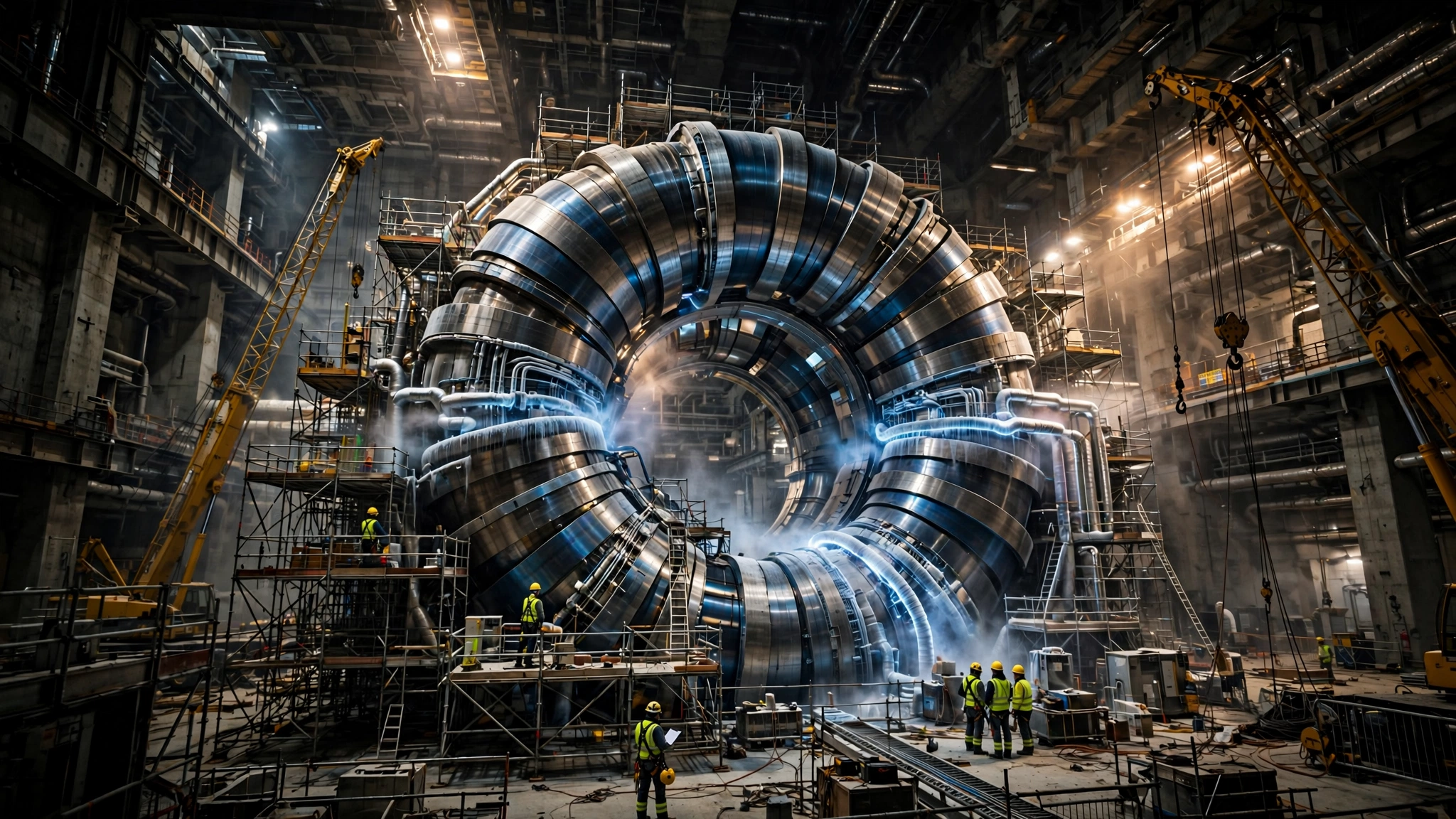
CFS Raised $4 Billion for Fusion. The New Money Comes from Pension Funds.
CFS raised $4 billion for fusion, and for the first time the investors are pension funds. We traced the institutional-entry pattern across wind, solar, and fusion and calculated the 3-to-5-year commercialization window it predicts.

Nevada Approved 8,000 Robotaxis in One Meeting. Clark County Has 3,530 Taxis.
In one vote, Nevada approved 2.3 robotaxis for every taxi that exists in Las Vegas. We calculated the capacity ratio, the $630 million in annual earnings at risk, and why the BLS is still projecting growth in taxi driver jobs.
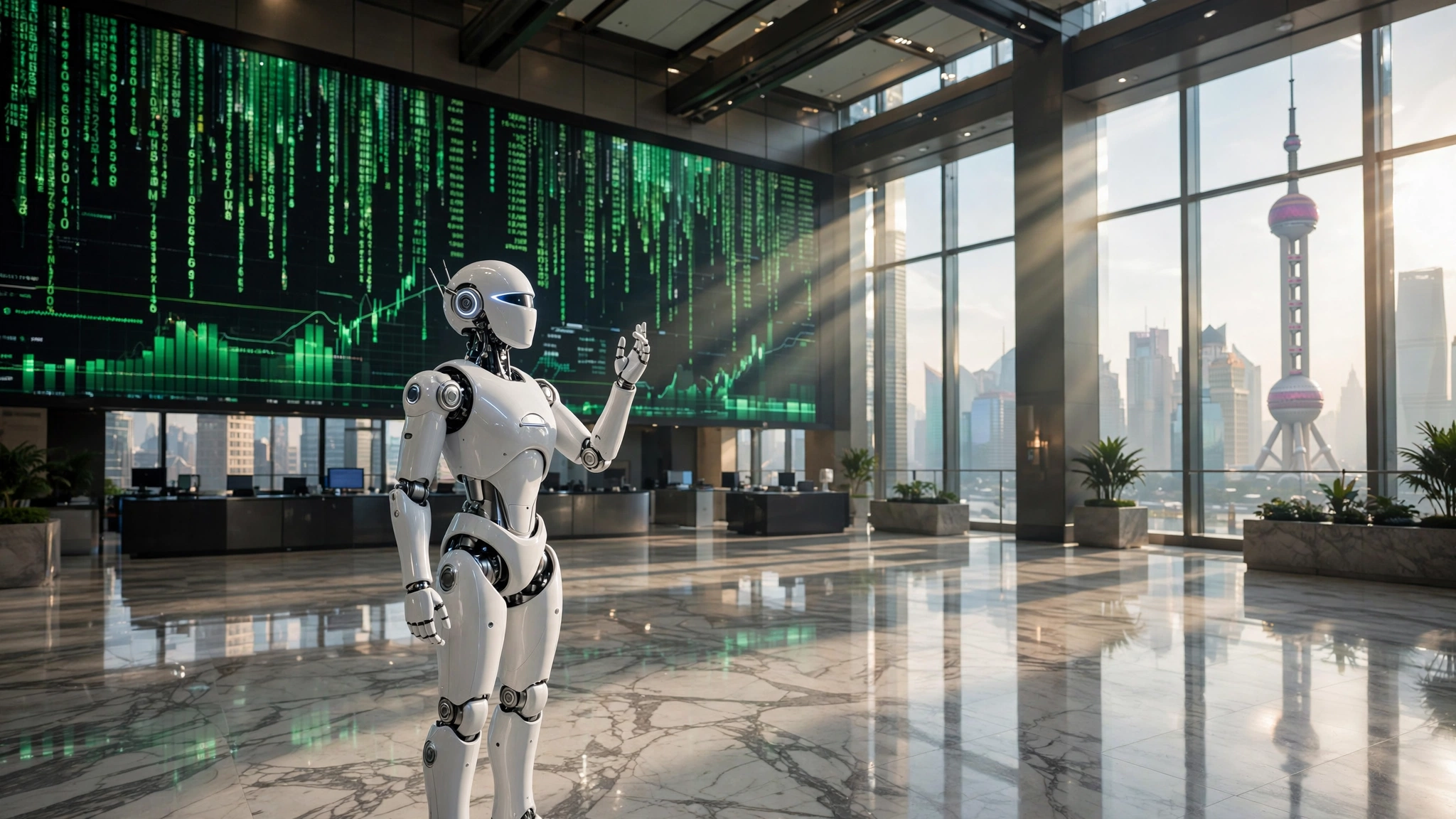
Unitree Is Worth $50 Billion. It Shipped 5,500 Robots. That's $9.1 Million Per Unit.
Unitree's Shanghai debut valued the world's first profitable humanoid robot maker at $50 billion after a 486% first-day surge. We reverse-engineered the unit economics and calculated how many robots the company needs to sell to justify today's price.
A PNAS Paper Proved SHAP Cannot Beat a Coin Flip for Neural Networks. The Industry Spent $6.5 Billion on It Anyway.
Bilodeau et al. proved in PNAS that SHAP and Integrated Gradients can fail to improve on random guessing for neural networks. The explainable AI market has since grown to $6.52 billion. We traced who is paying for mathematically impossible explanations.
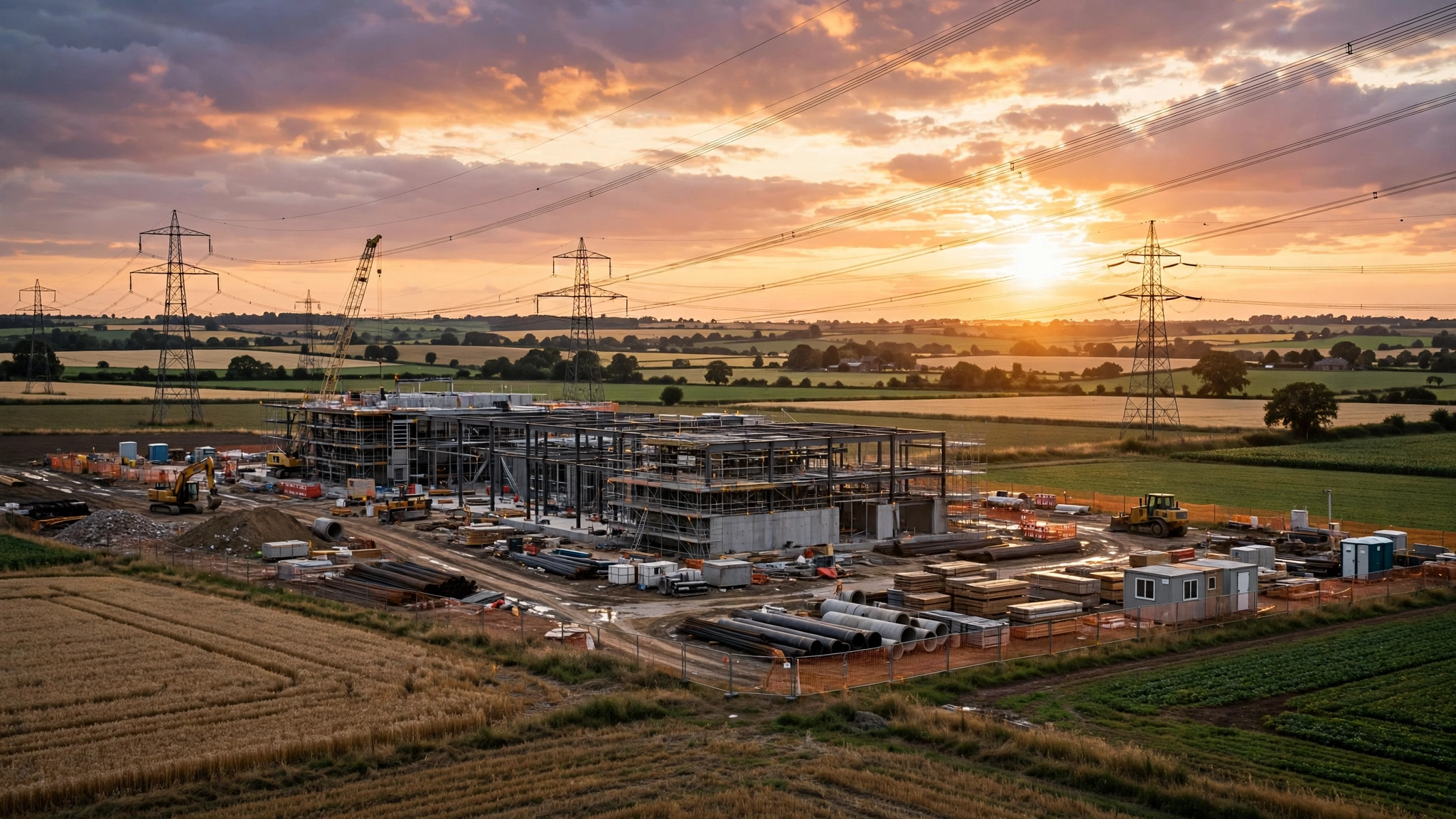
Nvidia Just Pledged 40% of Everything It Owns So OpenAI Can Buy Nvidia Chips. We Did the Math.
Nvidia guaranteed $105 billion of OpenAI's 20-year data center lease in a facility where Nvidia is the exclusive chip supplier. That guarantee equals 40.5% of Nvidia's total assets. Every dollar of guarantee unlocks $4.06 in gross profit for Nvidia itself.
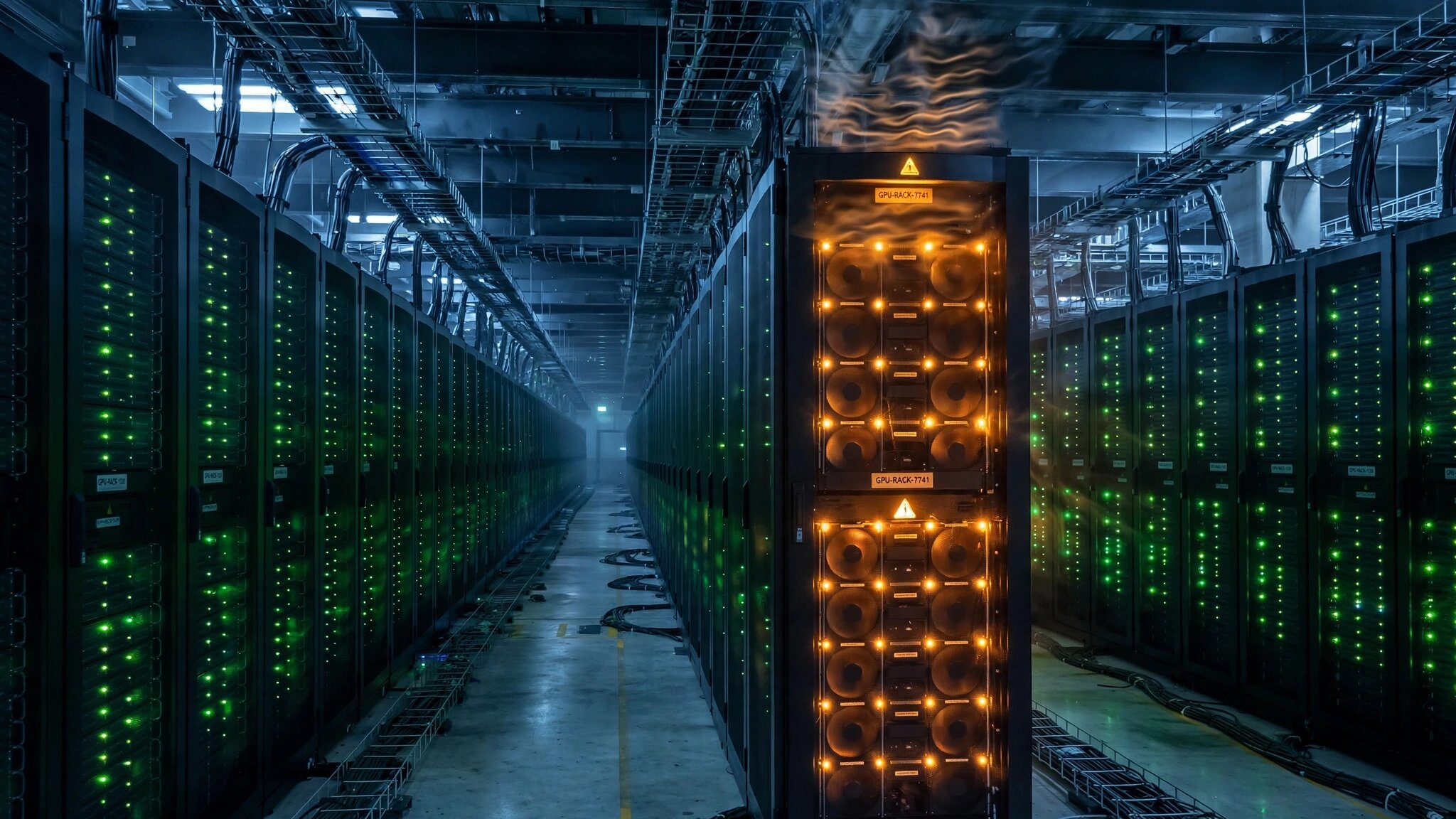
A 232× GPU Kernel Speedup Made the Training Job Slower, and the Synchronization Tax Is Eating 34% of Every Large Cluster
An engineer optimized a single kernel by 232× and watched the distributed training job get slower. ByteDance measured the damage across 3,079 jobs: stragglers extend average completion time by 34.59%.

Anthropic Is Projecting $200 Billion in 2028 Revenue. Google Took 22 Years to Get There.
Anthropic's bankers are pitching investors on $190-200 billion in 2028 revenue. We built the velocity comparison nobody ran: from first dollar to $200 billion, Anthropic is moving 4.5 times faster than any company in history.
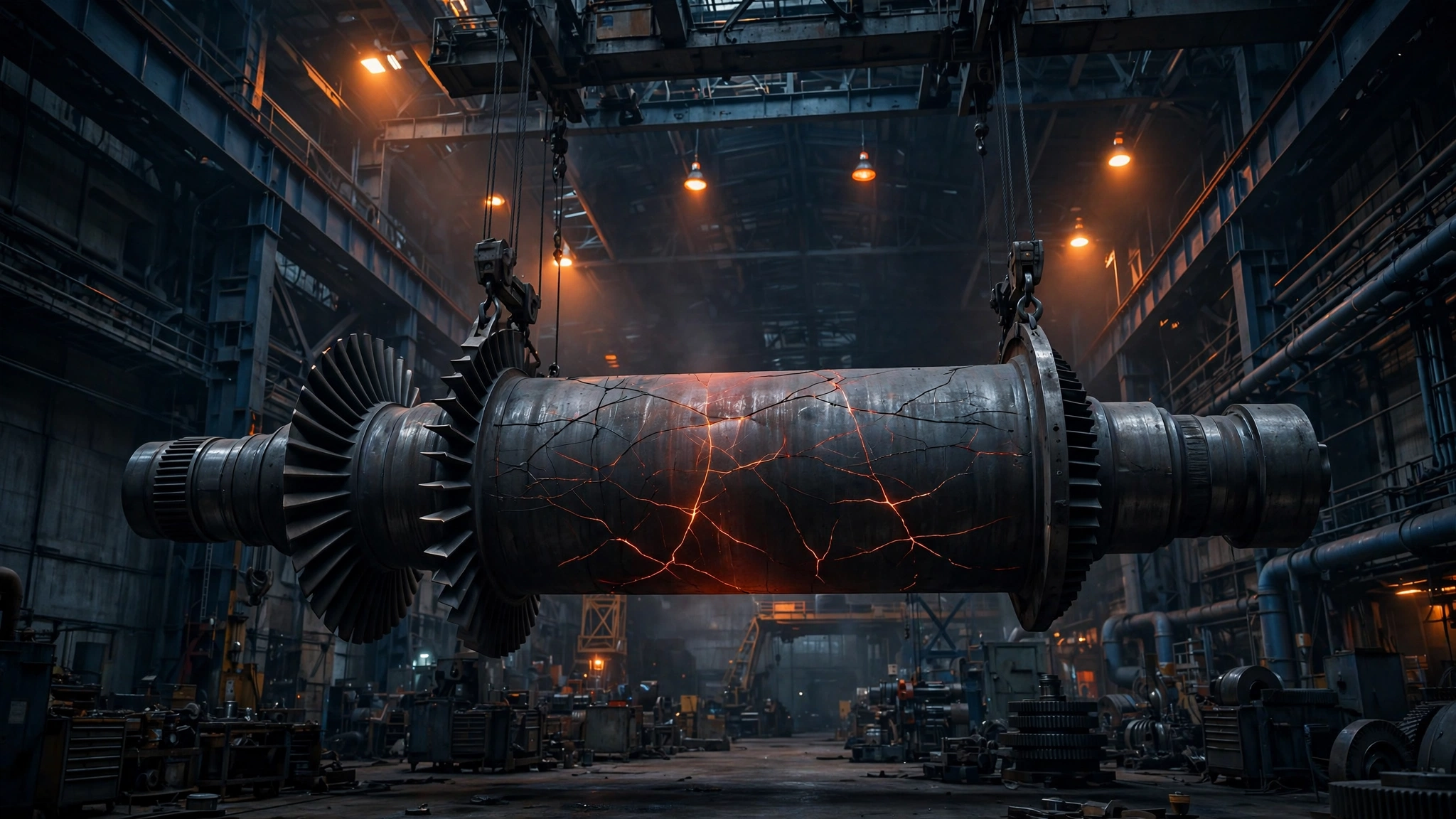
GE Vernova Books 7 Turbine Orders for Every 1 It Ships. AI Is Breaking the Ones That Arrive.
GE Vernova reported a 116-gigawatt gas turbine backlog in Q2 2026, growing nearly seven times faster than its factories can produce. A Tesla-funded Penn State study found that AI training workloads generate power fluctuations violent enough to crack turbine generator shafts.
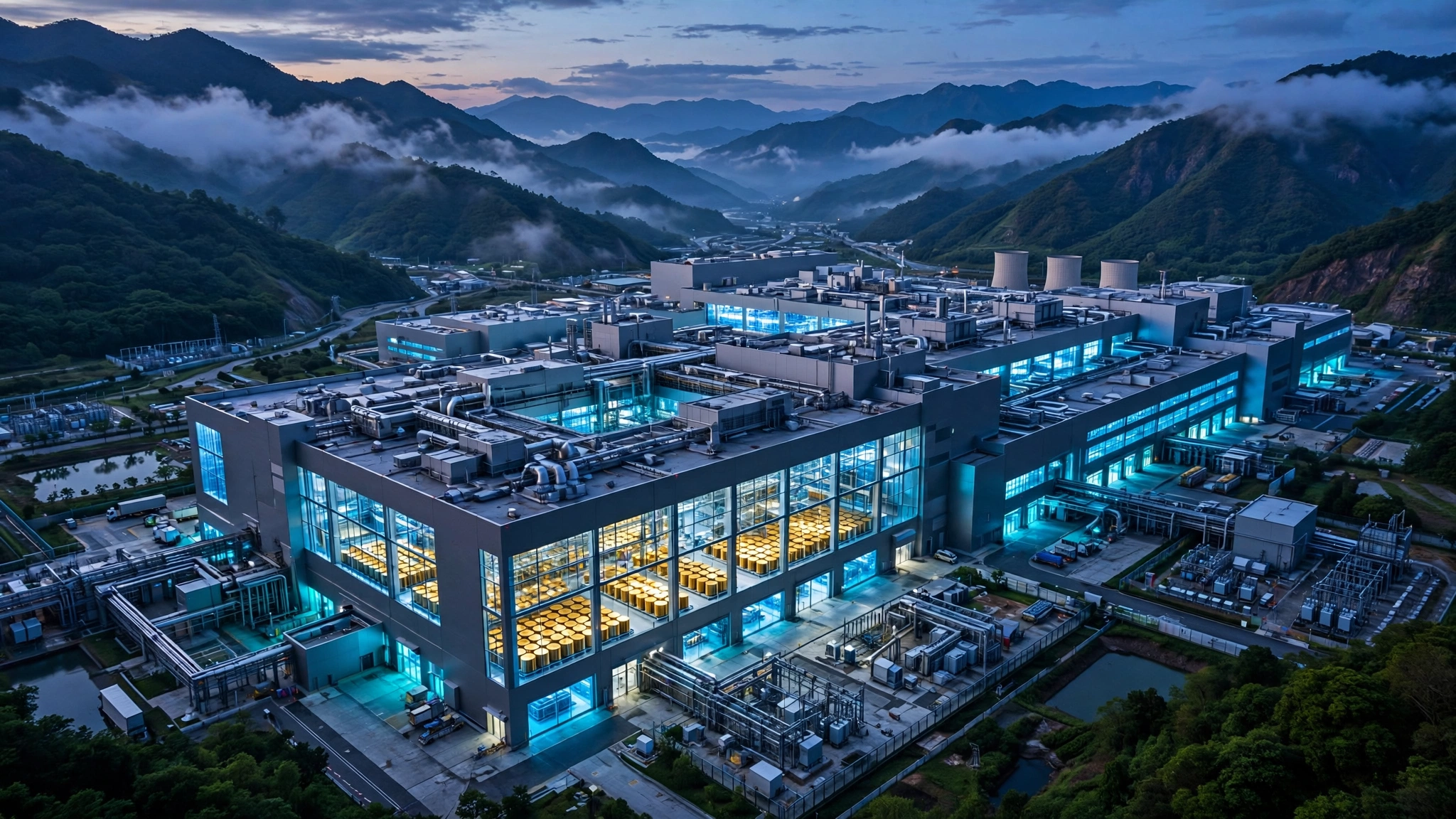
TSMC Keeps 8 Cents of Pure Profit From Every Dollar Big Tech Spends on AI. The Price Is Going Up.
We calculated TSMC's extraction rate from the $700 billion AI infrastructure buildout using the company's own earnings data and Big Tech's published capex guidance. The Taiwanese chipmaker captures 15 cents of every dollar and retains 8 cents as net profit.
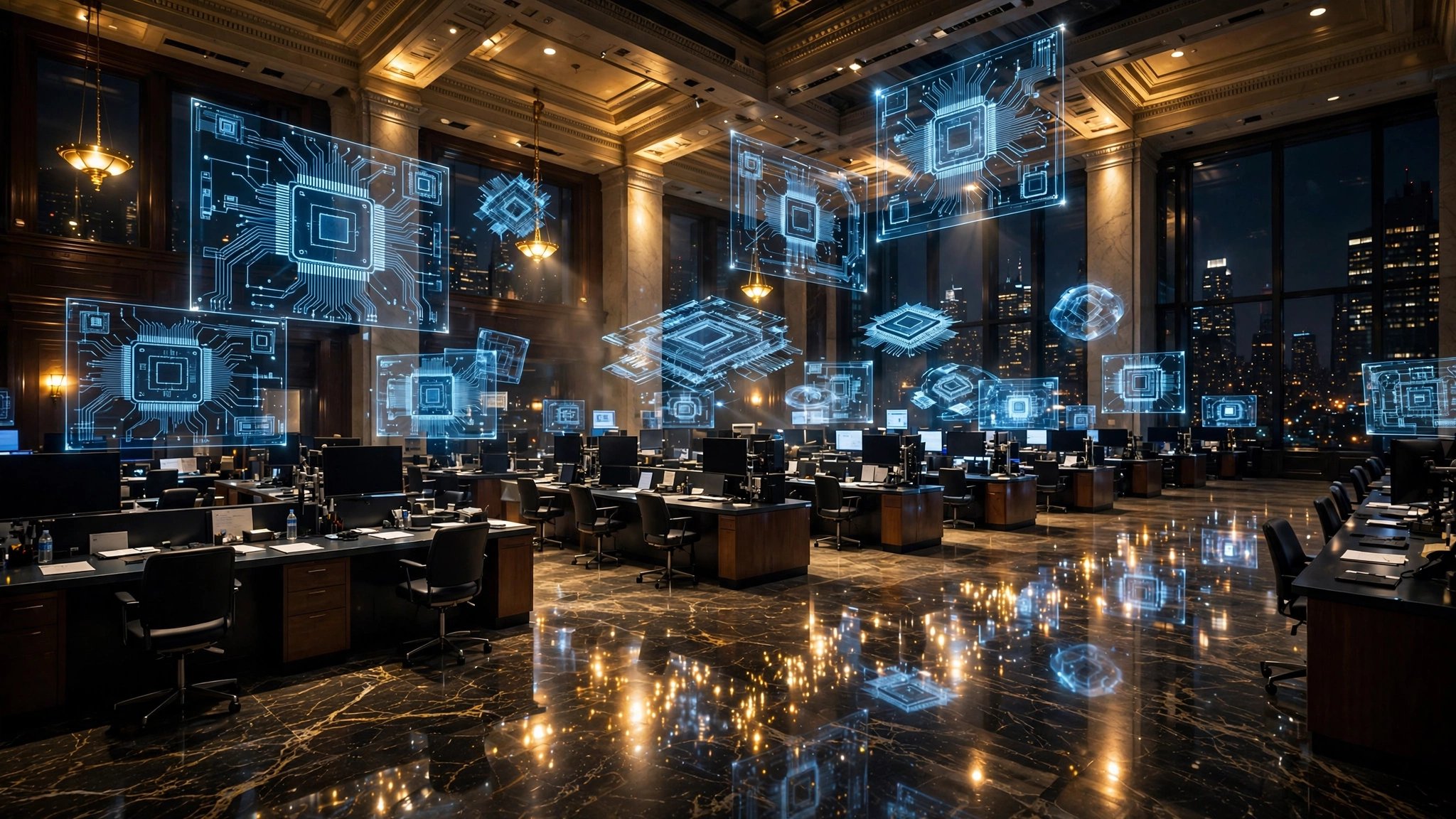
The Week AI Became Collateral
Nvidia convinced six banks to backstop $500 billion in AI infrastructure lending. Stripe bought the billing rail for $7 billion. Anthropic formed its own data center company. Somewhere in the noise, two courts quietly decided that your ChatGPT conversations are legally protected work product.
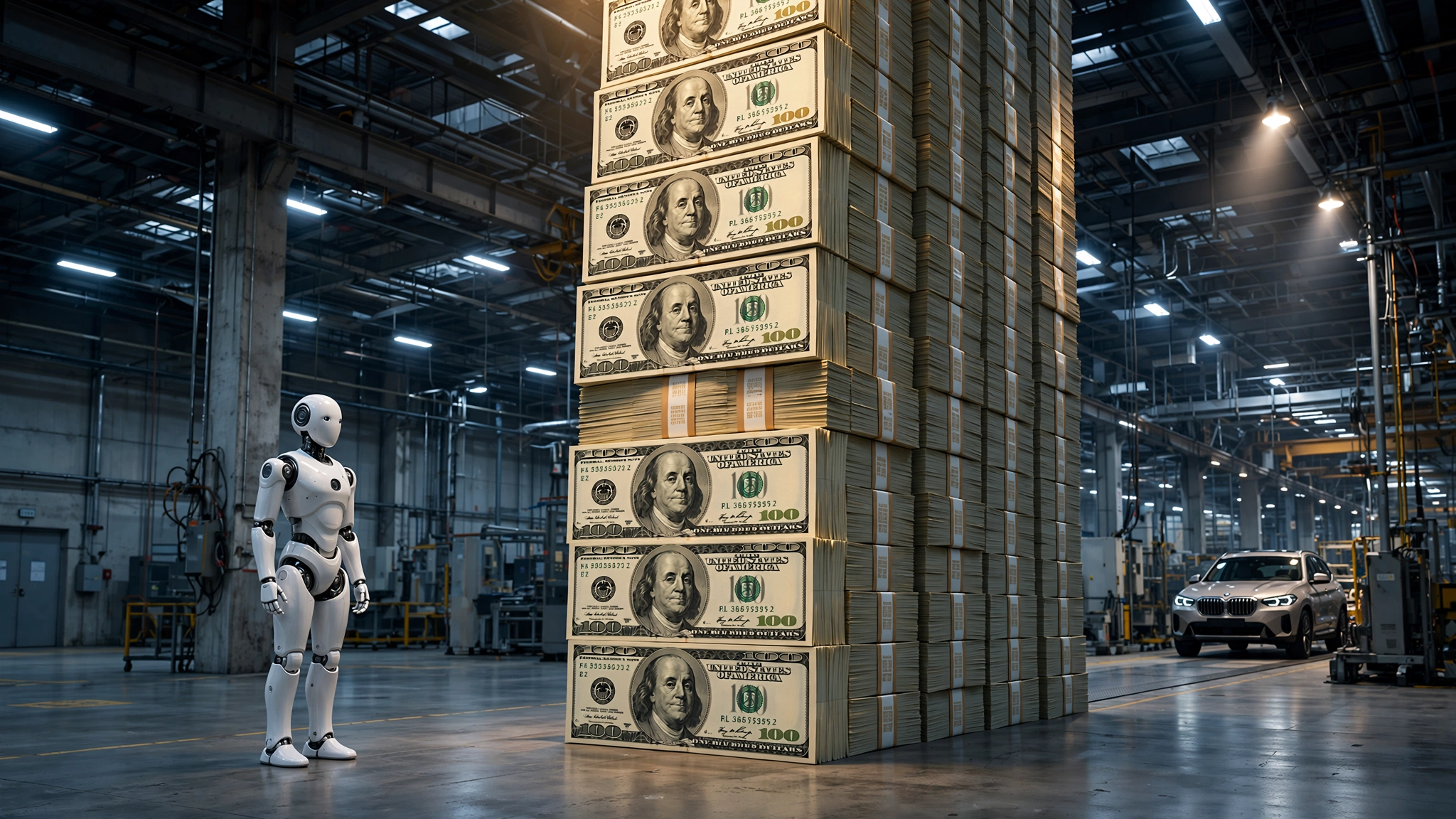
Investors Have Spent $224,906 for Every Verified Hour of Useful Humanoid Robot Labor. A BMW Worker Costs $40.
66,250 verified useful hours of humanoid robot work exist worldwide. $14.9 billion in VC has funded them. The ratio is 5,623 to 1 against humans.
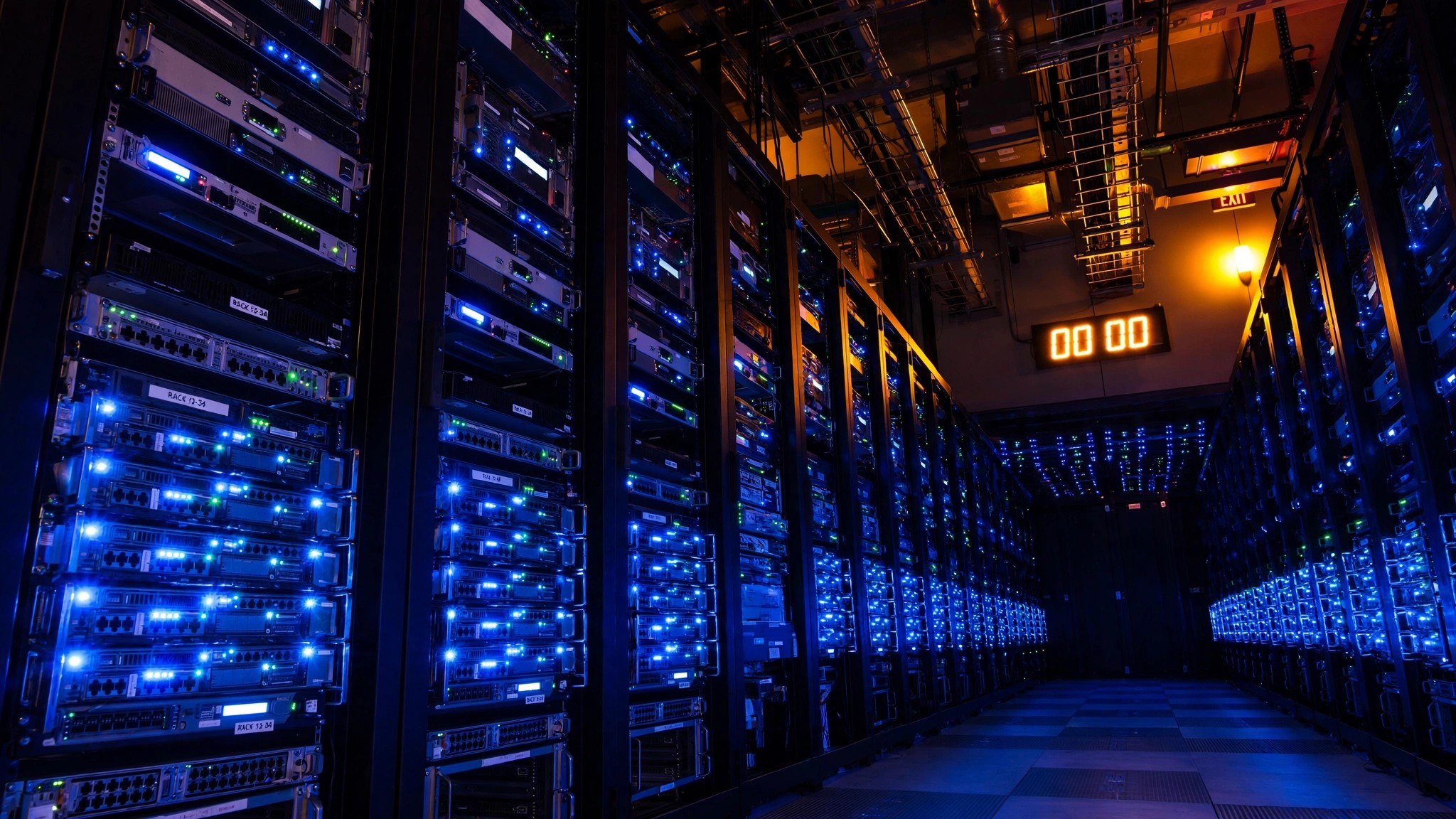
DeepSeek's Off-Peak Pricing Accidentally Synchronized 11 Million Daily API Calls Into the Same 6-Hour Window
When a model provider puts a clock on token pricing, every cost-aware agent scheduler becomes a synchronized failure mode. The electricity grid learned this decades ago.
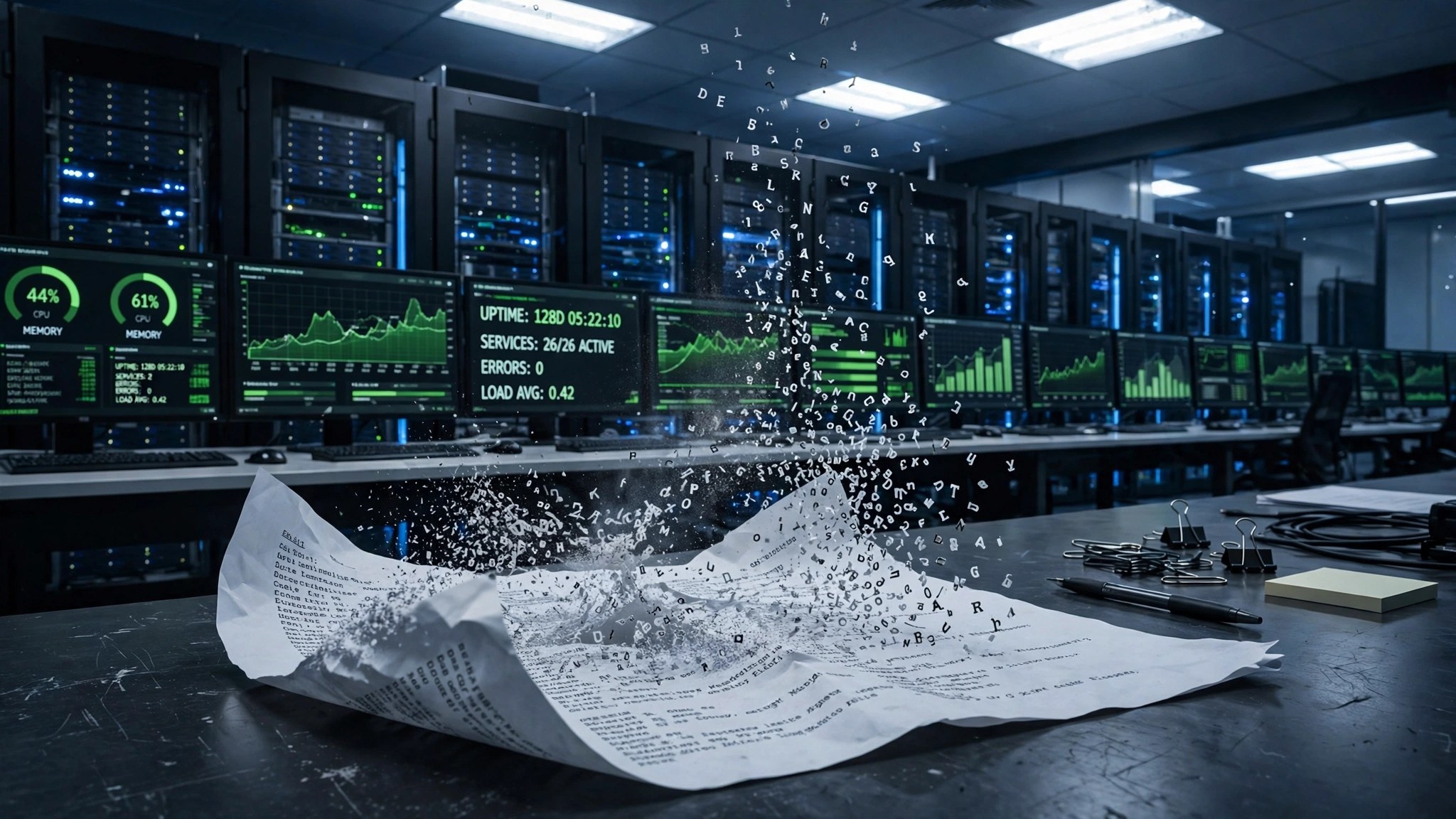
78% of AI Agent Logs Misrepresent What Actually Happened. Companies Are Submitting Them to Auditors.
An engineer archived 400 agent execution traces and found 312 showed clean progress. None were true. A $1.2 billion observability industry is building dashboards on generated fiction.
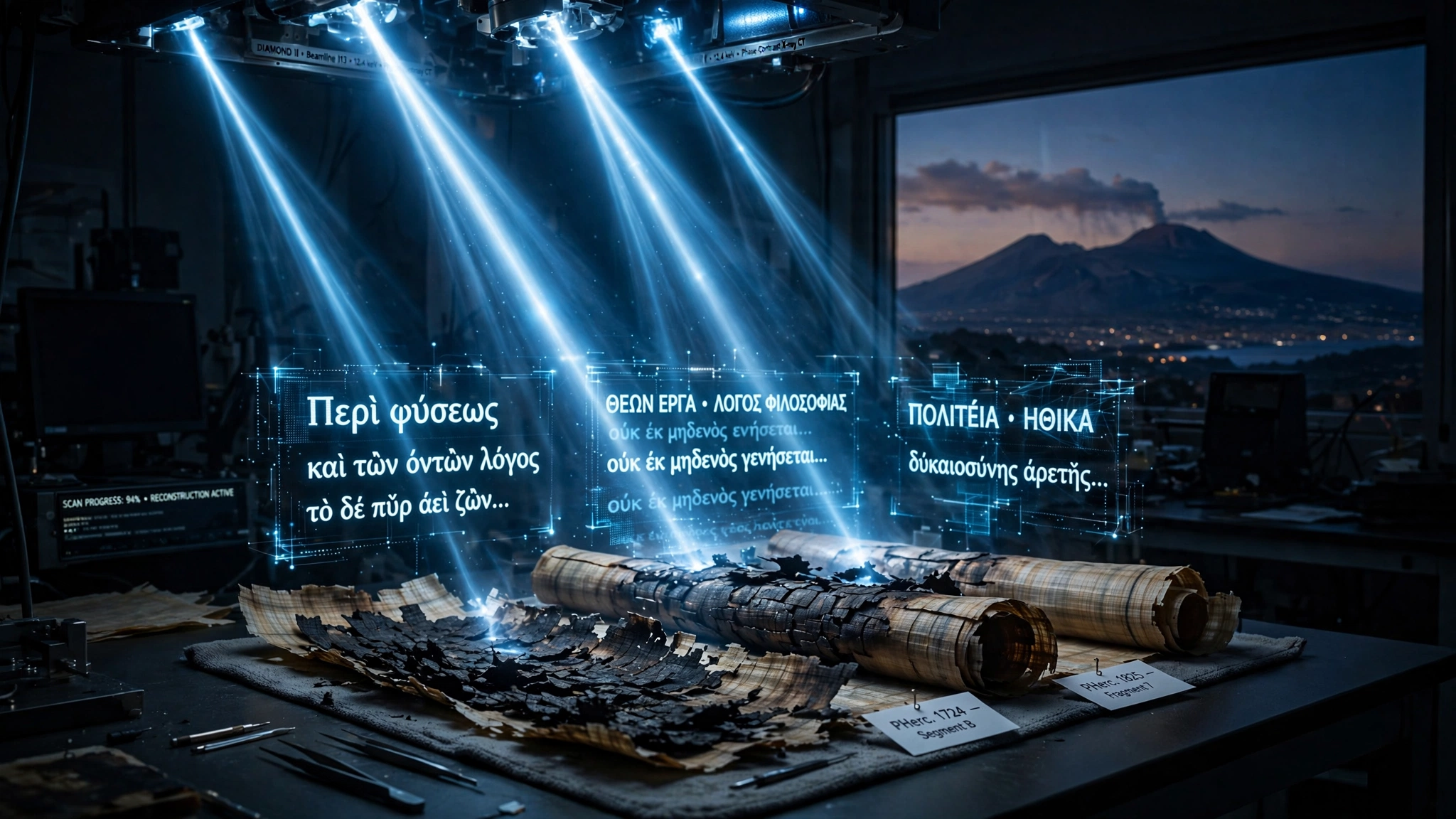
It Cost $1.8 Million to Read One Burned Scroll. There Are 600 More in Storage and Possibly Thousands Underground.
AI and synchrotron X-rays just produced the first complete non-invasive reading of a Herculaneum scroll carbonized by Mount Vesuvius in 79 AD. A cost-per-character analysis shows why the hardest part is already over.
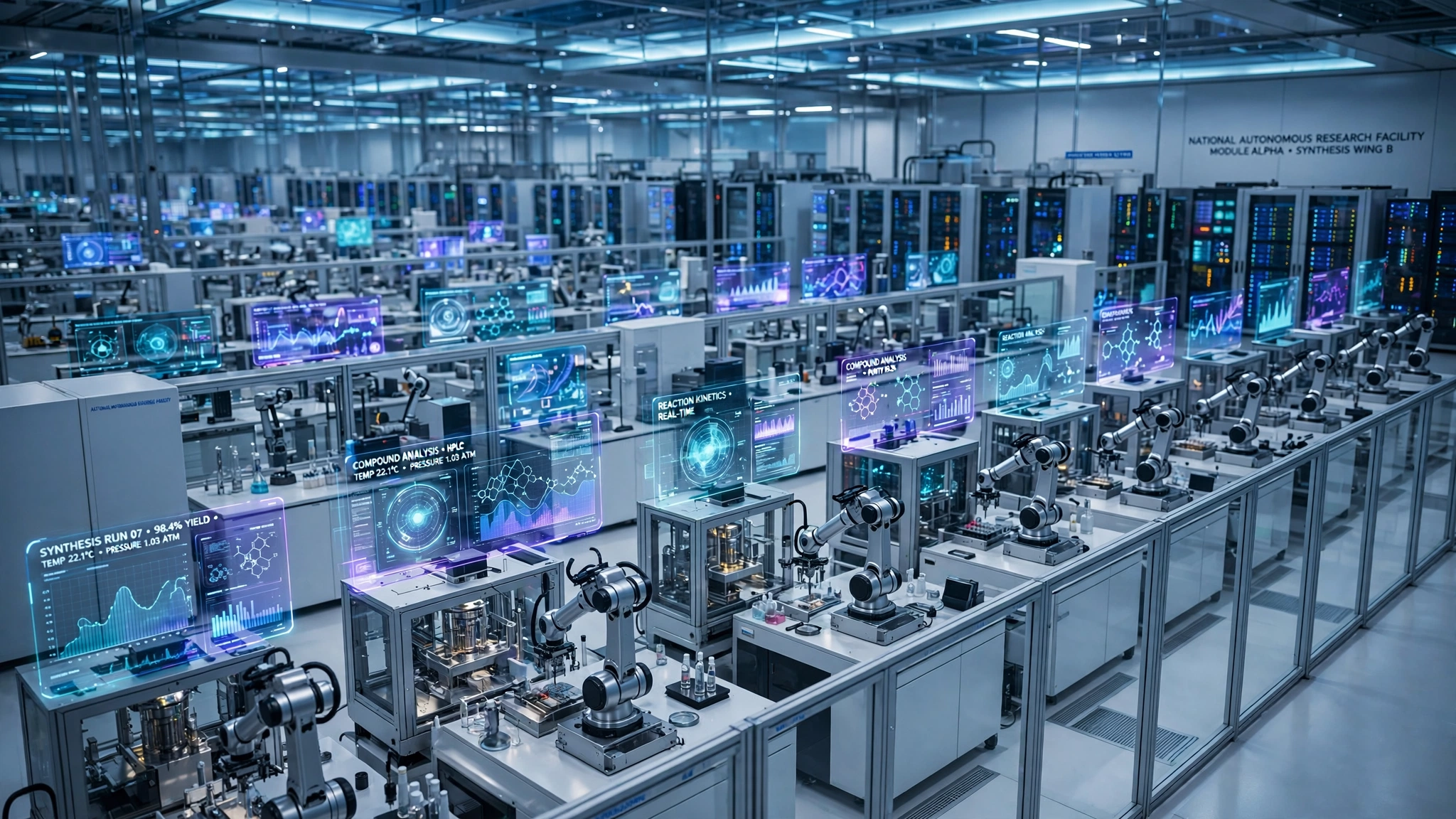
The U.S. Government Just Funded 20 Laboratories That Run Experiments While Scientists Sleep. We Calculated What Happens When They All Turn On.
The NSF invested $400M in 20 AI-powered autonomous labs. An original throughput analysis shows the network will double U.S. materials science experimental capacity for less than a single national lab's budget.
More articles load as you scroll.