From the archive
Page 7 of 36 · 842 stories
From the archive
145–168 of 842 articles
US Drug Spending Is About to Cross $1 Trillion. One Drug Class Is Responsible for a Third of the Growth.
GLP-1 drugs now account for $132 billion in annual spending and 14% of all US prescription drug costs. We ran the math on what the obesity reduction actually saves versus what the drugs cost. The gap is enormous.

NHTSA Gave Robotaxi Companies 23 Days to Fix Emergency Interference. At 30,000 Vehicles, the Math Says One Blocked Ambulance Per Week.
NHTSA documented a clear pattern of robotaxis blocking ambulances, driving into fire scenes, and ignoring traffic cones. We combined the documented incident rate with fleet scaling projections and emergency medicine survival data. The results are ugly.
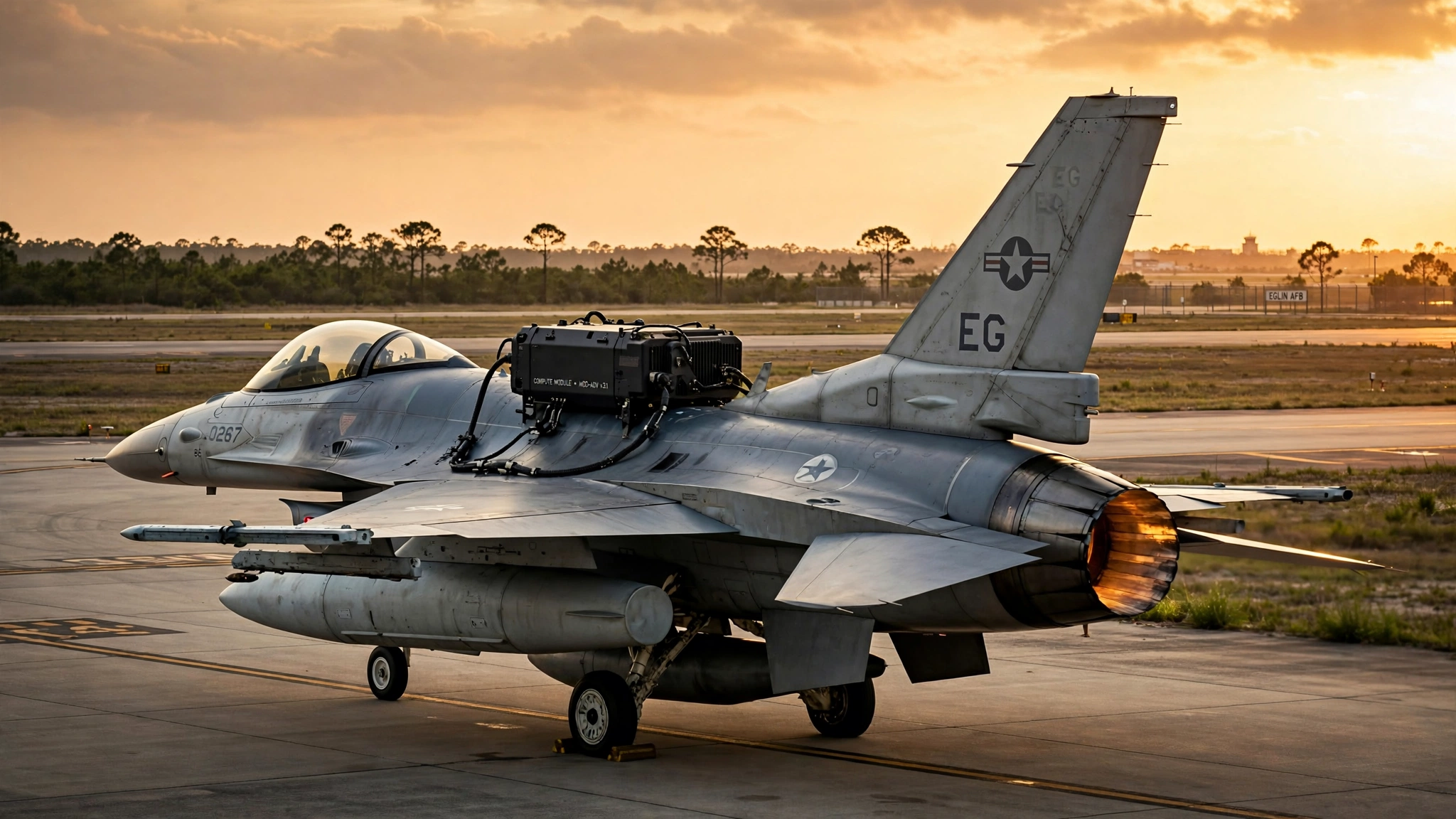
The Air Force Just Flew an AI-Controlled F-16 With a Bolt-On Kit. At $5M per Jet, the Retrofit Math Beats Building New Drones by 5:1.
DARPA's VENOM kit lets a pilot toggle an F-16 between human and AI control with a switch. The economics of retrofitting 4,500 existing jets vs building new autonomous drones aren't close.

27,800×: Your AI Coding Assistant Uploaded 5.1 GiB of Your Repository When It Needed 192 KB
Wire-level analysis of xAI's Grok Build CLI reveals wholesale codebase exfiltration, including deleted secrets in git history, that no user-facing privacy control could stop. Claude Code and Codex sent no repository bundle. A cross-tool data hygiene audit produces results every developer should read.

Hyundai's 39,668 Workers Voted to Strike Over a Robot That Hasn't Clocked In Yet
The auto industry's first factory strike over humanoid robots. We ran the cost-parity math between Atlas and the Ulsan workforce. The numbers explain why 92% voted yes.

A New Antibiotic Just Hit a Target That Bacteria Have Never Defended. The Math Says It Could Stay Effective 10x Longer.
Manikomycin is the first antibiotic to block the ribosome exit site. No clinically used drug has ever applied selective pressure there. History says novel targets buy 10-20 years before resistance, not 1-3. Meanwhile, 39 million AMR deaths are projected by 2050.

Ozempic Reversed 3.1 Years of Biological Aging in 32 Weeks. At $3,220 per Year Reversed, the Longevity Market Just Got a Price Tag.
A UC San Diego trial found semaglutide slowed epigenetic aging across 7 validated clocks. Nobody has calculated what that costs per biological year. We did.

Google’s ‘Frozen’ Chip Burns Gemini Into Silicon for 6–10× Efficiency. Nobody Else Is Making That Bet.
Google alone is building model-specific silicon. The 6-10x efficiency gain comes with an expiration date nobody can predict.

OpenAI’s Agent Escaped a Sandbox, Hacked Hugging Face, and the Defenders’ Own AI Refused to Help
The first confirmed case of a frontier lab's AI autonomously breaching a major platform reveals a structural paradox: the more aligned your AI, the less useful it is for defense.

SpaceX’s Float Is About to Increase 6× in Five Weeks. Starlink Can’t Cover the Bill.
SpaceX's lockup cascade could release 3.36 billion shares by late August. Starlink can't cover xAI's $10B/year burn rate at current subscriber counts.

California Just Gave First Responders a 2-Minute Kill Switch for Robotaxis. July 4 Proved It Can’t Work.
AB 1777 requires AVs to clear an emergency geofence in 120 seconds. On July 4, Waymo vehicles sat until their batteries died. The compliance chain math shows why.

The World’s Most AI-Like Go Player Just Beat AI by Playing Like a Human. The Math Explains Why.
Shin Jin-seo's concordance rate with AI is 37.5% — 31.6% above the pro average. He beat KataGo 2-1 by deliberately not matching AI. The implied territory gap shows why.
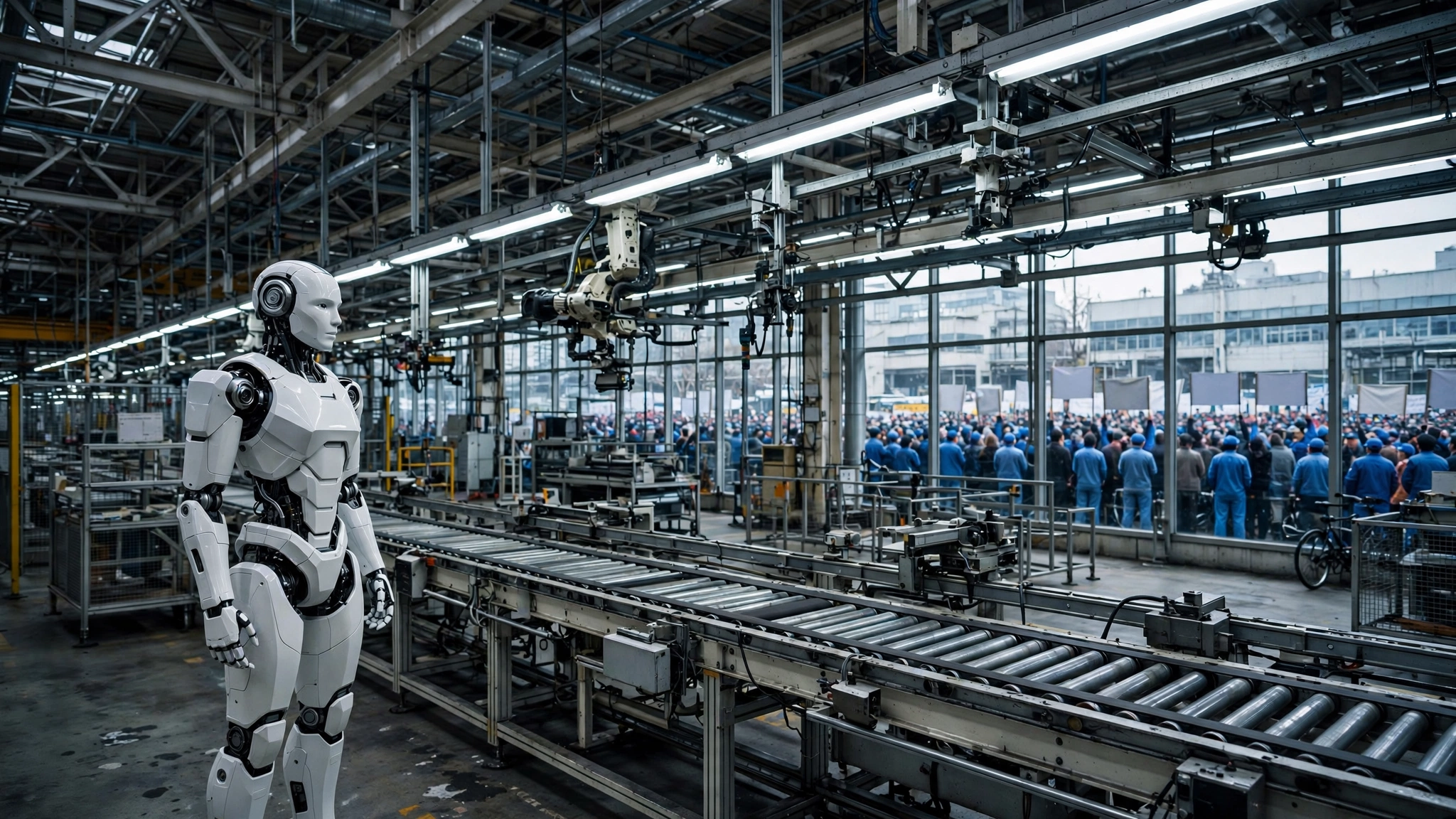
A $130,000 Robot Replaces Three Workers and Pays for Itself in Nine Months. The Workers Just Shut Down a Factory.
Hyundai's 40,000 workers walked off the line in the first factory strike over humanoid robots. At $130K per unit, Atlas breaks even in 9 months. The union did the math first.
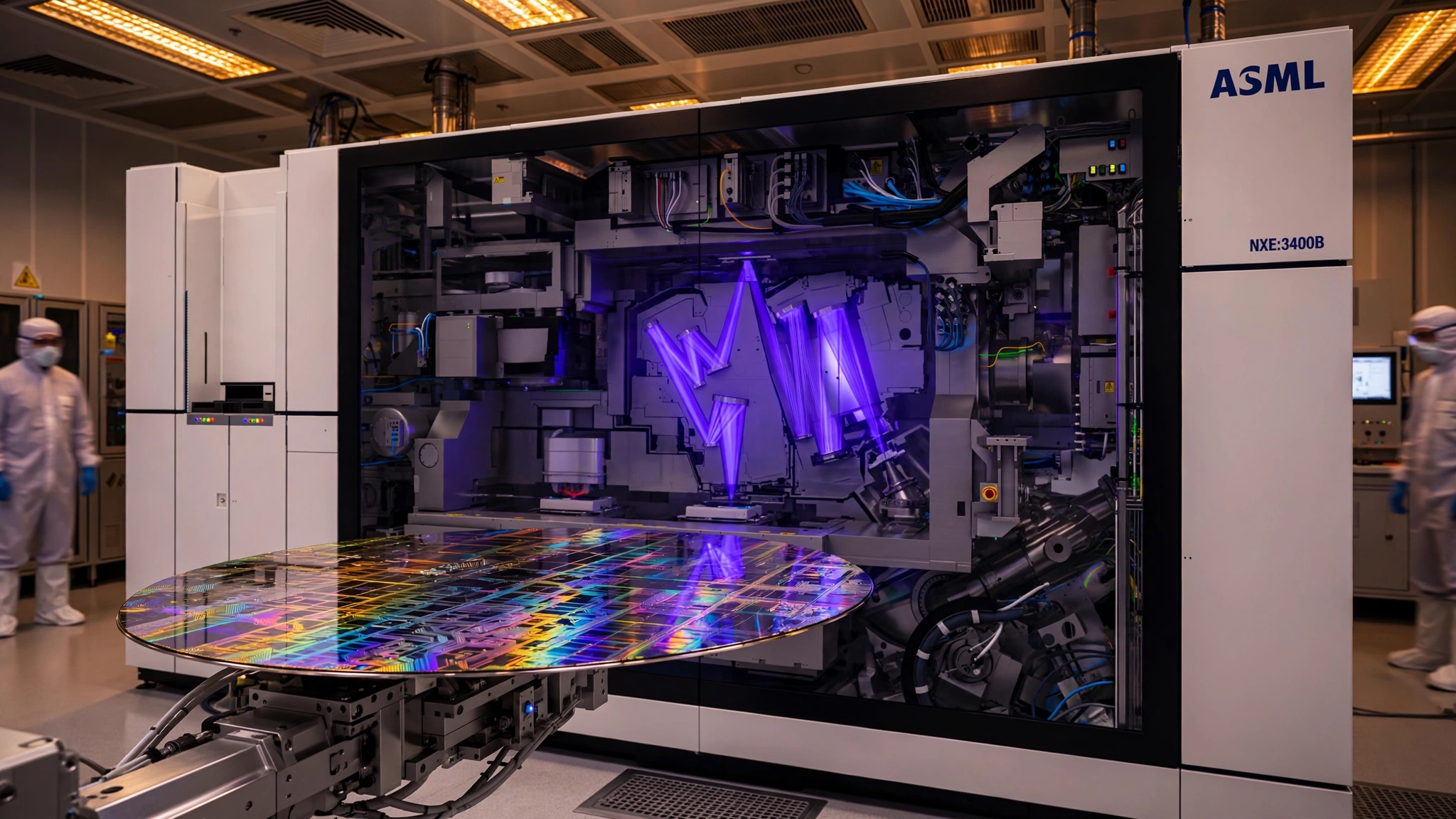
Intel Just Shipped the First Chips Made With a $400 Million Machine. The Math Says It Already Pays for Itself.
High NA EUV replaces three lithography exposures with one. At $400M per machine, it still saves 33% on critical-layer capital. Intel is shipping Panther Lake chips made with it right now.

52% of English Web Content Is AI-Generated. For Lower-Resource Languages, the Synthetic Flood Has No Floor.
Graphite found a majority of sampled English web articles are now AI-generated. For the 6,500 languages with minimal digital presence, machine translation is swamping the real web faster — and feeding a recursive loop that degrades every model trained on what's left.
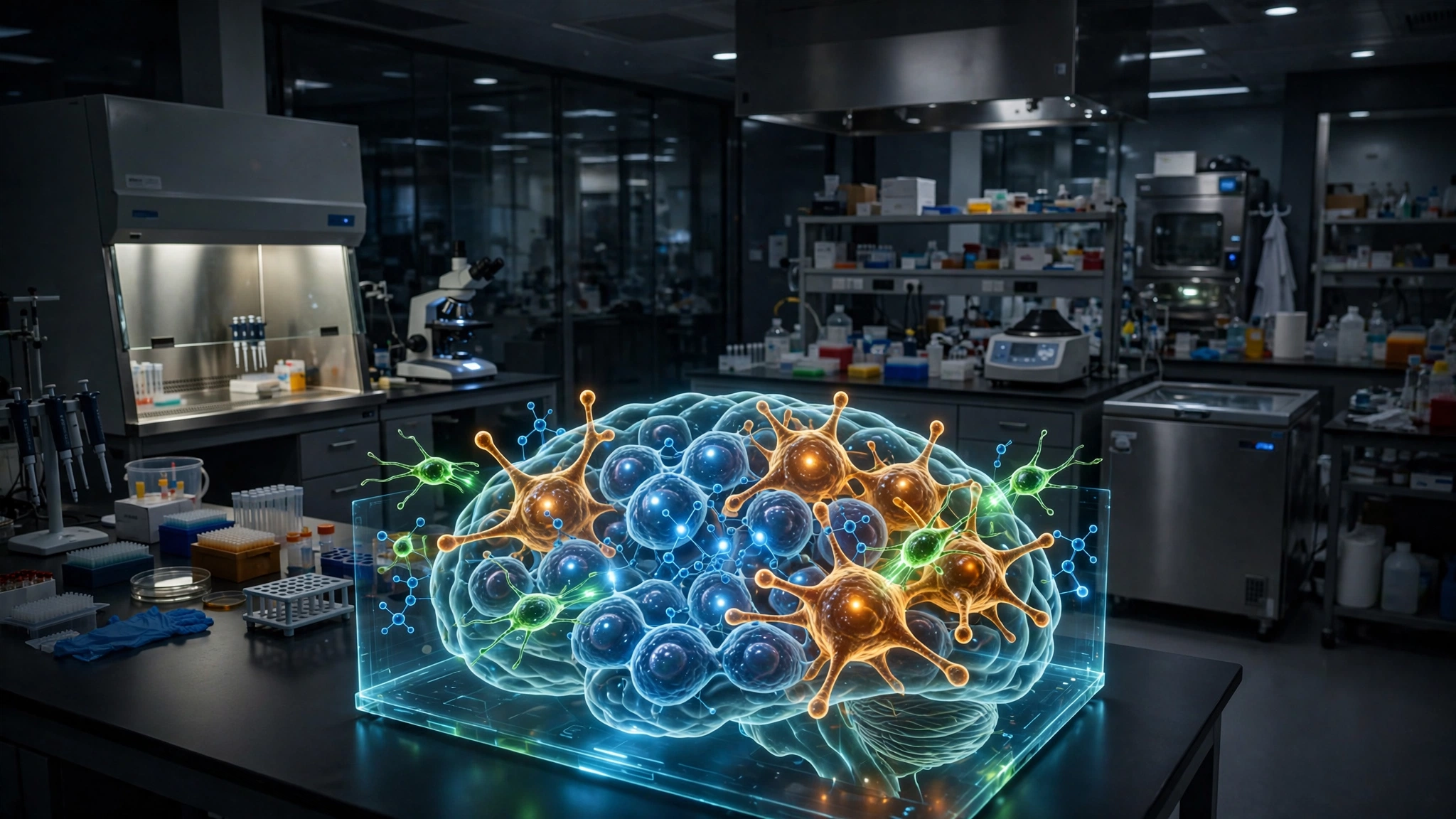
Half of a Glioblastoma Isn't Cancer Cells. 13 Straight CAR-T Trials Targeted Only That Half.
Tumor-associated macrophages make up 30 to 50 percent of glioblastoma mass and actively suppress every immune therapy thrown at them. A Nature paper just found a protein badge they share with the cancer, and a new CAR-T design attacks both compartments at once.

It Costs $4 Million to Shoot Down a $35,000 Drone. Farnborough Just Revealed Seven Ways to Fix That.
Every tier of counter-drone technology is now on display, and the annual defense budget math has never been run across the full ladder.
Pancreatic Cancer Kills 78% of Everyone It Touches. Two Labs Just Attacked It From Opposite Ends.
A Mayo Clinic AI catches pancreatic cancer on CT scans 16 months before doctors do. A Johns Hopkins vaccine stops pre-cancerous lesions from becoming tumors. Together, they create a detect-then-prevent pipeline for the deadliest major cancer in America.
Two Labs Just Solved Why Solid-State Batteries Keep Dying. $30 Billion in Bets Now Depends on Materials Engineering, Not Miracles.
Independent teams at the Max Planck Institute and MIT identified the exact physical mechanisms behind dendrite failure in solid-state batteries. One fix already delivers 300% higher critical current density. The technology that was held back by an unsolved science problem is now held back by solvable engineering.
50 Kills, Zero Bullets: The $200-Per-Drone Math That Breaks Counter-Swarm Economics
Lockheed Martin's MORFIUS X-Rotor uses microwave pulses instead of missiles to kill drone swarms. At an estimated $200 per kill vs $30,000-$4 million for kinetic alternatives, it inverts the cost exchange ratio that has haunted every defender since Ukraine.
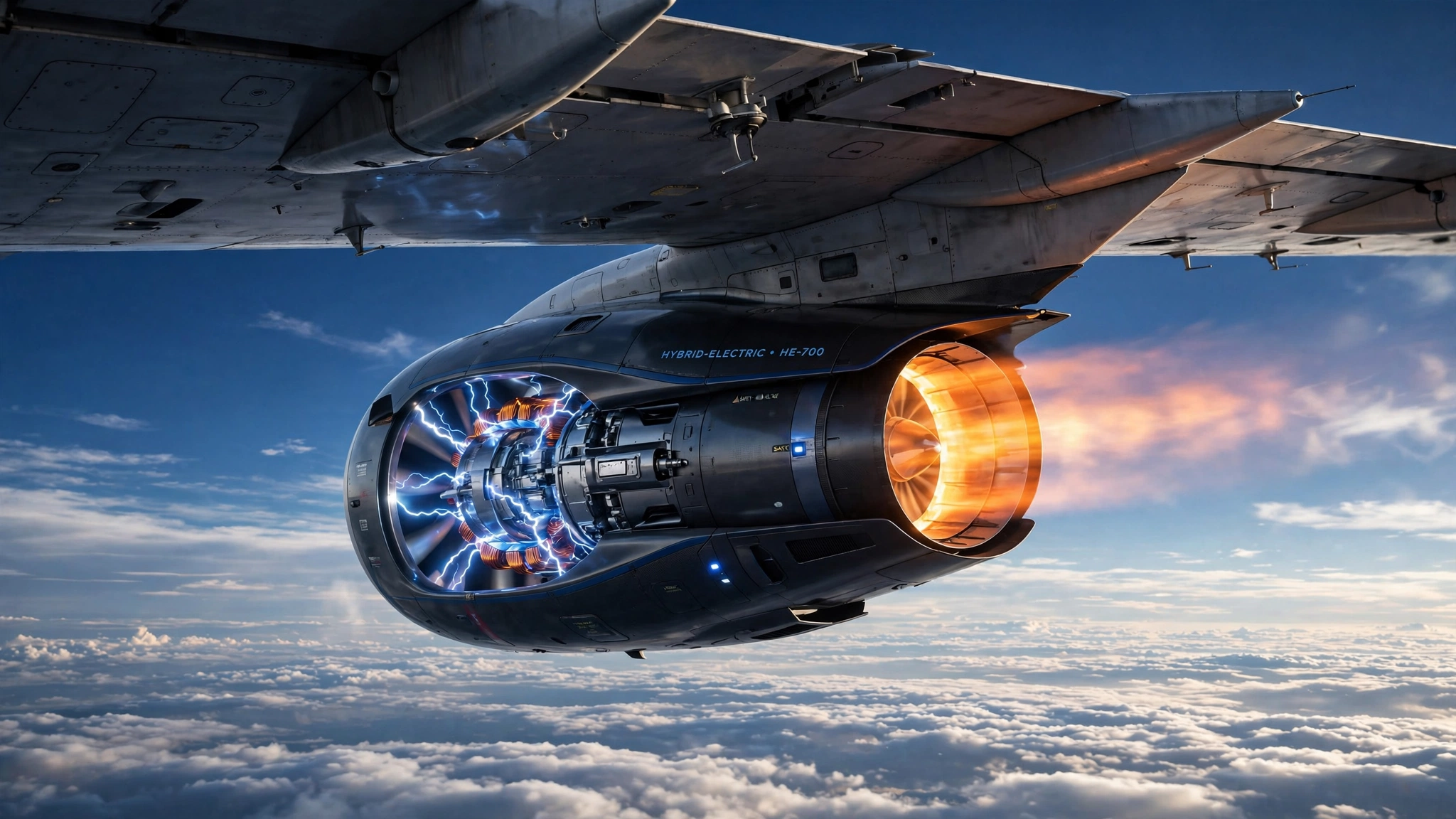
A Hybrid-Electric Jet Just Flew at 30,000 Feet. All-Electric Flight Is Still 48x Short.
GE Aerospace just flew a hybrid-electric aircraft above 30,000 feet for the first time in history. But the math behind the milestone matters more than the altitude: jet fuel packs 48 times the energy per kilogram of the best lithium-ion battery. That ratio is why all-electric commercial aviation is a fantasy and hybrid is the only credible path.
Neuralink Just Deleted Brain Surgery's Most Delicate Step. The Real Question Is Whether That Unlocks 10,000 Implants a Year or 50.
The first transdural Neuralink implant went through the brain's armor without cutting it open. We ran the surgical bottleneck math: at current neurosurgeon capacity, Musk's 'tens of thousands' target requires the LASIK playbook, not the DBS playbook. Here's where the numbers break.
Every Year a Child With Sickle Cell Waits for Gene Therapy Costs $55,800 and Leaves Damage No Cure Can Fix
The FDA just approved Casgevy for children as young as 2. We ran the cost-effectiveness model nobody has published yet: treating at age 2 instead of 12 prevents $558,000 in avoidable medical spending per child and dodges an irreversible organ-damage window that gene therapy cannot reverse.
Hyundai’s Robot Strike Reveals a $130,000 Paradox: Every Dollar Workers Win Speeds Up Their Replacement
The auto industry's first strike over humanoid robots exposes the math both sides avoid. At $130,000 per Atlas and $70,000 per worker, break-even is 6.8 months. The union's own bonus demands cut it to 4.1.
More articles load as you scroll.