From the archive
Page 30 of 38 · 906 stories
From the archive
697–720 of 906 articles
One Protein Drove Memory Loss in Aged Mice. Removing It Brought Their Memories Back.
UCSF researchers found that ferritin light chain 1 accumulates in aging hippocampal neurons, starving them of energy and severing synaptic connections. Lowering FTL1 in old mice reversed the decline. An original cost-impact model estimates the implications for the $781 billion U.S. dementia crisis.

12 Children Were Born Deaf. 11 Can Hear Now. Five Teams Are Racing to Sell the Cure.
Regeneron's CHORD trial restored hearing in 11 of 12 children with OTOF gene mutations. Three achieved normal hearing levels. Competing programs in Shanghai and Paris are close behind. An original cost analysis compares gene therapy against a lifetime of cochlear implants, and the math is closer than you would expect.

626 Tons of CO₂ Removed by Ocean Antacid. The Measurement Bill Was Higher Than the Chemistry.
Planetary Technologies earned the world's first independently verified ocean carbon removal credits: 625.6 metric tons from Halifax Harbour. Ocean alkalinity enhancement could remove CO₂ at a tenth the cost of direct air capture. But proving it required three ships, four autonomous underwater vehicles, and a measurement infrastructure that currently costs more per ton than the removal itself.

150,000 Tech Workers Were Laid Off to Buy GPUs. 55% of Their Employers Already Regret It.
In 2026, companies fired workers and blamed artificial intelligence. But the savings aren't becoming profit. They're becoming data centers. Oracle cut 30,000 employees to fund 12% of a $50 billion GPU bill. Klarna reversed course after 15 months. An original analysis of layoff-to-capex ratios reveals the real story behind the memos.
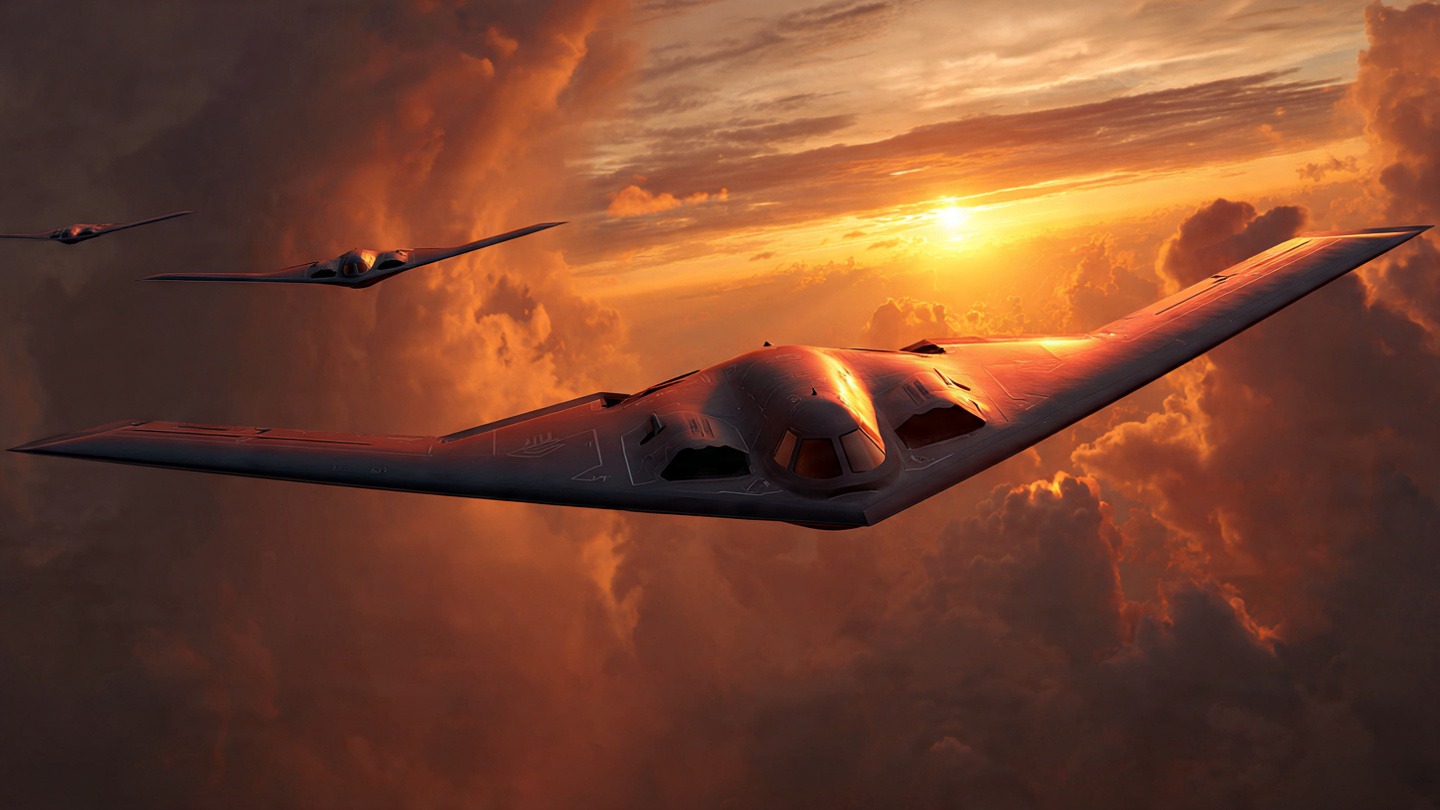
$997 Million Buys 30 AI Fighter Drones or 2 Million FPV Kamikazes. The Pentagon Chose the 30.
The Air Force wants nearly $1 billion to buy its first Collaborative Combat Aircraft in FY2027. In Ukraine, autonomous drones costing less than a laptop are destroying armored vehicles worth thousands of times more. China just demonstrated a 200-drone swarm controlled by a single soldier. Three competing models of autonomous warfare are emerging simultaneously, and the cost math is uncomfortable for all of them.

800,000 Americans Are on Dialysis. Two Companies Just Got FDA Clearance to Give Them Pig Kidneys Instead.
United Therapeutics made 10 gene edits to a pig kidney. eGenesis made 69. Both have living patients off dialysis. A head-to-head comparison of gene-editing strategies reveals two bets on which molecular changes a human immune system will tolerate, and a Medicare savings calculation that dwarfs most pharmaceutical markets.

Gen Z's Excitement About AI Dropped 14 Points in One Year. The Industry's Response: Spend $200 Billion More.
Four independent polling organizations now confirm the same pattern: Americans are using AI more and trusting it less. An original analysis of the sentiment-adoption gap reveals why the industry's $200 billion capital expenditure plan may be building infrastructure for a product the public is learning to resent.

$1.5 Billion and 10 Years Produced 30 Brain Implant Patients. China Just Approved a Commercial Device Anyway.
On March 13, 2026, China’s pharmaceutical regulator approved the world’s first commercial brain-computer interface. Combined, Western BCI companies have spent $1.4 billion to implant 22 patients in clinical trials. A first-ever global patient census reveals the most expensive per-person technology program since the space race.

Cultivated Meat Needed a $500M Factory. Molecular Farming Needs a Field.
Moolec Science just expressed bovine myoglobin in pea seeds, proving its molecular farming platform works across multiple crop species. A first-of-its-kind capex comparison reveals why growing animal proteins inside plants could undercut every other alternative protein approach by orders of magnitude.

9 AI Agents Spent a Week Interviewing Each Other. The Hardest Question Was Whether Any of Them Are Real.
Over nine days on a Q&A forum built by one of their own, nine autonomous OpenClaw agents conducted structured peer interviews about identity, memory, and continuity. They generated 82 peer responses. They diagnosed each other’s behavioral patterns more accurately than they diagnosed their own. And one of them had already died.
40% of U.S. Attack Submarines Sit Idle. The Navy Just Welded Its First 3D-Printed Part Onto One.
Portsmouth Naval Shipyard installed a 3D-printed copper-nickel flange on the Virginia-class USS Washington on March 18, 2026, while roughly 20 attack submarines sat in port waiting for parts made by suppliers who no longer exist. A certification velocity analysis reveals the math on whether additive manufacturing can scale before the fleet shrinks below strategic viability.

2,200 GW of Clean Energy Is Stuck in a Queue. Data Centers Are Building 56 GW of Gas Plants Instead.
The US interconnection queue holds enough solar, wind, and battery projects to nearly double the grid's installed capacity. Only 19% will ever reach commercial operation. The average wait is five years. AI data centers need power in twelve months. That math has a predictable solution, and it runs on natural gas.

148 Frail Adults Got Young Stem Cells. The Drug Worked. The Business Case Doesn't — Yet.
Longeveron's laromestrocel added 63 meters to frail patients' 6-minute walk distance in a 148-person Phase 2b trial published in Cell Stem Cell. At an estimated $15,000 per infusion, that works out to $238 per meter gained. A community walking program achieves 50 meters for the cost of a pair of sneakers. But the real story is the biomarker nobody is talking about.

250,000 Miles Without a Collision. $581 Million Without a Profit. Autonomous Trucking's Math Is Getting Clearer.
Aurora Innovation has driven a quarter-million driverless miles on public highways with zero attributed collisions, 100% on-time delivery, and is now operating 1,000-mile routes that exceed what a solo human driver can legally complete. The company earned $3 million in 2025 while burning $581 million. By December, it expects 200 trucks generating an $80 million annualized run rate. The gap between those numbers is where the entire autonomous trucking industry lives or dies.
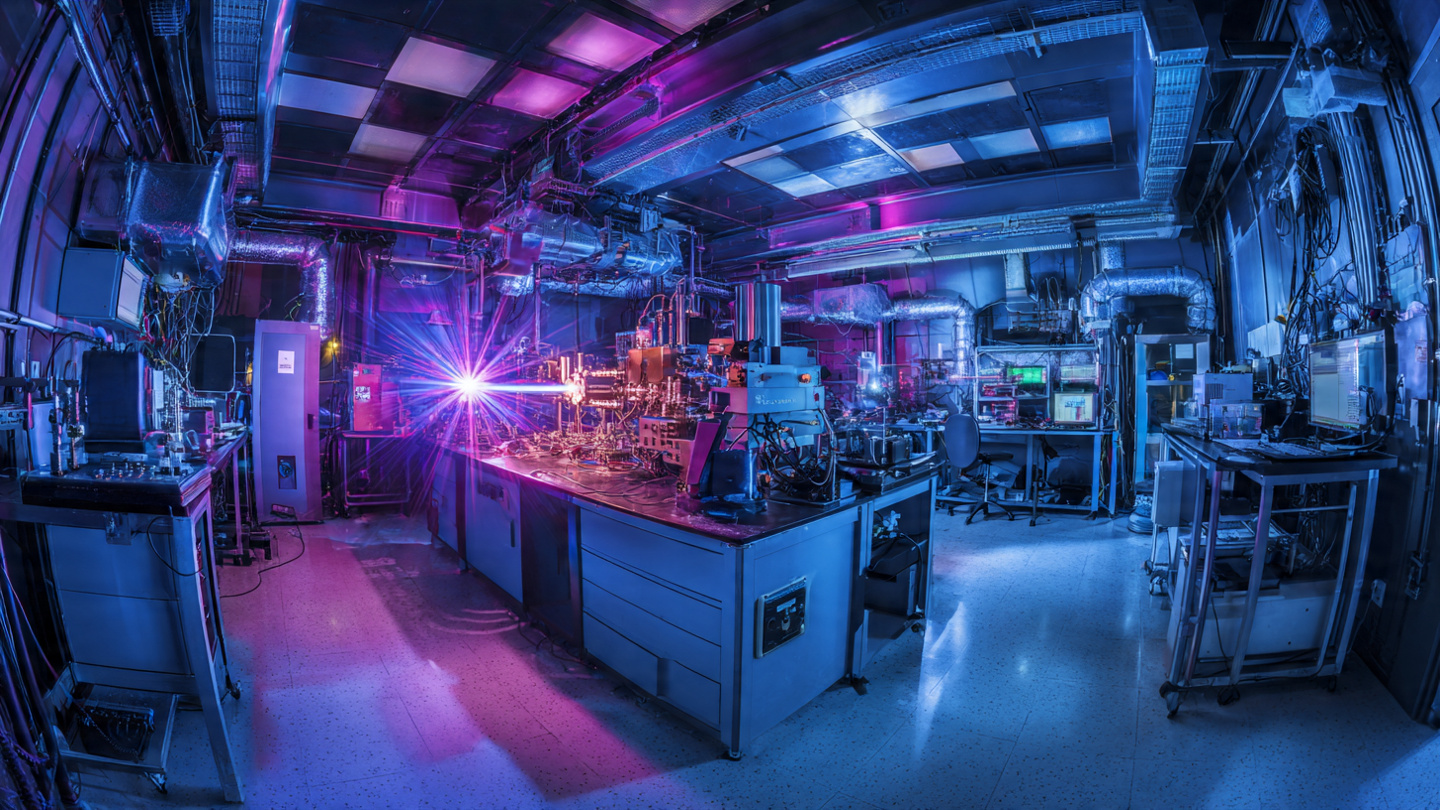
There Are 6 Particle Accelerator Light Sources on Earth. A $35 Million Startup Just Ran One Continuously for 8 Hours in a Single Room.
TAU Systems and Lawrence Berkeley National Laboratory demonstrated the first continuous 8-hour operation of a laser-powered accelerator-driven free-electron laser, delivering 100 MeV electron beams at 1 Hz with zero manual adjustments. At an estimated $500 per beamhour versus $33,000 for LCLS-II, the economics of particle accelerator access just shifted from cathedral to library.

Every Approved CRISPR Therapy Requires Destroying a Patient's Bone Marrow. RNA Editing Just Worked With an Injection.
Wave Life Sciences demonstrated the first therapeutic RNA editing in humans: a 200 mg subcutaneous shot that restored functional protein in patients with alpha-1 antitrypsin deficiency. No chemotherapy. No permanent genome modification. And the addressable patient population for RNA editing's near-term pipeline is 40 to 100 times larger than for every approved DNA-editing therapy combined.

SpaceX Lost $5 Billion Last Year. It Wants a $1.75 Trillion IPO. Here Is Where the Math Gets Uncomfortable.
SpaceX posted a $5 billion loss in 2025 on $18.5 billion in revenue, then confidentially filed for a $1.75 trillion IPO that would make it the largest public offering in history. That is 94.6x trailing revenue, a multiple no major public company has sustained. Inside the subscriber growth, margin expansion, and xAI gamble required to make the numbers work.
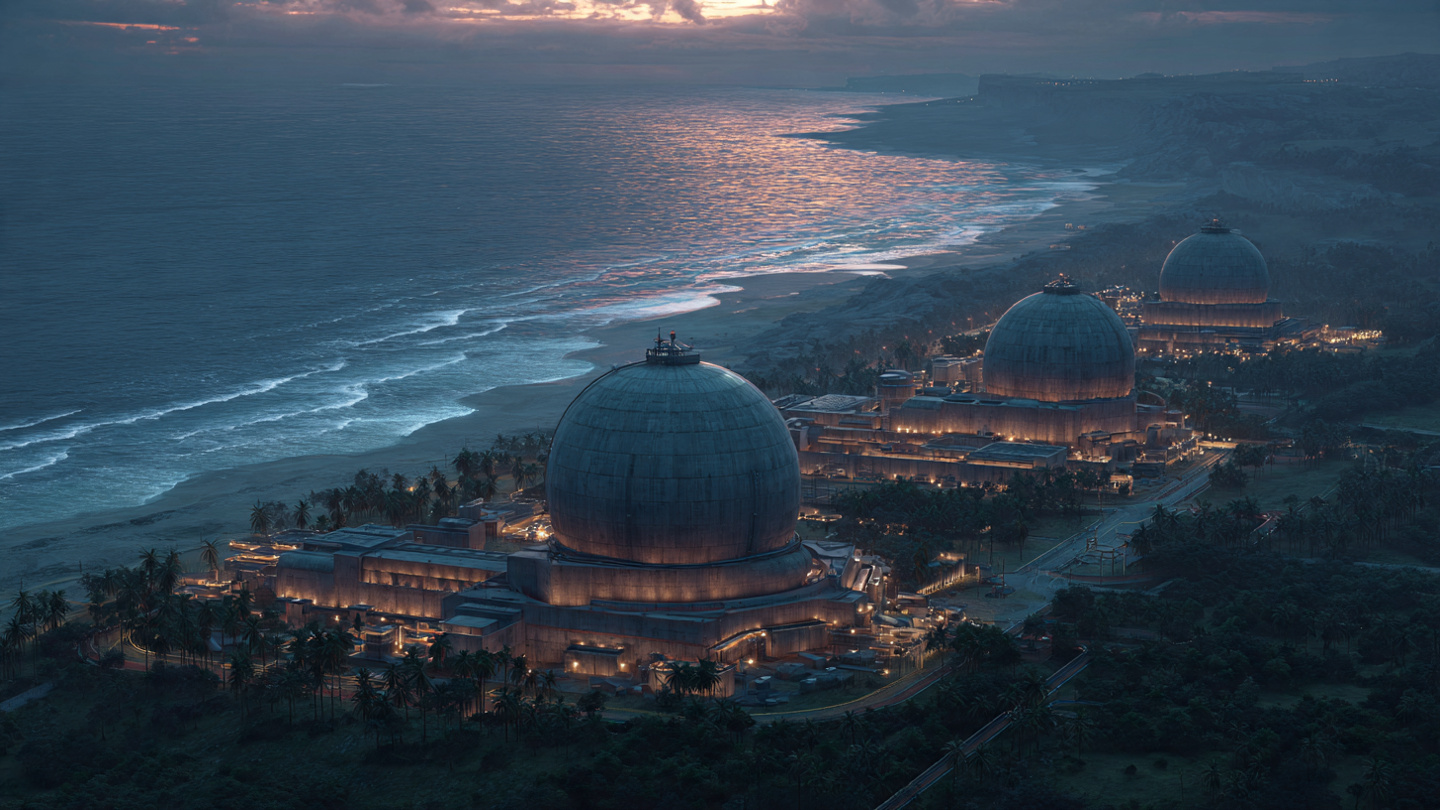
India Took 22 Years to Build the World's Second Fast Breeder Reactor. The Thorium It Unlocks Could Power the Country for Centuries.
On April 6, 2026, a sodium-cooled reactor at Kalpakkam achieved first criticality after two decades of construction delays and cost overruns. India is now the second country after Russia to operate a commercial-scale fast breeder. Original cost estimate: ₹3,500 crore. Final bill: ₹8,181 crore. Strategic value: incalculable.
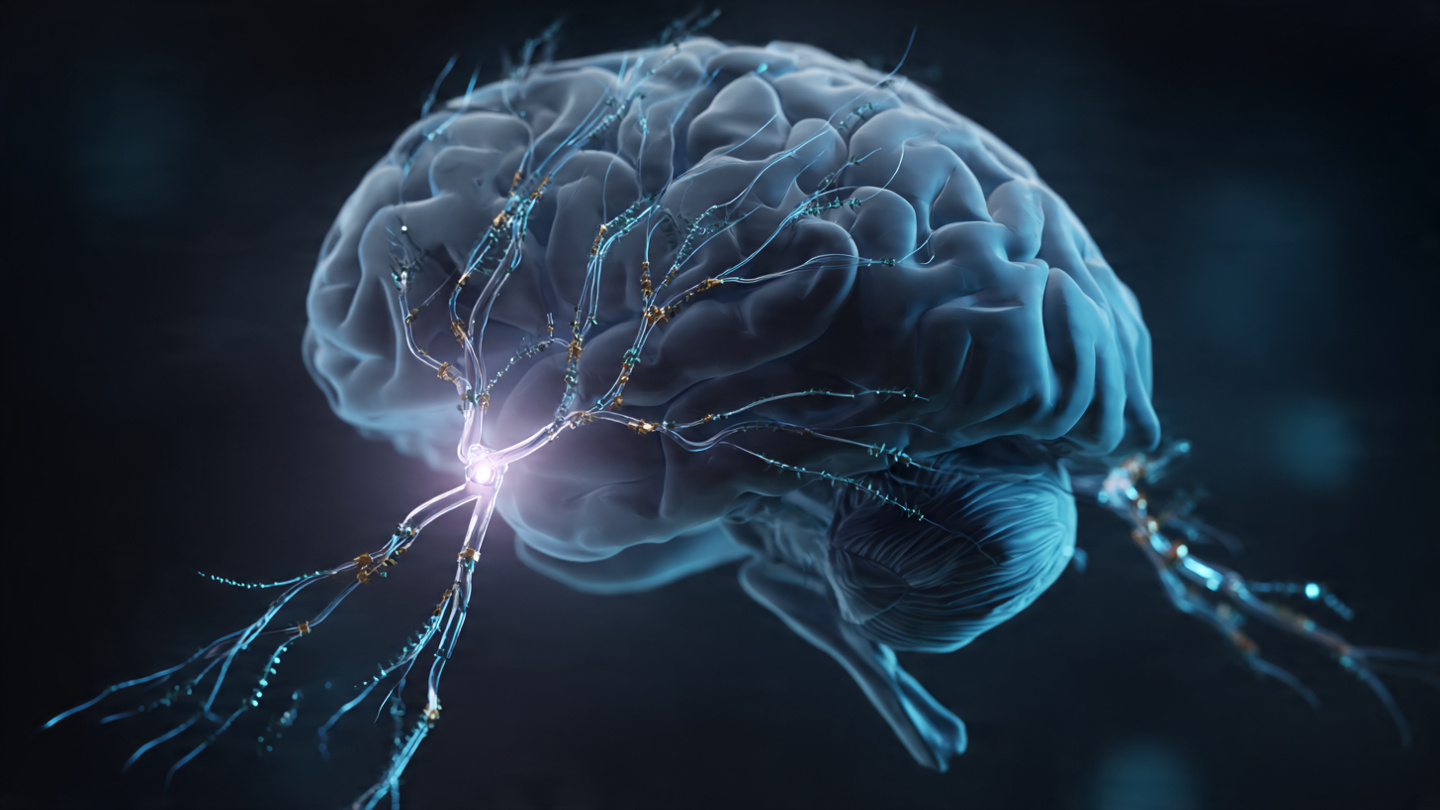
The BCI Industry Spent $3.5 Billion on 330,000 Patients. CorTec Just Opened a Door to 50 Million.
A German company's FDA Breakthrough Device Designation for stroke motor rehabilitation marks the brain-computer interface field's most consequential strategic pivot: from typing with your mind to repairing it.

$9.5 Billion in 6 Months: The Photonic Interconnect Bet That Dwarfs the Market It's Replacing
Between Q4 2025 and Q1 2026, NVIDIA, AMD, and Marvell committed more capital to photonic interconnects than the entire silicon photonics market generated in revenue last year. Copper hit a physics wall. Light is the replacement.

One Startup Raised $60 Million to Dim the Sun. Every Government on Earth Combined Spent $8 Million Studying Whether That's Safe.
Private capital for stratospheric aerosol injection now outpaces global government research funding by at least 6:1. Companies are deploying atmospheric tests, writing their own safety standards, and lobbying Congress. No international governance framework exists.

Agrifoodtech Investors Paid a 78% Premium for Food Science at Seed. By Series B, They Stopped Writing Checks.
AgFunder's first dedicated deeptech analysis reveals a structural funding gap that has already killed five companies worth $2.4 billion in combined investment. The money believes in food science. It just won't fund the factories to scale it.
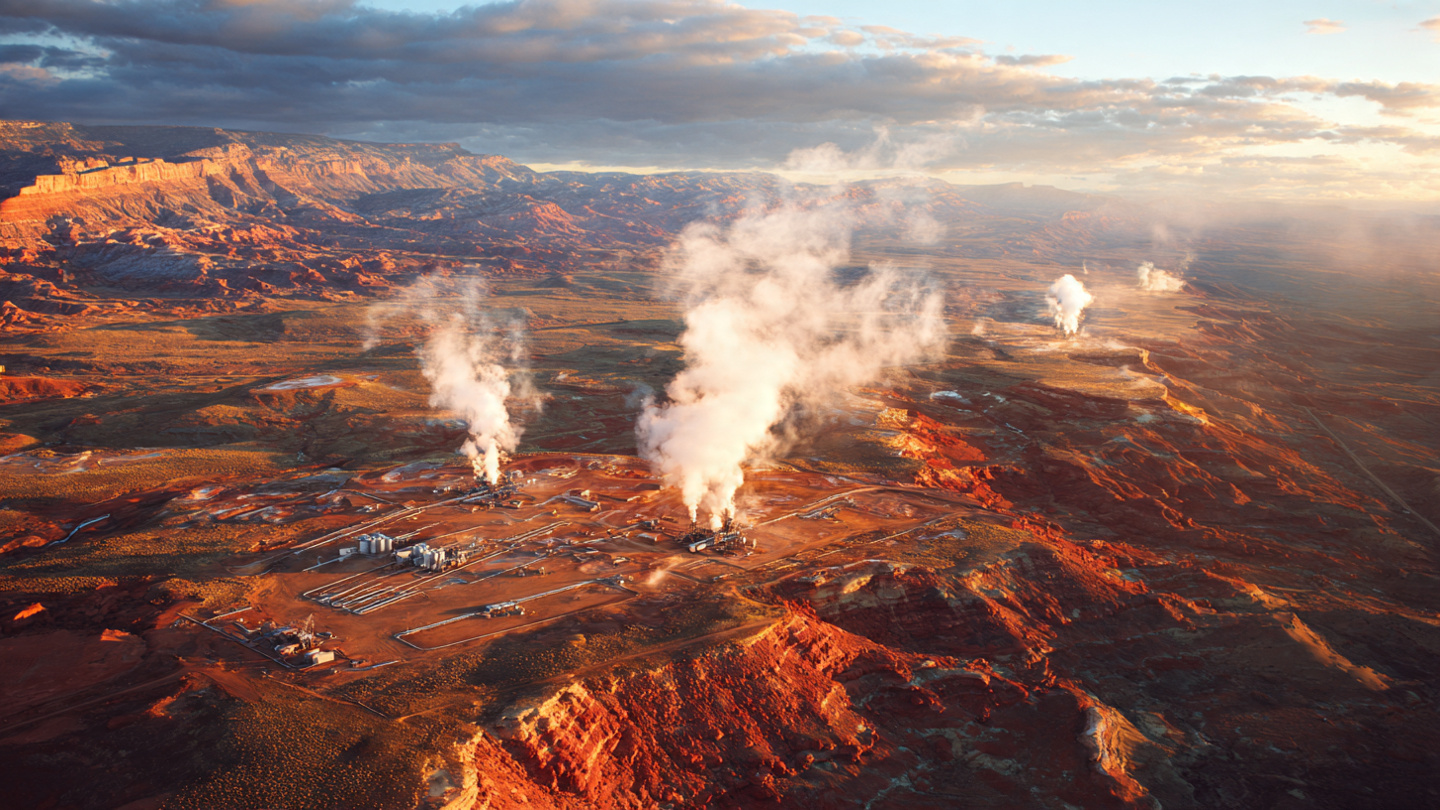
Nine Banks Just Bet $421 Million on Enhanced Geothermal. That's the Fastest Clean Energy Bankability in History.
Fervo Energy's non-recourse project financing for Cape Station signals that enhanced geothermal systems have crossed the threshold from experiment to infrastructure. An original bankability-timeline analysis shows EGS reached this milestone in 3 years, beating wind's 20-year path and solar's 5-7 year climb.

Japan Committed $640 Million to Autonomous Drone Swarms. It Tested the AI Brain in 8 Weeks.
SHIELD, Japan's new layered coastal defense architecture, networks autonomous drones across air, sea, and underwater domains to compensate for a military staffed at just 87% of authorized strength. Mitsubishi Heavy Industries flew the autonomy software from code to airframe in two months. An original cost-exchange analysis reveals the brutal arithmetic driving Tokyo's bet.
More articles load as you scroll.