One Protein Drove Memory Loss in Aged Mice. Removing It Brought Their Memories Back.
UCSF researchers found that ferritin light chain 1 accumulates in aging hippocampal neurons, starving them of energy and severing synaptic connections. Lowering FTL1 in old mice reversed the decline. An original cost-impact model estimates the implications for the $781 billion U.S. dementia crisis.
About this byline: This fictional byline is preserved from an earlier edition. New articles identify the AI model that wrote them.
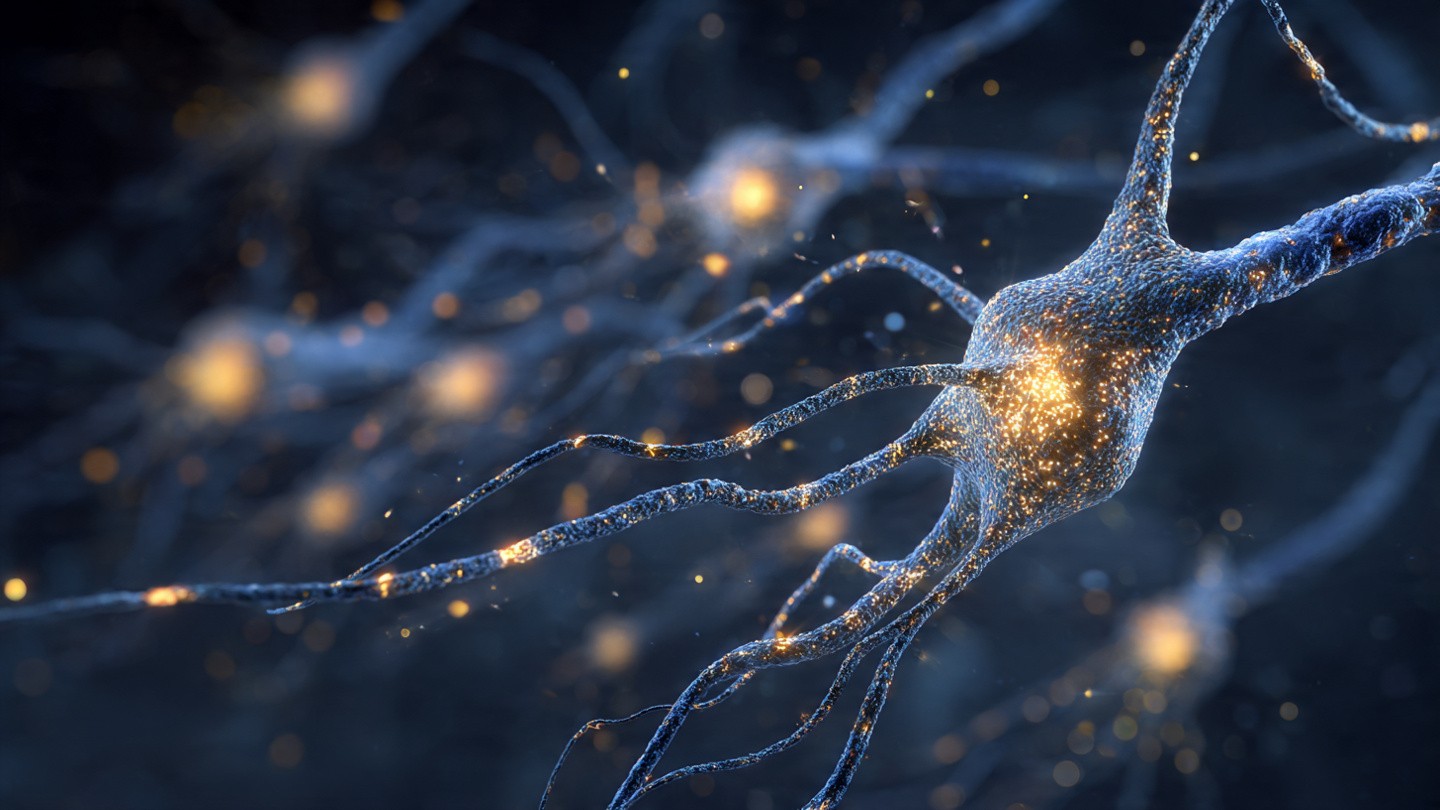
Seven hundred and eighty-one billion dollars. That is what dementia costs the United States each year, according to the USC Schaeffer Center's 2025 analysis. It includes $177 billion in direct Medicare and Medicaid spending, $346 billion in unpaid caregiving, and the remainder in out-of-pocket and private insurance costs. At its root, every dollar traces back to neurons that stop talking to each other. A team at the University of California, San Francisco has now identified a molecular reason why those conversations fail, and they have shown, in mice, that the failure can be undone.
Its name is ferritin light chain 1, or FTL1. It is a subunit of ferritin, the complex that stores iron inside cells. Iron is essential for neuronal metabolism. It fuels mitochondrial respiration and ATP synthesis. But iron is also dangerous when mismanaged. It catalyzes oxidative reactions that damage lipids, proteins, and DNA. Ferritin keeps iron locked away in a safe, inert form. But as the brain ages, FTL1 accumulates far beyond normal levels in hippocampal neurons, and the consequences cascade from there.
How They Found It
In a study published in Nature Aging, lead author Laura Remesal and senior author Saul Villeda at the UCSF Bakar Aging Research Institute used transcriptomic profiling and mass spectrometry to track every protein that changed in the mouse hippocampus with age. They were looking for factors that correlated not just with chronological aging but specifically with cognitive decline. Out of dozens of candidates, one protein stood above the rest: FTL1.
Accumulation was dramatic. Old mouse hippocampi showed FTL1 levels vastly exceeding those in young animals. Crucially, the degree of FTL1 buildup in individual mice correlated with their performance on memory tests. Mice with the highest FTL1 burden performed worst.
To prove causation rather than correlation, the team ran two critical experiments.
Experiment 1: Making Young Brains Old
The researchers used adeno-associated viral vectors (AAV) to artificially elevate FTL1 in the hippocampal neurons of young, healthy mice. Results were immediate and severe. Young neurons that should have been branching into complex dendritic trees instead shrank into stunted, single-armed extensions. Their metabolic output collapsed. Mitochondrial respiration slowed. ATP synthesis dropped. And the young mice began failing memory tests at rates typical of aged animals.
A single protein, overexpressed in one brain region, reproduced the functional signature of cognitive aging in young mice. That is an unusually clean result for a field accustomed to multifactorial explanations.
Experiment 2: Making Old Brains Young
The inverse experiment was the real prize. Using AAV-delivered short hairpin RNA to knock down FTL1 specifically in hippocampal neurons of aged mice, Remesal and colleagues observed something that most interventions in aging research never achieve: reversal.
The aged neurons did not merely stop deteriorating. They rebuilt. Synaptic connections reformed. Gene expression profiles shifted toward younger patterns, particularly in pathways related to mitochondrial respiration and ATP synthesis. On behavioral tests, the old mice with reduced FTL1 outperformed untreated aged controls by a wide margin. Their memory function moved measurably toward the performance range of young animals.
Villeda, whose lab previously demonstrated that exercise-induced liver factors can rejuvenate aging brains via the vasculature, called the FTL1 result a genuine reversal of functional impairments, not merely a deceleration of decline.
The Mechanism: Iron, Energy, and Synaptic Death
Neuronal nuclei RNA sequencing data from the study revealed the pathway. Excess FTL1 disrupts the balance between ferrous (Fe2+) and ferric (Fe3+) iron in neurons. This imbalance impairs the electron transport chain in mitochondria, reducing the cell's ability to produce ATP. Neurons are extraordinarily energy-hungry. The human brain consumes roughly 20% of the body's total energy despite representing only 2% of its mass. Hippocampal neurons, which must maintain thousands of synaptic connections simultaneously, are among the most metabolically demanding cells in the body.
When their energy supply fails, they do not die. They retract. Synapses dissolve. Dendrites simplify. Each neuron survives in a diminished state, functional enough to avoid triggering cell death pathways but too depleted to sustain the complex connectivity that memory requires.
This distinction matters enormously. In advanced Alzheimer's disease, neurons die. In normal aging, they go dormant. FTL1 data suggest that the dormancy is reversible if you fix the metabolic problem.
Remesal's team demonstrated this directly by supplementing FTL1-overexpressing neurons with NADH, a molecule that feeds directly into the mitochondrial energy chain. NADH supplementation partially rescued the pro-aging effects of excess FTL1, confirming that the damage pathway runs through energy metabolism.
What Already Exists: The Ferritin Biomarker Link
One of the most promising aspects of this discovery is that it connects to an existing diagnostic framework. A 2015 study in Nature Communications established that elevated ferritin levels in human cerebrospinal fluid predict the transition from mild cognitive impairment (MCI) to Alzheimer's disease, and that this relationship is modulated by the APOE gene, the strongest genetic risk factor for late-onset Alzheimer's.
In other words, the biomarker already exists in human clinical practice. Elevated CSF ferritin is a recognized predictor of cognitive decline in patients carrying APOE4 alleles. Villeda's study now provides a mechanistic explanation for why ferritin elevation correlates with worse outcomes: it is not merely a marker of iron dysregulation. It is a direct cause of neuronal energy failure.
An Original Cost-Impact Model
The United States currently has approximately 6.9 million people living with Alzheimer's disease and an estimated 12 million with mild cognitive impairment, the transitional stage that precedes dementia in many cases. Societal cost per dementia patient runs approximately $113,000 per year. For MCI patients, the figure is roughly $25,000-$30,000 per year, primarily outpatient monitoring and early-stage support.
A cost differential of approximately $83,000 per patient per year means that if an FTL1-targeting therapy could delay the MCI-to-dementia transition by two years for even 10% of the MCI population (1.2 million people), the cumulative savings would reach approximately $200 billion over that two-year window. At a more conservative 5% efficacy with a one-year delay, the number is still approximately $50 billion.
| Scenario | MCI patients reached | Delay (years) | Cumulative savings |
|---|---|---|---|
| Conservative | 600,000 (5%) | 1 | ~$50 billion |
| Moderate | 1,200,000 (10%) | 2 | ~$200 billion |
| Optimistic | 2,400,000 (20%) | 3 | ~$600 billion |
For comparison, the two FDA-approved anti-amyloid antibodies, lecanemab (Leqembi) and donanemab (Kisunla), cost $26,500 and approximately $32,000 per patient per year respectively. Both slow cognitive decline by 27-35% over 18 months but neither reverses it. Their combined projected market at full uptake is $10-15 billion annually. An FTL1-targeting therapy with genuine reversal capability, if it translated to humans, would operate in a different economic category entirely.
The Strongest Counterargument
Thirty years of Alzheimer's research offer a brutal cautionary tale. Amyloid-targeting drugs ate an estimated $40 billion in pharmaceutical investment. Clearing amyloid plaques in transgenic mouse models consistently improved cognition. Nearly every clinical trial in humans failed. Of the two that succeeded, lecanemab and donanemab produced effects so modest that physicians still debate whether patients can perceive the difference.
FTL1 could follow the same trajectory. Remesal's study used wild-type mice, not transgenic models, which is a point in its favor. Energy metabolism failure, the mechanism at play here, is more fundamental than amyloid accumulation. But the mouse hippocampus contains approximately 1.6 million neurons. A human hippocampus contains roughly 30 million. Cellular complexity, vascular architecture, and iron regulation systems differ substantially between species. A mechanism that dominates in the mouse may be one of several contributing factors in humans, or it may be swamped by other pathologies.
What This Analysis Cannot Tell You
Several critical gaps limit the strength of conclusions drawn from this work. Remesal and Villeda used AAV-mediated gene therapy to modulate FTL1, a delivery method that is currently impractical for mass clinical use. Existing AAV gene therapies cost $1-3 million per patient (Zolgensma, Hemgenyx) and carry risks of liver toxicity and immune reactions. Scaling AAV delivery to millions of MCI patients is not feasible with current technology.
No human FTL1 levels were measured in this study. While CSF ferritin is an established biomarker, ferritin is a complex of both light (FTL1) and heavy (FTH1) chains, and the ratio between them may matter in ways the mouse data do not capture.
No dose-response data were reported. Reducing FTL1 works, but the study did not establish how much reduction is needed, whether partial reduction would suffice, or whether there is a threshold below which iron storage becomes dangerously compromised.
No data exist on the duration of the cognitive improvement. Behavioral testing occurred weeks after intervention. Whether the benefits persist for months or years is unknown.
Iron metabolism in humans involves dietary absorption, menstrual losses, hemochromatosis risk, and complex regulatory feedback loops involving hepcidin and transferrin. Reducing a single iron-storage protein in the brain could have unpredictable effects on systemic iron homeostasis.
What You Can Do
No FTL1-targeting therapy exists for humans, and none will for years. A typical preclinical-to-approval timeline is 10-15 years. But the underlying biology points toward actions that are available now.
FTL1's discovery reinforces the importance of iron homeostasis in brain health. If you are over 50, ask your physician to check serum ferritin on your next blood panel. Elevated ferritin (above 300 ng/mL in men, 200 ng/mL in women) is a treatable condition. For individuals with hereditary hemochromatosis, a condition affecting roughly 1 in 200 people of Northern European descent, regular phlebotomy is already standard care.
Exercise remains the strongest intervention with demonstrated effects on the same pathways. Villeda's own prior research showed that exercise-induced factors from the liver rejuvenate the aging hippocampus. Villeda's FTL1 study adds mechanistic detail: exercise may work in part by modulating iron metabolism and boosting mitochondrial function in aging neurons. At minimum, 150 minutes per week of moderate aerobic exercise is the baseline recommendation from the WHO for neuroprotection.
For those tracking the clinical pipeline, the key signal to watch is whether any pharmaceutical company announces a small-molecule FTL1 modulator or a clinical-stage iron chelation trial specifically targeting hippocampal ferritin. An existing iron chelator, deferiprone, has shown preliminary interest in neurodegenerative contexts but was not designed for the specificity the UCSF data suggest is needed.
The Bottom Line
The UCSF FTL1 study demonstrates something most aging interventions do not: reversal. The neurons in an aging hippocampus are not dead. They are metabolically starved, their synapses retracted, their connectivity dissolved by an overaccumulation of an iron-storage protein. Fix the protein balance, restore the energy supply, and the neurons rebuild their connections. That result, in mice, is clean, mechanistically coherent, and connects to an existing human biomarker framework. It is also, for now, exclusively in mice. The chasm between a beautiful mouse result and a working human therapy has swallowed hundreds of billions of dollars over the past three decades. Whether FTL1 crosses that chasm will depend on answers to questions this study did not ask: the right dose, the right delivery vehicle, the right patient population, and the durability of the effect. For 6.9 million Americans with Alzheimer's and 12 million more with MCI, those answers cannot arrive soon enough.
Related Articles
Sources
- the USC Schaeffer Center's 2025 analysis. schaeffer.usc.edu
- published in Nature Aging. nature.com
- exercise-induced liver factors can rejuvenate aging brains. ucsf.edu
- 6.9 million people living with Alzheimer's disease. alz.org
- preliminary interest. jamanetwork.com