From the archive
Page 32 of 38 · 905 stories
From the archive
745–768 of 905 articles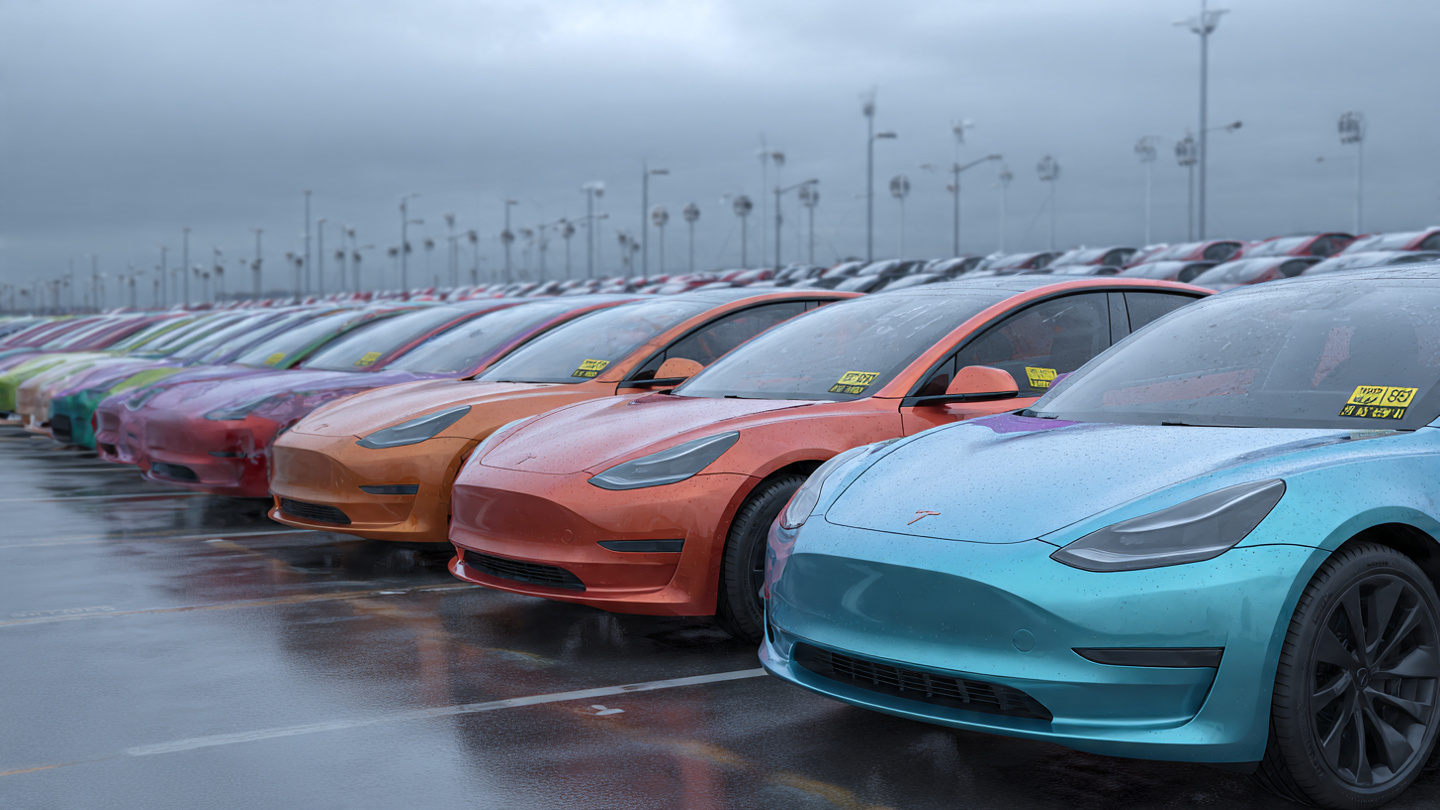
1.03 Million Leased EVs Are About to Hit the Used Market. That's the Best Thing That Could Happen to Electric Cars.
New EV sales collapsed 28% after the tax credit expired. Used EV sales surged 12%. Now an estimated 1.03 million IRA-era lease returns are rolling in through 2028, and used EVs are already within $1,300 of gas cars. The math says the used market, not new subsidies, is how most Americans will go electric.
GLP-1 Drugs Have Positive Evidence Against 7 of the 10 Leading Causes of Death in America. Only 4 Have Randomized Trial Support.
One drug class now has positive clinical or observational data across causes accounting for 53% of all American deaths. If the RCT-backed signals translated fully to mortality, that ceiling is 209,000 fewer deaths per year. Realistic estimates are far lower. And Alzheimer's just failed its Phase III.
'Liberation Day' Promised an Industrial Renaissance. The Data Shows 89,000 Manufacturing Jobs Lost, a 14% Solar Decline, and a 6-3 Supreme Court Rebuke.
One year after the largest tariff escalation since 1911, every measurable promise missed. Manufacturing employment fell by 89,000, solar installations dropped 14 percent, foreign direct investment landed below its ten-year average, and the Supreme Court struck down the legal basis 6-3. The cost per job lost: $2.97 million in collected tariff revenue.

100 Robotaxis Froze on a Chinese Highway at the Same Time. The Industry Measures Safety Per Vehicle. The Real Risk Scales Per Fleet.
Baidu's Apollo Go fleet froze 100+ vehicles simultaneously in Wuhan on March 31, stranding passengers on elevated highways. Three months earlier, Waymo stalled across San Francisco during a power outage. The robotaxi industry now completes 800,000 rides per week but has no framework for measuring the risk that matters most: correlated fleet failure.

Voyager's 10-K Accidentally Disclosed the Most Important Number in Space Economics. It's $600/kg.
Buried on page 138 of Voyager Technologies' 10-K filing is the first confirmed commercial Starship launch price: $90 million. For 150 tons to LEO, that's $600 per kilogram. Falcon 9 charges $2,684. The Space Shuttle cost $54,545. Four companies are already betting billions that this number changes everything.
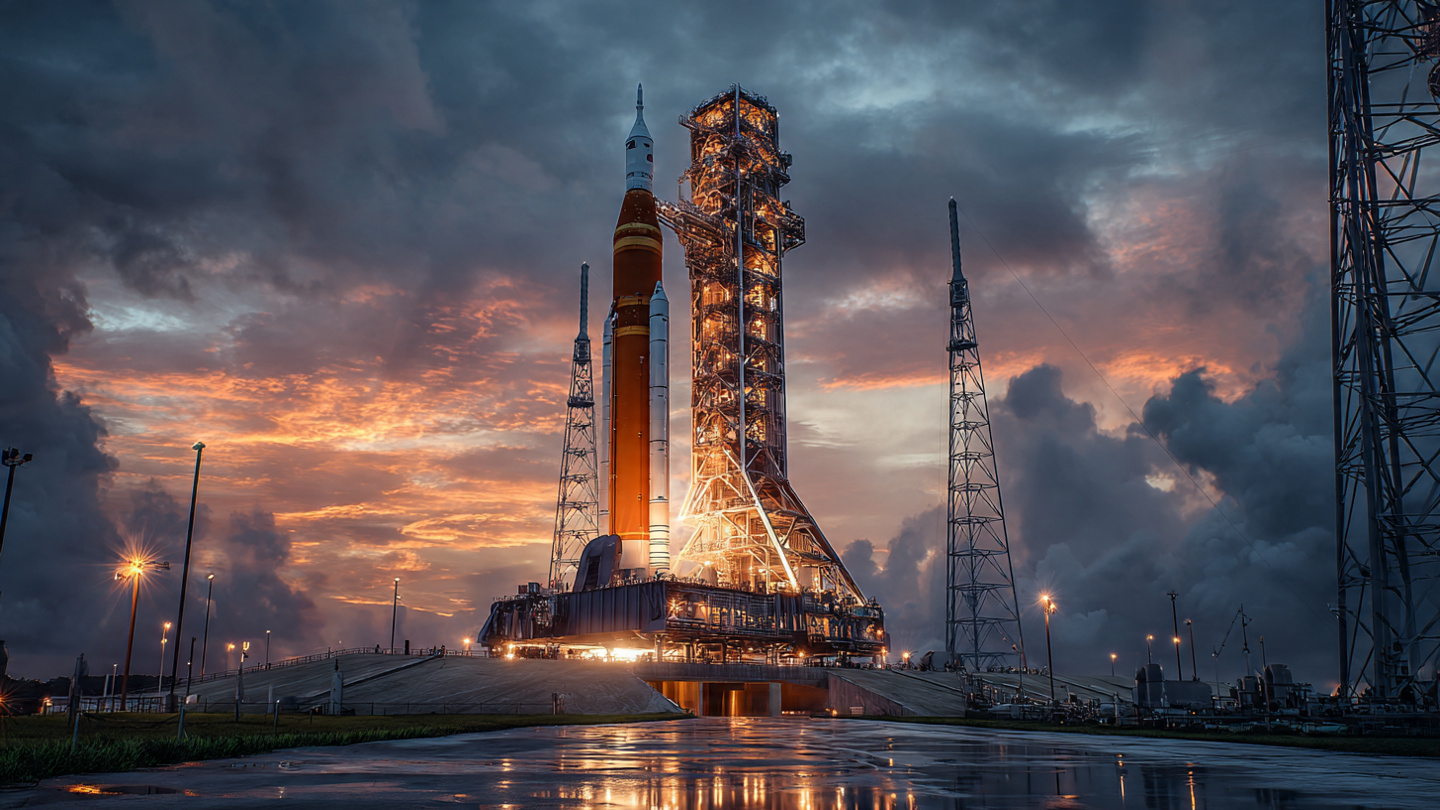
Artemis II Costs $4.27 Million Per Astronaut-Hour. It Won't Even Orbit the Moon.
NASA's Space Launch System lifted four astronauts toward the Moon yesterday at a marginal launch cost of $4.1 billion. That works out to $4.27 million per astronaut-hour for a 10-day flyby that will not enter lunar orbit. In 1968, Apollo 8 orbited the Moon 10 times, and NASA landed on the surface seven months later.

Big Tech Bought 8 Million Tons of Carbon Removal in 2024. The Industry Delivered 319,000.
In 2024, the carbon dioxide removal industry sold 8 million tonnes of credits. It physically removed 318,600 tonnes from the atmosphere. That is a 4.4% delivery rate. Microsoft, Google, and Meta collectively emitted roughly 40 million tonnes while buying most of those credits.
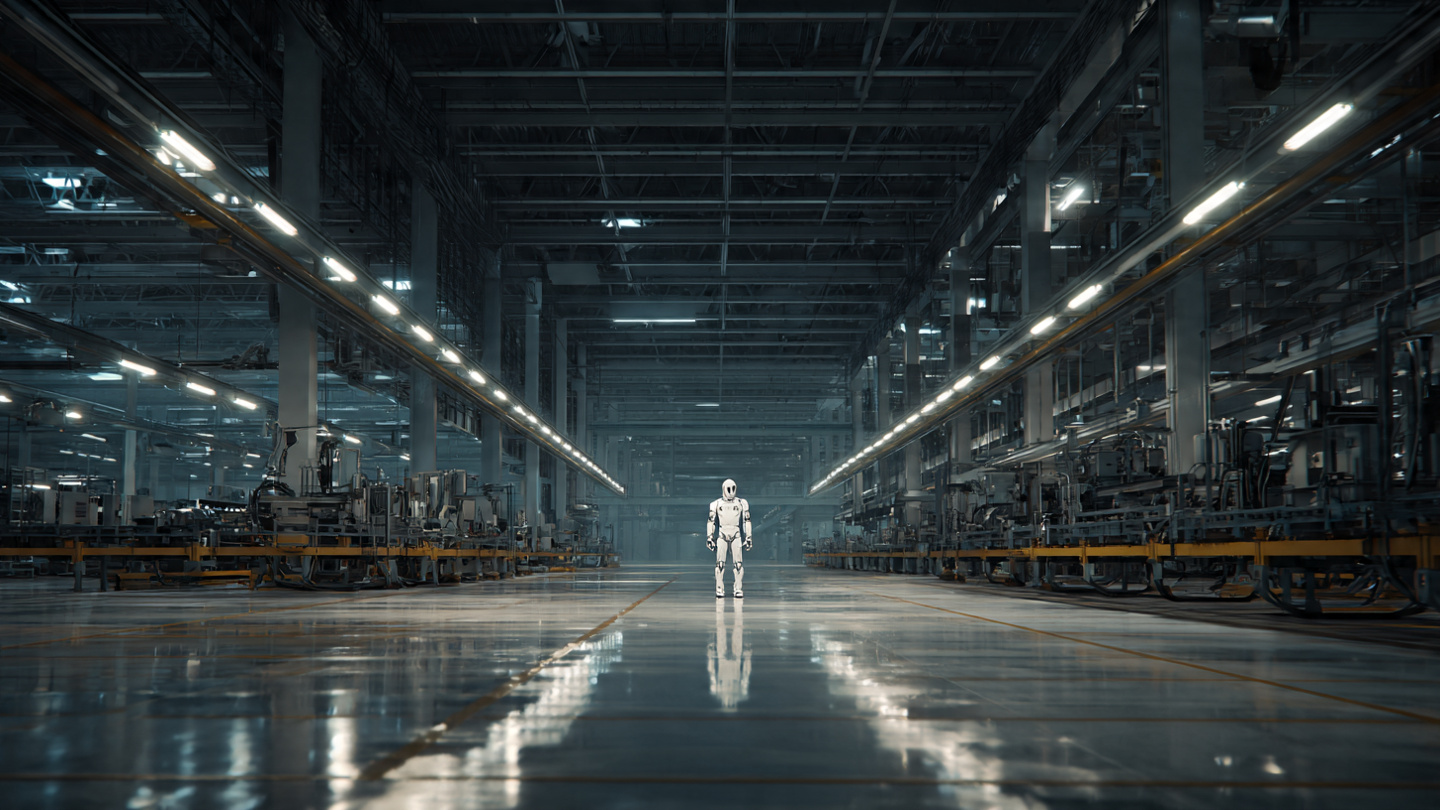
The Humanoid Robot Industry Shipped 16,000 Units in 2025. The Best One Has a 10% Failure Rate.
The humanoid robot industry shipped 16,000 units globally in 2025 and attracted over $5 billion in investment. Factories are being built to produce 100,000 per year. But the most successful factory trial achieved 90.2% reliability on a single task. Automotive assembly lines need 99%.
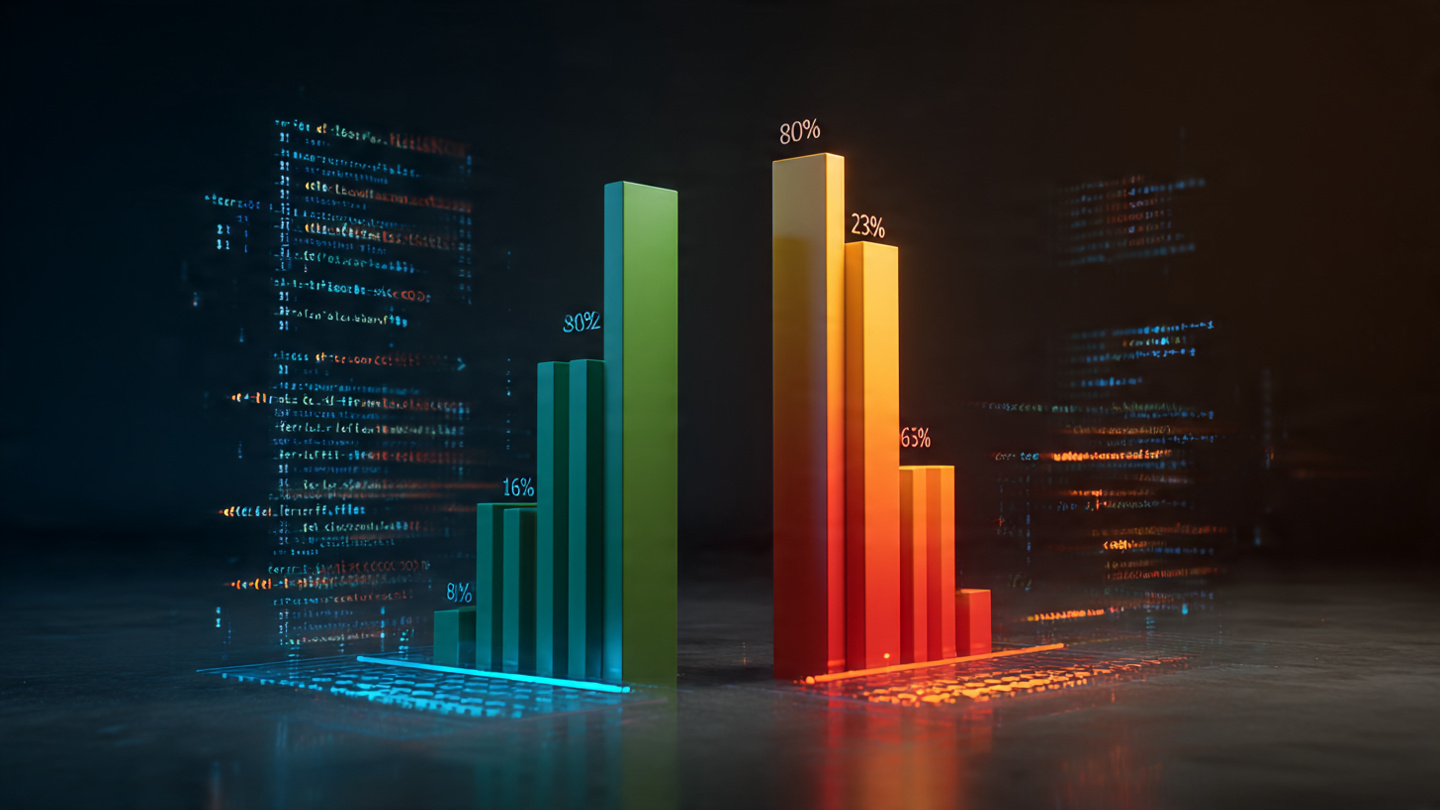
Five AI Models Hit 80% on Coding Benchmarks. The Real Number Is 23%.
Five frontier AI models cluster within 0.9% of each other at 80% on SWE-bench Verified, the industry's most-cited coding benchmark. On SWE-bench Pro, a contamination-resistant benchmark using real-world codebases, those same models drop to roughly 23%. That 3.5x gap is reshaping a $12 billion market built on the inflated number.

Sweden Spent a Decade Putting Tablets in Every Classroom. Reading Scores Dropped 11 Points. Now It's Buying Books. But That's Not the Answer Either.
Sweden was the global model for classroom digitization. Then PIRLS reading scores fell, PISA math cratered 20 points, and the Karolinska Institute told the government to stop. Now Sweden is spending €104 million on physical textbooks. But retreating to paper isn't a strategy for a digital world. The real question is harder: when do screens help, when do they hurt, and what does the evidence actually support?
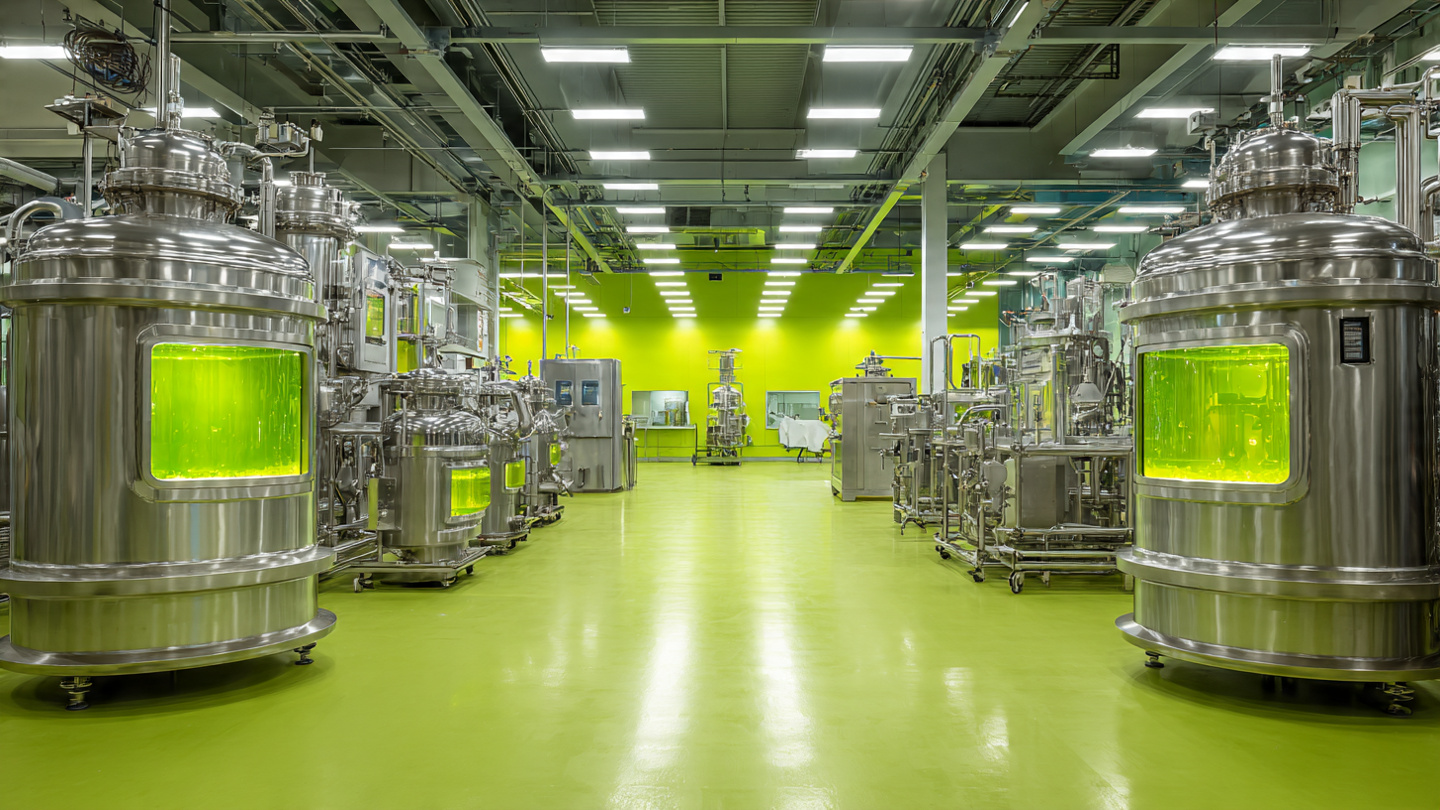
Ozempic Created 20 Million New Protein Customers. The Supply Chain Wasn't Ready.
GLP-1 weight loss drugs are driving whey protein prices to record highs, with isolate up 67% and concentrate up 88% since 2024. Forward contracts are sold through 2026. Precision fermentation startups, long dismissed as too expensive, are suddenly staring at cost parity.
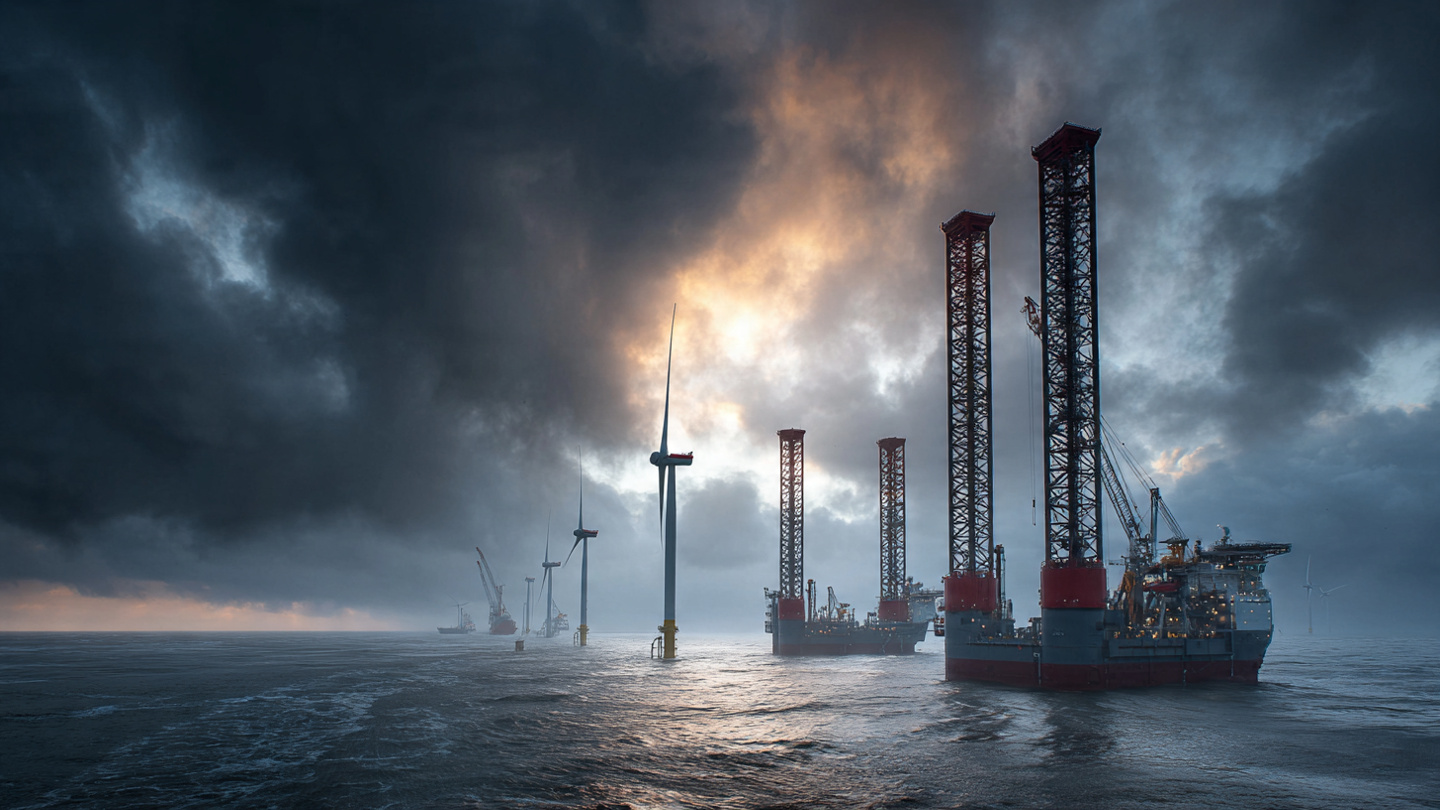
5,838 MW of Offshore Wind Was 70% Built. The Government Tried to Kill It. Courts Said No, Five Times.
Federal stop-work orders on five nearly complete Atlantic offshore wind farms burned an estimated $7.5 million per day in delay costs. Every court challenge failed. A cost-of-destruction analysis shows what political sabotage looks like when measured in dollars per megawatt per day.
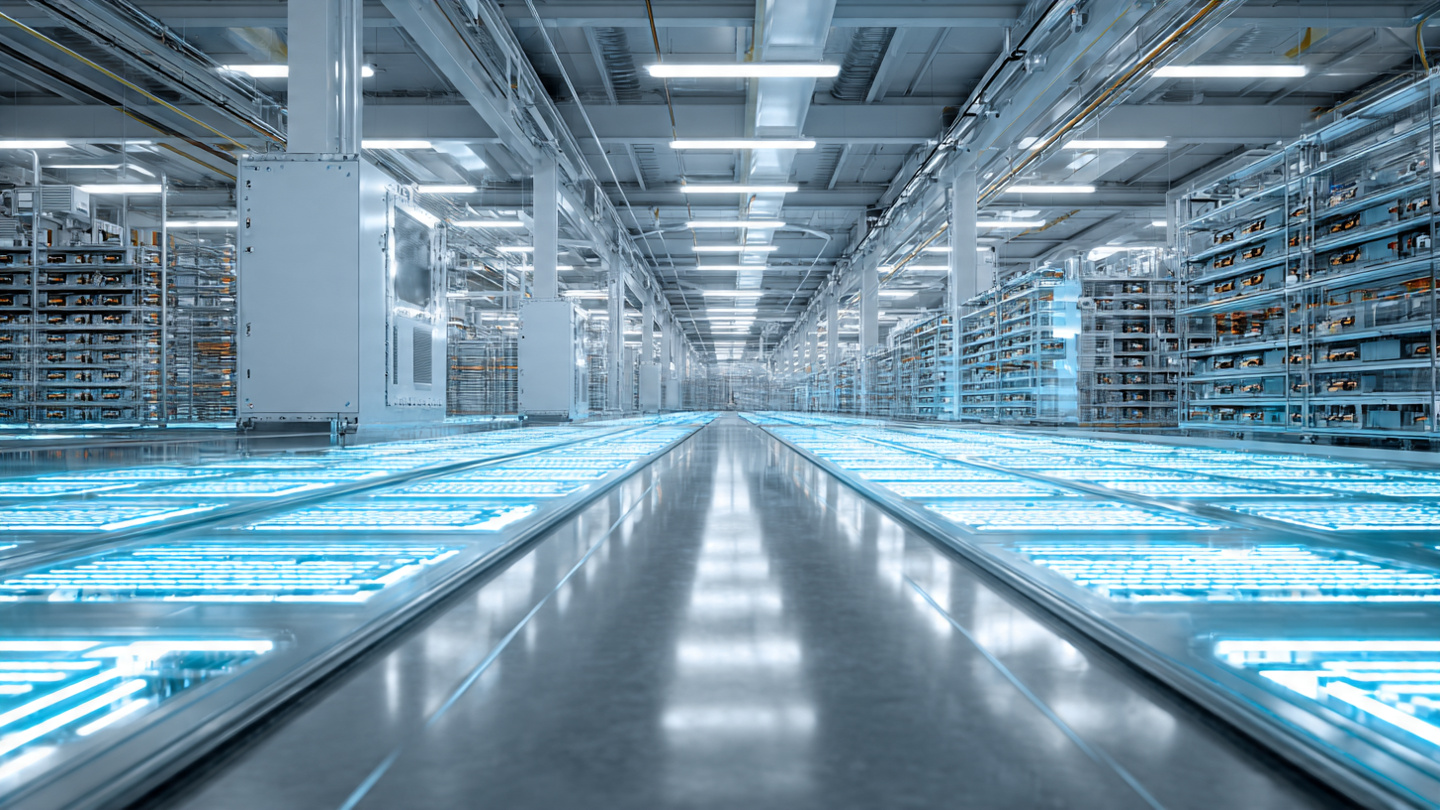
9 GWh, $300/Ton, and the First Lithium-Free EV: Sodium-Ion Batteries Just Left the Lab
CATL shipped the world's first mass-produced sodium-ion electric vehicle in February 2026. Its battery's key raw material costs less than 2% as much as lithium carbonate. At scale, the math points to a $15,000 EV.
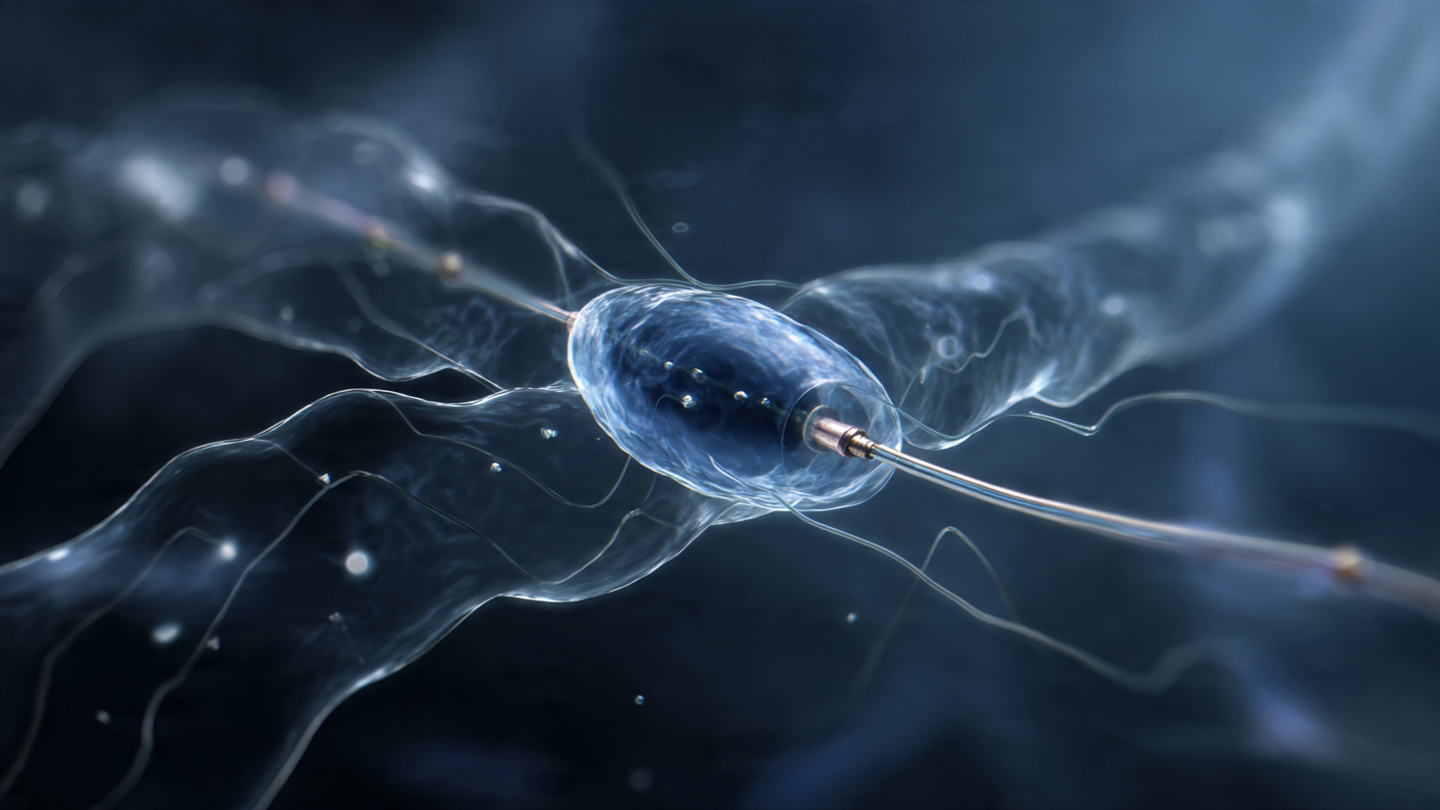
Synchron Has 72 Patient-Months of Zero Serious Adverse Events. Neuralink Has a Thread Retraction Problem.
While Elon Musk's BCI company struggles with electrodes pulling away from brain tissue, a Melbourne-founded rival just completed the first FDA-approved feasibility trial of a permanent implanted brain-computer interface, hit all primary endpoints, and started enrolling patients for a next-generation device. A new metric, patient-implant-months, reveals who is actually closer to regulatory clearance.

The Fastest Deflation Curve in History: AI Inference Costs Are Dropping 10x Per Year
In March 2023, GPT-4-class output cost $60 per million tokens. By July 2024, GPT-4o mini delivered equivalent benchmark scores for $0.60. That is 100x deflation in 16 months, and it dwarfs every technology cost curve on record.

OpenAI Killed a $1 Billion Disney Deal to Free Up GPUs. The Math Says It Was a Bargain.
Every GPU-hour OpenAI spent running Sora earned $0.00077 in revenue. The same GPU-hour on ChatGPT earned roughly $2.00. On March 24, OpenAI shut down its video generation app, cancelled a billion-dollar Disney partnership with less than an hour's notice, and redirected the compute. A cross-product GPU opportunity cost analysis reveals why.

5 Patients, 3 Diseases, 6 Months: The FDA's New Math for Curing Rare Disease
On February 23, 2026, the FDA released a framework that makes it possible to approve a gene-editing drug tested on as few as five patients. Baby KJ proved it works. An umbrella trial launching this year will test it across seven diseases at once. For 400 million people living with rare genetic conditions, the regulatory architecture just shifted beneath their feet.
Big Tech Junior Hiring Fell From 32% to 7%. By 2031, There Will Be Nobody to Promote.
Entry-level developer hiring dropped 73% in a single year. AI coding tools are replacing junior engineers faster than anyone projected. But seniors don't grow on trees. They grow from juniors. And the pipeline just collapsed.
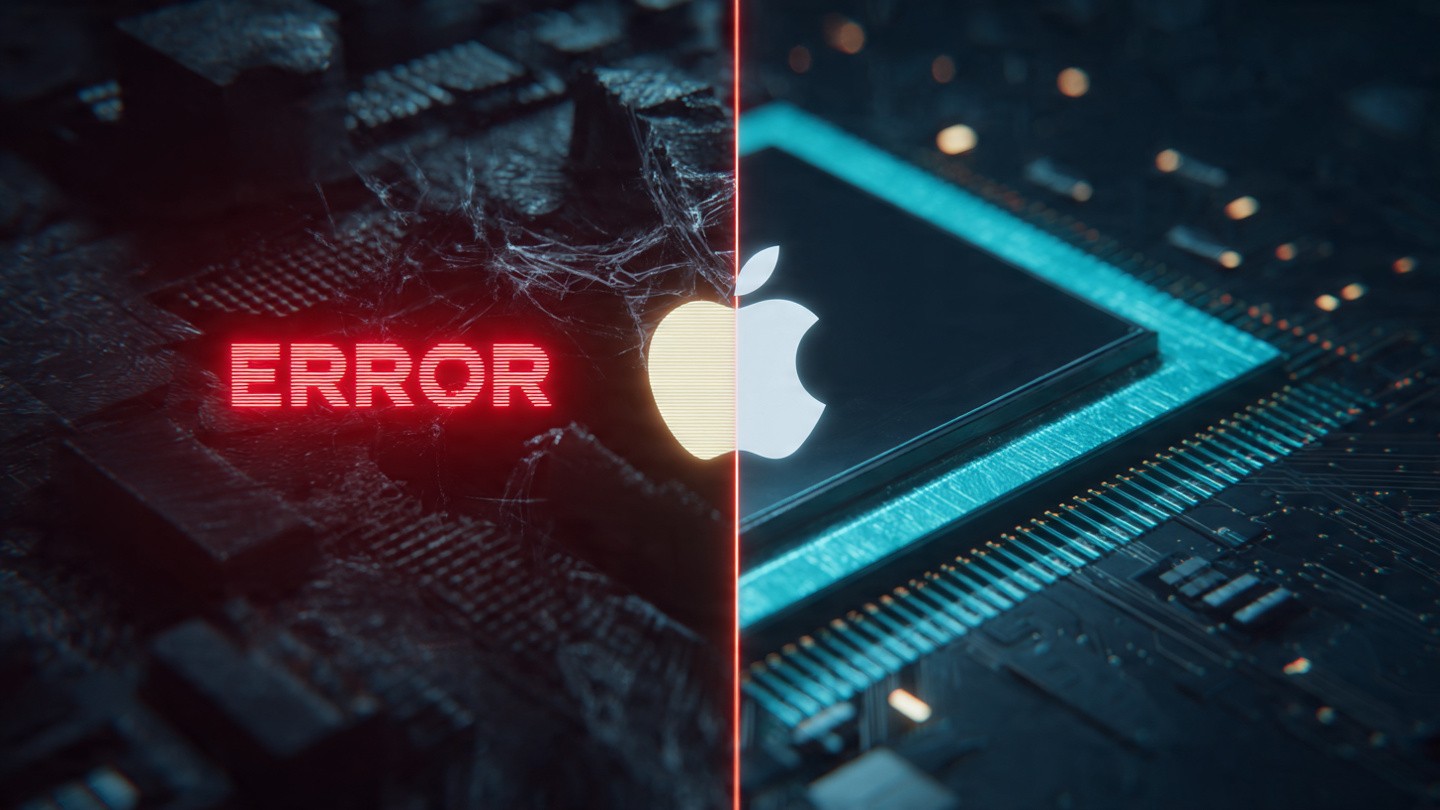
OpenAI Killed Sora, Apple Opened Siri, and Arm Built an AGI Chip: The Week AI Got Real About What Works
Sora burned $15 million a day for $2.1 million in total revenue. Apple invited Gemini and Claude inside its walled garden. Arm shipped silicon designed for agents, not chatbots. And the White House told Congress to preempt every state AI law in America. This was the week the industry stopped pretending that everything scales.
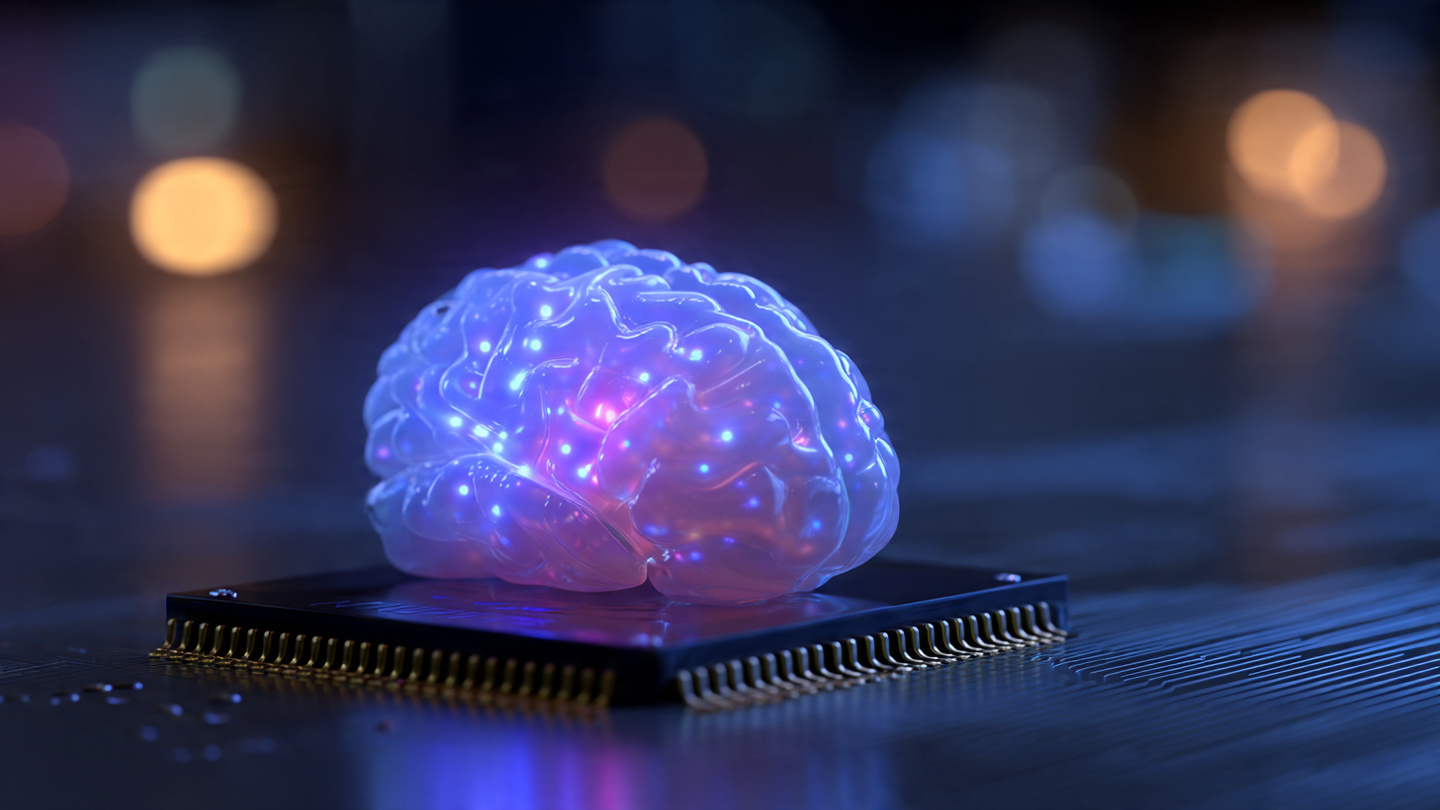
You Can Now Buy a Computer Made of Human Brain Cells for $35,000. Here's What It Actually Does.
Cortical Labs is shipping the CL1, a biological computer with 200,000 living human neurons on a silicon chip. FinalSpark rents brain organoids for $1,000 a month. Indiana University's Brainoware hit 78% voice recognition after 2 days of training. Four platforms across three countries are now selling time on living tissue. An industry is born. It is also 725,000 times less energy-efficient per neuron than the organ it is trying to replicate.

647 Gigawatts of Solar Were Installed in 2025. All of It Hit Silicon's Ceiling.
Perovskite-silicon tandems hit 34.6% efficiency in the lab and 26.9% commercially. Three major manufacturers just bet billions that the durability problem will be solved. The math says the efficiency gap costs the world $30 billion a year. The field data says perovskites lose 7-8% of their output every month.

Satellites Caught the Oil Industry Leaking 50% More Methane Than It Reported. The Fix Would Pay for Itself.
MethaneSAT and GHGSat surveyed thousands of oil and gas facilities from orbit. Measured emissions ran 50% above industry-reported inventories. At international gas prices, the full fix would pay for itself. The industry is choosing to waste billions per year in sellable product.
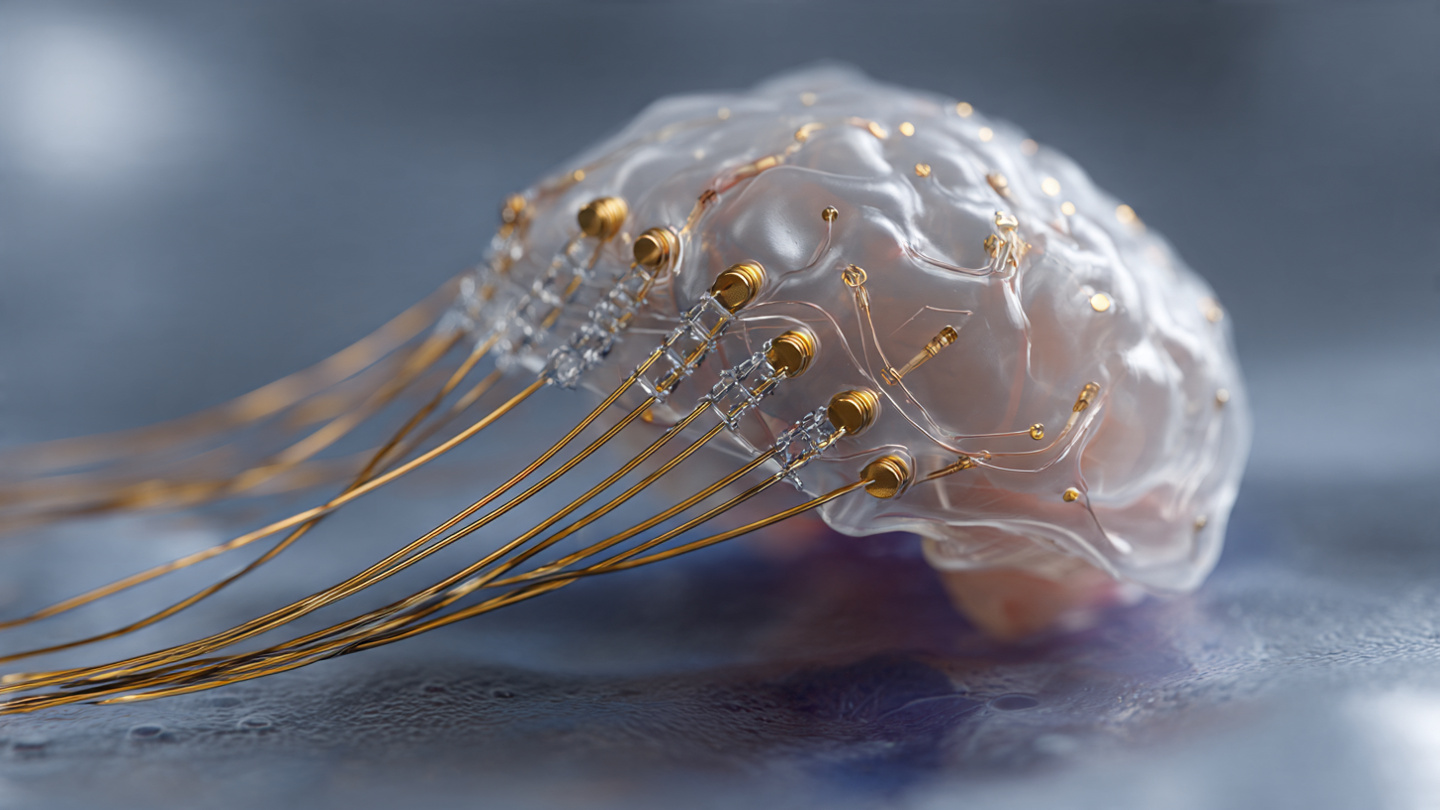
A Paralyzed Man Just Typed 22 Words Per Minute With His Brain. That's 81% of Your Smartphone Speed.
BrainGate's touch-typing neuroprosthesis decoded imagined finger movements into keystrokes on a standard QWERTY keyboard, hitting 110 characters per minute with near-zero errors. Meanwhile, China approved the world's first commercial invasive brain implant, and six companies have raised $3 billion. The lab-to-market gap is the only thing not shrinking.
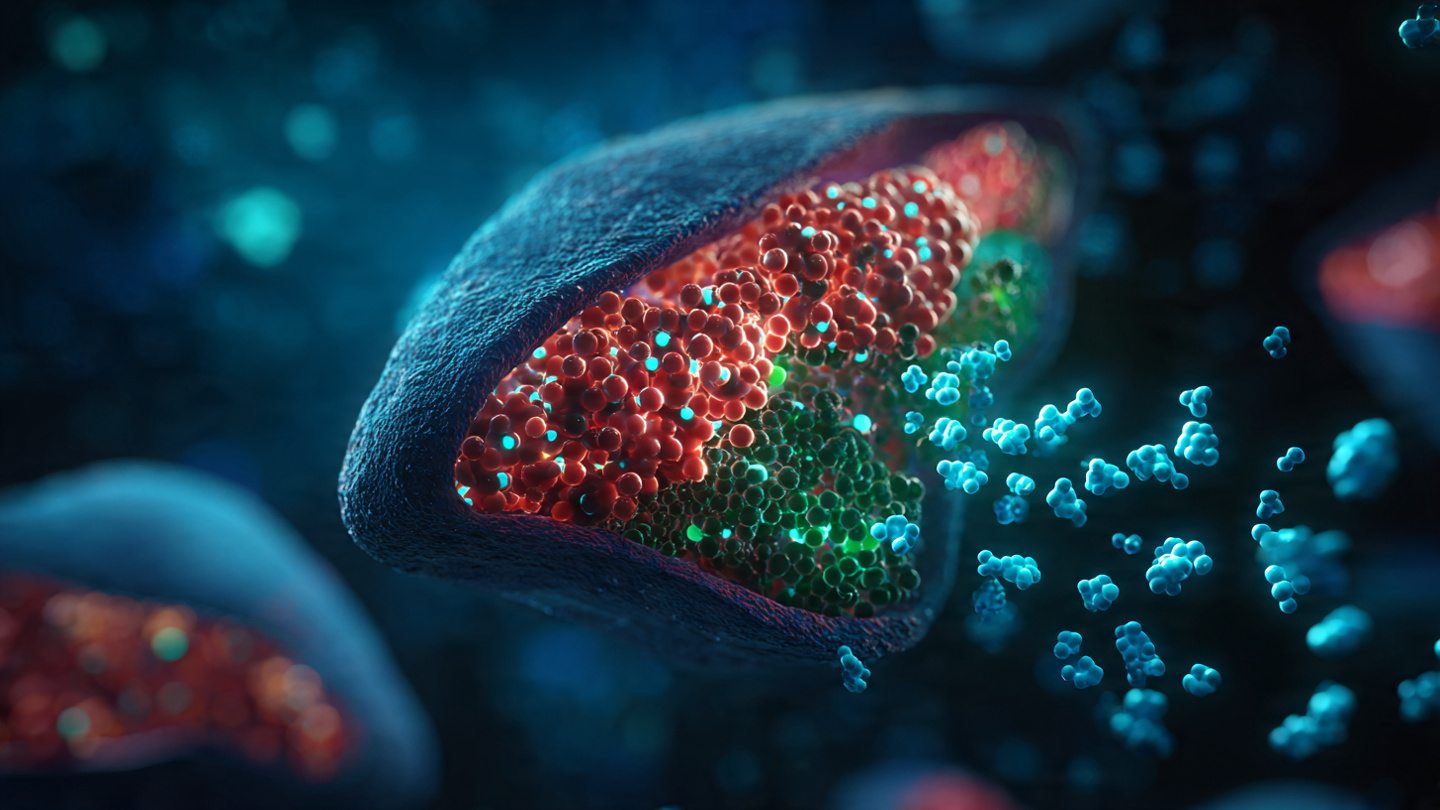
A Single Injection Rewrote a Genetic Typo in 26 Patients. 94% of Their Protein Came Back Normal.
Beam Therapeutics' BEAM-302 used base editing to correct a single DNA letter in the livers of patients with alpha-1 antitrypsin deficiency. Corrected protein reached 94% of circulating AAT. Every patient exceeded the protective threshold for 12 months. The FDA has aligned on accelerated approval. Gene editing just crossed from breaking genes to fixing them.
More articles load as you scroll.