From the archive
Page 18 of 38 · 905 stories
From the archive
409–432 of 905 articles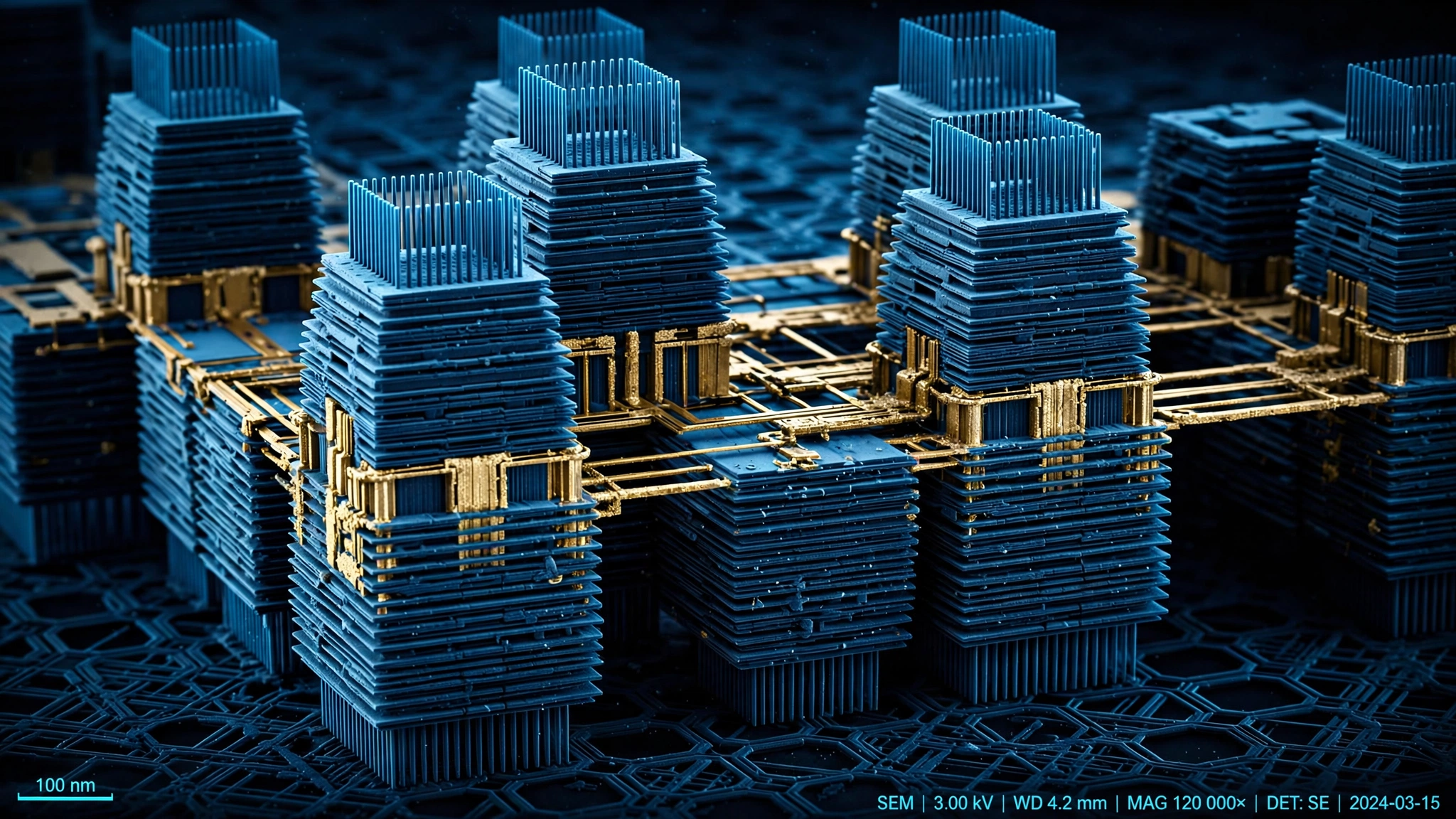
IBM Paid $1.5 Billion to Stop Making Chips. Now It Invents Every Architecture the Industry Uses.
IBM's new 0.7nm Nanostack chip packs 100 billion transistors on a fingernail-sized die, two full nodes ahead of anything in production. But IBM sold its fabs in 2015 and can't manufacture a single one. Historical data shows a widening gap between IBM lab breakthroughs and foundry mass production: 3 years in 2004, 5 years in 2022, and an estimated 7-8 years for this one.

Washington Gatekept a Model Release. Google Lost a Nobel Laureate. OpenAI Built Its Own Chip.
The Trump administration told OpenAI to gate GPT-5.6 Sol through a government-approved customer list. Google lost two of AI's most credentialed researchers in 72 hours. OpenAI unveiled its first custom inference chip with Broadcom. Five Eyes intelligence agencies warned that AI-powered cyberattacks are months, not years, away. SpaceX closed a $60 billion acquisition of Cursor. Seven stories from the week AI became a controlled substance.
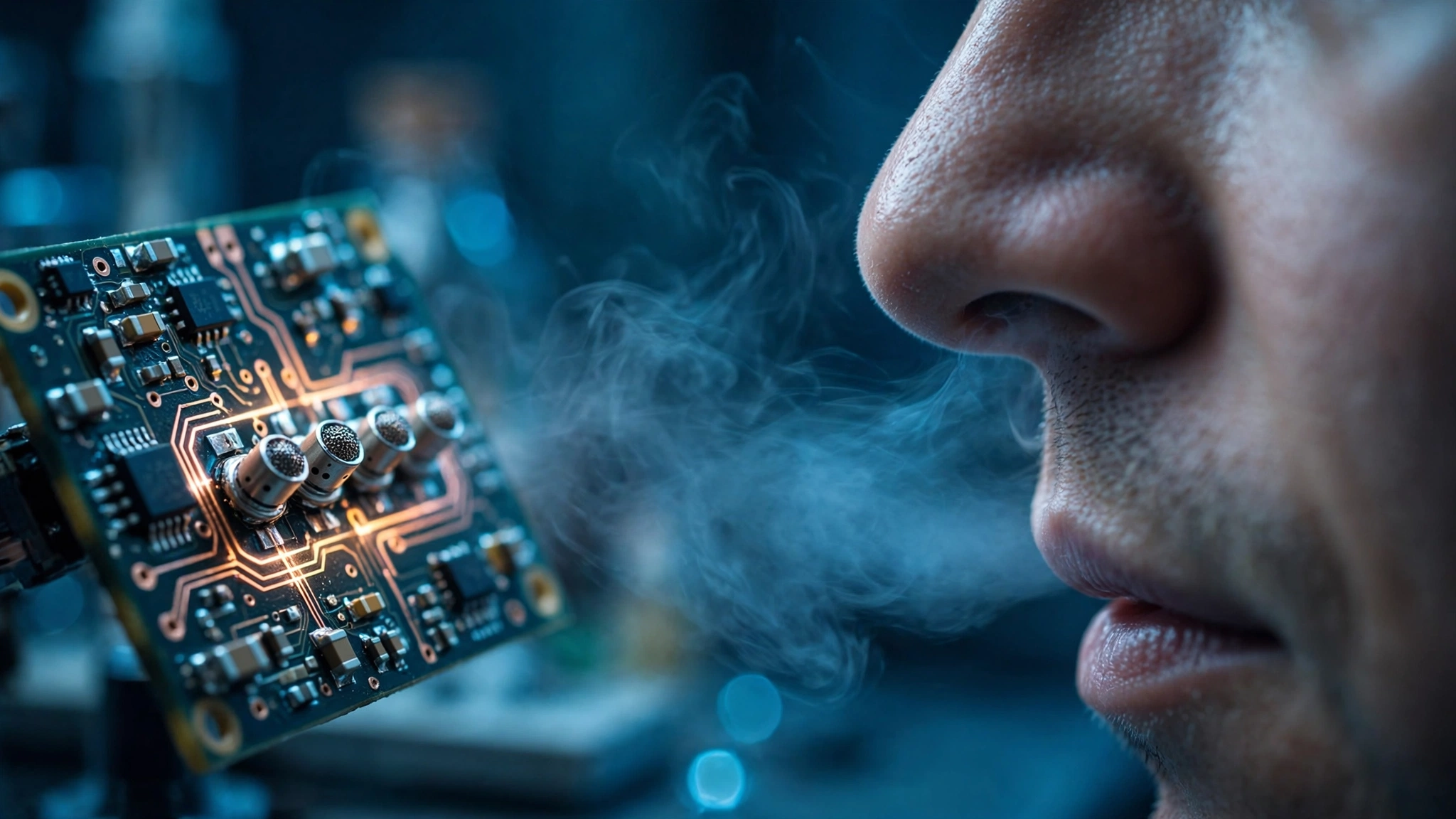
A Nurse Smelled Parkinson's 12 Years Before Diagnosis. A $87 Sensor Array Can Now Match Her Nose. Here's the Build.
Joy Milne's nose identified Parkinson's disease from skin oils with superhuman precision. Chinese researchers replicated her ability with a GC-SAW sensor and CNN model at 94.4% accuracy. Haick's Na-Nose at Technion classifies 17 diseases from 2,808 breath samples. The patent landscape is crowded. The open-source hardware stack to democratize this costs less than a stethoscope.
The FDA Will Vote on 7 Peptides in 26 Days. The Total Human Evidence Behind Them Fits on One Page.
An evidence audit of the 7 peptides heading to the FDA's Pharmacy Compounding Advisory Committee on July 23. Across all seven, we count 3 published human studies enrolling 30 total participants. Meanwhile, an estimated 40-75% of grey-market samples fail basic safety standards. The math of what we know versus what we're injecting has never been this lopsided.
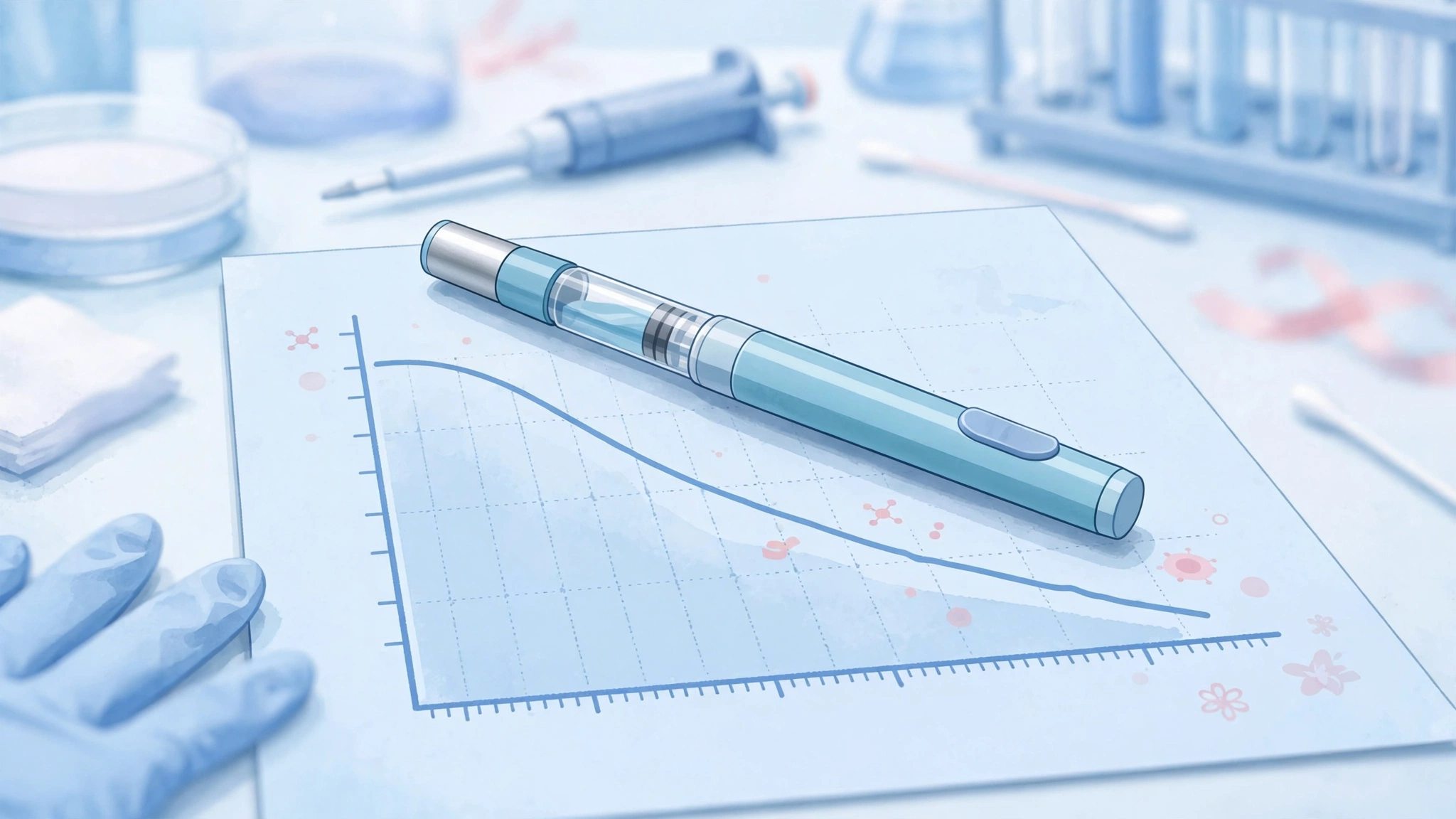
GLP-1 Drugs Cut Breast Cancer Risk 30%. Preventing One Case Costs $8.2 Million.
Two ASCO 2026 studies covering 192,000 women found GLP-1 drugs associated with 16-30% lower breast cancer incidence. But a number-needed-to-treat analysis reveals the prevention economics are 65 times worse than tamoxifen. The real story is that 42 million Americans may get cancer protection for free.
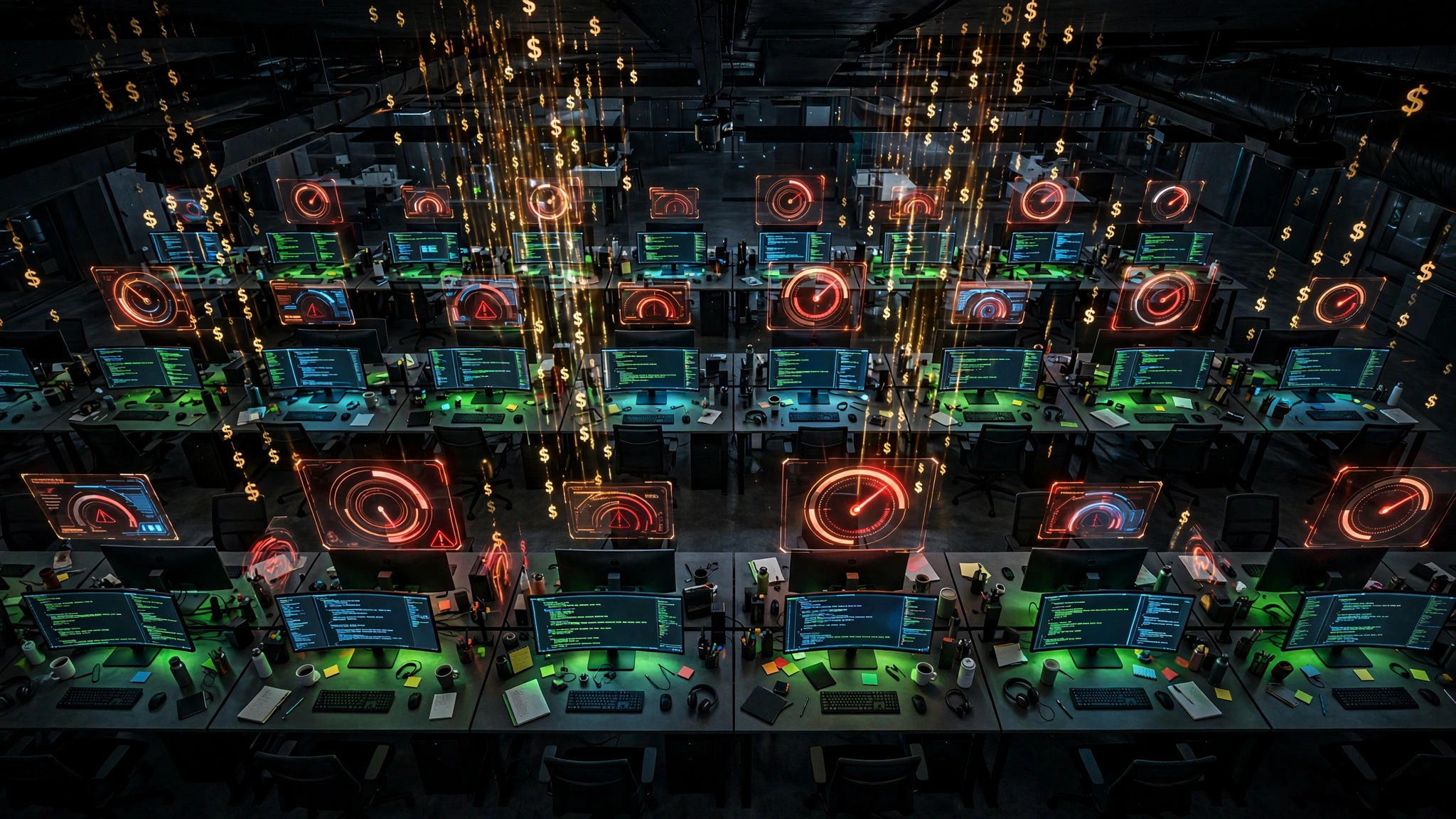
Uber Burned Its 2026 AI Budget in Four Months. The Only Controlled Study Found a 19% Slowdown.
AI coding tools cost 7-10% of a developer's loaded salary. The only randomized controlled trial of AI-assisted coding found developers got 19% slower. The math produces a 26-29% negative ROI before you count the accumulating technical debt.

A Study of 3,715 Mensa Members Says Guilt Means You're Smart. A Study of 252,000 People Says It Doesn't.
Vice says feeling guilty all the time means high IQ. The largest study ever done found the opposite. Here's what the research actually shows.
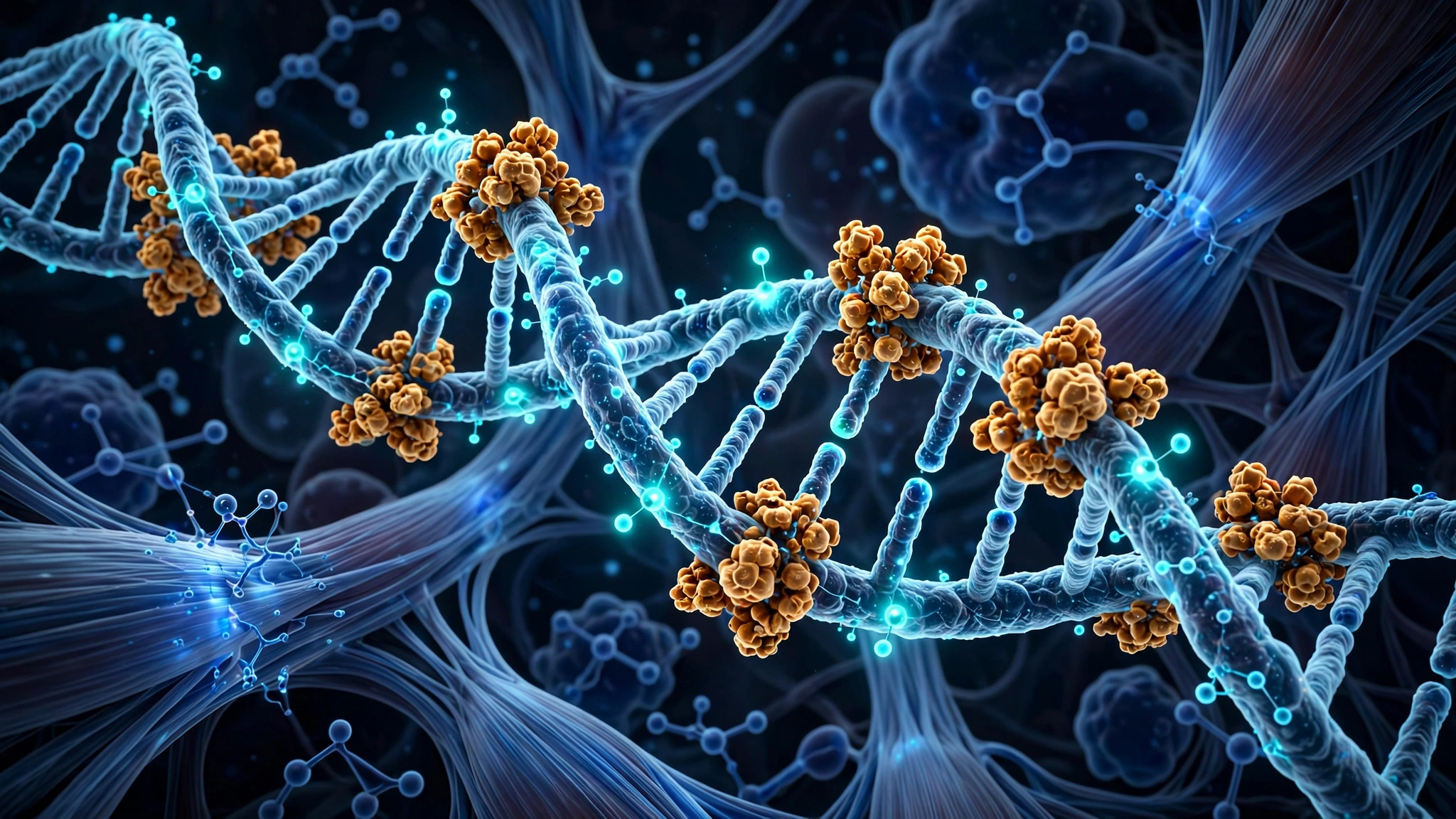
Every FSHD Trial Measured Muscle Loss. Epicrispr's Patients Gained 0.8 Pounds.
Epicrispr's EPI-321 is the first epigenetic editing therapy to report efficacy data. All three evaluable FSHD patients gained lean muscle volume at six months — an average of 370 mL — reversing a direction of travel that no prior trial has changed.
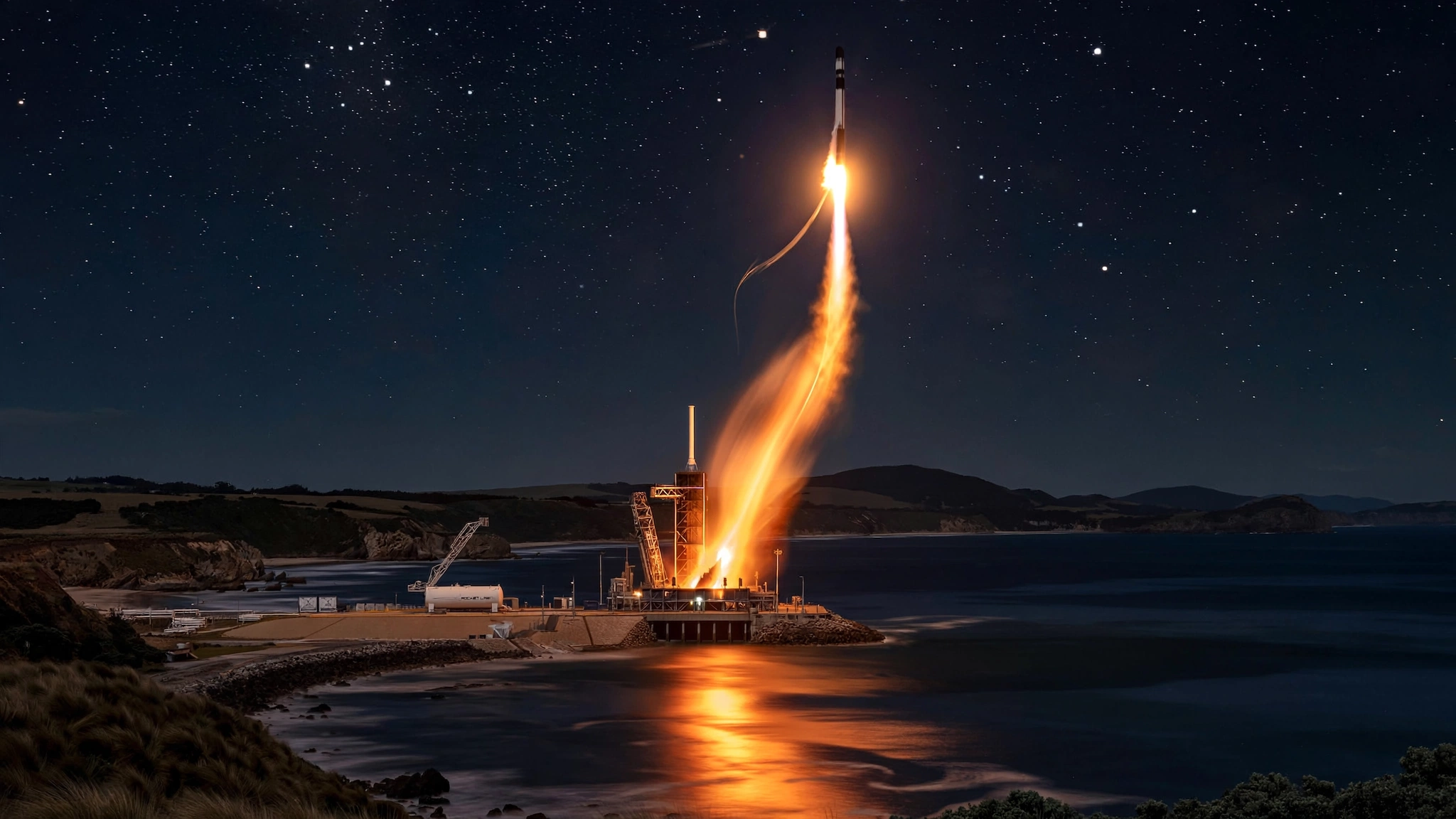
16 Hours, 42 Minutes: Rocket Lab's Scramble Record Makes Shooting Down Satellites 780× More Expensive per Hour
Rocket Lab launched a military satellite 16 hours and 42 minutes after the Space Force called. Before this capability existed, destroying a satellite bought an adversary 13,000+ hours of denial. Now it buys 17. The cost-per-hour-of-orbital-denial math has shifted by nearly three orders of magnitude.
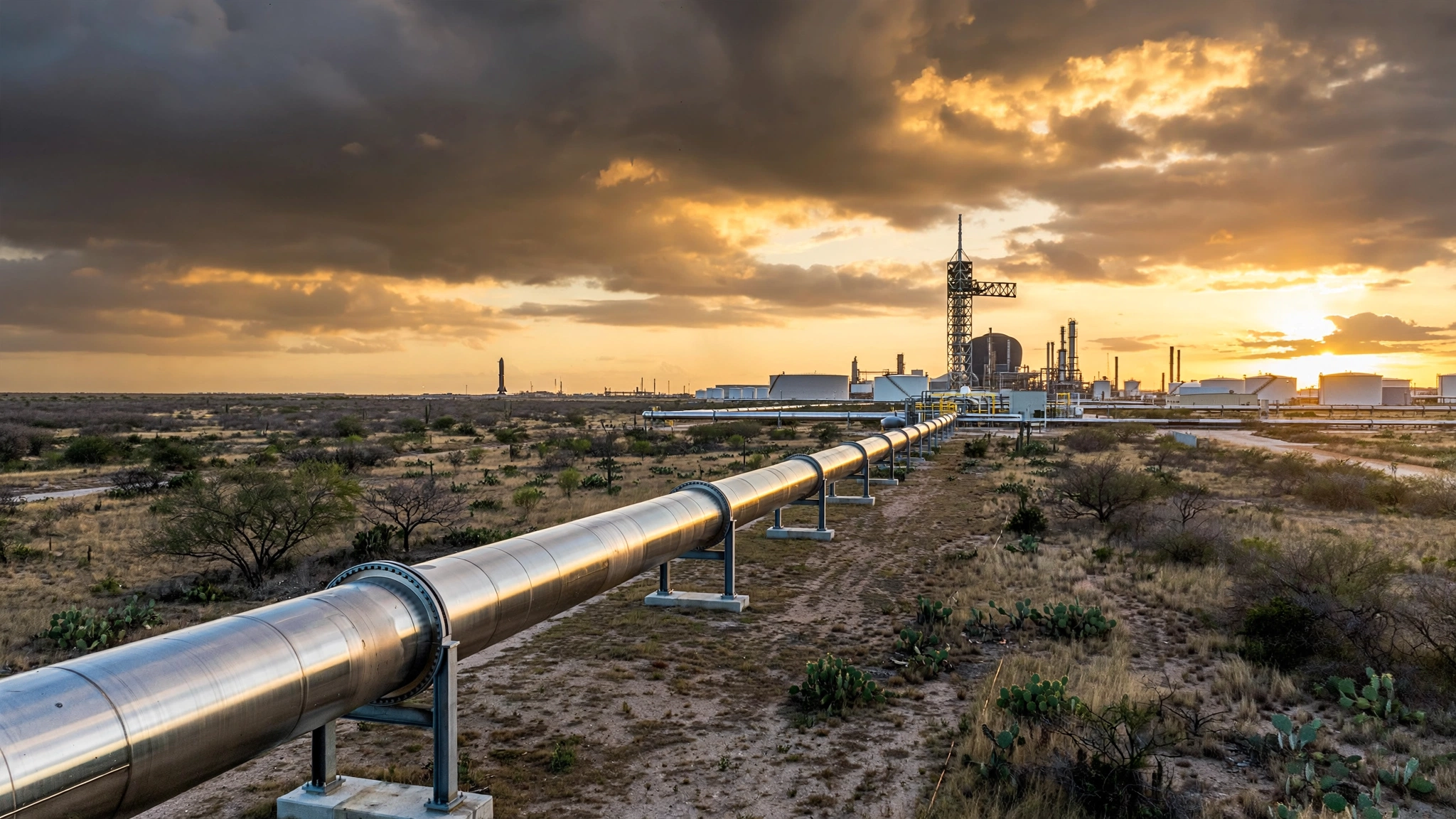
SpaceX Is Building Its Own Gas Pipeline. It's Sized for at Least 1,400 Launches a Year.
SpaceX's Starpipe, an 8-mile, 16-inch natural gas pipeline to Starbase, can deliver enough methane for 1,400 to 2,800 Starship launches annually. Starship has flown 12 times. The pipeline math reveals what SpaceX is actually planning.
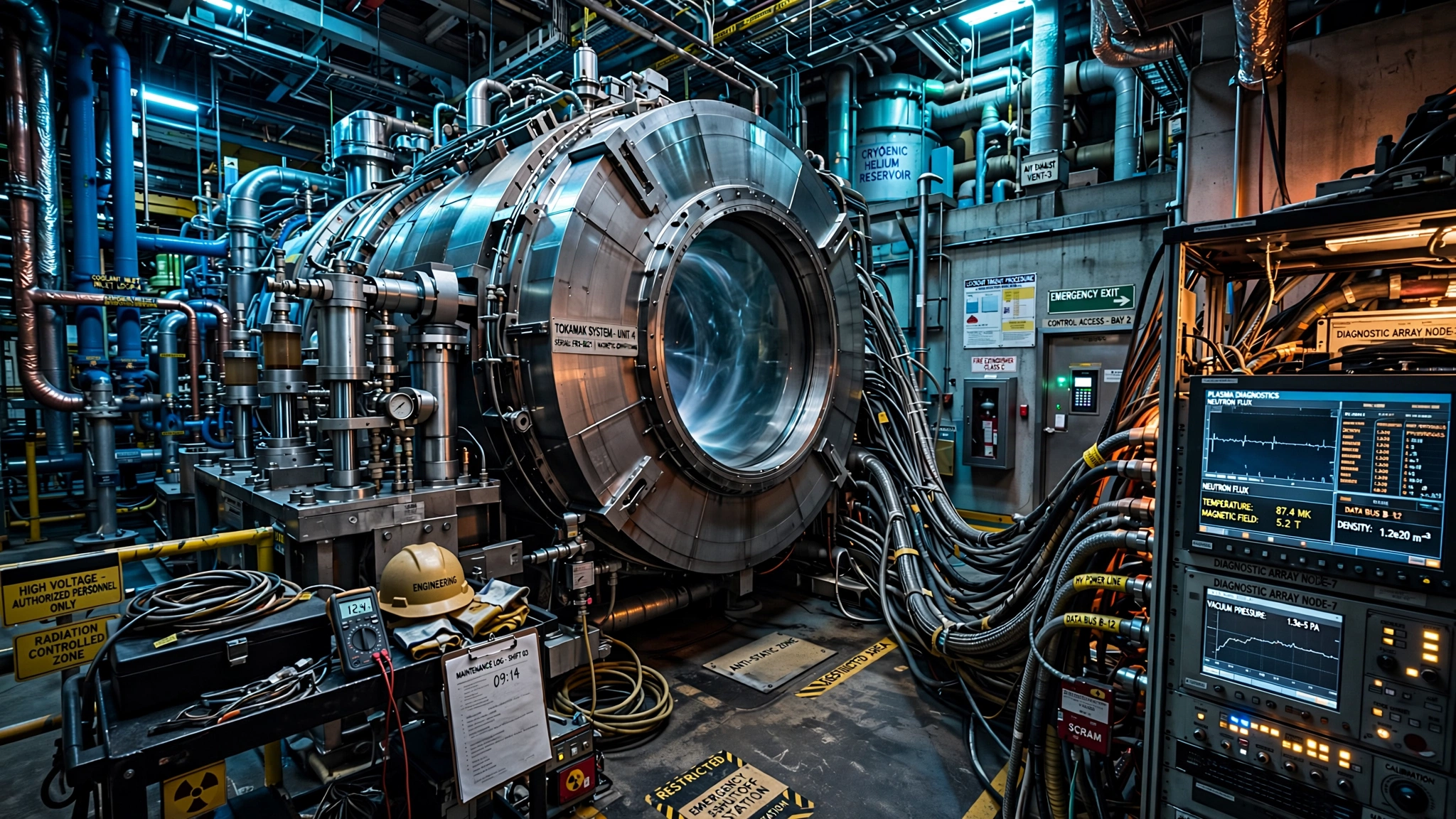
General Fusion Is Going Public at $1 Billion. It Has Reached 7.2% of Its Temperature Target.
General Fusion's LM26 machine hit 0.72 keV via mechanical compression. The company's SPAC values that progress at $882 million per keV achieved. Here's what the cost-per-keV gap means for fusion's first pure-play public equity.
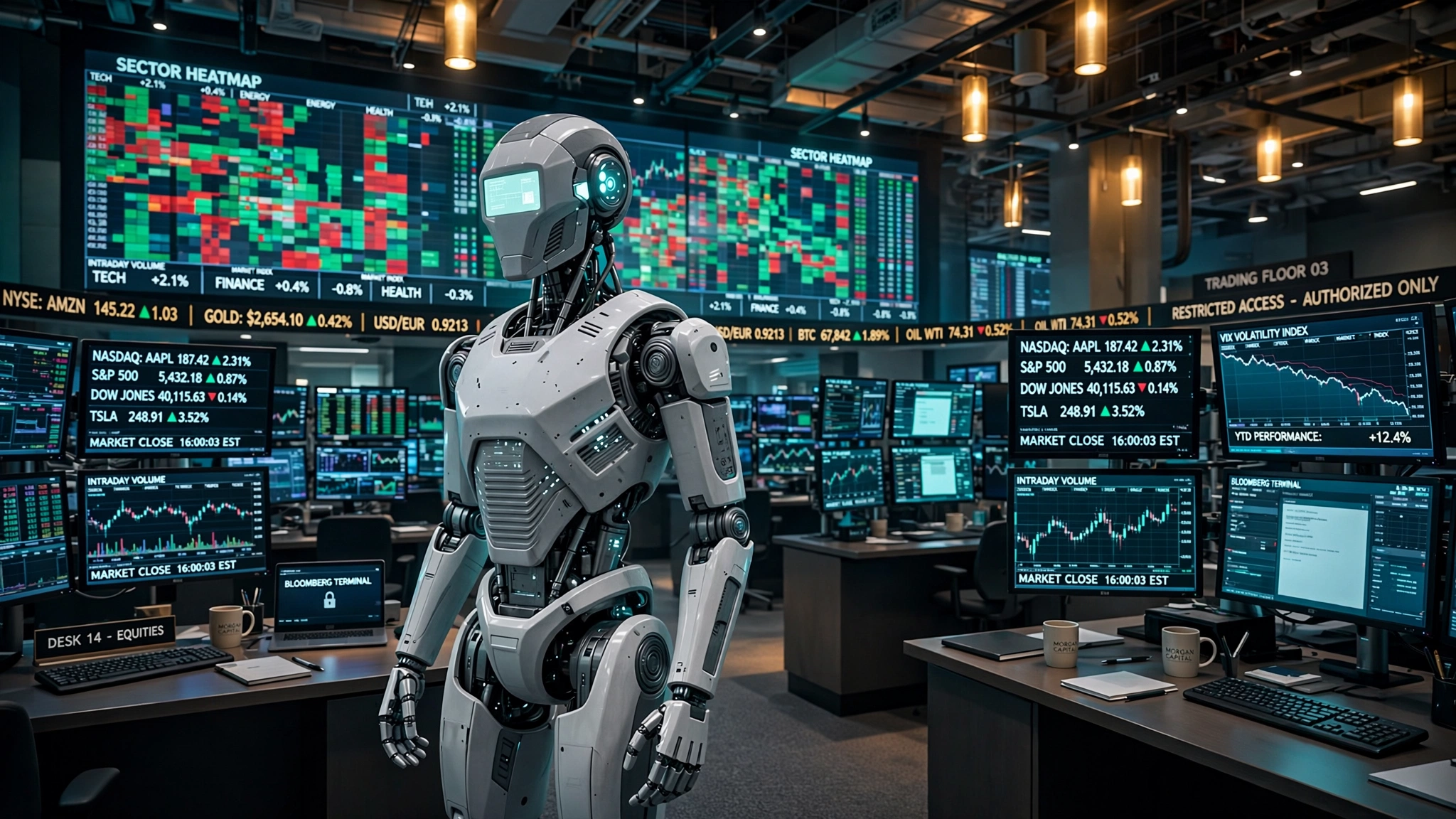
Agility Robotics Is Going Public at $2.5 Billion. Its 65,000 Factory Hours Reveal the Real Break-Even Math.
The first humanoid robot IPO gives us real numbers to test the economics. At $250K per robot and $49.56/hr loaded human labor costs, the crossover depends on one variable nobody is talking about.

Henrietta Leavitt's 1912 Data Was Re-Analyzed With Modern Tools. Her Scatter Dropped by Half.
The same 25 Cepheid stars Leavitt measured from photographic plates in 1912 were re-analyzed with Gaia parallaxes and CCD photometry. The scatter halved. The foundation of cosmic distance measurement holds.

LIGO Heard a Black Hole's Horizon for the First Time. It Spins 101 Times Per Second.
GW250114 detected frame-dragging at a black hole's horizon. An SNR-scaling analysis shows 1,000 such detections per year by the 2030s.

Fusion Reactors Could Be 20% Smaller Than Planned. Two New Papers Explain Why.
Alpha particles suppress plasma turbulence. The implications for reactor economics are enormous.
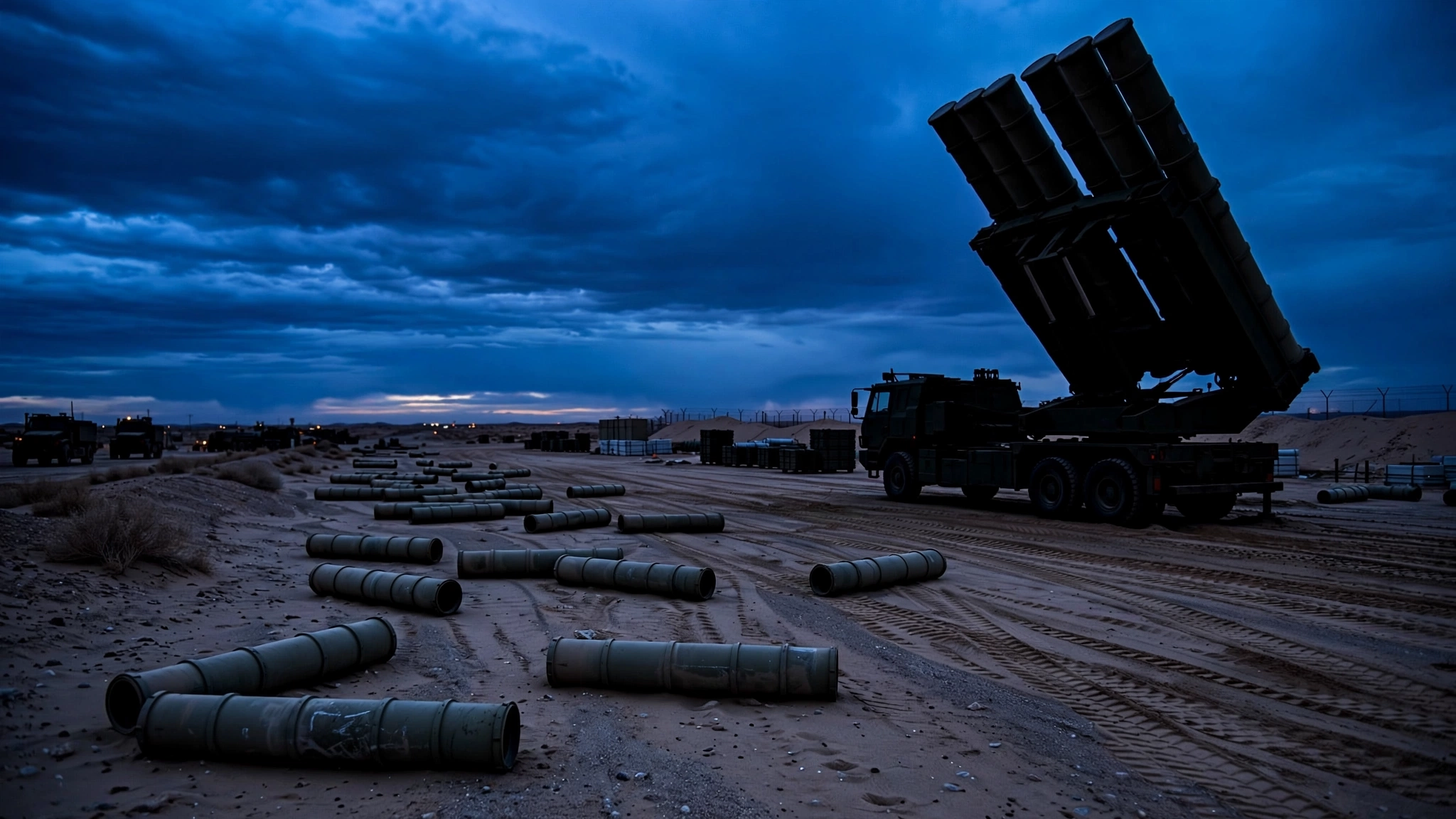
The U.S. Burned Through Four Years of THAAD Production in Four Months. The Pentagon's $35 Billion Fix Doesn't Close the Gap.
The Pentagon just signed the biggest missile defense contract in history. Each THAAD interceptor costs $15.5 million, up 63% since 2021. The Army simultaneously launched a crash program to build interceptors for under $1 million. Both decisions are rational. Neither solves the underlying math.
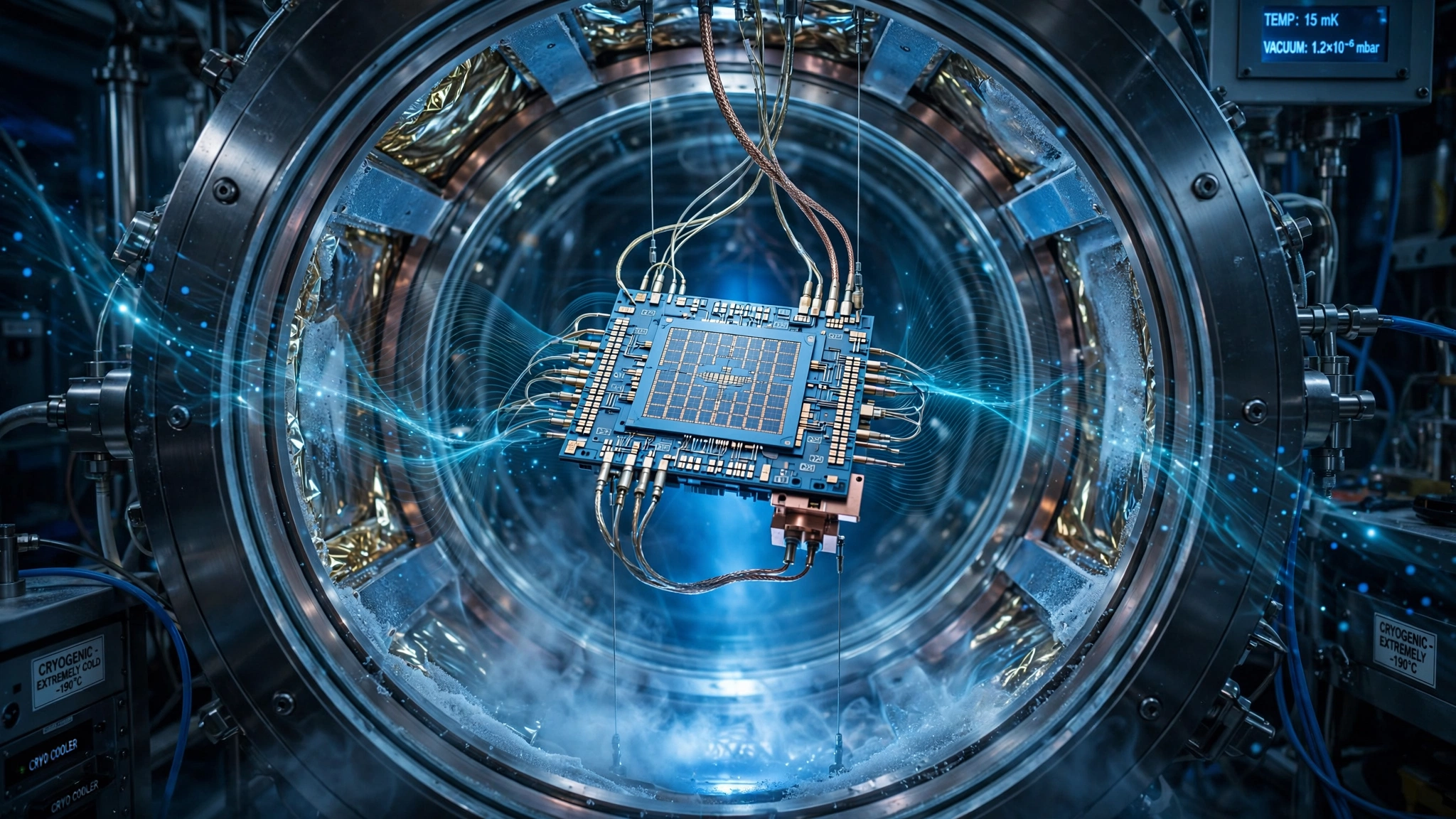
Microsoft Has Spent 20 Years and ~$2 Billion on Topological Qubits. Five of Its Major Papers Have Been Retracted or Challenged.
Five papers questioned. Zero verified qubits. A $1 billion bet on particles that may not exist. And a 2029 deadline that matches rivals who actually have working hardware.
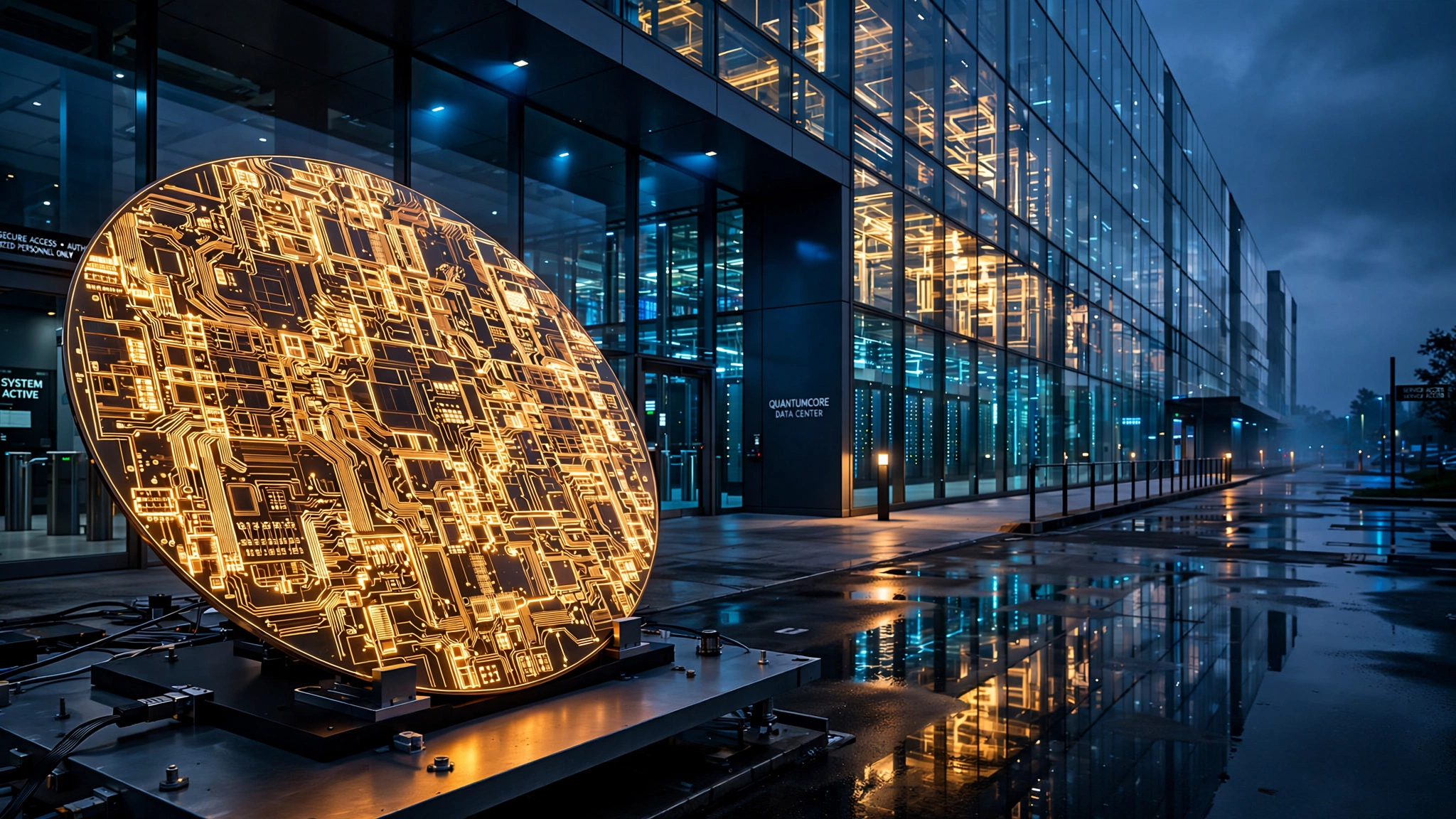
Cerebras Raised $6.4 Billion in the Biggest Chip IPO Ever. Its Margins Look Like a Cloud Provider's.
Cerebras's first public earnings reveal 47% gross margins heading to 36%, capex burning 68% of revenue, and a single customer that is also its creditor, its shareholder, and 80% of its pipeline. The market is pricing CBRS at 58× revenue — a multiple that assumes NVIDIA-like economics. The balance sheet tells a different story.
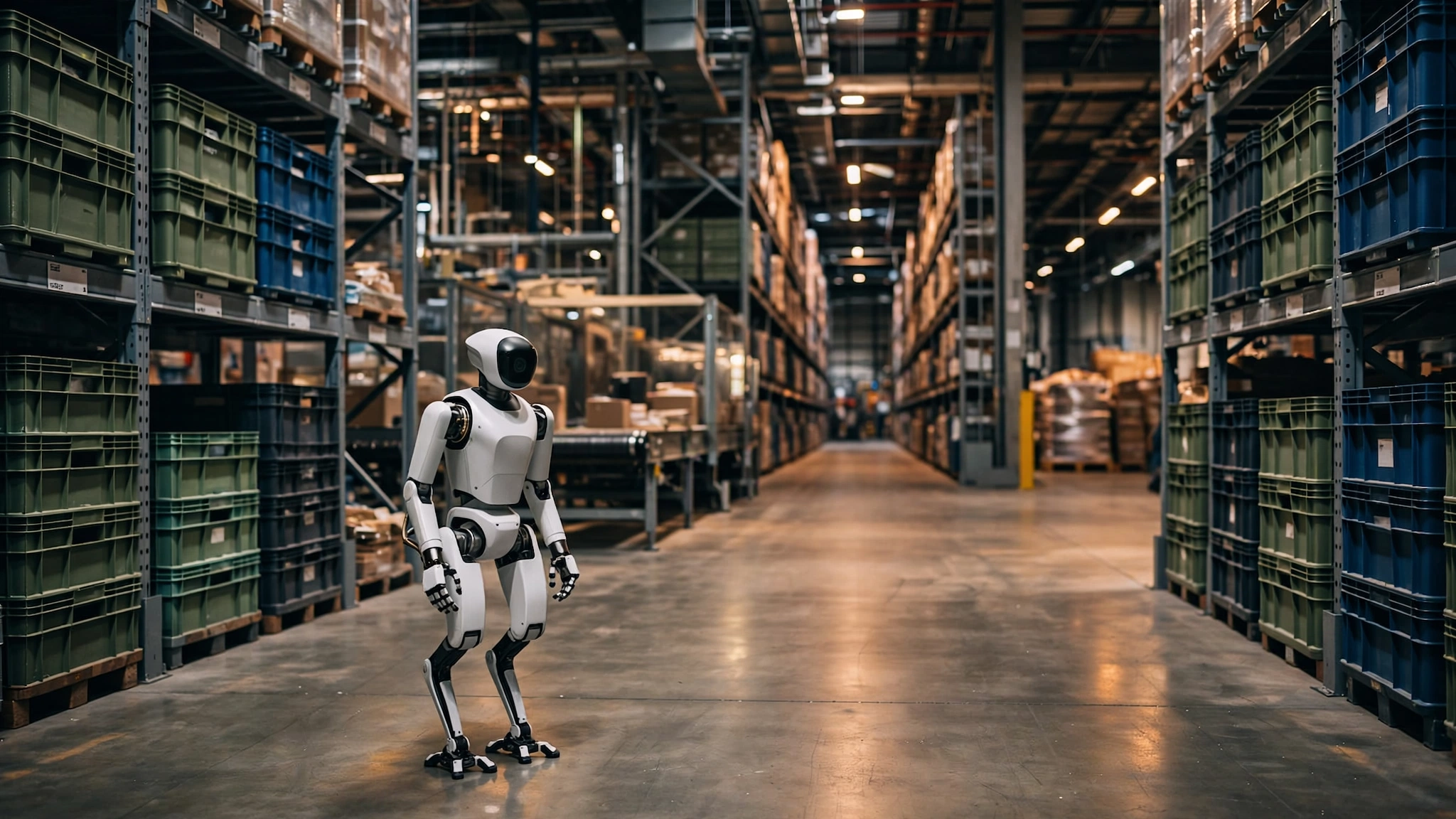
Agility Robotics Is Going Public at $2.5 Billion. Its Robots Cost 18× More Per Task Than a $1,900/Month Alternative.
Agility Robotics will merge with Churchill Capital at a $2.5 billion valuation, becoming the first pure-play publicly listed humanoid company. A cost-per-tote analysis reveals humanoids run $0.53–$1.05 per move vs. $0.035 for purpose-built robots. The $2.5B question: is versatility worth an 18× premium?
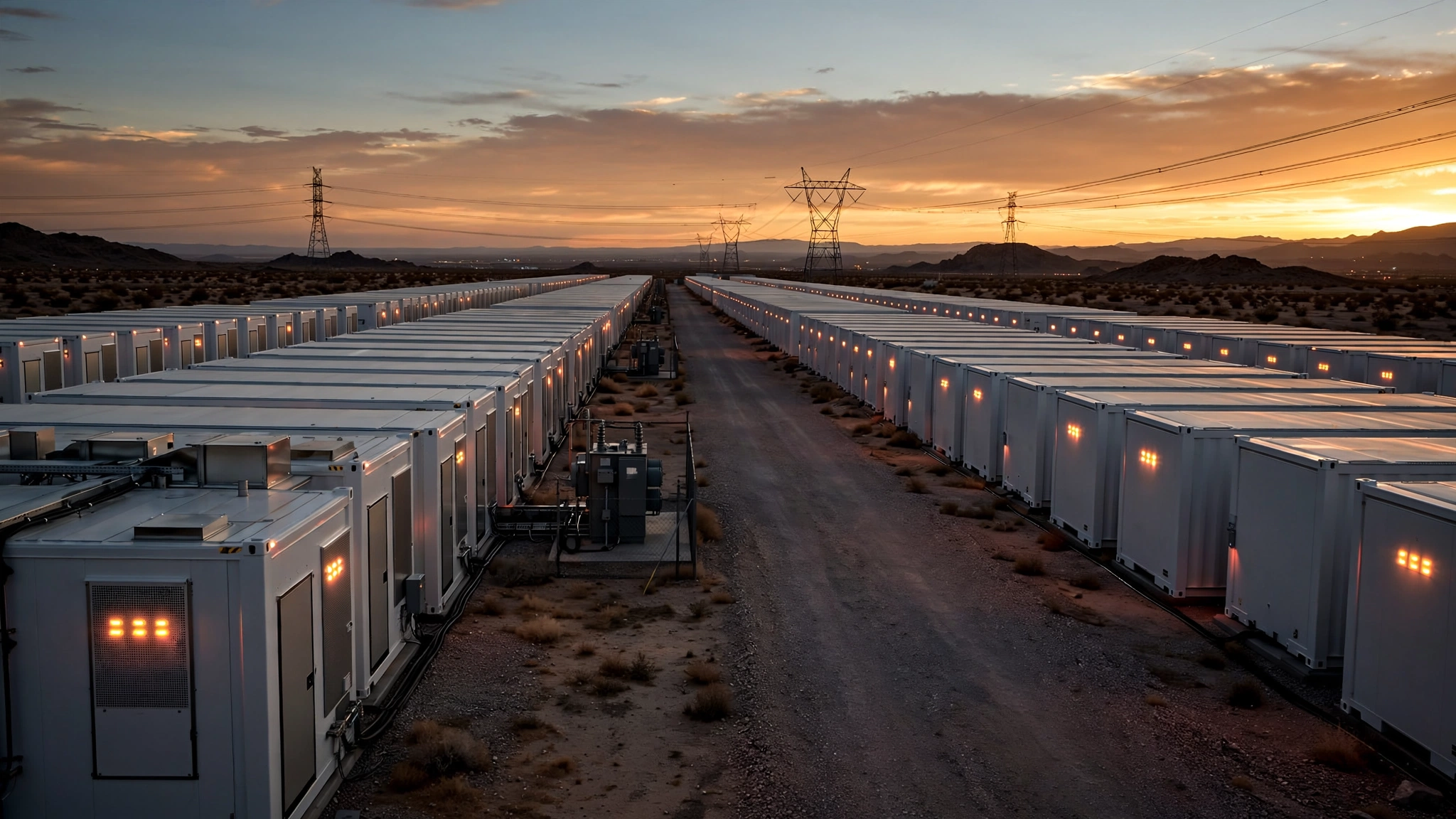
CATL's Sodium Battery Costs 13% More Per Kilowatt-Hour. It's 27% Cheaper Per Cycle. The Grid Storage Industry Is Buying the Wrong Metric.
CATL's TENER Sodium is the world's first field-validated sodium-ion grid battery. Its cells cost $59/kWh vs $52 for LFP. But 15,000 cycles at 1% auxiliary consumption flip the economics: $0.0045 per discharged kWh vs $0.0062 for lithium. The industry benchmarks by upfront cost. The math says that's the wrong number.
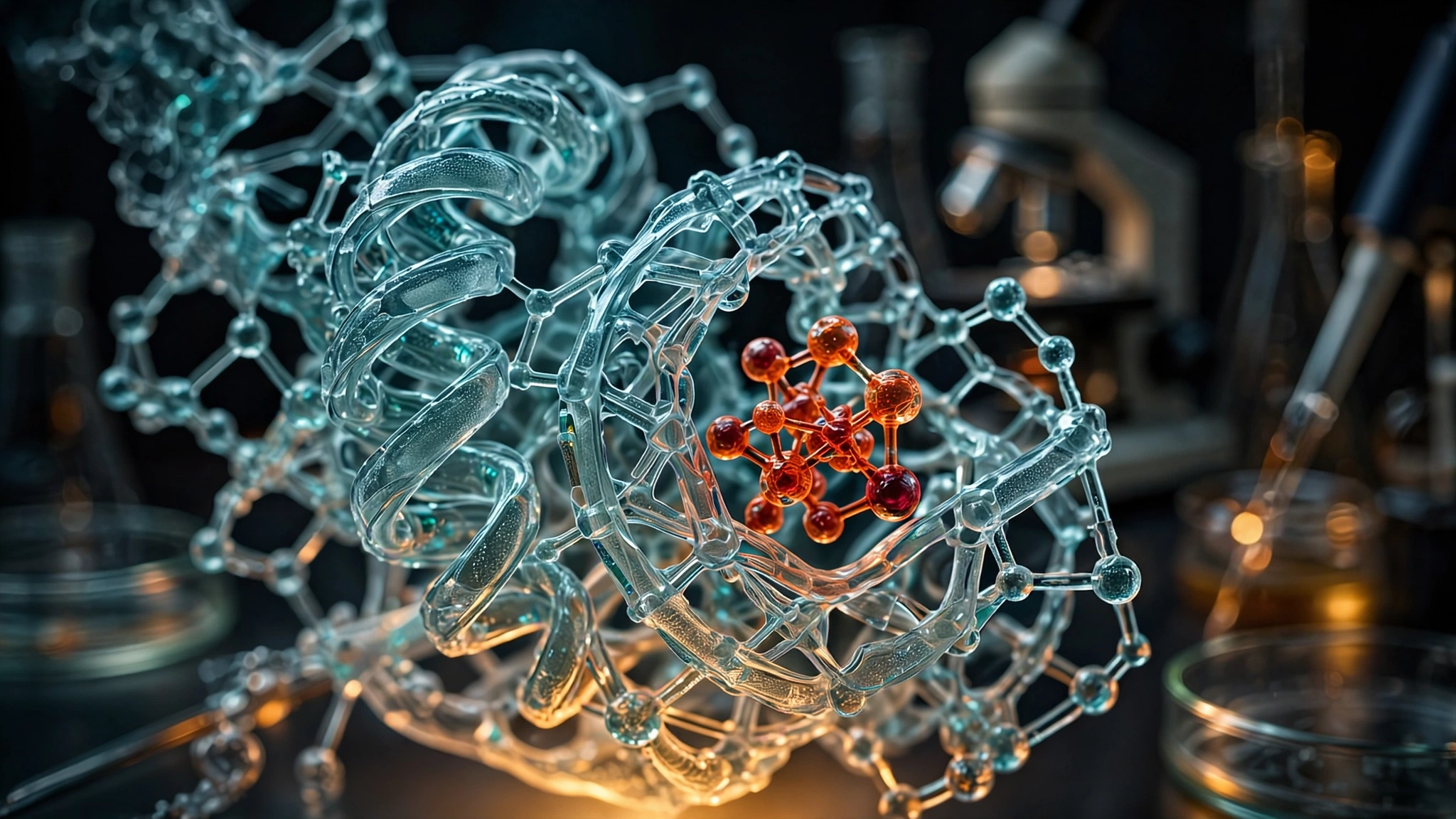
A Three-Person Lab Just Designed a Drug-Grabbing Protein That Rivals the Human Body's Own. It Took Five Hours of Compute.
Dana-Farber researchers built an algorithm called NISE that designed a protein binding apixaban at 80 picomolar affinity — matching factor Xa, the drug's natural target — with an 83% hit rate versus 0.044% for previous methods. We calculated the screening cost reduction: roughly 1,500-fold.
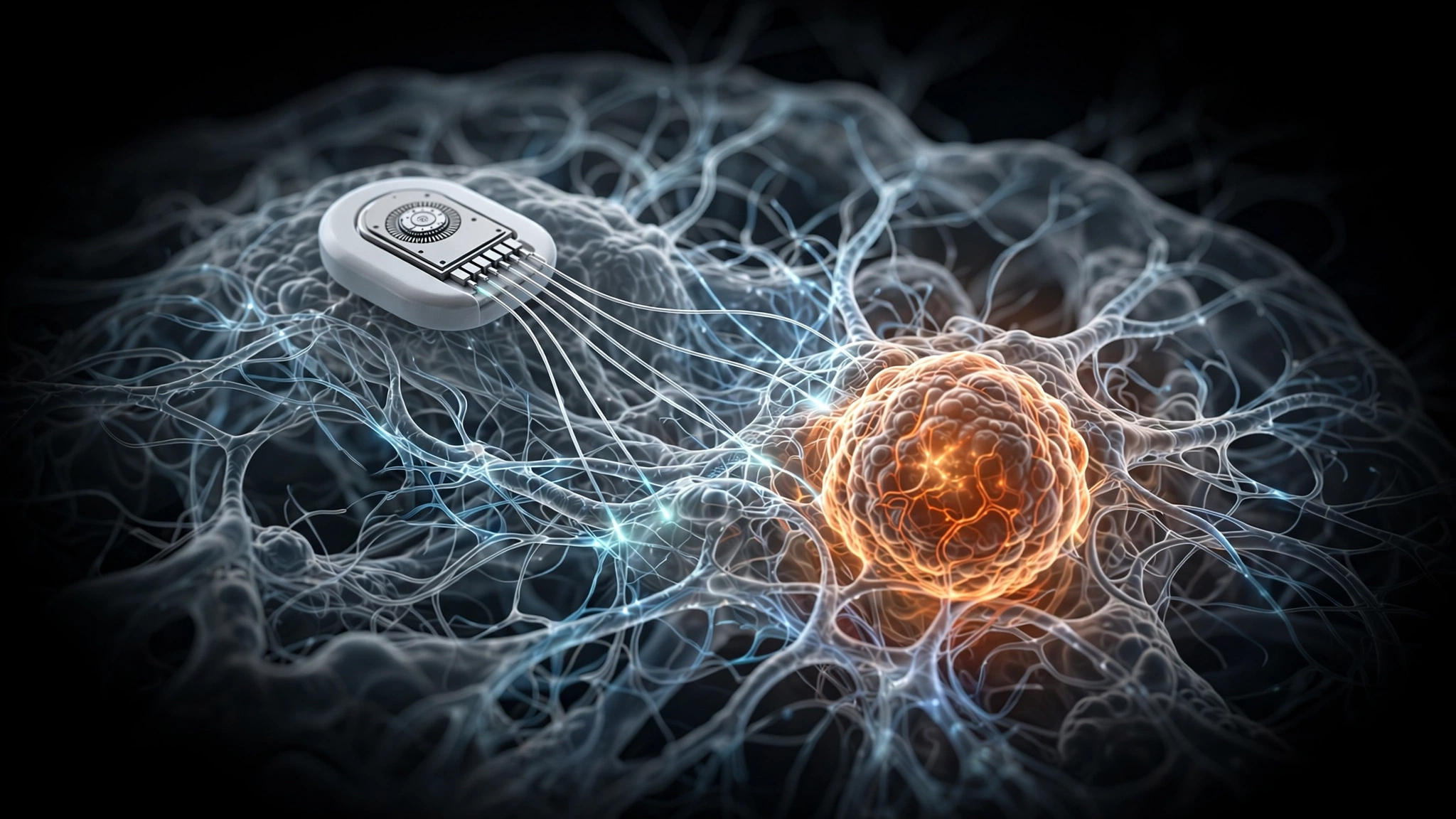
The First Cancer-Detecting Brain Implant Was Inside 3 Patients for 30 Minutes. Optune Costs $21,000 a Month.
Coherence Neuro tested a 16-thread brain implant designed to sense glioblastoma's electrical signature and deliver tumor-suppressing stimulation. A one-time implant during surgery could undercut Optune's $252,590-per-life-year economics by 20%.
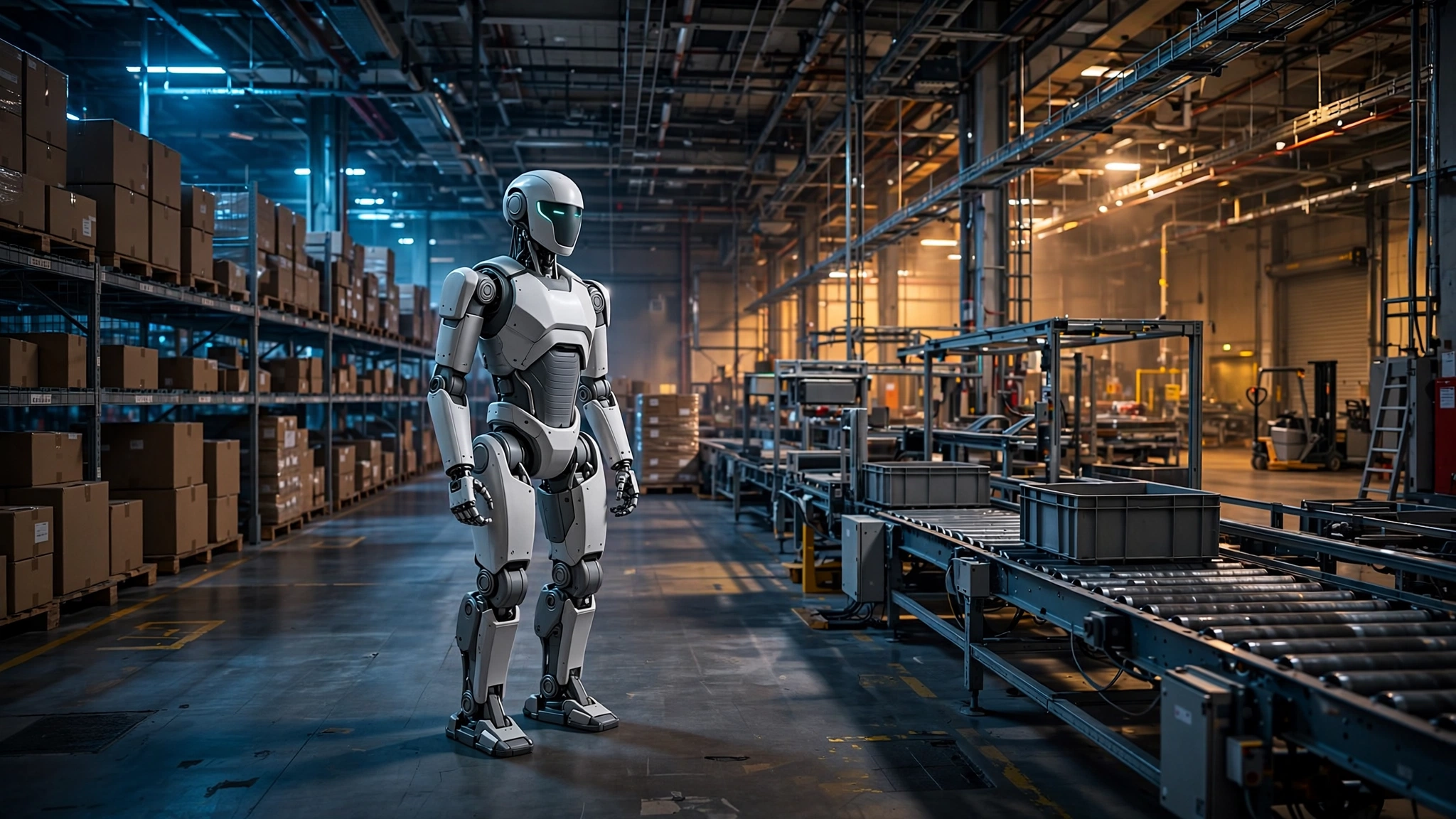
The First Humanoid Robot IPO Puts a Price on Replacing You: $7.50 Per Hour
Agility Robotics just went public at a $2.5 billion valuation. For the first time, we can calculate what a robot worker actually costs per hour and stress-test whether Wall Street's math holds up.
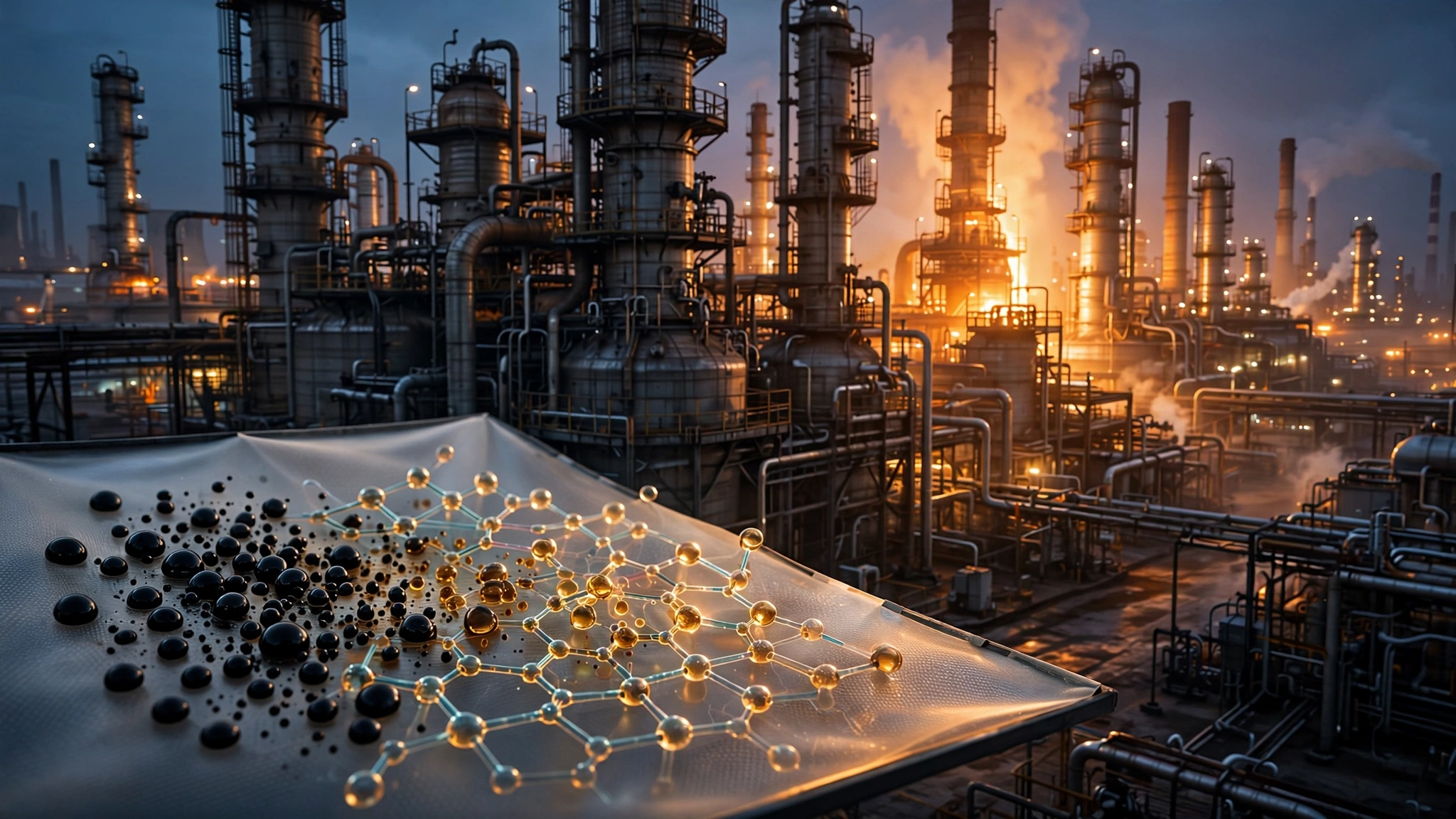
A $10-Per-Square-Meter Membrane Just Cut Oil Refinery Energy Use by 37.6%. It Was Hiding in Water Filters.
KAIST researchers show that a commodity polymer already mass-produced for water purification can pre-fractionate crude oil at room temperature, with savings that would exceed France's entire electricity consumption if deployed globally.
More articles load as you scroll.