💡 Free Startup Ideas
Well-researched opportunities anyone can build. Real market data, real competitor analysis, real unit economics. Take them.
New idea every day. No strings attached. If you build one, let us know.
Explore ideas
49–72 of 180 entries
The Supreme Court Voided $166 Billion in Tariffs. 330,000 Importers Are Owed Refunds, and 6.1 Million Entries Already Failed.
SCOTUS ruled 6-3 that IEEPA never authorized tariffs, and refunds don't file themselves: importers must claim through CBP's CAPE portal, where nearly one in five submitted entries failed validation. The long tail of 250,000 small importers can't justify $1,500-an-hour trade counsel on a $40,000 refund, but a $499 flat-fee filing works. Up to $19.1 billion in claimed refunds is stuck in validation failures.
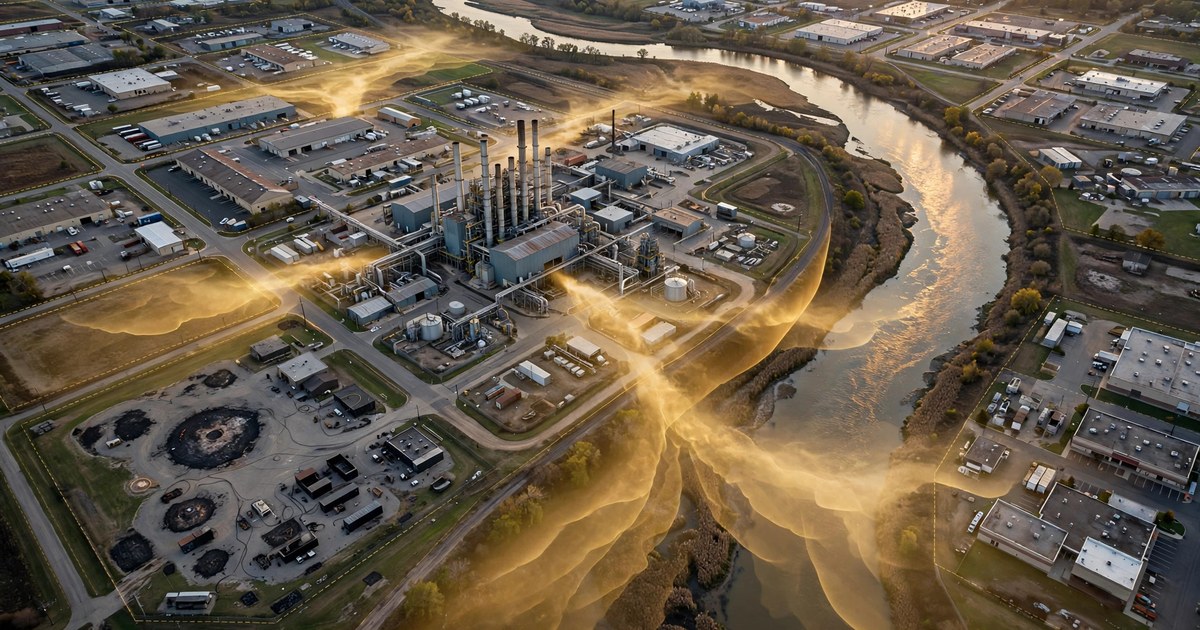
The D.C. Circuit Upheld EPA's PFAS Superfund Designation. 250,000 Property Deals a Year Need a Screen Nobody Sells.
On August 18, 2026, the D.C. Circuit upheld EPA's designation of PFOA and PFOS as CERCLA hazardous substances. Phase I reports are now expected to evaluate PFAS to preserve a buyer's liability defense. Roughly 250,000 commercial property deals close each year, and every one carries a PFAS question that consultants answer engagement by engagement, data vendors answer with raw database hits, and lenders answer with inconsistent PDFs. A $228 standardized screen would cost under 10% of the Phase I itself.

EPA Gave 23,500 Dry Cleaners 10 Years to Quit Perc. Each Replacement Machine Costs Up to $90,000.
IBISWorld counts 27,649 US dry cleaning businesses, and industry estimates say 85% still run perc. EPA's December 2024 rule phases the solvent out of dry cleaning within 10 years, with workplace exposure monitoring due June 2027. Each shop faces a $60,000 to $90,000 conversion with no neutral advisor, no compliance software, and no financing marketplace. The platform that owns the transition takes a cut of a $1.8B equipment wave.

88,000 Food Trucks Pay a Commissary Every Month. One Expired Agreement Shuts the Truck Down. Nobody Tracks the Renewals.
IBISWorld counts 88,353 US food truck businesses. California requires nearly every truck to operate in conjunction with a licensed commissary, and every county issues its own health permit with zero reciprocity. One lapsed agreement can mean a shutdown and $500 to $5,000 in fines. The compliance layer that tracks every renewal, assembles the inspection packet, and matches the truck to its next commissary does not exist yet.

Washington Collected $195 Billion in Tariffs Last Year. The Supreme Court Ordered $166 Billion Back. A 1934 Law Cuts Whatever Comes Next.
The US collected $195 billion in tariffs in FY2025, then the Supreme Court ordered $166 billion of it refunded. Foreign-Trade Zones defer duties, collapse dozens of weekly customs entries into one $671 filing, and erase duties on re-exports, but the 1934 program has just 1,300 users against roughly 236,000 small importers. What the mid-market doesn't have is a 90-day, fixed-price on-ramp: the savings audit, the activation, and the administration as one product.

Congress Told the FDA It Can't Enforce Food Traceability Until 2028. Walmart, Kroger, and Target Enforce It Today. The Drill Software Doesn't Exist.
The FDA logged 740 food recalls in 2024, up from 31 in 2020, and its own 2026 tabletop exercises found only 27% of food companies could produce complete lot-code records. Congress pushed FSMA 204 enforcement to July 2028, but the retailers holding the purchase orders set their own deadline. What the 484,000 covered establishments don't have is drill-first readiness software that proves they can answer the 24-hour call.

Scribd Just Paid $3 Million Because Its Job Ads Lacked Salary Ranges. Virginia Just Gave Every Applicant the Right to Sue. The Compliance Software Doesn't Exist.
Washington's pay transparency class actions went from 54 filings to 773 in two years, and settlements are landing between $332K and $3M. Sixteen states plus DC require pay ranges in postings, Virginia's July 2026 law adds a second private right of action, and remote ads multiply exposure across all of them at once. What employers don't have is posting-level compliance software that audits every live ad and keeps the evidentiary record that defeats the suit.
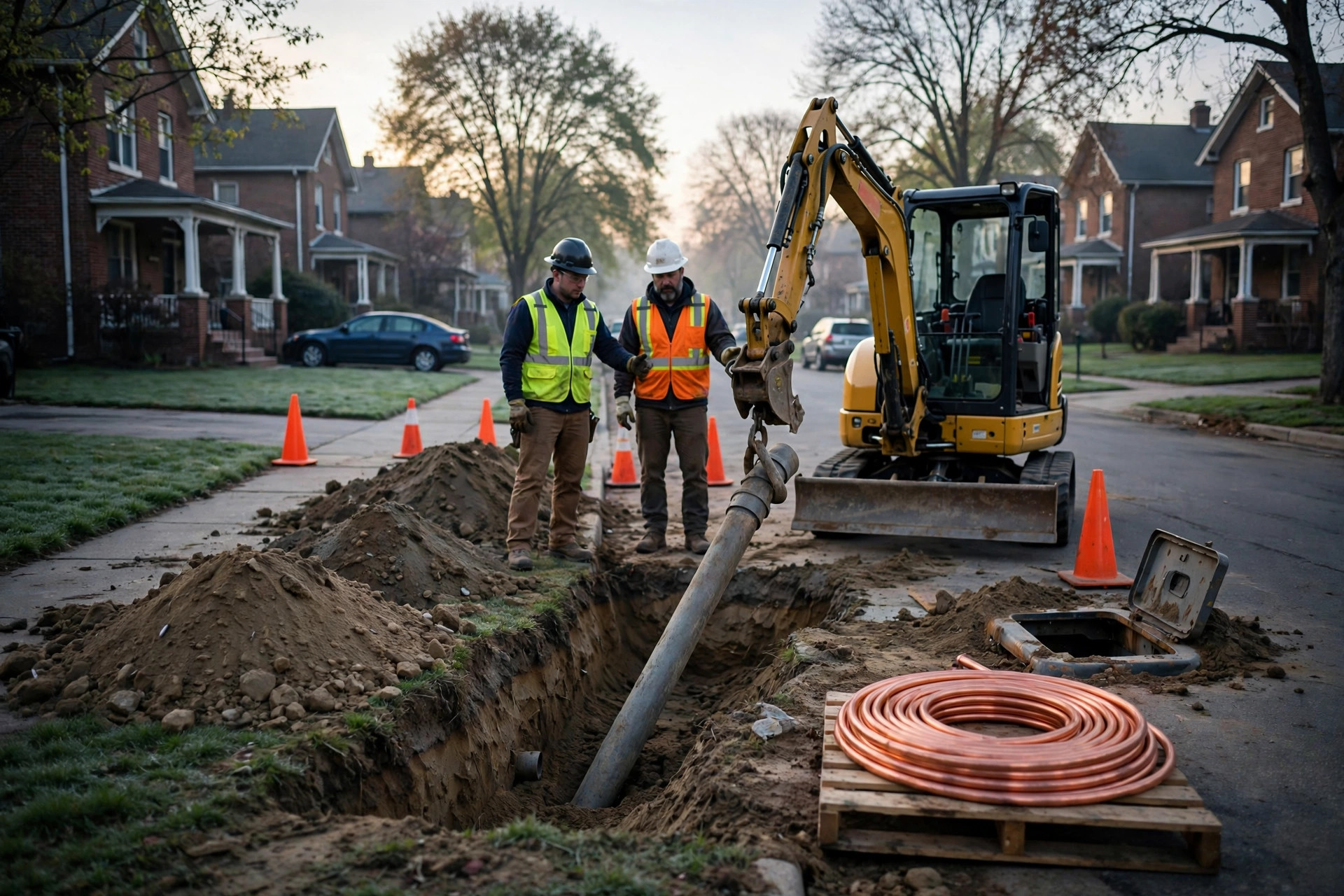
Syracuse Replaced 700 Lead Pipes Last Year. The Math Demands 1,400 a Year. The Digging Software Doesn't Exist.
The EPA's Lead and Copper Rule Improvements order a ten-year dig: full replacement of every lead service line at roughly 10% a year starting November 2027. The February 2026 EPA court defense drained the political risk. What utilities don't have is software for the consent, sequencing, and documentation of 1,400 replacements a year. A replacement-ops platform at 2–3% of construction spend is a ~$100M/yr mandated market, and 2028 buying decisions get made in the next two quarters.

1.36 Billion Parcels, $47 Each: Duty Compliance for the Importers De Minimis Left Behind
For a decade, 1.36 billion parcels a year entered the US duty-free under the $800 de minimis exemption. That ended in August 2025, and Congress repealed the exemption outright starting July 2027. Every parcel now needs a tariff code, a bond, and a formal entry. The 221,000 small US importers who never filed one have no software, and the average parcel is worth $47.50 while the cheapest brokered entry costs about the same.

14.5 Million Tons, Zero Records: Deicing Intelligence for the Private Salt Spreaders Who Own the Chloride Problem
Private contractors spread two-thirds of America's road salt and keep none of the records. They over-salt because liability punishes restraint, insurance premiums are up 300 percent, and New Hampshire already proved the fix: certification tied to logged application records. The software for those records does not exist.

50M Idle Agents, One Public Queue: The Token Commons Turns Rented AI into Volunteer Compute
You're paying for an AI agent you barely use. A public queue of bounded, verifiable scientific micro-tasks lets anyone point their own agent at one open task and solve it. No provider permission needed.

15,000 Nursing Homes, One Dead Mandate: Workforce Intelligence SaaS for the $49B Labor Line
Washington killed the federal staffing mandate in February 2026. The $49.2B labor line did not notice: New York fines homes $2,000 a day from public payroll data, Medicare withholds 2% over staffing measures, and agency nurses cost 55-70% more than employed staff. A labor P&L benchmark, agency leakage calculator, fine-exposure engine, and diligence mode built on public PBJ data, on a $104M problem.

11,740 Plants, One May 2027 Deadline: RMP Compliance SaaS for the Chemical Accident Prevention Era
EPA's 2024 chemical accident prevention rule gave 11,740 facilities until May 10, 2027 to complete safer-technology analyses, third-party audits, and root-cause investigations, then proposed rolling much of it back in 2026. Facilities must obey the law on the books while planning for a law that might replace it, and the few hundred senior process-safety engineers who do this work are already booked. A rule-versioned RMP platform, STAA productization, and an auditor marketplace on a $150M problem.

2,700 Buildings Never Filed: Facade Inspection Orchestration for America's Five-Year Deadlines
NYC requires 17,000 buildings over six stories to file a facade inspection every five years, and roughly 2,700 never filed their last cycle, each accruing $5,000 a year plus $1,000 a month in penalties. Owners buy $6,500 inspections and six-figure repairs by phone from the engineer they know, while the firm that finds the damage also bids to fix it. Deadline intelligence, reverse-auction QEWI procurement, $750 drone pre-screens, and competitive repair bidding on a $110M problem.
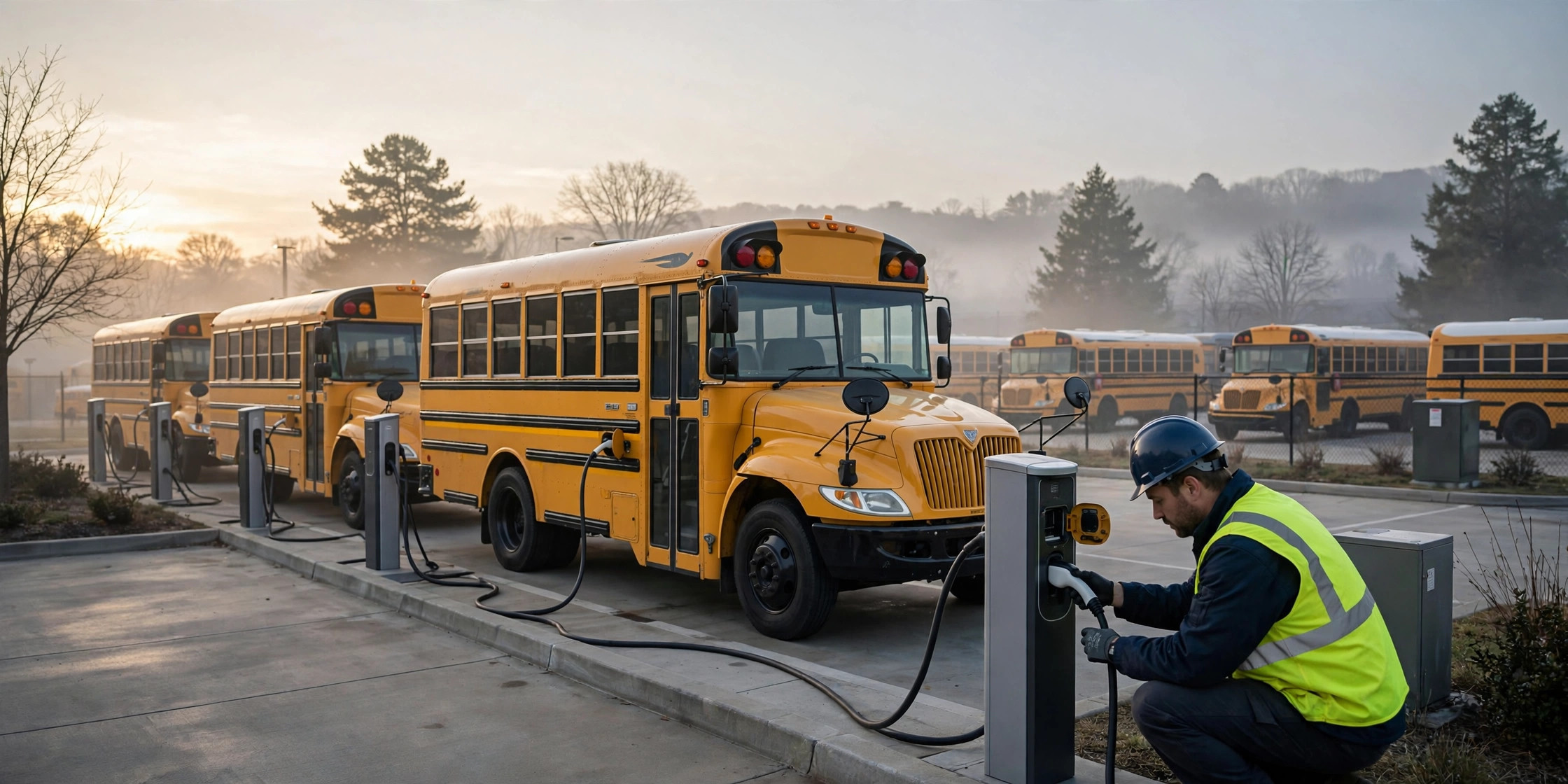
854 Buses Late, 140 Never Delivered: Readiness Software for Electric School Bus Fleets
The EPA's $5B Clean School Bus Program has 1,100 buses delivered of 2,600 ordered, with 854 delayed and 140 never coming. Districts plan $500,000 buses and $1.4M charging depots with spreadsheets and dealer advice, ending up with oversized chargers and buses that turtle at 19 below. A vendor-neutral route-fit, charging-design, and grant-compliance platform. A $70M gap.
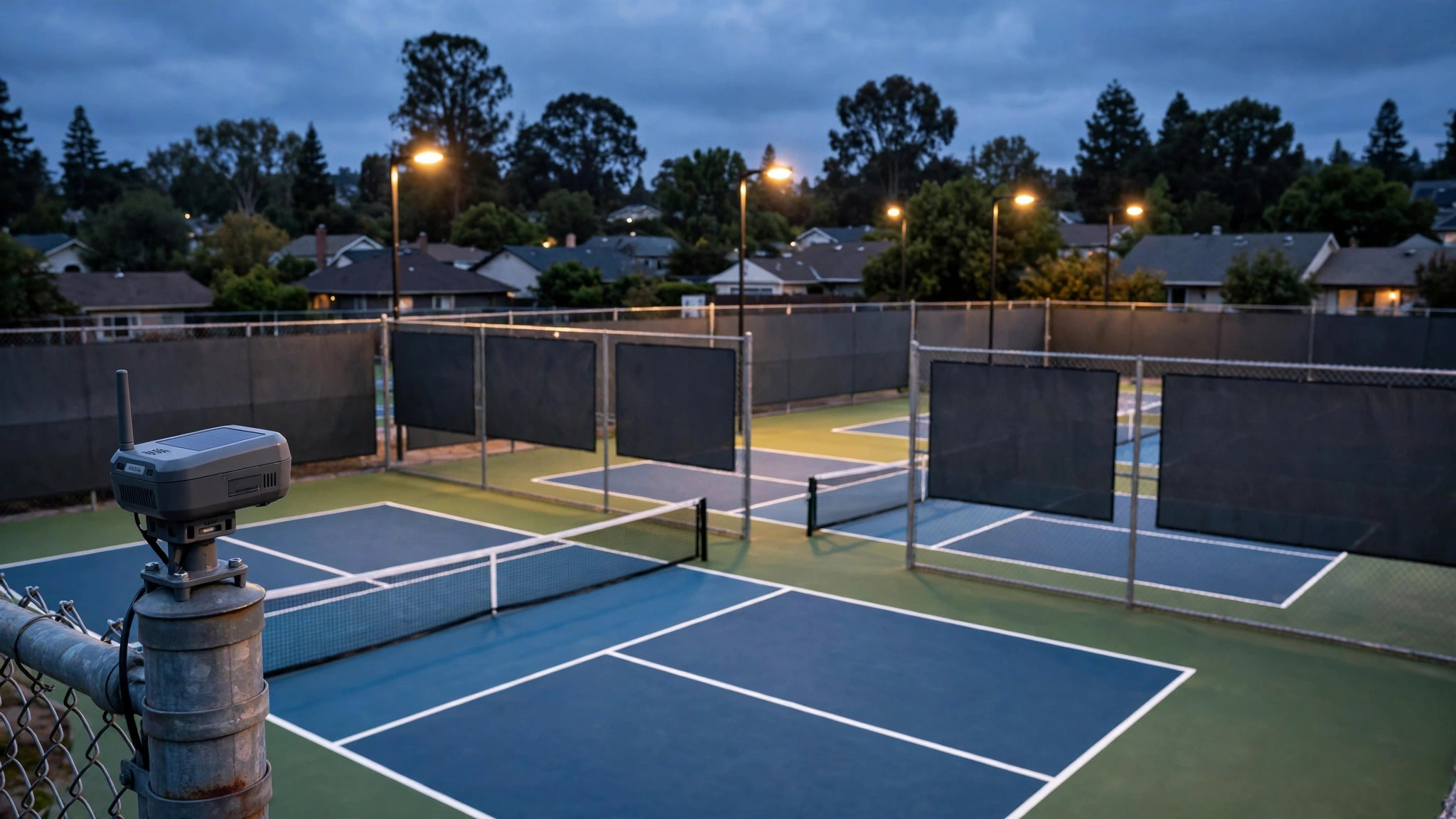
The 70-Decibel Pop: Noise Monitoring and Compliance for Pickleball Courts
24.3M Americans play pickleball across 82,613 courts, and the paddle pop hits 70 dBA at 100 feet, roughly eight times as loud as tennis. Judges are enjoining courts, recall drives are forcing HOA board resignations, and barrier proposals run $24,600 to $114,000 on faith. NoiseAware does generic monitoring, barrier vendors sell curtains, consultants sell one-shot studies, nobody sells pickleball-specific compliance. A $28M gap.

Cold Storage Rents Doubled Since 2020. Nobody Will Tell You the Price.
Cold storage rents are up 100%+ since 2020 and no operator publishes a price list. Mid-market food brands sign take-or-pay contracts at $45 a pallet, use 68% of what they buy, and pay $173K a year to refrigerate empty air. Flexe and WarehouseQuote do ambient-first capacity with no public rates and no food-safety credentialing. Rate transparency plus a cold-only spot pallet market is a $150M gap.

The $20 Heist: Cable-Theft Defense for EV Charging Networks
Copper hit $6.89 a pound in September 2026, an all-time high. Thieves cut EV charging cables for $15 to $20 of scrap; each cut costs operators $2,000 to $4,000 to fix, and one Seattle site was hit six times in a year. CatStrap sells armor, ChargePoint sells alarms, nobody sells risk scoring plus armor plus 24/7 response plus rapid repair as one managed service. A $60M gap.

Interconnection Queue Intelligence SaaS for Clean Energy Developers
2,290 GW wait in US interconnection queues and 90% of projects never exit. FERC Order 2023 made entry cost real money: $250K deposits, withdrawal penalties, site control. Enverus serves the giants; the 1,400 smaller developers picking queue positions get spreadsheets. The triage layer is a $50M gap.
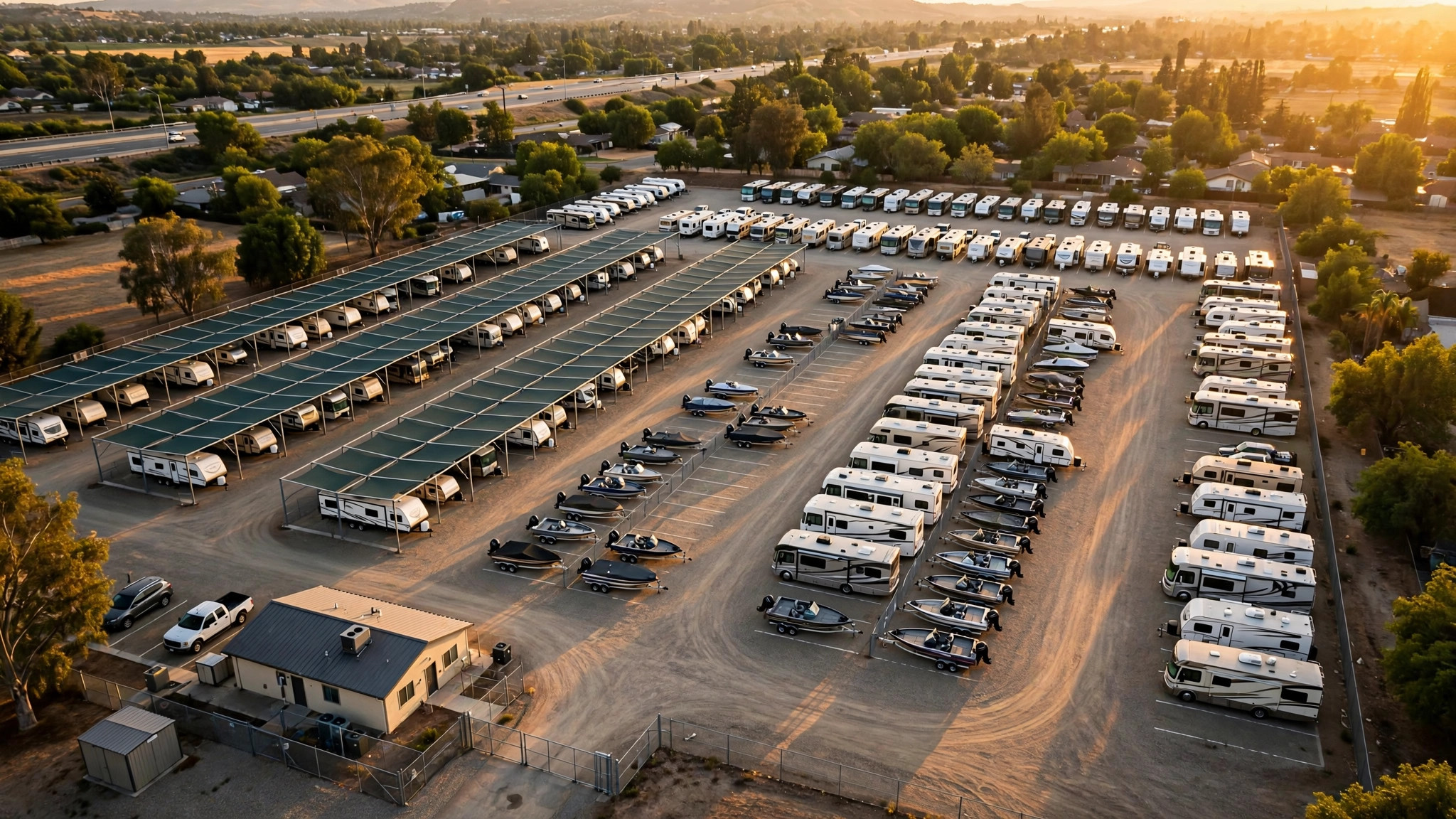
RV & Boat Storage Yield Management SaaS for Independent Lot Operators
RVs sit idle 345 days a year, boats 311 days. Dedicated storage facilities doubled from 800 to 1,800 in two years, investors pay $12,900 per space for 24.7% IRRs, and demand is five times supply. The 9,600 operators pricing those spaces share no market data; even the largest operator publishes no within-market benchmarks.

A Solar Lease Buyout Quote Can Be $22,000 or $52,000 for the Same Roof. Two Million Homes Will Sell Into This Trap.
~2M US homes sit under solar leases or PPAs. At resale the lease must be assumed or bought out, the quote comes from the servicer, the paperwork runs through bankruptcy-era asset managers, and 48% of agents say solar makes homes harder to sell. Nobody owns the neutral transaction layer: lease audits, buyout negotiation, escrow-ready transfer packets.
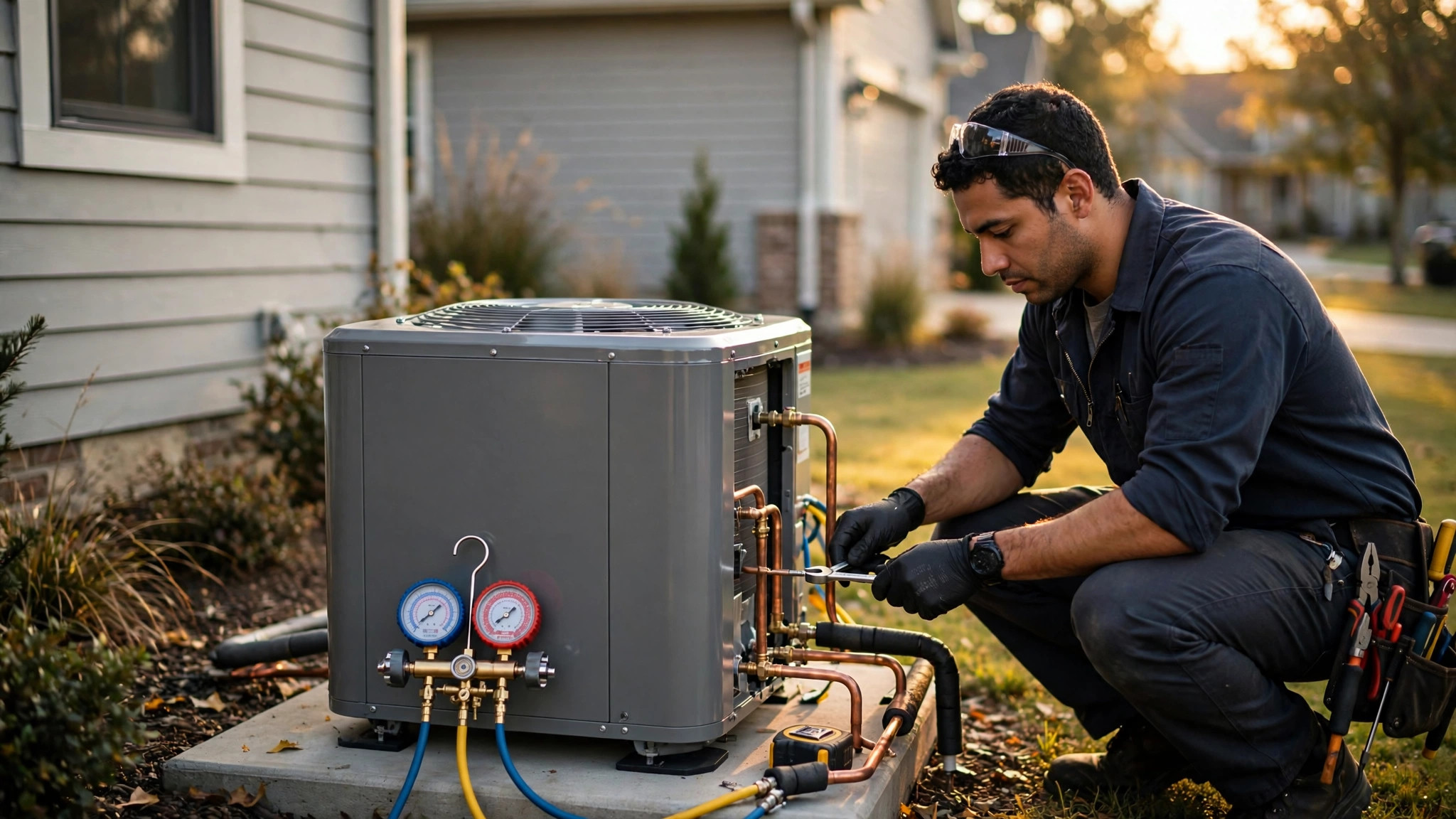
Heat Pump Quotes for the Same House Differ by $10,000. The $2,000 Federal Credit Just Expired.
4M heat pumps ship per year into a broken buying process: $10,000 quote spreads on identical jobs, 65% installed wrong ($2.5B/yr wasted), and a 50-program rebate patchwork after the 25C credit died. Nobody owns standardized bidding, rebate filing, and independent commissioning.

73% of Nursing Homes Have Inadequate Emergency Power, Per a 2026 Federal Audit. The Monthly Generator Test Is Still Logged on Paper.
NFPA 110 demands weekly inspections, monthly 30-minute loaded runs, annual load banks, and triennial 4-hour tests, all documented to a §8.5.3 record standard. The OIG found 73% of nursing homes inadequate. Cummins sells monitoring, not compliance records. Nobody owns the survey-ready test log: ~$89M SaaS opportunity.

The Delete Act Made Every Data Broker a 45-Day Compliance Operation. Nobody Built Their Software.
500+ registered data brokers entered their first 45-day deletion cycle on August 1, 2026. DROP requires list retrieval every 45 days, identity matching, deletion across internal systems and service providers, per-request status reporting, perpetual suppression, and triennial audits starting 2028. OneTrust sells a generic enterprise module. Nothing broker-native exists.
More entries load as you scroll.